REVIEW · SAPA
Mountain views and villages trek – 1 Day
Book on Viator →Operated by Trekking Tour Sapa · Bookable on Viator
Fansipan views in just half a day. This one-day private trek around Sapa mixes a short uphill hike with big-mountain scenery and village walking, all in a tight 5.5-hour window. You get sunrise-level atmosphere, but on a realistic schedule that doesn’t eat your whole day.
I especially like the focus on the Fansipan viewpoint area: it’s not a long trek, yet you come away with sweeping views over Sapa town and the famous terraced hills. I also really enjoyed the cultural stop at Ham Da, where you learn about Black Hmong life in farming, house-building, and even marriage traditions.
The one thing to consider is effort and timing: you should be comfortable with a moderate hike and you’ll want good weather for the best views.
In This Review
- Key things to know before you go
- From Sapa Church to the 1km uphill viewpoint
- What you’ll actually see from the Fansipan lookouts
- Muong Hoa Valley terraces: learning by looking
- Ham Da (Black Hmong): farming, marriage, and house-building in plain talk
- Lunch on a time-tight trek (vegetarian included)
- Hau Thao and Giang Ta Chai: more village texture in one loop
- Price and what makes the $45 value feel fair
- Guide quality: why speaking English matters on a cultural day
- Hiking pace, shoes, and the weather reality
- Who should book this Sapa trek (and who should skip it)
- Should you book Mountain views and villages trek?
- FAQ
- FAQ
- Where is the meeting point for the tour?
- What time does the tour start?
- How long is the trek?
- Is this tour private?
- How much hiking is involved?
- What sights do you see at the viewpoint?
- Which village do you visit to learn about culture?
- What do you learn in Ham Da?
- Is lunch included, and is it vegetarian?
- Do I get any water on the tour?
- What happens if the weather is bad?
Key things to know before you go
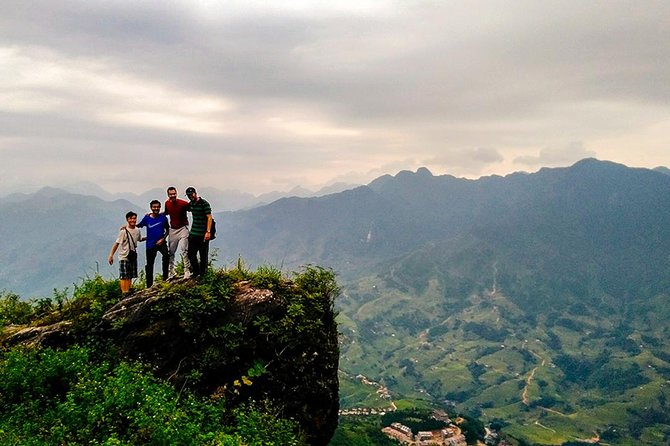
- 1km uphill start on local mountain paths to reach the big viewpoint over Fansipan
- Fansipan height is part of the story here, with a view of the peak at 3,143m
- Muong Hoa Valley rice terraces show up in the same viewpoint zone
- Ham Da village visit centers on Hmong traditions, including marriage, farming, and house-building
- Max 2 travelers for a true private feel, with a local guide
- Vegetarian lunch included, so you’re not planning food mid-trek
From Sapa Church to the 1km uphill viewpoint
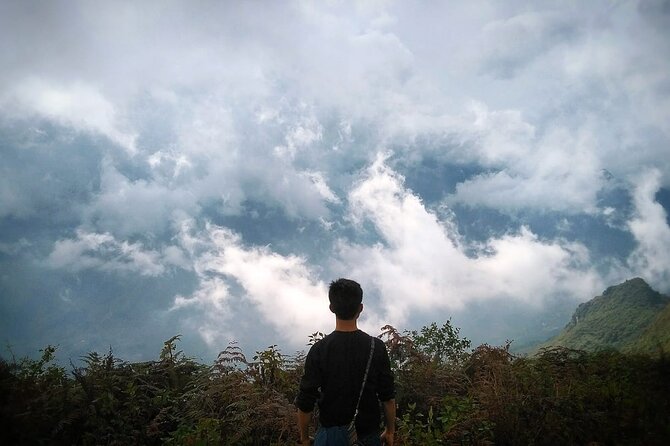
This trek starts at Sapa Church at 9:00am. If your hotel is nearby, pickup can be arranged, and some people meet right in front of the main church before heading out. The tour is capped at two travelers, so you’re not stuck in a noisy group while walking the hillside.
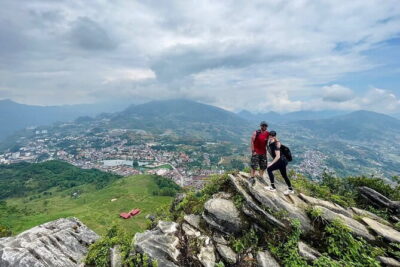
Right at the start, your guide gets you oriented. Then you begin a roughly 1km uphill climb on a small trail. It’s the kind of walk where you feel the altitude and the slope, but the plan is simple: work your way up, reach the viewpoint, and then use the rest of the day to look around and learn.
This is also where the tour’s “private and local” vibe shows. You’re walking on routes used by local people in the mountains, not just a big tourist track. In practice, that means steady pacing matters more than speed.
What you’ll actually see from the Fansipan lookouts
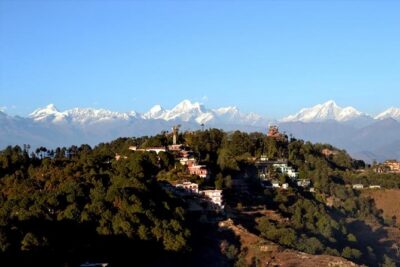
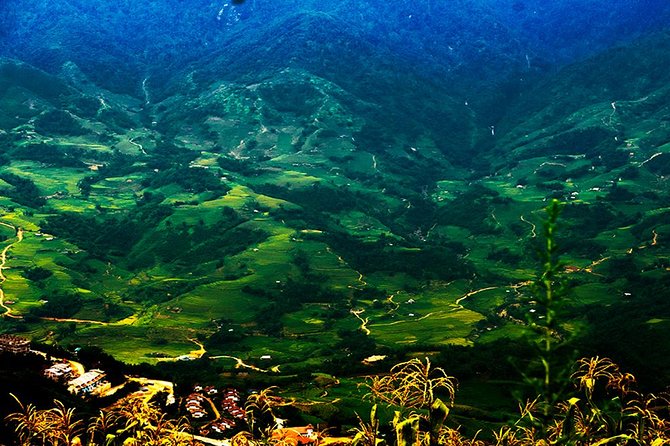
The main payoff is the viewpoint area that looks over Fansipan and down onto Sapa. On a clear day, you’ll see Fansipan mountain at 3,143m and get wide views over Sapa town below. It’s one of those sights that instantly makes the area feel real, not just postcard-pretty.
From the same general viewpoint zone, the scenery connects in three directions:
- Muong Hoa Valley rice terraces spread across the hillsides
- a major river and broad valley appear in the distance
- Sapa town sits in the foreground with a sense of how the valley holds everything together
If you’re a photographer, this stop is efficient. You don’t need a full-day trek to get strong composition, because the viewpoint is doing most of the work for you.
The small catch: visibility depends on weather. If clouds roll in, the view won’t disappear, but you won’t get that crisp “count the layers” look across the valley.
Muong Hoa Valley terraces: learning by looking
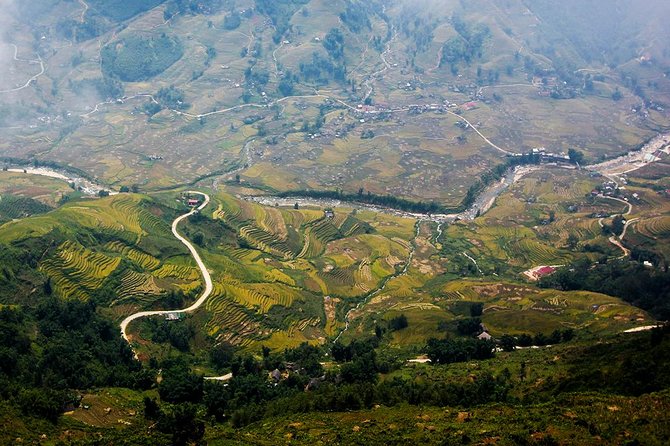
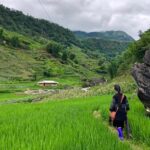
At the viewpoint, the Muong Hoa Valley rice terrace fields are the visual theme. Even if you only stay for a short window, you’ll get a sense of how terraces shape the mountains—how steep land becomes workable farmland through careful shaping and layout.
Here’s a practical way to enjoy it: don’t just aim your camera downhill. Take a slow scan from the highest visible ridge lines down through the terraces toward the valley floor. That scan helps you understand the geography, and it makes the later village portion feel more connected.
You’ll also notice how the terraces relate to water and valleys. The tour isn’t a lecture, but you’ll likely make those connections naturally because the landscape and the village learning happen the same day.
Ham Da (Black Hmong): farming, marriage, and house-building in plain talk
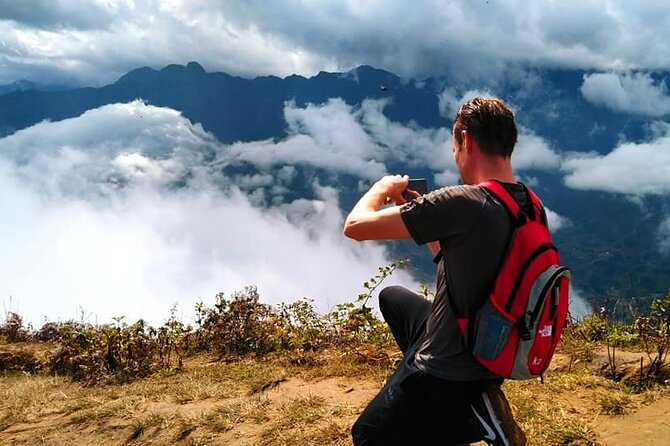
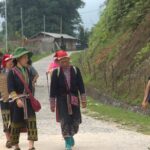
After the viewpoint, the route continues downhill toward Ham Da, a Black Hmong village. This part is less about dramatic angles and more about people and everyday life. The tour gives you a chance to see farm animals and to hear explanations about how Hmong households live and work.
The cultural focus is the heart of this experience. You’ll learn about:
- Hmong marriage traditions
- farming methods
- house-building techniques
You’re not just getting a quick photo stop. The value is that your guide can connect what you saw on the hillside—terraces, fields, and valley farming—to how people maintain their livelihoods back in the village.
It’s also one reason this tour works well if you’re short on time. In many places, you’d need a full day just to reach a village. Here, the day is structured so you get scenery and then immediate cultural context.
Lunch on a time-tight trek (vegetarian included)
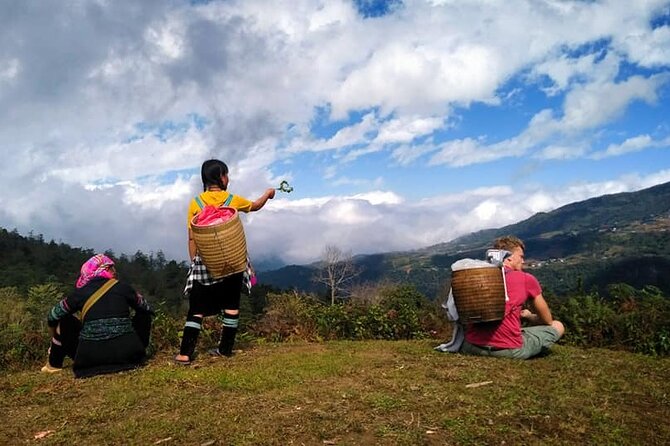
Lunch is included, and it’s served at a restaurant. Vegetarian options are provided, which is helpful if you don’t want to improvise in a mountain town. You’ll also get a small bottle of water as part of the package.
One small caution: drinks aren’t included at the restaurant (and they’re also not included at any homestay-style setting). If you’re the type who always wants tea, juice, or bottled water, plan to buy those separately. And if you’re sensitive to caffeine or sugar, keep an eye on what’s available where you eat.
Because lunch is already solved for you, you can focus on the hike and village learning instead of carrying snacks. That said, your comfort still improves if you bring a little extra water or a light layer, especially if you run cool on the morning climb.
Hau Thao and Giang Ta Chai: more village texture in one loop
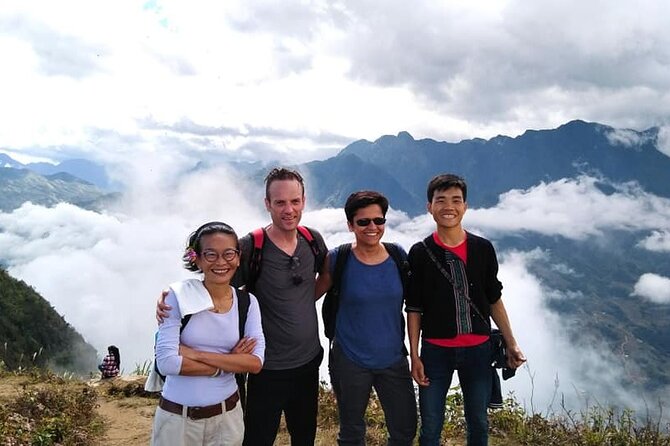
Along the day, you’ll also pass through or visit additional stops such as Hau Thao and Giang Ta Chai before returning to Sapa. The exact focus at each stop isn’t spelled out in detail here, but the value comes from moving through the area rather than treating it as a single viewpoint-and-back route.
Think of these extra stops as “texture.” They help you understand that this isn’t just one village you can name. It’s a network of communities shaped by the same valley system and the same mountain terrain.
If you like seeing how small places connect—how people route their lives around slopes, valleys, and farmland—this extra movement matters. And since your tour is private, you’re not rushed past the places you pause at.
Price and what makes the $45 value feel fair
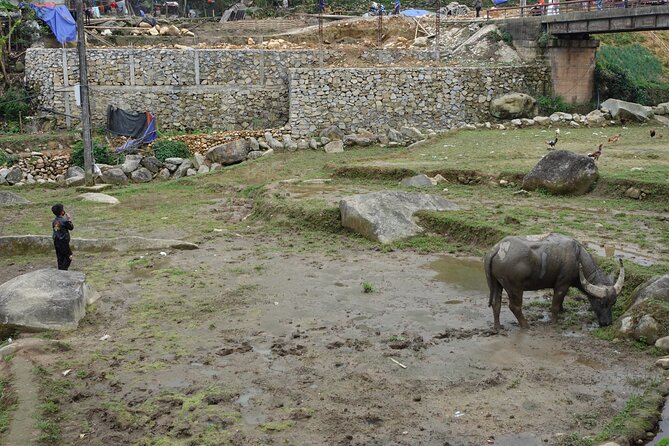
At $45 per person for a private day around Sapa, the biggest value is what’s bundled in. You’re getting:
- lunch (vegetarian options included)
- transport back to Sapa
- village entry fees
- a local guide
- one small bottle of water
For a one-day plan, those inclusions reduce friction. You’re not tallying separate entry costs, and you’re not worrying about lunch logistics while hiking.
The items not included are straightforward: personal travel insurance, extra drinks (like bottled water or beer), and tips. If you budget a bit for drinks, you won’t end the day feeling surprised by add-ons.
Also consider the “max 2 travelers” setup. If you’re traveling solo, it can still be a good deal for a guided cultural hike because you’re paying for a guided day with a small-group feel. If you’re with a partner or friend, it becomes even more cost-efficient.
Guide quality: why speaking English matters on a cultural day
One of the smartest parts of this tour is the emphasis on a local guide who can explain what you’re seeing. In real terms, that’s the difference between watching a village and understanding village life.
In the experience notes from the local team, Zhu is specifically mentioned as speaking English well and being sympathetic. That kind of guide presence matters because the tour covers more than geography. You’re learning about traditions—marriage practices, farming, house-building—and clear translation helps those details land correctly.
The provider itself is described as a small group of local Hmong people in Sapa. That often means you’re not only hearing facts—you’re getting the “why” from someone who lives in the same region you’re visiting.
Hiking pace, shoes, and the weather reality
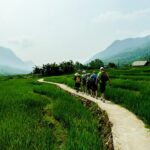
This tour is listed as requiring moderate physical fitness. That matches what you’ll feel: a short but meaningful uphill climb (about 1km) followed by downhill walking. You’ll likely be fine if you can handle a steady hillside path, but it’s not designed for a totally sedentary day.
Also remember the weather rule. The experience requires good weather, and if it’s canceled due to poor conditions, you’ll be offered another date or a full refund. In other words, your mountain-view payoff depends on the sky cooperating.
Practical planning tips based on how this day is structured:
- Wear shoes you trust on uneven trails
- Bring a light layer for the morning and a way to stay dry if it drizzles
- Plan to take your time at viewpoint stops rather than rushing through them
If you’re someone who gets cold easily, don’t assume you’ll warm up fast just because you’re hiking. Morning hillside shade can stay cool longer than you expect.
Who should book this Sapa trek (and who should skip it)
You’ll likely love this if you want:
- a short, guided day that still includes real village culture
- big views without committing to a multi-day trek
- a private feel with a local guide explaining traditions in context
- lunch handled for you, especially with vegetarian options
You might want to skip or rethink if:
- you have limited mobility and can’t manage a hillside uphill/downhill route
- you need predictable weather certainty for photos and views (because the scenery depends on visibility)
This is also a great choice if you’re building a Sapa itinerary around train or bus schedules. A 5.5-hour day can slot in without derailing your bigger travel plan.
Should you book Mountain views and villages trek?
Yes, if your priority is a balanced day: scenery first, then culture. The combination of a viewpoint over Fansipan and the terraced setting of Muong Hoa Valley gives you a strong sense of place fast. Then Ham Da adds the human side—learning about Hmong marriage, farming, and house-building in Ham Da.
I’d book it particularly if you value guidance and explanation. A private guide makes the cultural portion easier to process, and English help like Zhu’s can turn a quick visit into an actually meaningful one.
Before you hit confirm, check your comfort with moderate hiking and remember the weather dependence. If you’re okay walking uphill on local paths and you’re flexible on timing, this is a smart, efficient way to see more of Sapa without over-scheduling.
FAQ
FAQ
Where is the meeting point for the tour?
The tour meets at Sapa Church on P. Hàm Rồng, TT. Sa Pa, Sa Pa, Lào Cai 333100, Vietnam. Pickup is also offered from your hotel or in front of the main church.
What time does the tour start?
The start time is 9:00am.
How long is the trek?
It runs for about 5 hours 30 minutes.
Is this tour private?
Yes. It’s listed as a private tour with a maximum of 2 travelers.
How much hiking is involved?
You hike about 1km uphill on a small trail to reach a viewpoint. The overall fitness requirement is described as moderate.
What sights do you see at the viewpoint?
From the viewpoint you can see Fansipan mountain at 3,143m, Sapa town, the rice terrace fields in Muong Hoa Valley, and the biggest river and valley in Sapa.
Which village do you visit to learn about culture?
You visit Ham Da, a village of the Black Hmong minority.
What do you learn in Ham Da?
You learn about Hmong marriage traditions, farming methods, and house-building techniques. You may also see farm animals.
Is lunch included, and is it vegetarian?
Yes. Lunch is included, and vegetarian foods are provided. Drinks are not included.
Do I get any water on the tour?
Yes, you receive 1 small bottle of water.
What happens if the weather is bad?
The tour requires good weather. If it’s canceled due to poor weather, you’ll be offered a different date or a full refund.