REVIEW · SAPA
2 days authentic trekking tour in Sapa ( Homestay – Less touristy )
Book on Viator →Operated by Sapa Original Trek · Bookable on Viator
Misty Sapa makes a trek feel personal. This 2-day hike pairs rice-terrace walking with visits to Hmong and Dzao villages, then sends you to sleep in a traditional wooden house with a local community.
Two things I really like: you get meaningful village time (not a quick photo stop), and your guide helps you find paths you’d never spot on your own. You’ll also get meals, workshops, and plenty of explanation along the way.
One drawback to plan for: it’s not a flat, gentle stroll. The route can be steep in places, and the total walking time adds up, especially in warm weather.
Key highlights you’ll feel on the ground
- Ta Phin downhill trekking through pine forest dirt trails and big terrace views
- Hmong and Dzao village visits plus meals and local workshops
- Traditional wooden homestay with a real community feel
- A second-day hike starting after breakfast from Ngũ Chỉ Sơn toward Suoi Thau
- Pace options (medium or heavy) so you can match the hike to your comfort
In This Review
- Why this Sapa trekking + homestay tour feels less tour-bus and more real
- Day 1 route: Ta Phin village trails and that pine-forest downhill feeling
- The first night in a traditional wooden homestay (what to expect)
- Day 2: Ngũ Chỉ Sơn mornings, Suoi Thau village routes, and the final climb
- What’s included for $89—and why this pricing can be fair in Sapa
- How steep is it really: choosing medium or heavy, plus knee-saving tips
- Small logistics that make the trek smoother than you’d expect
- Who should book this Sapa trek (and who might want a lighter option)
- Should you book Sapa Original Trek?
- FAQ
- What does the tour cost, and how long is it?
- What does the price include?
- Is this tour private or shared?
- How challenging is the trekking?
- What is the homestay like?
- What’s the cancellation policy?
Why this Sapa trekking + homestay tour feels less tour-bus and more real
Sapa has a lot of tours that stay on the easiest paths. This one is built around quieter village routes and the kind of walking that makes you slow down. You’re not just passing through the highlands—you’re moving with a guide who understands the area and can explain what you’re seeing in plain terms.
The homestay is a big part of why this works. You sleep in a traditional wooden house inside a local community, and you’re included in the everyday rhythm of the village (meals, shared time, and a sense of how people actually live up here). The reviews also line up on this: homestays can be rustic without being miserable. If you can handle basic, you’ll likely love it.
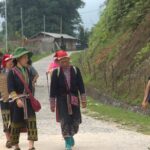
You also get time with Hmong and Dzao ethnic communities, including meals and workshops. That combination matters. A village visit that’s only sightseeing can feel like a show. Here, the tour format gives you more human contact and more context.
Day 1 route: Ta Phin village trails and that pine-forest downhill feeling
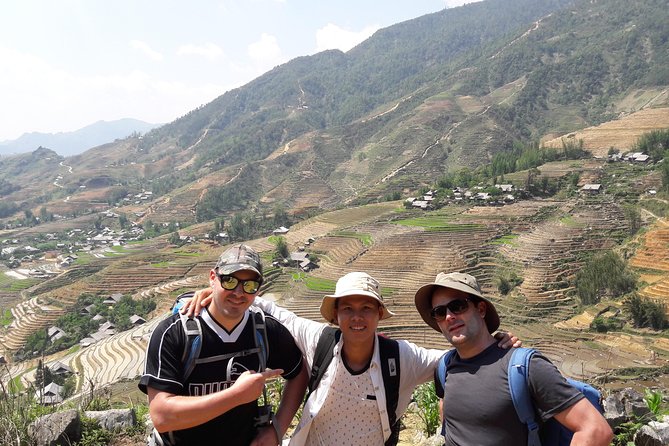
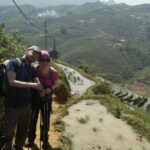
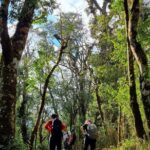
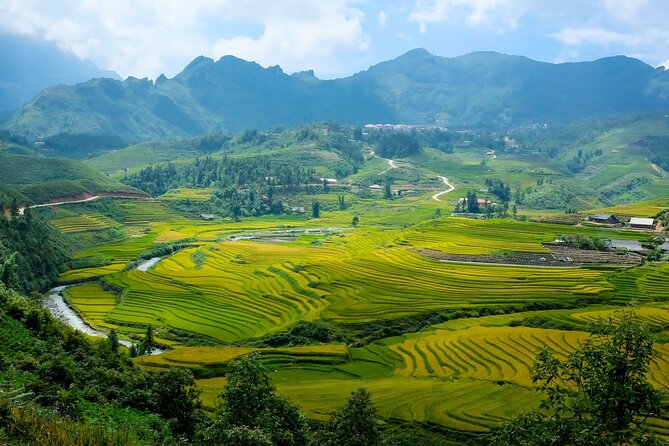
You start around 9:00 am, with pickup available, and you begin walking downhill toward Ta Phin Village. The first stretch follows a dirt trail through a pine forest. It’s the kind of start that changes your pace quickly—cooler air from the trees, uneven ground underfoot, and then sudden openings with views over rice paddy terraces and cornfields.
This day is about 5 hours of walking, so it’s not a quick loop. The trail is described as going through mountainous terrain, and your route drops enough that your legs feel it on the downhill parts. The upside: downhill walking often gives you frequent sightlines, especially when the weather clears.
What makes Ta Phin special is the mix: forest, dirt paths, farmland views, and village life all in one day. If you like seeing how agriculture shapes daily life, this is a good fit.
Practical note: downhill can be tougher than it looks, because your knees work overtime. Good shoes help a lot here.
The first night in a traditional wooden homestay (what to expect)
After Day 1, the tour shifts from “walking day” to “village evening.” You stay overnight in a traditional wooden house in a local community. Based on guide-led descriptions and the way the experience gets rated, the homestay is rustic but managed—meaning you’re not left wondering what’s next.
Meals are included: dinner is part of the package. There’s also breakfast the next morning, so you don’t have to hunt for food right after the hike. Water is included too, listed as 1.5 liters per day, which is important for this kind of trek where hydration is easy to underestimate.
One review highlights how a host helped smooth arrival the prior night, and another credits guide coordination for taking care of the details through the trek (names shared in those accounts include Mr. Tinh and a guide supporting the group named Maykeiun). Even if your exact experience varies by night and weather, the pattern is clear: you’re not dropped off and forgotten.
Also, the tour doesn’t include an herbal bath or soft drinks. If you want those extras, you’ll need to pay out of pocket.
Day 2: Ngũ Chỉ Sơn mornings, Suoi Thau village routes, and the final climb
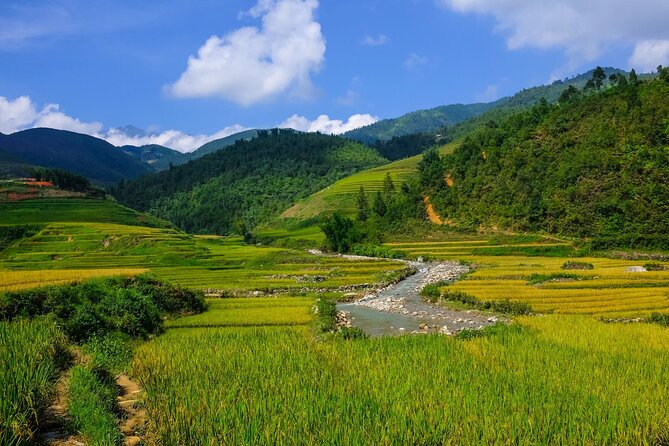
Day 2 starts with breakfast at the homestay, then you head toward Suoi Thau Village. The day includes stops along the way, including Ngũ Chỉ Sơn and passing through several minority villages.
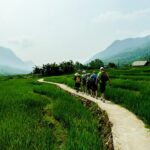
The walking day is around 4 hours, and the terrain changes as you go. You’ll spend time crossing rice paddy fields, then the route rises until you reach higher ground—described as arriving at the top of a mountain area. That final push is where you’ll feel the day’s effort most.
What I like about this structure is that it gives you a payoff moment. You’re not just walking to cover distance—you’re building toward a viewpoint. And because you’re traveling with a guide, you’ll have someone explaining what you’re seeing as the path climbs.
Weather can matter a lot in Sapa. One guide response described in the accounts is that the route got adjusted when fog rolled in. That’s a real practical advantage: fog isn’t rare, and having a guide who can pivot matters more than perfect itinerary wording.
What’s included for $89—and why this pricing can be fair in Sapa
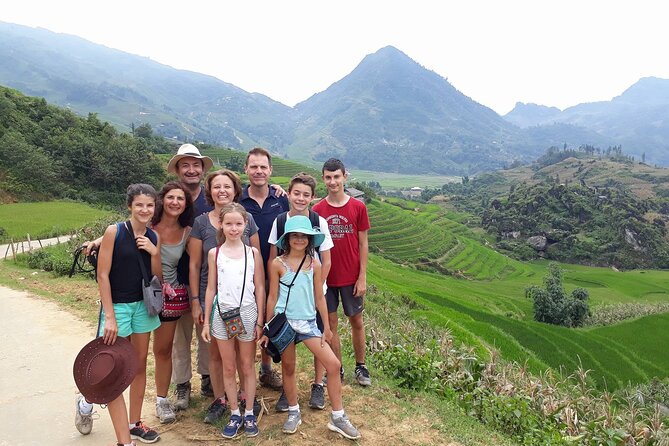
At $89 per person for about 2 days, the value depends on what you normally spend for Sapa trips. Many cheaper options cut corners on the guide work, village time, or homestay logistics. This one includes a lot that typically costs extra when booked separately.
Here’s what the package includes:
- English guide
- Homestay
- Meals: 2 lunches, 1 dinner, and 1 breakfast
- Water: 1.5 liters per day
- Entrance fees
- Transport (plus pickup offered)
- Group discounts are available, and you can book as a group
- Mobile ticket
Not included items are also clearly listed: tip, insurance, personal expenses, an herbal bath, and soft drinks.
Two pricing angles to think about:
- You’re paying for the guide’s route knowledge. Finding safe, sensible paths in the highlands isn’t trivial, and the tour is built to take you where you might not manage alone.
- Homestay logistics cost money. If a tour is purely a day hike and then sends you elsewhere to find dinner on your own, it’s usually cheaper. Here, food plus the overnight stay is part of the deal.
One more helpful detail: you’re given confirmation at booking, and the experience uses mobile tickets, which can reduce stress on arrival day.
How steep is it really: choosing medium or heavy, plus knee-saving tips
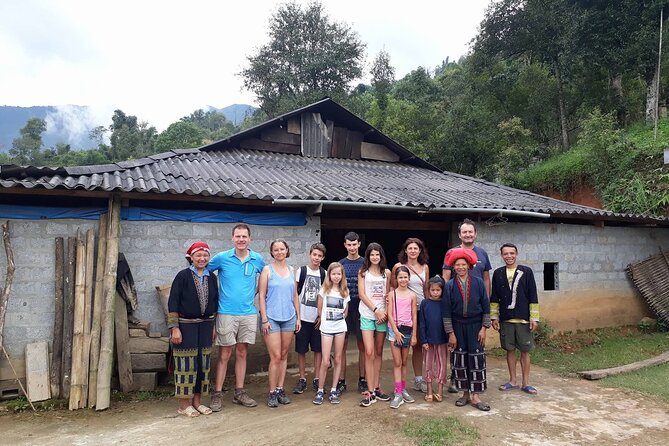
Even if you’re fit, plan for effort. Reviews line up that the trek is steep in many places and that it’s not a gentle walk, especially in hot weather. One account also frames it as about 9 hours of trekking over the 2 days, which matches the day-length structure (5 hours plus 4 hours).
The good news: you can choose your walking level, with options described as medium or heavy. That matters because steep routes can feel very different depending on your pace, your experience on uneven ground, and your comfort with endurance.
Here’s how I’d prepare practically:
- Wear proper trekking shoes with grip. Slips happen on dirt and stone.
- Bring a hat and sunscreen. High-country walking can still bake you.
- Use layers. Sapa can shift from cool to warm depending on cloud cover.
- Pack snacks only if you know you need them. Meals are included, but energy needs vary.
- Expect your legs to work on downhills. If you’ve got knee issues, consider asking for a medium pace.
If you’re looking for a calm, stroll-and-café trip, this is likely not it. If you like a real trek with stops that actually matter, you’ll probably have a great time.
Small logistics that make the trek smoother than you’d expect
A few details reduce hassle:
- The tour is a private tour/activity, meaning you’re with just your group.
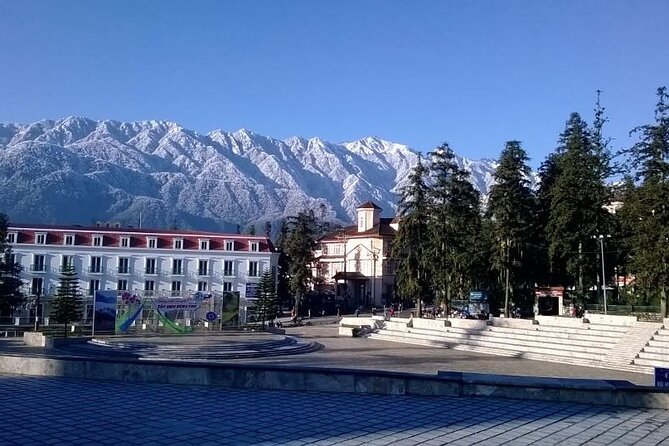
- It’s listed as near public transportation, so you’re not totally dependent on a car if you’re already in Sapa.
- The tour starts at 9:00 am and returns so it ends back at the meeting point.
- Pickup is offered, which helps if you don’t want to figure out local timing on day one.
There’s also a nice human factor: the guides focus on explaining local life. One named guide, Mai, gets strong praise for taking groups along paths the guests couldn’t find on their own and explaining the rice terraces, villages, and how people live around Sapa. Another account describes strong explanations about habits and local craftsmanship.
That interpretive layer is what makes the time in the villages feel useful, not just scenic.
Who should book this Sapa trek (and who might want a lighter option)
This tour is a strong match if you:
- Want Sapa beyond the main viewpoints
- Enjoy walking through working farmland and forests
- Like cultural context (village life, daily habits, workshops, craft explanations)
- Are okay with rustic homestay conditions as long as the basics are handled
You might want to skip or pick a lighter alternative if you:
- Hate steep downhills or get knee trouble easily
- Need fully flat terrain
- Want a very low-effort nature experience
“Most travelers can participate” is stated, but that doesn’t mean it’s effortless. It’s still a trek, and comfort depends on your fitness and your willingness to keep moving.
Should you book Sapa Original Trek?
If you want a 2-day Sapa trip that balances real walking with real village time, I think it’s a solid choice. At $89, the package makes sense because it includes the homestay, meals, guide, transport, and entrance fees—things that add up fast if you build your own trip.
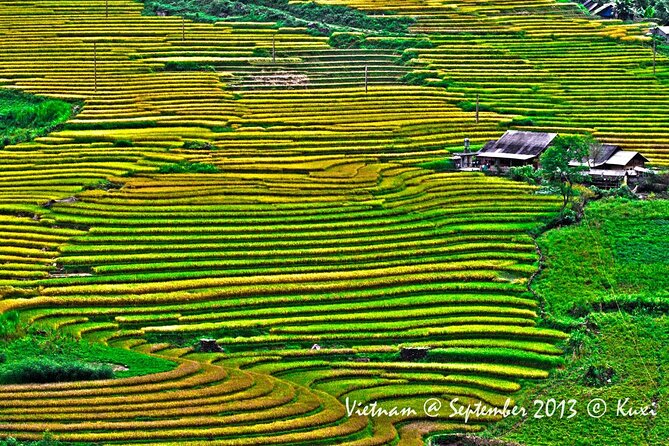
The main decision point is effort. If you can handle steep sections and you’re comfortable choosing a medium pace, you’ll likely find the experience rewarding: terraces, village visits with meals and workshops, and a night in a traditional wooden house with community care.
If you’re unsure, go medium. Save your heavy energy for the parts you’re excited about, not the parts that grind you down.
FAQ
What does the tour cost, and how long is it?
It costs $89.00 per person and runs for 2 days (approx.). The start time is 9:00 am.
What does the price include?
The tour includes a homestay, meals (including 2 lunches, 1 dinner, and 1 breakfast), 1.5 liter water per day, an English guide, entrance fees, and transport. Pickup is also offered.
Is this tour private or shared?
It’s listed as a private tour/activity, so only your group participates.
How challenging is the trekking?
It’s described as having steep sections in many places. The walking adds up to about 9 hours over the 2 days, and you can choose a walking level (medium or heavy).
What is the homestay like?
You sleep in a traditional wooden house in a local community. Reviews describe it as rustic but comfortable, and dinner and breakfast are included.
What’s the cancellation policy?
You can cancel for a full refund if you cancel up to 24 hours in advance. If you cancel less than 24 hours before the start time, the amount paid is not refunded.