REVIEW · POKHARA
Annapurna Base Camp Trek -8 days
Book on Viator →Operated by Trekking Planner Nepal · Bookable on Viator
One more stair day, and then you’re staring at Annapurna. This 8-day Annapurna Base Camp trek is designed for people who want big Himalayan scenery in less than a week, moving from warm farm country up into cooler alpine forests and finally into the Annapurna Sanctuary. I love how the route follows the Modi River corridor for changing scenery and steady progress toward Machhapuchhare Base Camp and the Base Camp plateau.
What really worked for me is the way this trip keeps things practical once you’re on the trail. You’re not just left to “figure it out” because you have an English-speaking guide, a first-aid kit, and an organized plan built around day-to-day trekking pacing.
The one consideration: Annapurna is still altitude and long hiking. Even on a “short” ABC route, you should expect cold weather at the sanctuary/Base Camp zone and long days on your feet, so pack smart and keep your pace realistic.
In This Review
- Key highlights you’ll care about
- Why this 8-day Annapurna Base Camp trek fits tight schedules
- Price and what’s actually included in the $899
- Pokhara start day: your 8:15 am reality check
- Ghandruk: warm farm villages, stone steps, and Machhapuchhare in your sightline
- Chhomrong: ridge climbs at Kimrong Danda and the big forest-to-valley feeling
- Dobhan to Bamboo to Dovan: rhododendron, bamboo groves, and river-gorge trekking
- Machhapuchhare Base Camp: the Modi River route narrows the world
- Annapurna Base Camp (4,130 m): lodge comfort, the sanctuary bowl, and the final push
- Down to Bamboo, then Jhinu Danda: forests again, then hot springs
- Final descent to Pokhara: calmer fields, last views, and Lake Phewa time
- Guides and porters: where this trip shines most
- Who this trek is best for (and who should reconsider)
- What to do for a smoother trek (practical advice)
- Should you book this Annapurna Base Camp trek?
- FAQ
- How long is the Annapurna Base Camp trek?
- Where does the trek start and end?
- What time does the trek start?
- Is pickup offered?
- What’s included in the price?
- Are meals and accommodation in Kathmandu included?
- What meals are covered during the trek?
- What’s the highest point on the trek?
- Can I cancel for a full refund?
Key highlights you’ll care about
- A short ABC route that delivers the Annapurna Sanctuary and Base Camp without the full long circuit commitment
- English-speaking guides and extra support, with many positive mentions of named guides like Binod and Anish Phuyal
- Lodge-based trekking, including a cozy lodge at Annapurna Base Camp so you’re not living rough on the highest day
- Gurung village culture at stops like Ghandruk and Chhomrong, with time to explore
- Hot springs at Jhinu Danda, a satisfying reward after the longer downhill days
- Safety and logistics included, like TIMS/national park fees, emergency evacuation service, and Pokhara–Nayapul transfers
Why this 8-day Annapurna Base Camp trek fits tight schedules
If you’re trying to do Nepal in a limited window, ABC is one of the best “Himalaya hits” for your time. This trek is built around getting you close to the Annapurna massif quickly: start in Pokhara, drive out to begin your first walking day, then climb through village trails, forests, and river gorges until you reach the Annapurna Sanctuary and Base Camp.
The other thing I like is that the route doesn’t feel like one long grind with zero variety. You get warm farm country first, then shifting vegetation as you rise—rhododendron, pine, and bamboo groves along the way. By the time you’re near Machhapuchhare Base Camp and the sanctuary, the trail also feels like it’s narrowing into a mountain-world of steep walls and sky.
You can also read our reviews of more tours and experiences in Pokhara.
Price and what’s actually included in the $899
At $899 per person, this trek is priced like a guided package rather than a DIY adventure. The value comes from what’s included up front: TIMS card and national park entrance fees, an English-speaking guide, a first-aid kit box, and emergency evacuation service arrangement.
Meals are also built into the plan. The included list specifies breakfast (8), lunch (8), and dinner (7)—so you’re not constantly hunting for food choices at higher elevations. You also get practical “gear-lite” items such as a trekking planner’s T-shirt, cap, and duffle bag, plus city and trekking route maps.
You’ll still want to budget for things that aren’t covered: personal expenses like battery recharge, laundry, phone calls, drinks, and boiled water. And just as important—Kathmandu and Pokhara accommodation and meals are not included. In other words, you pay for the trekking portion, not the whole Nepal stay.
Pokhara start day: your 8:15 am reality check
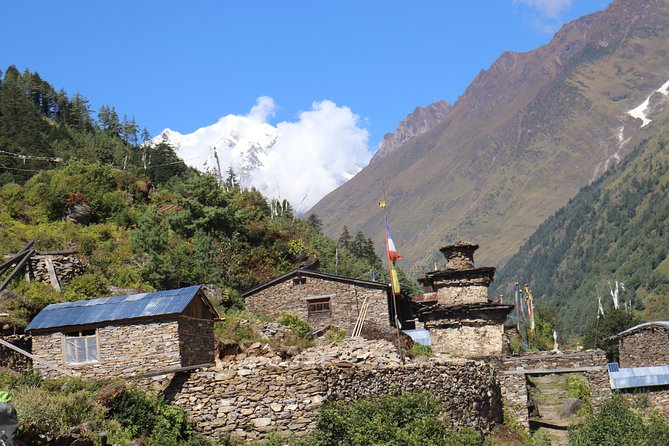
This trip starts in Pokhara with a start time of 8:15 am. Pickup is offered, and you’ll get a transfer that moves you from Pokhara to the trail start area and back later (the included logistics cover Pokhara to Nayapul to Pokhara by private vehicle).
Why this matters: on a trek like ABC, the first day sets the tone. A clear start time and a planned driver reduce the usual Nepal stress—where are we meeting, what car is ours, and why is it suddenly pouring rain. You also get a mobile ticket, so the paperwork side stays simple.
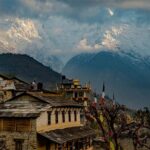
Ghandruk: warm farm villages, stone steps, and Machhapuchhare in your sightline
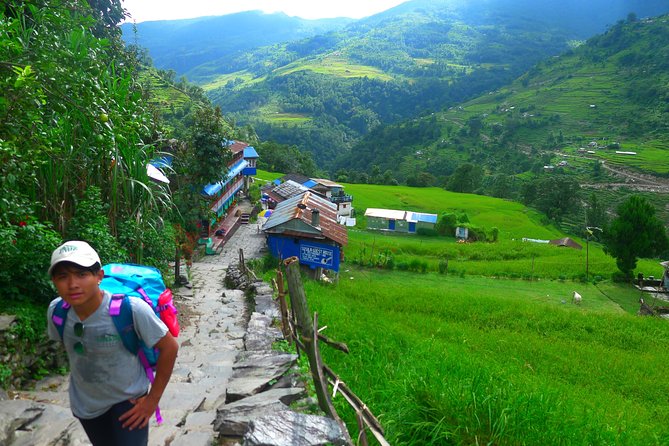
Your first real trekking day is about warming up—while keeping Annapurna views in your peripheral vision. You begin with a drive out of Pokhara and then walk through farm villages and towns, aiming for Bhirethati and eventually Gurung village Ghandruk.
What makes Ghandruk special is that it’s both scenic and cultural. This is a Gurung village with a strong trekking connection in the Annapurna region, so you’ll feel the rhythm of villagers who host hikers and know the trails. You also get time to explore the village area itself at night, not just sleep and move on.
The main drawback here is also the “normal” trek-day issue: you’re going from lower, warmer terrain to uphill walking with stone steps. If you’re new to trekking, take it easy early. Don’t chase distance. Chasing speed on day one is how you end up hobbling by day three.
Chhomrong: ridge climbs at Kimrong Danda and the big forest-to-valley feeling
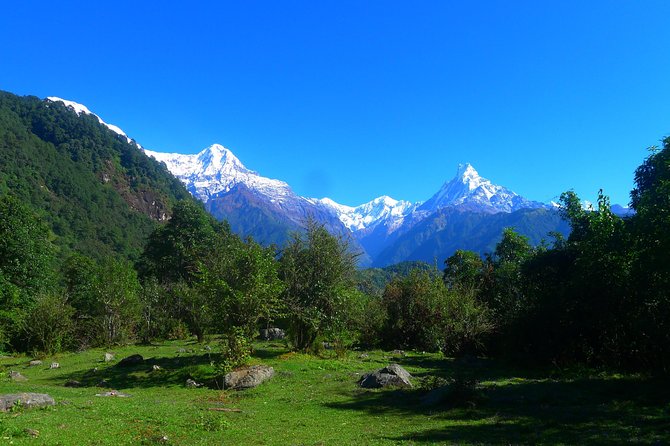
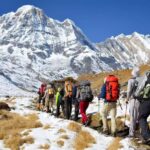
From Ghandruk, the route climbs from the village top and then transitions into a more structured effort as you move toward Kimrong Danda (ridge). Along the ridge you’ll find tea-house and lodge stops, which is useful because it breaks the day into manageable segments.
From there, the trail drops into the Kimrong River valley and then starts another climb to reach higher ground. After that, you follow winding paths with fine stone work above Chomrong and then descend a bit to your overnight village.
Chomrong is a “classic ABC mood” stop: large village, Gurung feel like Ghandruk, and a sense that the trail is now more seriously mountain-focused. If you like a mix of steady climbing plus moments of calmer forest walking, this is one of the best days to enjoy the rhythm.
One consideration: day lengths are listed around 10–12 hours across the trek. You’ll feel it, especially if you sleep lightly. Hydrate and plan to keep the “effort” consistent rather than spiking it.
Dobhan to Bamboo to Dovan: rhododendron, bamboo groves, and river-gorge trekking
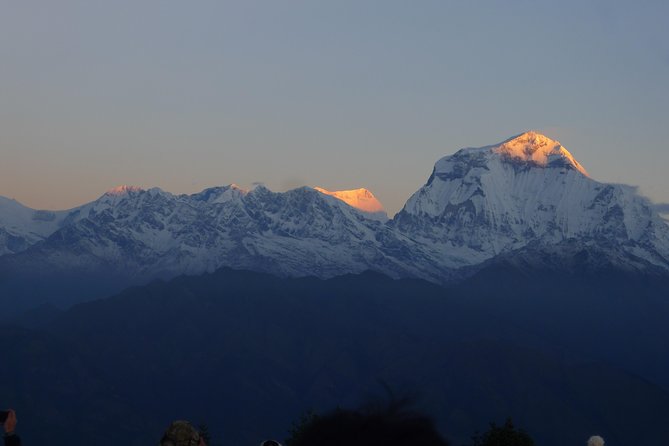
This section is about scenery texture. After Chomrong, you cross the Chomrong River by bridge, climb to Sinuwa danda (ridge), and then move into deeper forest trails. The walk includes a dense woodland section with bamboo groves, reaching Bamboo—a small settlement with lodges for trekkers.
After Bamboo, you continue gradually with easy ups through woods, then push down to Dovan for the overnight. Dovan is described as remote and isolated, with just a few lodges and a sense that you’re far from towns—yet you still have shelter and food options.
Why I like this part: you get away from constant village infrastructure and into the “real” mountain ecology feeling—rhododendron, pine, bamboo, and gorge walls. It’s also a useful psychological shift. By day three or four, you stop thinking about the summit as an abstract idea and start thinking in terms of daily terrain.
The practical caution: these forested stretches can feel slippery or tiring depending on weather. Wear shoes you trust and keep your steps deliberate.
Machhapuchhare Base Camp: the Modi River route narrows the world
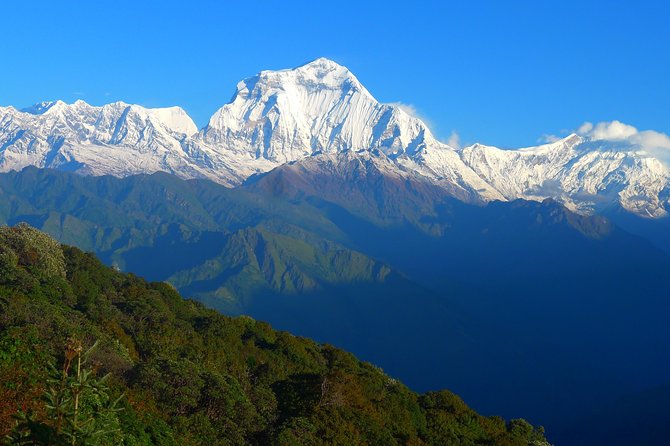
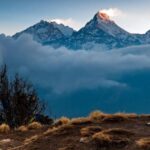
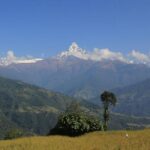
As you move closer to the highlight, you’ll notice the trail keeps feeding you mountain context. The walk passes a lonely landmark called Himalaya Hotel, near Hinko cave, which is directly beneath Annapurna South and Huyn Chuli peaks. Even if you don’t catch the perfect view every time, knowing you’re walking under major peaks adds meaning to the effort.
You then head downhill near the Modi River, with a short climb to Deurali, where tall tree lines transition into alpine bushes. From there, you continue uphill along the Modi River corridor until Machhapuchhare Base Camp—positioned beneath the north face of Machhapuchhare (Fish Tail).
This stop is one of those ABC days where your body is working, but your eyes are rewarded. The ridge-and-river setup makes the walking feel “directed”—like you’re steadily funneling into the sanctuary region.
A drawback to consider: cold can start to become more noticeable as you rise, and the walking days near the high zone can feel longer. Use breaks for warmth and breathing, not just photo stops.
Annapurna Base Camp (4,130 m): lodge comfort, the sanctuary bowl, and the final push
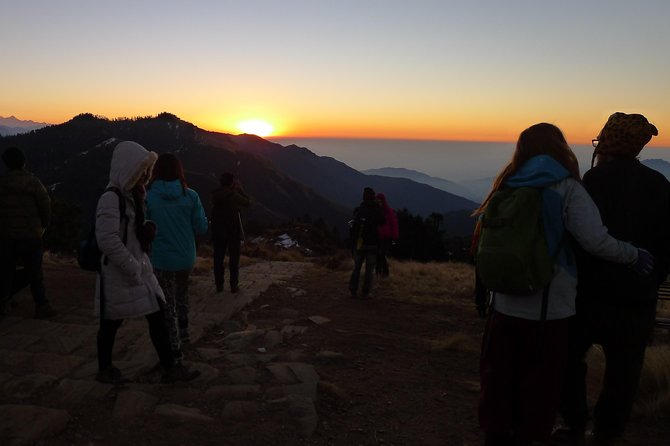
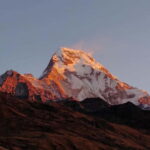
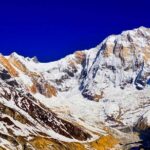
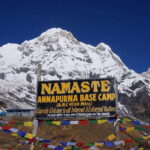
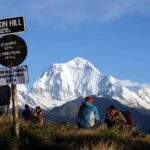
The big day is the short morning walk to Annapurna Base Camp. The trail leads into the Annapurna Sanctuary area and finishes at a plateau above 4,130 m beneath Mt. Annapurna and other peaks like Vara-Shikar and Gangapurna, along with Annapurna South.
A key advantage here is lodging. The trip description highlights a cozy lodge at Annapurna Base Camp with food and rooms that can face amazing views. That matters more than you’d think. At altitude, a warm meal, a bed, and a place that’s at least somewhat sheltered makes your “highest day” feel survivable instead of miserable.
The trade-off: altitude makes even simple tasks feel slow. Don’t measure your success by speed. Success is arriving, eating, and resting.
If you’re choosing this trek because you want the Base Camp experience without extra complexity, this is the heart of the package.
Down to Bamboo, then Jhinu Danda: forests again, then hot springs
After Base Camp, you don’t rush back to town. Instead, you spend a day walking back down and it’s still scenic. You head downhill with short ups and reach Bamboo, returning through tall tree lines and lush vegetation. This day also functions as a recovery day in disguise—still long, but a change of air, light, and effort level.
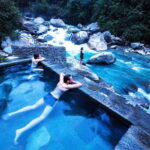
Then comes one of the best rewards on the whole route: Jhinu Danda. You return toward Chomrong, then leave the main direction to reach Jhinu, a hill village with grand scenery over rolling hills and mountains. Jhinu has natural hot springs, described as only about a half-hour downhill, with two warm pools close to the Modi River.
This is the kind of end-of-trek moment that makes sore legs feel like they belong to someone else. It’s also a good place to slow down mentally. You’ve done the hard part. Now you’re winding down.
One practical tip: don’t treat hot springs as a “free spa day.” You’ll still hike the next morning, and water + cold nights can make you feel off if you stay in too long. Short, warm, and sensible.
Final descent to Pokhara: calmer fields, last views, and Lake Phewa time
Your last trekking day brings you back through lower and warmer farm and paddy fields. After the morning walk, you’ll transfer to Pokhara for an overnight stay by Lake Phewa.
This part matters because it’s your mental decompression. After days of ridge lines and prayer-flag wind, it feels good to be near water, flat streets, and restaurants that don’t require counting steps to go from dish to seat.
Also note the trip includes Pokhara to Nayapul and back by private vehicle, so you’re not stuck arranging transport with sore calves.
Guides and porters: where this trip shines most
The strongest signal across the feedback is simple: people remember the guides. Named examples include Binod, Anish Phuyal, Dibash, Kiran, Achyut Mishra, and Soma Jangbu Sherpa. The pattern is consistent—guides are described as careful, responsive, and tuned to the pace of the group.
For me, that’s a big deal on ABC. This trek has enough altitude challenge and enough hours on narrow trails that you want someone who can manage pace and expectations. Several mentions also highlight kindness with slower hikers, plus strong coordination with porters.
If you’re the kind of traveler who likes to feel safe without being babysat, this team style is a good match. The porters matter too. You’ll see compliments for how porters help with day-to-day logistics and carry your load so you can focus on walking.
One small fun note from feedback: at least one guide, Binod, brought playful energy with card games and humor to keep morale up on harder moments. Not every guide does that, but it’s a reminder that attitude helps.
Who this trek is best for (and who should reconsider)
This Annapurna Base Camp short trek fits you if:
- you want a true Base Camp destination in about 8 days
- you can handle long hiking days around 10–12 hours
- you want guided support, English-speaking explanation, and organized logistics
- you appreciate Gurung village culture and forest trekking with river scenery
It may not fit you if:
- you’re not comfortable hiking for many hours daily
- you’re sensitive to altitude and cold at higher elevations
- you prefer fully flexible DIY-style travel without set stages
The trip itself is listed for moderate physical fitness, and that tracks with the design. You don’t need to be an ultramarathon person. You do need steady stamina and good day-to-day pacing.
What to do for a smoother trek (practical advice)
I’d treat ABC like a walking event with altitude attached, not like a sightseeing stroll. That means:
- Slow your first days: your climbs to places like Ghandruk and Chomrong should feel steady, not heroic.
- Use breaks intentionally: short breaks for water, warmth, and breathing keep you on schedule.
- Hydrate even when you don’t feel thirsty. Higher elevations play games with your body.
- Plan for cold at the sanctuary/Base Camp zone, because the route description explicitly moves from warm farm country into cooler alpine zones.
- Pack for clean, warm downtime: since you’ll sleep in lodges (including at Base Camp), bring layers you can actually live in, not just photograph.
Also, remember the included meals and lodge setup are part of the deal. If you skip breakfast or skip the meals because you’re chasing photos, you’ll pay for it on the trail.
Should you book this Annapurna Base Camp trek?
I’d book it if you want a guided, structured ABC experience that gets you to Annapurna Base Camp above 4,130 m in about a week, with lodge comfort and thoughtful support. The included TIMS/national park fees, guide, meal coverage, and emergency evacuation arrangement make it a lower-stress way to do ABC compared to piecing everything together yourself.
I’d think twice if you’re looking for a short trek that feels easy. This route still has long days, uphill sections, and real altitude discomfort risk. If that’s okay with you—and if you’re happy walking through villages, forests, and gorges for eight straight days—this is a strong value way to experience the Annapurna Sanctuary.
One more decision helper: if guide quality matters to you, the feedback pattern here is loud and clear. Named guides like Binod, Anish Phuyal, and Kiran show up again and again for care and competence.
FAQ
How long is the Annapurna Base Camp trek?
It’s approximately 8 days.
Where does the trek start and end?
It starts in Pokhara, Nepal, and ends back at the same meeting point.
What time does the trek start?
The start time is 8:15 am.
Is pickup offered?
Yes. Pickup is offered.
What’s included in the price?
The package includes TIMS card and national park entrance fees, an English-speaking guide, first aid kit box, trekking planner’s T-shirt/cap/duffle bags and route maps, emergency evacuation service, private vehicle transfers (Pokhara to Nayapul to Pokhara), and meals (listed as breakfast 8, lunch 8, dinner 7).
Are meals and accommodation in Kathmandu included?
No. Kathmandu and Pokhara accommodation and meals are not included.
What meals are covered during the trek?
The included list specifies breakfast (8), lunch (8), and dinner (7).
What’s the highest point on the trek?
The trek reaches Annapurna Base Camp above 4,130 m.
Can I cancel for a full refund?
Yes. Free cancellation is available if you cancel at least 24 hours before the experience’s start time. If you cancel less than 24 hours before, the amount paid is not refunded.