REVIEW · POKHARA
Pokhara: 4-Day Private Trek Tour
Book on GetYourGuide →Operated by Nepal Mountain Club Pvt. Ltd. · Bookable on GetYourGuide
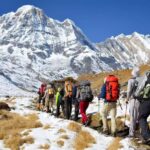
Your first sunrise is waiting at 4 a.m. This short private trek out of Pokhara is built around the Poon Hill Annapurna panorama, then it threads through classic village stops like Ghorepani, Tadapani, and Ghandruk. What I like most is the real village trekking time paired with guest-house nights that keep things practical.
I also like the private-group feel, because your guide can shape the pace and help you handle small problems fast. Guides like Krishna, Milan, and Gobinda are repeatedly praised for staying upbeat, giving solid trekking advice, and being ready with support when someone needs extra help. The main drawback to plan for is that this is still a hike with long walking days and steep descents, and it’s not suitable for pregnant women or people with heart problems.
In This Review
- Quick highlights
- Day 1 from Lakeside Pokhara to Ulleri: the easy start that sets the tone
- Day 2 through rhododendron hills to Ghorepani: where the hike turns scenic
- Day 3 Poon Hill sunrise at 3,210 m: why the 4 a.m. scramble is worth it
- Day 4 Ghandruk village time and the ride back to Pokhara
- Guides make the difference in a short trek: Krishna, Milan, Gobinda and support that feels personal
- Price and permits: what $243 really buys on this Pokhara-to-Pokhara loop
- What to pack for Poon Hill mornings and long descents
- Who should book this trek, and who should skip it
- Should you book the Pokhara 4-Day Private Trek Tour?
- FAQ
- What time is the pickup and meet-and-greet in Pokhara?
- Where does the trek start and end?
- What time do you go to Poon Hill for sunrise?
- Is this a private trek, and what languages can the guide speak?
- What does the $243 price include?
- Are meals included?
- What documents do you need to provide before the tour?
- What is the cancellation policy?
Quick highlights
- 4 a.m. start on Day 3 for the climb to Poon Hill (3,210 m) and sunrise over the Annapurnas
- Guest-house overnights on an easy-to-log route between Nayapul, Ulleri, Ghorepani, Tadapani, and Ghandruk
- Rhododendron forest trekking on Day 2, with Ghorepani as a key overnight base
- Ghandruk village time plus a stop at the Gurung Museum before returning toward Nayapul
- Private transportation: a 1.5-hour drive out on Day 1 and 1.5 hours back to Pokhara on Day 4
- Permits + TIMS included in the price, so you’re not doing paperwork mid-trip
Day 1 from Lakeside Pokhara to Ulleri: the easy start that sets the tone
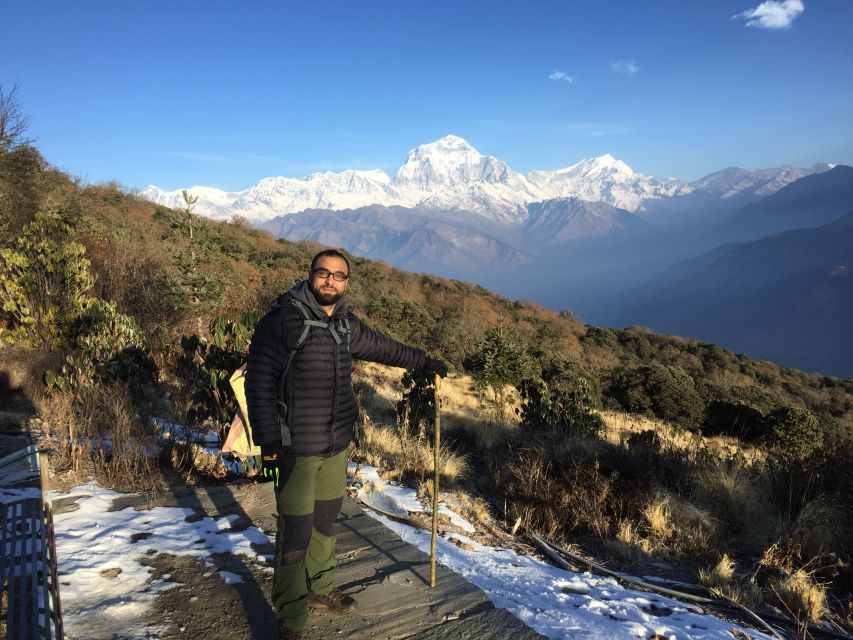
Day 1 begins with a meet-and-greet at 8:30 AM in the Lakeside area of Pokhara. You’ll ride about 1.5 hours to Nayapul, which is a nice way to begin without immediately stacking all the effort on day one. Once you start walking, the route takes you toward Ulleri with roughly 4.5 hours of trekking to reach your overnight guest house.
This first day is a “get your legs working” trek. It’s long enough to feel like you’re doing something meaningful, but it’s not the brutal kind of day where you’re cooked by lunch. You’ll be walking through that classic mid-hills rhythm: steep sections, short rests, and plenty of village life along the way—exactly the kind of warm-up that makes the sunrise day feel achievable later.
One practical note: your comfort depends a lot on your shoes and socks. A guide can adjust your pace, but your feet still have to hold up for hours on uneven paths.
You can also read our reviews of more tours and experiences in Pokhara.
Day 2 through rhododendron hills to Ghorepani: where the hike turns scenic
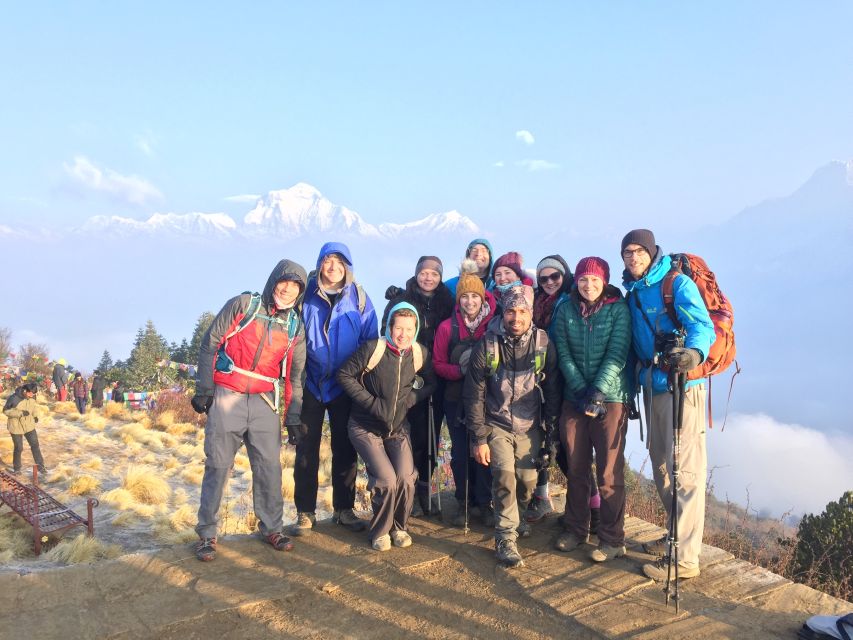
On Day 2, you start at 8:00 AM and head into dense rhododendron forest on the way to Ghorepani. The hiking time is around 5 hours before you reach the guest house where you’ll sleep again.
This is the day where the trek starts to feel more “Himalaya” and less “getting there.” Rhododendron trails tend to be cooler under the trees and shaded enough that you can keep moving without roasting. When you reach Ghorepani, you’re essentially setting up camp for the biggest payoff day—Poon Hill—so getting a good night’s rest matters.
Also, choose your pace like you mean it. Several guides on this route are praised for patience and safety, especially for first-timers. Still, even with a great guide, you’ll enjoy tomorrow more if you don’t arrive at Ghorepani already exhausted.
Day 3 Poon Hill sunrise at 3,210 m: why the 4 a.m. scramble is worth it
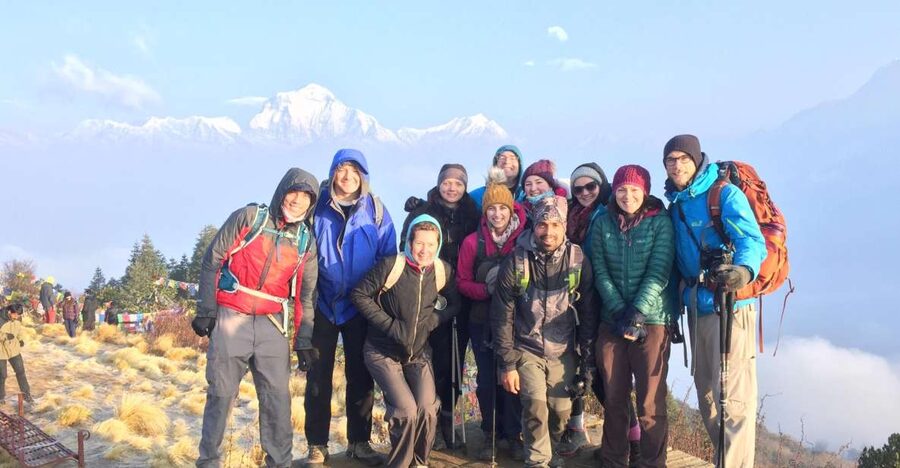
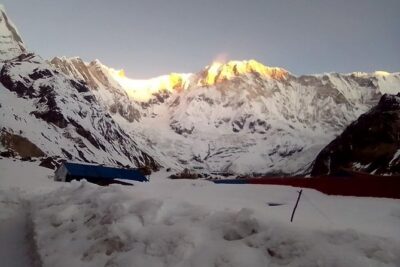
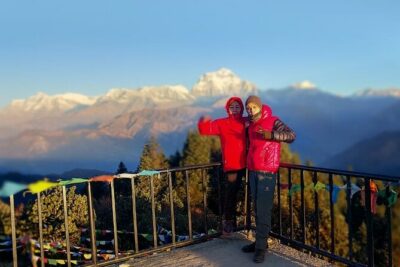
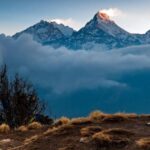
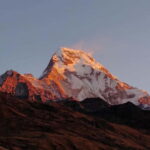
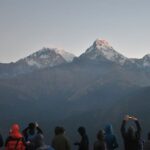
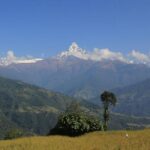
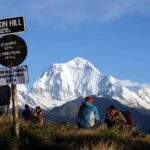
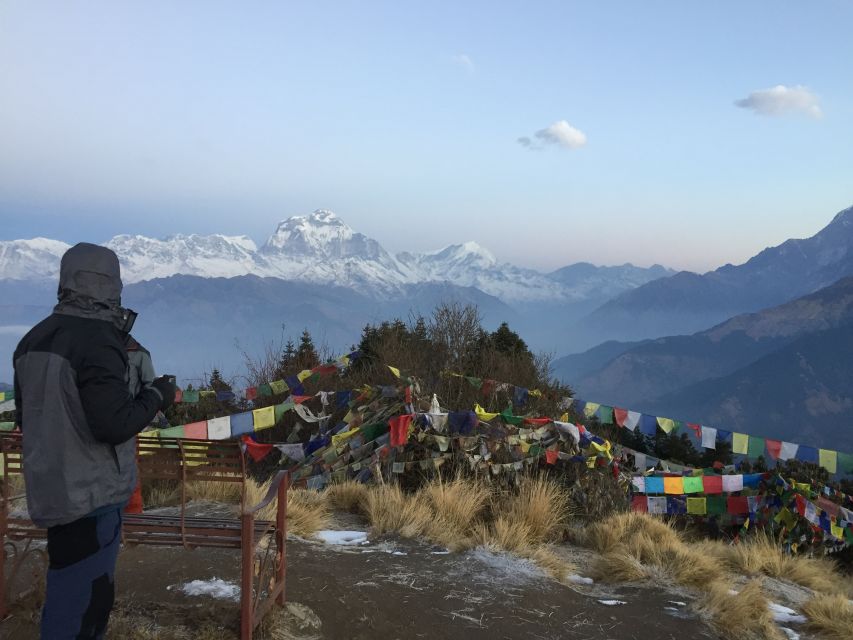
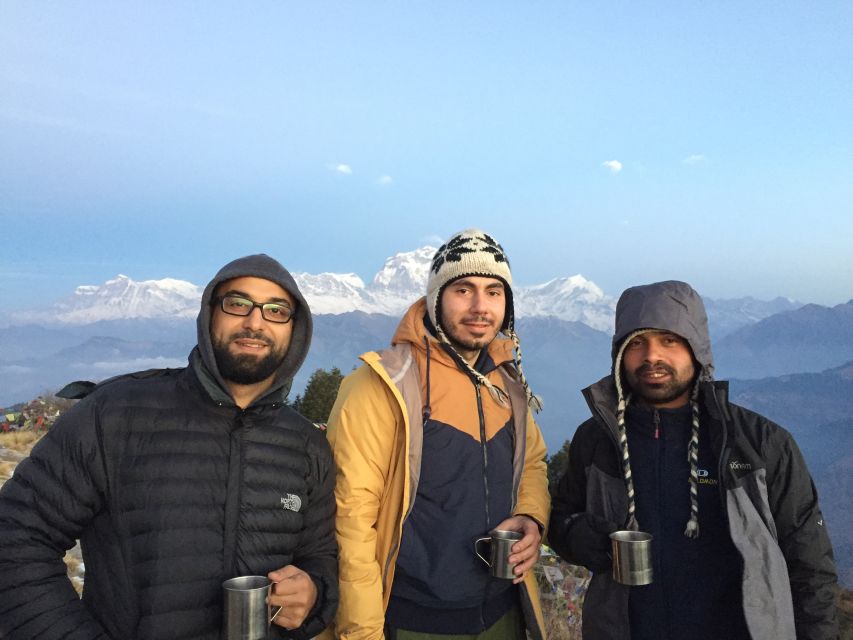
Day 3 is the one you came for. You’ll begin around 4:00 AM and walk about 45 minutes to reach the top of Poon Hill at 3,210 meters. Then you wait for sunrise—time enough to take photos, breathe the cold air, and soak in the Annapurna panorama.
That early start is not a technical climb, but it is a timing and cold-weather test. Bring something warm for the early hours because temperatures can drop fast before the sun shows up. If you get going without a headlamp, you’ll still manage, but it’s one of those items that turns a stressful walk into a smoother one—especially in the dark.
The rest of the day after the sunrise is also important: you continue hiking for about 5 hours to Tadapani for your overnight stay. In real terms, you’re switching from “watching views” mode to “steady walking” mode, which is why boots, poles (if you use them), and good pacing are so helpful here.
If you’re worried about steep descents, you’re not alone. People have specifically noted knee strain on the later days, so go easy on the downhills. A guide can help you adjust your speed, but you still have to control your footing.
Day 4 Ghandruk village time and the ride back to Pokhara
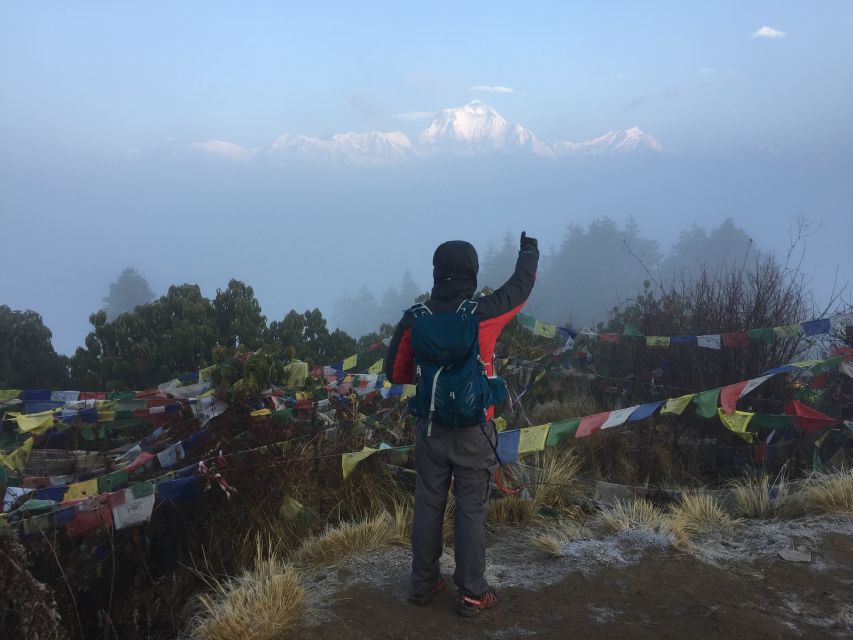
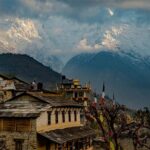
You start Day 4 at 8:00 AM and trek toward Ghandruk. This is your chance to slow down from viewpoint focus and spend time in a real village setting. You’ll explore the town and visit the Gurung Museum, which gives a bit of cultural context to the people and community you’ve been walking through.
After that, you continue trekking to Nayapul. Once you reach Nayapul, you’ll take a private car for about 1.5 hours back to Pokhara, where you’ll be dropped off at your hotel to end the tour.
This day is a good “wrap-up” because you get both culture and closure. The village portion makes the trek feel more than just scenery collecting, and the car ride is a relief after a few days of walking.
If your legs are a little heavy by Day 4, you’ll still be fine as long as you stick to a steady rhythm. The route is meant to be doable as a short trek, but it’s not a flat stroll.
Guides make the difference in a short trek: Krishna, Milan, Gobinda and support that feels personal
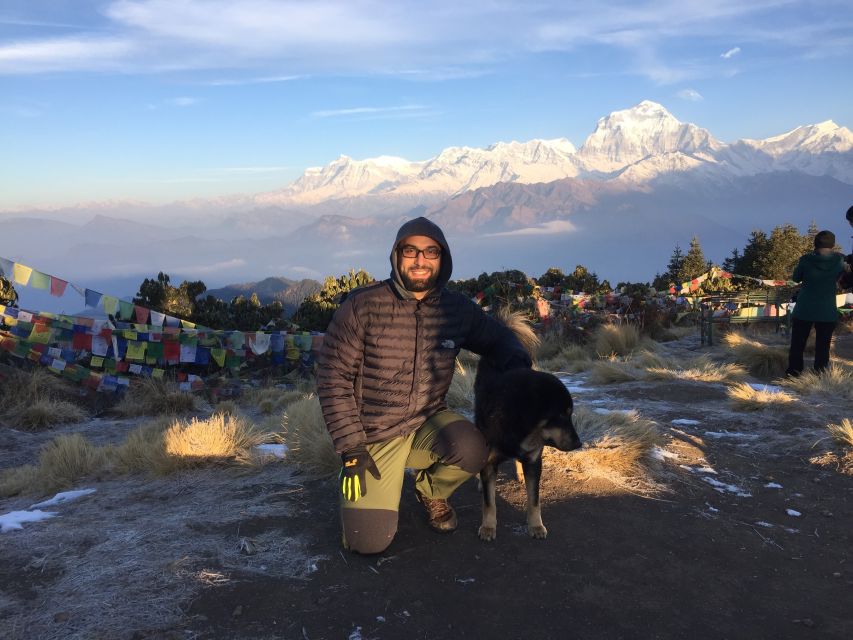
This is a private trek, so your guide isn’t just moving you along a map—they’re managing your day. That matters most on short itineraries, because you have less time to “lose” to problems like illness, bad weather, or fatigue.
The stories behind the guides on this route are consistent: patience, practical help, and a sense of humor that keeps energy up even when conditions change. Krishna, for example, is praised for support during a sickness episode—helping someone navigate medication and getting the right kind of assistance quickly. Milan is praised for being responsible and suggesting the best path for the group’s comfort. Gobinda is noted for helping solo travelers feel safe and for keeping a pace that matches the walker rather than bulldozing the schedule.
What you should take from this: if you choose this trek, you’re choosing guided comfort inside real hiking. You’re not on a rigid script, and the best guides pay attention to how you’re actually doing, not just how far you walked.
Price and permits: what $243 really buys on this Pokhara-to-Pokhara loop
At $243 per person, the value here isn’t just the walking—it’s the package. Your price includes:
- An English-speaking experienced trekking guide
- 3 nights of accommodation in guest houses
- Round-trip transportation
- Entrance fees and permits (including TIMS and permits)
- All taxes and service charges
Meals are not included, so you’ll need cash for lunches and dinners. That’s a small extra cost, but it’s also where you can choose what you feel like eating rather than being stuck with one set menu.
Here’s the real value logic: permits and guide coordination cost real money, and booking them yourself takes time and guesswork. By rolling them into the package, this trek is built to be simple. You show up, meet your guide, and start hiking with the rules handled.
The other important note: rescue costs are not included. That’s common for trekking, but you should still think about it before you go—especially if you’re the type who worries about medical risk. Keeping your expectations realistic is part of enjoying the trip.
What to pack for Poon Hill mornings and long descents
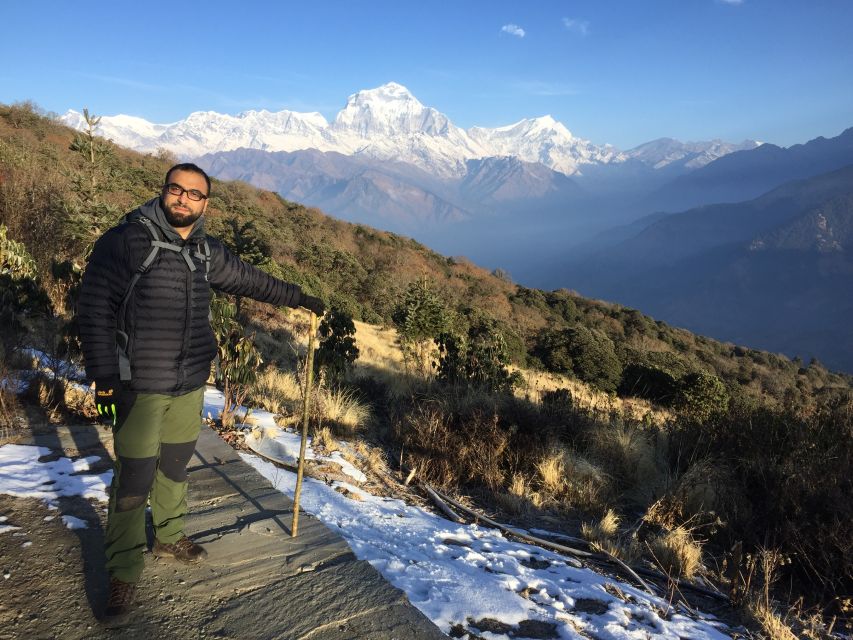
For this trek, the most important item is still boring: comfortable shoes. You’ll also want to wear socks that won’t give you blisters halfway through a steep day.
Your packing list should include:
- Shorts or long pants and extra t-shirts
- Sunscreen, sunglasses, and a hat
- Mosquito repellent
- A jacket for colder hours
- A light day bag
- Camera
- Personal hygiene essentials
- Toilet paper (it’s often available along the track, but bringing your own keeps you independent)
- Trekking shoes and socks
A few extra tips that come from real-world trekking on this route:
- Bring a headlamp for the early Poon Hill start.
- Consider hiking poles if you use them; they help on downhill sections.
- If you have knee issues, bring knee support (some people carry braces or strapping tape).
- If you’re going in colder seasons and there’s ice or heavy snowfall, you might need extra traction like crampons—ask your guide for what’s appropriate for current conditions.
- Some people recommend packing a towel and slippers for comfort at guest houses.
Also, plan for cold nights. Even with guest-house blankets, nights can feel chilly once you’re higher up and walking days end.
Who should book this trek, and who should skip it
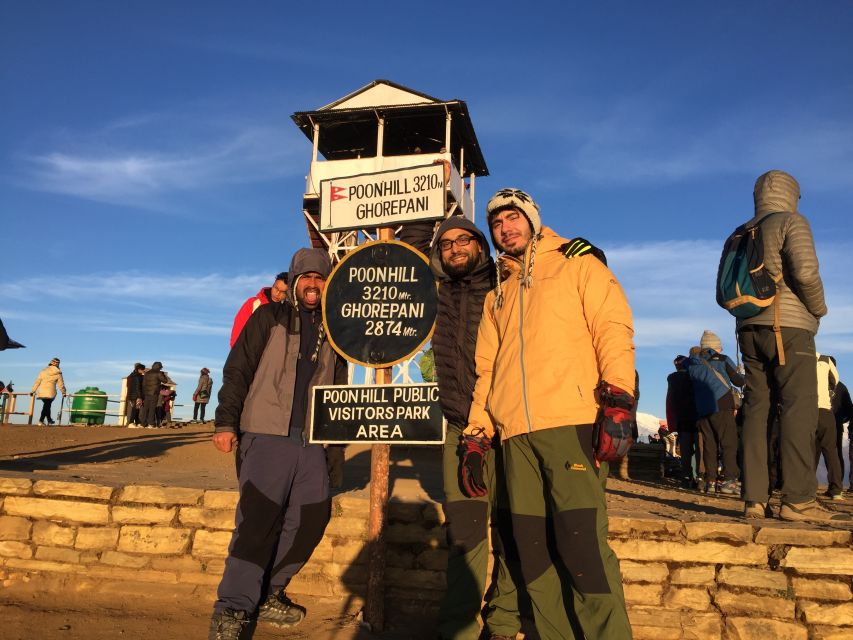
This is best for people who want a Himalayan experience without committing to a longer trek. You get the Annapurna views highlight at Poon Hill, plus a full sequence of villages: Nayapul, Ulleri, Ghorepani, Tadapani, and Ghandruk. The overnight guest houses keep the trip grounded, and the private format makes it easier for non-hardened hikers to manage pacing.
You should probably think twice if:
- You’re pregnant
- You have heart problems
- You know you struggle with steep downhill walking and you’re not prepared to manage it
If you’re a first-timer, this route can be a smart introduction because it’s short enough to stay focused. Still, treat it like a hike, not a sightseeing walk. Your body needs to handle several hours each day.
One more detail: you’ll need a scanned passport copy and a digital passport-sized photo before the tour. That’s not hard, but it’s the kind of thing you want done early.
Should you book the Pokhara 4-Day Private Trek Tour?
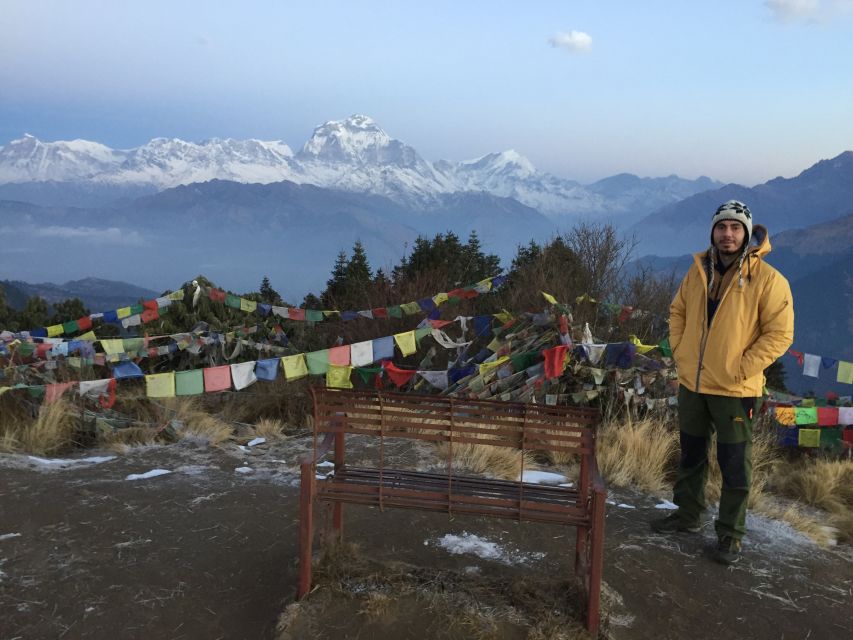
If you want a short trek that still delivers big Himalayan rewards, I’d book this. The early Poon Hill sunrise timing, the village route through places like Ghorepani and Ghandruk, and the fact that permits, guide, and guest-house nights are bundled together make it strong value for $243.
Before you say yes, make sure you’re comfortable with hiking days that include descents and with an early start at 4:00 AM. If that fits your fitness and health situation, this is a very solid way to experience the Annapurna region from Pokhara without taking on a long, high-commitment trek.
FAQ
What time is the pickup and meet-and-greet in Pokhara?
Day 1 starts at 8:30 AM. Your guide will meet you at your hotel or place of residence in the Lakeside area of Pokhara.
Where does the trek start and end?
The tour begins in Pokhara (Lakeside) and the trekking ends when you return by private car to Pokhara, where you’re dropped off at your hotel.
What time do you go to Poon Hill for sunrise?
You’ll start around 4:00 AM and walk about 45 minutes to reach Poon Hill at 3,210 meters for the sunrise.
Is this a private trek, and what languages can the guide speak?
Yes, it’s a private group tour. The guide is available in English, Hindi, and Nepali.
What does the $243 price include?
The price includes taxes and service charges, TIMS and permits, an English-speaking trekking guide, 3 nights of guest-house accommodation, and round-trip transportation.
Are meals included?
No. All meals are not included, and you can purchase them along the way.
What documents do you need to provide before the tour?
You need a scanned copy of your passport and a digital passport-sized photo prior to the tour for all participants.
What is the cancellation policy?
You can cancel up to 24 hours in advance for a full refund.