REVIEW · POKHARA
Private 7 – Day Annapurna Base Camp Trekking
Book on Viator →Operated by Nepal Alternative Treks & Expeditions Pvt. Ltd. · Bookable on Viator
Seven days into the Annapurnas feels like a sprint. This private trek is interesting because you get your group’s pace with a government-registered guide and porter team, plus the trip logistics (permits, tea houses, and meals) are handled end-to-end. You’ll also start with big mountain views from Chhomrong and work up to Annapurna Base Camp without feeling like you’re racing strangers. A possible drawback: the route still includes steep stone steps and serious altitude, so you’ll want solid fitness and a plan for travel insurance, since it’s not included.
I like that this package leans practical: ACAP permits are covered, and the trek includes oxygen-saturation monitoring, water purification support, and emergency rescue evacuation assistance. You’re paying for fewer unknowns—less scrambling for essentials once you’re in the Himalayas and more time to focus on moving safely and enjoying the villages and mountain scenery.
In This Review
- Key things that make this private ABC trek work
- Private Annapurna Base Camp Trek: What You’re Really Paying For
- Pokhara Lakeside to Chhomrong: Getting Into the Right Headspace on Day 1
- Chhomrong to Sinuwa and Bamboo: The “Steps + Bridge + Climb” Day 2
- Bamboo to Deurali Area: Passing Dovan and the Weeping Wall on Day 3
- Deurali to Annapurna Base Camp: The Modi River, Alpine Forests, and an Icy Cave (Day 4)
- Base Camp Day: 360-Degree Views and the Annapurna Moment (Day 5)
- Bamboo to Sinuwa and Jhinu Danda Hot Spring Country: Day 6’s Long Return
- Samrung to Pokhara by Private Jeep: Day 7 Views and a Soft Landing
- What Makes This Private Trek Feel Less Stressful (and More Enjoyable)
- Who Should Choose This 7-Day Private ABC Trek
- Should You Book This Private 7-Day Annapurna Base Camp Trek?
- FAQ
- FAQ
- Where does the trek start and end?
- What time does the experience start?
- Is the trek private?
- What’s included for meals and lodging?
- Are permits included?
- What about travel insurance and tips?
- Is oxygen and water support included?
Key things that make this private ABC trek work
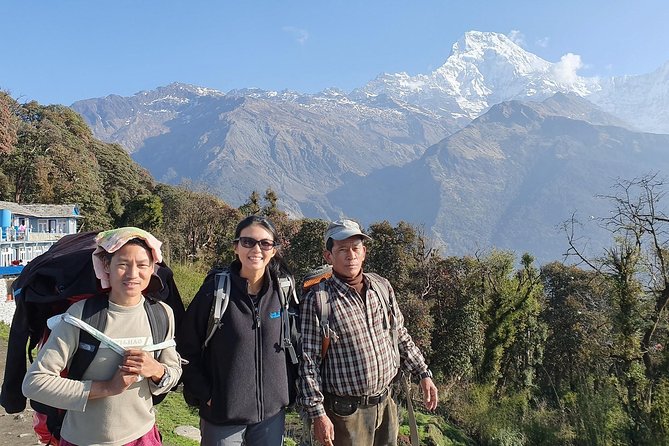
- Private guide and porter included so you’re not stuck in a slow or fast group rhythm
- Meals and lodge accommodation on trek mean fewer decisions mid-trail
- ACAP permits and necessary paperwork handled for a smoother start
- Oxygen-saturation and water purification support for basic safety and hydration
- Overland jeep transfers bookend the trek to cut out non-trek fatigue
- Flexibility is part of the service style based on how the team has handled needs and itinerary changes for other trekkers
Private Annapurna Base Camp Trek: What You’re Really Paying For
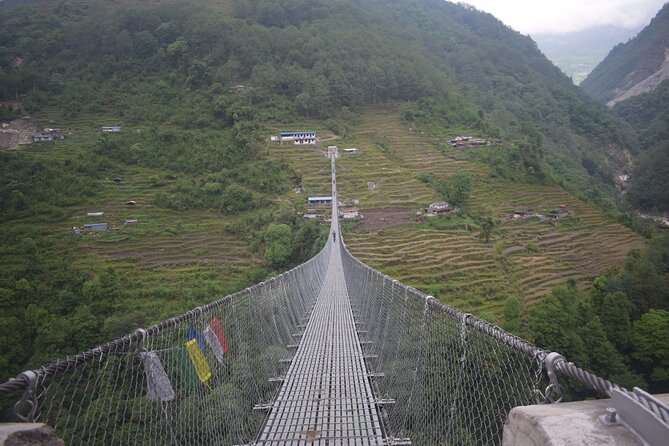
At $625 per person for about 7 days, the price makes sense when you look at what’s included. This isn’t just a “guide walks with you” deal. You’re also covering porter support, tea-house lodging on the trek, meals, permits (ACAP and necessary permits), and transportation by overland vehicle where the itinerary calls for it (including jeep travel segments).
The best value here is the workload taken off your shoulders. You don’t need to coordinate permits, line up tea houses, or figure out what meals will look like at altitude. You also get practical trek extras: a trekking map, help with water purification, and oxygen-saturation monitoring. Add emergency rescue evacuation assistance and public liability insurance, and you’re buying peace of mind as much as mileage.
What costs extra is pretty clear:
- Travel insurance (strongly recommended, and not included)
- Tips for the guide/porter
- Hotel in Kathmandu or Pokhara (your trek starts/ends in Pokhara, but the package doesn’t cover a full city stay)
So the “gotcha” isn’t hidden fees—it’s budgeting for the parts that typically vary by traveler: insurance, tips, and pre/post-trek hotels.
If you like your days to have structure but still feel like you’re trekking at your pace, this private format is a big win.
You can also read our reviews of more tours and experiences in Pokhara.
Pokhara Lakeside to Chhomrong: Getting Into the Right Headspace on Day 1
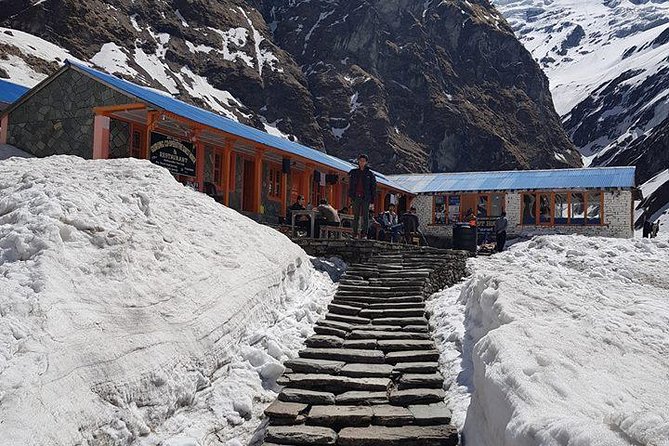
Your trek begins at Pokhara Lakeside (meeting point on Lakeside Rd) around 8:15 am, and the experience ends back at that same meeting point. You may get pickup offered, and the plan includes overland jeep travel early on, which is smart: it reduces early-day strain before you’re even fully in trekking mode.
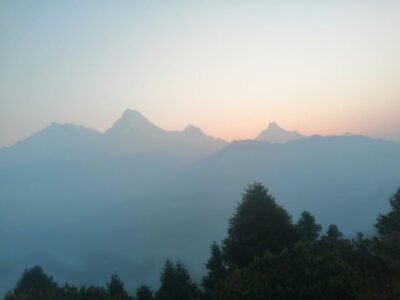
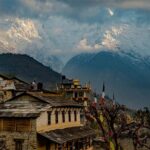
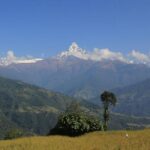
Day 1 is built around an immediate payoff. You reach Chhomrong and enjoy breakfast on a terrace with views of Annapurna I (8091m) and Machhapuchhre (6997m). This is exactly the kind of first-day moment that makes the whole trek feel real—big Himalaya drama before you’ve walked a ton.
After breakfast, you pack up and take a jeep ride for about 2.5 hours. That’s a practical touch for a private trek. The goal is to get you to the right starting point for the walking days without turning Day 1 into a long grind.
One more small-but-useful detail: because this is private, your guide can help set expectations right away—how fast you’ll go, how often you’ll stop, and when you’ll start paying attention to altitude signs. It’s not only about the scenery. It’s also about training your body to the rhythm.
Chhomrong to Sinuwa and Bamboo: The “Steps + Bridge + Climb” Day 2
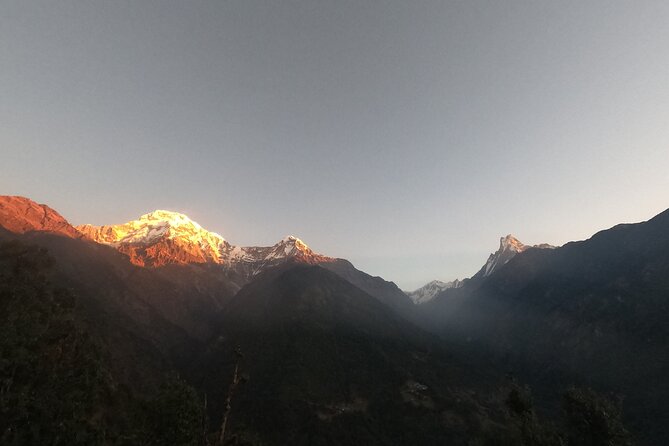
Day 2 is the trail’s first reality check—in a good way. You’ll descend 2500 stone steps and cross a bridge above Chhomrong Khola, then tackle an uphill trek toward Sinuwa. That mix matters: down steps can feel easier at first until your knees get grumpy, and uphill after a descent forces steady pacing.
In the middle of the day, you’ll have lunch in Sinuwa. Then you continue trekking on to Bamboo, where you sleep overnight.
This day is valuable because it teaches you how the route works:
- Expect short bursts of effort followed by flatter stretches.
- Use the lunch stop as a reset point—hydration, snack, and breathing control.
- Treat the steps like training for your descent technique later in the trek.
Because this is private, you can take the stops you need without feeling like you’re slowing down a packed schedule. In feedback for this company’s trekking style, guides and managers have been praised for adjusting to needs and changes—so if your body asks for a little extra time, you’re more likely to get it here than on rigid group tours.
If you’re new to trekking, Day 2 is where you’ll learn whether your legs handle stone steps well. Go easy, keep your steps small, and let the view motivate you—not your ego.
Bamboo to Deurali Area: Passing Dovan and the Weeping Wall on Day 3
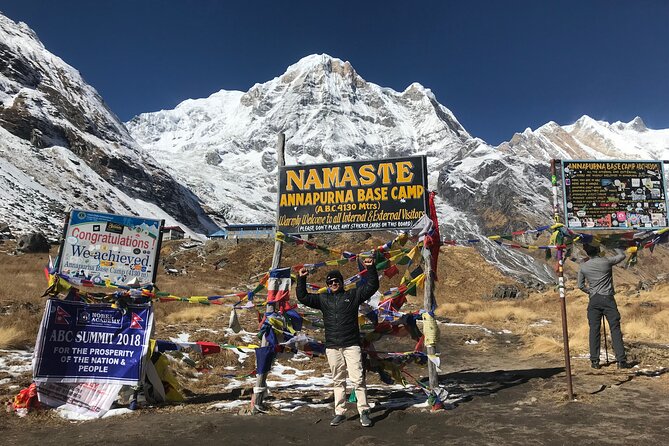
Day 3 starts at Bamboo village and becomes more about climbing than scenery hops. After breakfast, you leave Bamboo and begin climbing toward the Himalaya Hotel. The trek passes Dovan and includes the famous-feeling section known locally as the weeping wall, plus a local shrine along the route.
That “weeping wall” detail is more than a cool label. It hints at a watery micro-environment—places where the trail can feel slick, damp, or just persistently humid compared to the drier zones. This is a day to keep your footing habits sharp and your pace steady.
At the same time, the route is described as scenic, and that’s the balance of this trek: you’re working, but you’re not slogging through monotony. Alpine forests and smaller village moments keep the trek from feeling like a straight stair marathon.
Why this day is worth taking seriously:
- It’s a slow ramp toward higher altitudes, where you’ll start noticing breathing changes.
- You’ll likely feel cumulative fatigue from Day 2’s steps.
- It sets you up for the big “point of the trip” days that follow.
Private treks are helpful here because your guide can read your pace and adjust stops. I recommend using this day to nail your routine: warm layers on early, water intake consistent, and snacks that don’t upset your stomach at altitude.
Deurali to Annapurna Base Camp: The Modi River, Alpine Forests, and an Icy Cave (Day 4)
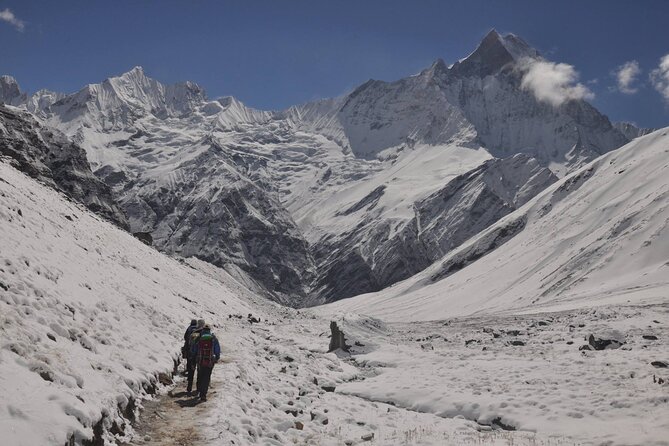
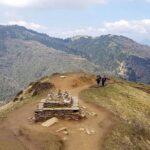
Day 4 moves you from the Deurali area toward Annapurna Base Camp. The trail climbs alongside the Modi River, and you’ll go past alpine forests along the way. You’ll also see small trail markers like a neatly decorated stack of rocks, which is a reminder that this is not just a hiking route—it’s a lived-in path with cultural signals.
Then comes one of those trek-story moments: an icy cave along the ascent. You don’t need to treat it like a sightseeing stop—it’s more of a landmark that tells you the terrain is changing. Think of it as your cue to slow down a touch and keep your energy for the final pull.
This is the hardest-feeling day for many people even if the listed day is around 5 hours in the itinerary description. “Hours” on paper don’t capture altitude effort. Your body works harder, even if the trail isn’t extremely long.
The best strategy for Day 4:
- Keep your breathing controlled (no sprinting between stops).
- Drink water even when you don’t feel thirsty.
- Let your guide decide when you’re ready to push versus when you should pause longer.
By the time you reach the base camp zone, you’ll feel the shift—from village rhythm into high-mountain quiet.
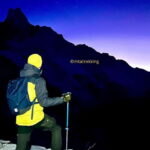
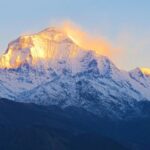
Base Camp Day: 360-Degree Views and the Annapurna Moment (Day 5)
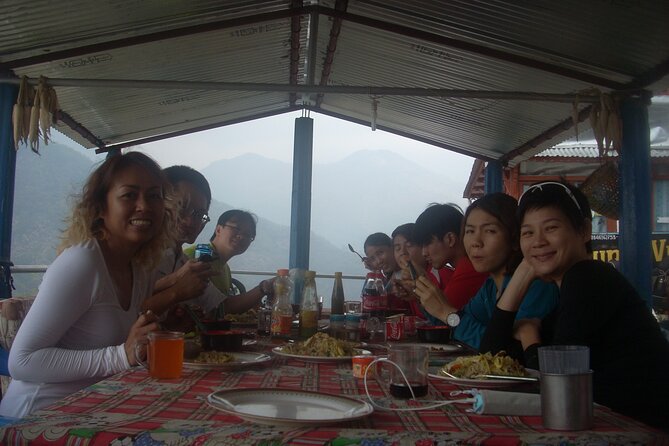
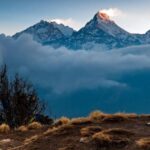
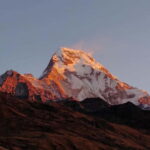
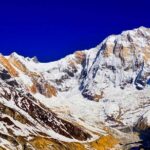
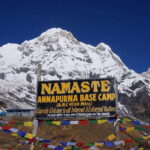
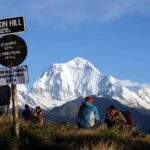
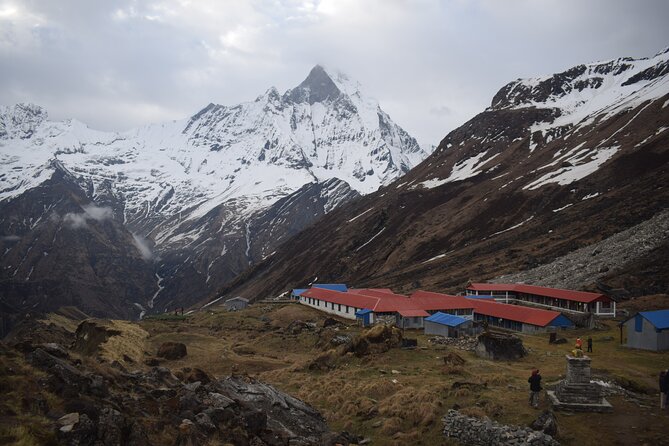
Day 5 is the day for exploring Annapurna Base Camp. The itinerary highlights the high-altitude feeling here: you get panoramic 360-degree views across the mountains, including the Annapurna massif and other peaks in the region.
This is also the day to slow down mentally. When you finally get there, you’ll likely want photos, but don’t skip the quieter part: just standing and watching light move over snow and rock. Base Camp isn’t only a destination—it’s a vantage point that makes the whole trek make sense.
It helps that this trek is private. You’re not stuck doing a timed walk to keep up with a larger group. Your guide can help you pace your exploration, including when to return to avoid getting worn down in cold wind.
A smart approach at Base Camp:
- Take a short loop for views, then sit with your hands warm for a while.
- Eat a real meal and don’t treat it like a quick snack stop.
- If you’re feeling altitude effects, spend more time resting and less time rushing for “perfect angles.”
Day 5 is where you earn the big mountain payoff—and where comfort choices matter most.
Bamboo to Sinuwa and Jhinu Danda Hot Spring Country: Day 6’s Long Return
Day 6 is all about turning around, and that’s where trekking strategy changes. You leave Bamboo, climb through lush bamboo forests, and head along a narrow ridge toward Sinuwa. Then you start descending toward the Chhomrong River.
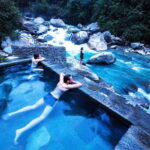
The itinerary also points to Jhinu Danda Hot spring as the day’s theme. Even if you don’t treat the hot spring like a guaranteed spa day (conditions and timing can affect how it feels), the idea is clear: you’re building in a chance for a recovery moment on the way down.
This day’s value is recovery + realism:
- You’ll feel the difference between uphill effort and downhill effort.
- Your body will want breaks, especially if you’ve got knee soreness.
- The hot spring zone can help your legs feel human again.
Because this is a private trek with a porter carrying your gear, you’re less likely to arrive exhausted at the end of the day. You’ll still work, but the pain-to-practicality ratio improves.
Tip: on Day 6, don’t confuse feeling strong with being immune to altitude aftereffects. Stick to the pace you’ve used so far. Let the descent be easier, not faster.
Samrung to Pokhara by Private Jeep: Day 7 Views and a Soft Landing
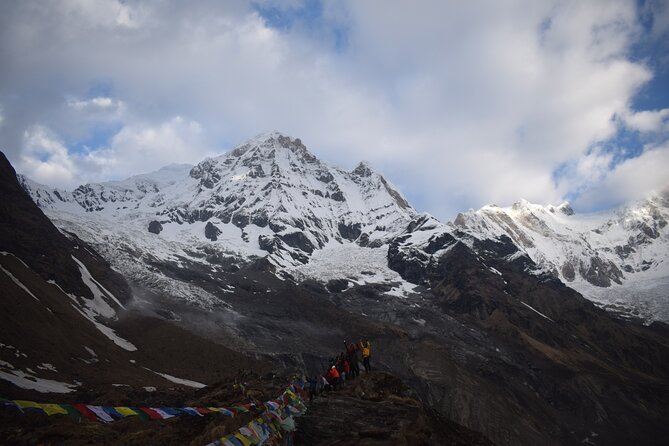
Day 7 starts with breakfast again featuring mountain views—this time described with Annapurna I and Machhapuchhre once more. Then you take a short walk to Samrung and switch to a private jeep, driving back in the direction of Pokhara.
This is a quietly smart end to a trek. The jeep transfer cuts out extra walking on the last day, which matters more than people think. After a week of altitude and uneven terrain, your body doesn’t need one more “just to be safe” hike.
By the time you’re back near the Pokhara Lakeside meeting point, you’ll be ready for a regular day rhythm: warm showers, real sleep, and food that doesn’t come in altitude portions.
What Makes This Private Trek Feel Less Stressful (and More Enjoyable)
This trek’s biggest advantage isn’t a single scenic photo moment—it’s how the service removes friction from a high-effort environment.
Here’s what that looks like in practice:
- Guide + porter included: you can focus on pacing and breathing instead of hauling everything up the trail.
- Meals and lodge included on trek: you don’t waste decision energy on what’s available where.
- Permits covered (ACAP and necessary permits): you don’t arrive at a bureaucratic checkpoint wondering what you forgot.
- Water purification support: hydration becomes manageable when you’re busy paying attention to your body.
- Oxygen-saturation monitoring: it’s not a magic shield, but it’s a concrete tool for managing altitude risk.
Also, the management style behind the trek has been praised for being helpful and accommodating to needs or changes. That doesn’t mean you get guaranteed miracles if weather turns, but it does suggest a team that communicates and adjusts instead of bulldozing ahead.
If you want a trip that feels organized without feeling like a factory line, this private format hits that sweet spot.
Who Should Choose This 7-Day Private ABC Trek
This trek fits best if you:
- Want private guiding and a pace set by your group
- Have moderate fitness and can handle steep sections and stairs
- Like tea-house trekking with meals and lodging covered
- Prefer not to deal with the back-office side of a permit trek
It might not be the right choice if you’re aiming for a super-easy hike with minimal climbing. The route includes steep stone steps early on, uphill-to-ridge sections later, and a long descent return.
If it’s your first trek in Nepal, going private can make a big difference. You’ll have someone to help you interpret how your body is coping, rather than relying on trial and error.
Should You Book This Private 7-Day Annapurna Base Camp Trek?
Yes—if you want a low-drama, well-managed Annapurna Base Camp experience and you’re okay paying for that convenience. The included pieces—guide + porter, tea-house meals and lodging, ACAP permits, water purification support, and emergency rescue evacuation assistance—add up to a trek that feels structured when altitude can make everything feel complicated.
I’d book it especially if you value:
- A private pace
- Fewer logistics headaches in Pokhara and en route
- A team approach to safety (oxygen-saturation checks and planning)
I’d think twice if you’re cost-pushing to the point where travel insurance and tips are hard to budget, or if you know you struggle with steep stair descents and long up/down days.
FAQ
FAQ
Where does the trek start and end?
It starts at the Pokhara Lakeside meeting point and ends back at the same place.
What time does the experience start?
The listed start time is 8:15 am.
Is the trek private?
Yes. It’s a private tour/activity, so only your group participates.
What’s included for meals and lodging?
Meals and lodge accommodation along the trek are included. Breakfast is included for 7 days, with lunch and dinner included on most trek days as listed.
Are permits included?
Yes. ACAP and necessary permits are included.
What about travel insurance and tips?
Travel insurance is not included, and tips for the guide and porter are not included.
Is oxygen and water support included?
Yes. The trek includes oxygen saturation support and water purification support/equipment as listed.
If you want, tell me your travel month and your trekking experience level, and I’ll suggest a pacing plan (and what to watch for each day) for an Annapurna Base Camp week.