REVIEW · KATHMANDU
Everest Base Camp Trekking
Book on Viator →Operated by Incredible Treks Pvt. Ltd. · Bookable on Viator
One decision, then the mountains do the rest. This Everest Base Camp package is interesting because it handles the hard logistics, from permits to tea-house trekking support. I like that the team includes everything most people forget to plan, like domestic airport pickup and the Lukla flight routing, plus guides who know the route and the culture. One drawback to consider: you’re on the clock for 12 days, so you still need solid fitness and you’ll want to be ready for a basic trekking comfort level.
You also get a real mix of famous sights and human stuff: Namche Bazaar’s high-altitude market, Sherpa daily life, prayer time at Tengboche, and that steady climb to Everest Base Camp. I love that it follows the historic path tied to Sir Edmund Hillary and Tenzing Norgay, so the walk feels more like a journey with meaning than a checklist. The tour keeps things manageable with a small group size (max 15) and a porter setup aimed at reducing your load.
In This Review
- Key Things I’d Bet on Before You Go
- Everest Base Camp, But With the Logistics Done for You
- Price and What $1,350 Really Covers (and What It Doesn’t)
- Kathmandu Start in Thamel at 6:15 AM
- The Lukla Flight via Ramechhap: Thrilling, Loud, and Real
- Tea-House Trekking for 11 Nights: The Real Daily Life
- Your Route in Order: Namche to Everest Base Camp and Back
- Namche Bazaar and the High-Altitude Market Feeling
- Panoramic Everest Views Above 8000m
- Following the Hillary and Tenzing Track
- Set Foot at Everest Base Camp
- Close Viewpoint at Kalapatthar
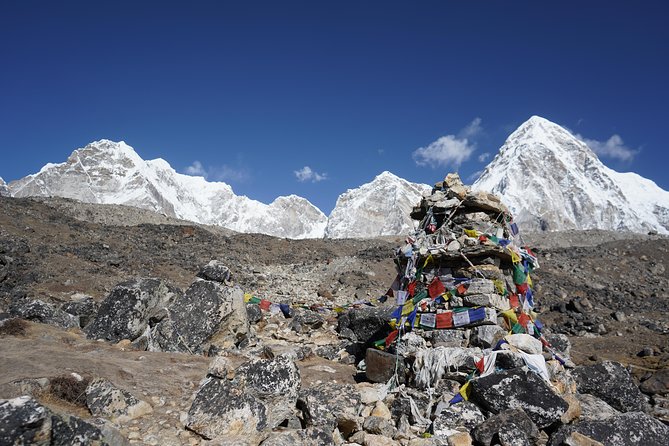
- Memorial Hill for Deceased Climbers
- Tengboche Monastery, Monk Blessings, and Sherpa Culture
- Khumbu Glacier Views
- What Guide Support Feels Like on the Ground
- Who This Trek Fits Best (and Who Should Rethink It)
- Final Call: Should You Book This Everest Base Camp Package?
Key Things I’d Bet on Before You Go
- Expert-led route with a Govt. licensed English-speaking guide and porter support (2 trekkers: 1 porter)
- Permits handled through included National Park fees, TIMS/VDC, and applicable taxes
- Flights built in via Kathmandu (Ramechhap)–Lukla and return, plus domestic airport pickup/drop
- Tea-house comfort by design: 11 nights basic lodging with breakfast, lunch, and dinner while trekking
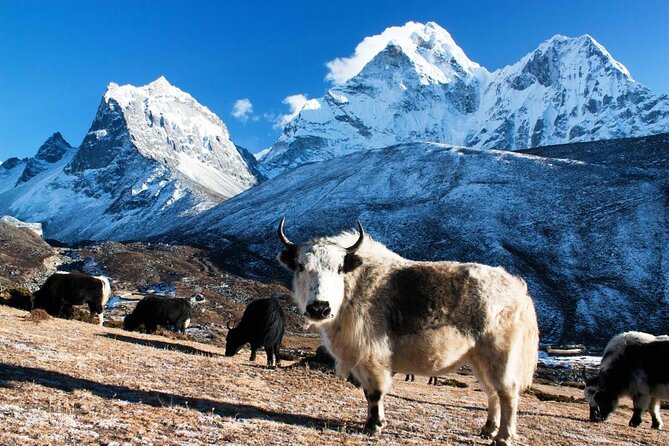
- Cultural stops that aren’t just photos: Namche market, Tengboche monastery, and Sherpa lifestyle
- Memorial and glacier moments: Kalapatthar viewpoint, memorial hill, and Khumbu glacier views
Everest Base Camp, But With the Logistics Done for You
Everest Base Camp is the kind of trip where “planning” can quietly eat your life. Flights, permits, route questions, where to sleep, what meals look like, who’s carrying your bag, and how you handle changes—this package takes that stress off your shoulders.
The big value is that you get an accredited guide meeting you and staying with you throughout the trip, with explanations along the way about both cultural and natural values. That matters because the Everest region can feel like a theme park if you’re only chasing viewpoints. With guidance, the day-to-day feels grounded: markets make sense, monastery stops have context, and the walking path tied to Hillary and Tenzing feels less like trivia.
Still, it’s not a luxury trek. You’ll be living in basic tea houses for the trekking portion. That’s normal for Everest Base Camp, but it’s worth saying out loud so your expectations match the reality: think warm layers, simple meals, and rooms designed for function, not comfort.
You can also read our reviews of more tours and experiences in Kathmandu.
Price and What $1,350 Really Covers (and What It Doesn’t)
At $1,350 per person for a trek that runs about 12 days, the best way to judge value is what’s bundled and what’s left for you.
Included in the trekking portion:
- 11 nights basic tea-house accommodation
- Breakfast, lunch, and dinner while trekking
- Airfare: Kathmandu (Ramechhap)–Lukla–Kathmandu (Ramechhap)
- Guide + porter support (with the 2 trekkers : 1 porter ratio)
- National Park fees, TIMS, VDC, and other applicable taxes
- A trekking map (one per group) and trekking certificates afterward
- Insurance is listed as included, along with salary and accommodation for the guide and porters
- Sleeping bag, duffel bags, and down jacket provided upon request during trekking
- Domestic airport pick up & drop facilities
Not included (important gaps):
- Meals in Kathmandu (breakfast/lunch/dinner)
- Accommodation in Kathmandu
- Emergency evacuation expenses in emergencies
- Personal insurance like medical/accident/rescue coverage
- Hot shower, hot water, battery charging, and WiFi during trekking
- Personal trek equipment
- Personal expenses like drinks, laundry, phone bills, and tipping
So the deal is strong if you want your trip run as a system: permits, meals, lodging, and transport are already accounted for. But if you’re the kind of traveler who expects robust medical/rescue coverage to be baked into the price, you’ll still need to handle your personal insurance. Also, if “hot shower every day” is non-negotiable, you’ll need to adjust your definition of success.
Kathmandu Start in Thamel at 6:15 AM
This trek starts at Thamel, Kathmandu (meeting point: Thamel, Kathmandu 44600, Nepal) and the start time is 6:15 am. That early start matters because it reduces wasted time and gets you lined up for the day’s travel flow.
Airport pickup in Kathmandu is included, and there are also domestic airport pick up/drop facilities for the trek logistics. This is one of the underappreciated parts of Nepal travel: the days are full, and getting from point A to point B without extra confusion helps you save energy for the trekking portion.
One thing to keep in mind: accommodation in Kathmandu is not included. You’ll want to plan your first and last nights smartly in a place like Thamel so you’re close to where you need to be.
Vegetarian options are available—tell the operator when you book—so you don’t end up negotiating meals while you’re already tired.
The Lukla Flight via Ramechhap: Thrilling, Loud, and Real
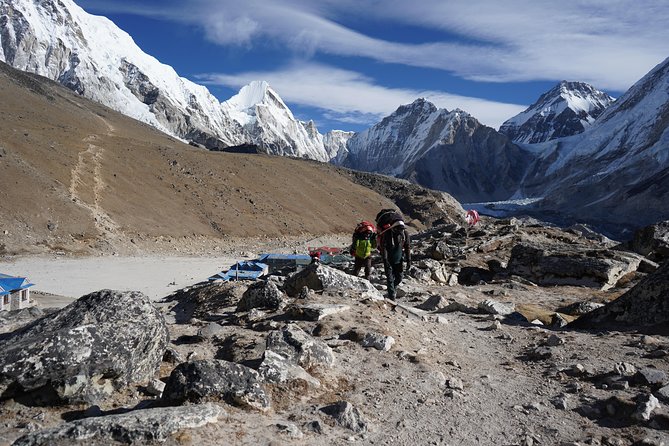
Your package includes round-trip airfare between Lukla and Kathmandu (Ramechhap). Many people say they came for Everest, but the Lukla flights are what make the story start fast. Expect a flight day rhythm that can feel busy, and build in patience for how fast things move.
Why this matters for value: when flights are part of the plan, you don’t have to scramble for schedules, connections, or ticketing on your own. The tour also includes domestic airport pickup and drop, which helps you avoid the “we’re at the airport and nobody explained the next step” problem.
A practical tip: treat flight days like they’re part of the trek. Wear layers you can handle because you may be moving between indoor/outdoor spaces quickly. Keep essentials easy to reach.
Tea-House Trekking for 11 Nights: The Real Daily Life
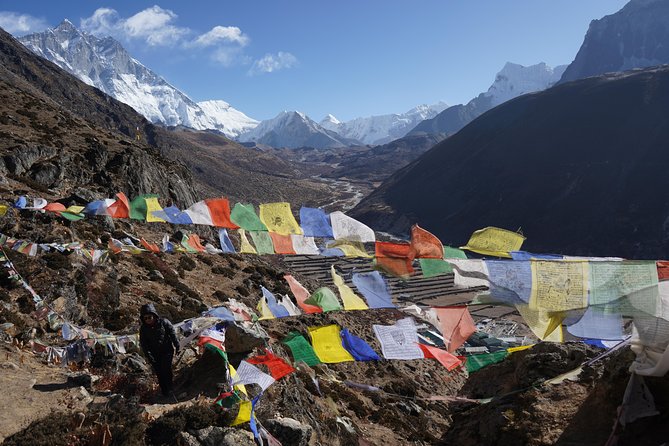
This tour is built around 11 nights in basic tea houses during the trek, with breakfast, lunch, and dinner included while you’re walking.
Here’s what that means for your day:
- You’ll spend mornings and afternoons trekking, then settle into simple rooms.
- Meals are included, so you can focus on the walk instead of constantly hunting food.
- You’re not dependent on a complicated booking system mid-route.
The package also provides gear upon request: sleeping bag, duffel bags, and a down jacket. If you’re traveling from abroad and don’t want to buy bulky items, this is a practical win. Still, confirm your sizes and request options before you go so you don’t end up improvising when cold weather hits.
Comfort extras you should not count on:
- Hot shower, hot water, battery charge, and WiFi are not included.
That’s not a dealbreaker—it’s just how tea-house trekking works. Plan to charge what you can before the trek and keep your “electronics expectations” low.
Your Route in Order: Namche to Everest Base Camp and Back
This itinerary follows a classic Everest Base Camp pattern, with a few stops that give it personality beyond checkpoints.
Namche Bazaar and the High-Altitude Market Feeling
You’ll see Namche Bazaar, described as a popular high-altitude market. This is where you get your first real sense of daily life in the Khumbu region. It’s also a place where the trek stops being only about scenery and starts being about people: shop fronts, local routines, and the constant rhythm of walkers passing through.
If you’re trying to acclimate emotionally as well as physically, Namche helps. It’s busy compared to trekking villages, and it gives you a strong anchor point after travel days.
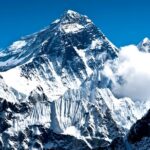
Panoramic Everest Views Above 8000m
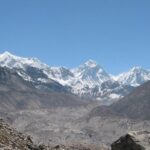
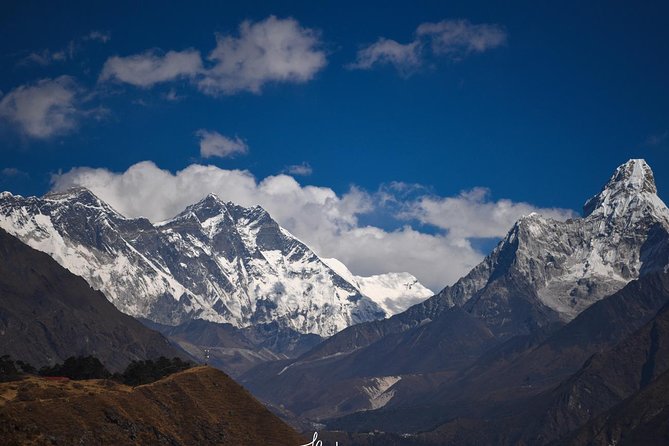
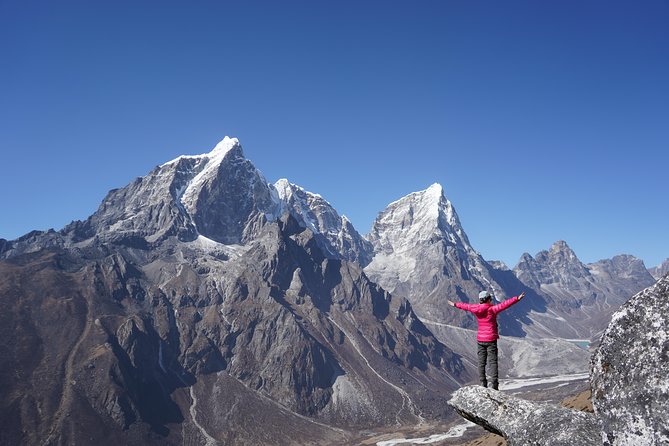
You’ll have panoramic mountain views of the world’s highest peak above 8000m. The tour frames these as part of the climb experience—moments when the effort makes sense because the mountains show themselves clearly.
These viewpoint days are where your pace matters. If you go too fast, the views don’t feel rewarding. Go steady, keep your breathing controlled, and you’ll enjoy the scenery more instead of just surviving it.
Following the Hillary and Tenzing Track
You’ll follow the path tied to Sir Edmund Hillary and Tenzing Norgay Sherpa. That’s more than a historical footnote. When your guide connects the dots—how the route and the region’s story overlap—you start to feel like you’re part of a legacy, not just walking uphill.
It’s also a reminder that Everest is not just one mountain. It’s a chain of villages, climbing history, and decisions made by people over decades.
Set Foot at Everest Base Camp
Then comes the big moment: world-famous Everest Base Camp. You’ll have your guide with you to explain the cultural and natural values as you arrive, which is a smart way to handle the moment when you’re focused only on the photo.
Base Camp is usually crowded with memory, not comfort. If you treat it like a place to soak in meaning rather than a place to “hang out,” you’ll get more satisfaction from it.
Close Viewpoint at Kalapatthar
You also get a close look from Kalapatther. This is framed as a major viewing point and pairs well with the earlier panoramic Everest views. If you’re someone who cares about seeing the mountain from different angles, this stop gives you that variety.
Memorial Hill for Deceased Climbers
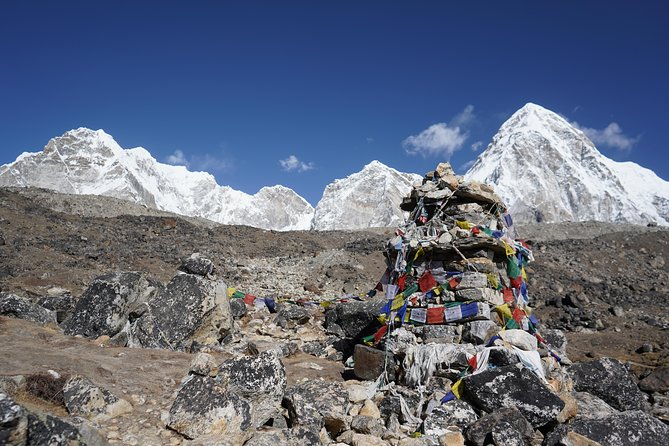
You’ll have a chance to see the memorial hill of the deceased climbers. This can be emotional, especially if you’re someone who respects risk and history. It’s also part of why Everest trekking feels different than ordinary hiking: your walk passes through reminders of why people came and why some didn’t return.
Your guide’s context matters here. It helps you approach the memorial with respect and not just curiosity.
Tengboche Monastery, Monk Blessings, and Sherpa Culture
The tour includes Tengboche monastery and a chance to seek blessings from a monk. It also highlights Sherpa culture and lifestyle.
This stop is valuable because it slows the day down. Tea-house trekking can feel like a routine of walking and eating, but a monastery visit gives you a different kind of connection—spiritual, cultural, and human.
It’s also where you see the region’s identity clearly. The Everest story lives in the mountains, but it’s carried by Sherpa communities.
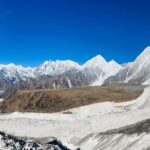
Khumbu Glacier Views
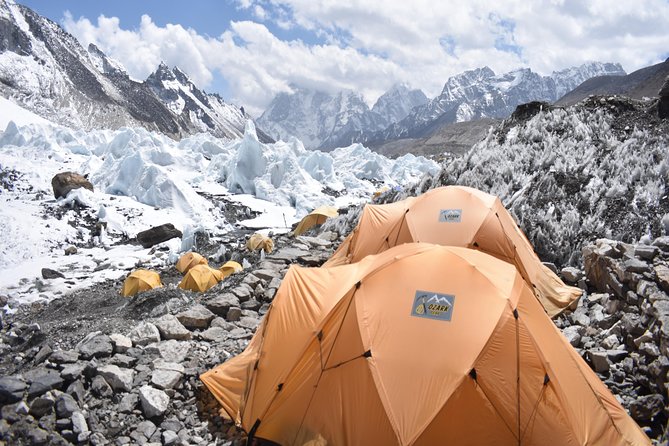
Finally, you get a chance to see the Khumbu glacier. Even from a distance, glaciers change how you understand the mountain. You see the scale and the power of the environment that climbers and trekkers both deal with.
I like that the itinerary includes glacier views rather than ending only on “the biggest peak.” It makes the trek feel more complete.
What Guide Support Feels Like on the Ground
This is the part that quietly makes or breaks an Everest trek: your guide. Here, you’re assigned a Govt. license holder English-speaking trekking guide and a porter. That’s a solid base for pacing, navigation, and explanations.
Real value comes from how the team communicates. In past feedback, Ram Dhakal is highlighted as excellent and attentive, and there’s strong praise for communication through Nadin and guidance from Dillip. The common thread is not just that the route was followed—it’s that the experience felt safe and organized, with flexibility where it makes sense on a trek like this.
If you’re trekking solo, that matters even more. Having someone manage the logistics and keep the day structured reduces the “what now” moments that can drain confidence on challenging terrain.
Who This Trek Fits Best (and Who Should Rethink It)
This tour is listed for travelers with strong physical fitness. In practice, that means you shouldn’t treat Everest Base Camp like a light walk. You’ll be trekking daily for around 12 days, carrying the right mindset and staying comfortable moving through uneven terrain.
You’ll also appreciate this package if:
- you want a pre-planned route and don’t want to wrestle with permits
- you value cultural stops (Namche, Tengboche, Sherpa lifestyle)
- you want help with gear via sleeping bag/down jacket options upon request
- you like the idea of having meals and lodging arranged for you on the trail
You might want to rethink booking if:
- you need hot shower and reliable power/WiFi during trekking
- you require personal medical/rescue coverage beyond what’s included
- you prefer full DIY travel where every decision is yours
Final Call: Should You Book This Everest Base Camp Package?
Book it if you want Everest Base Camp to feel like a well-run trek: permits included, flights handled, tea-house meals and lodging arranged, and a guide who can explain what you’re seeing. At this price point, the included flights and permits alone do a lot of work for you.
Hold off if your must-haves include hot shower comfort, guaranteed charging, or if you don’t want to handle personal insurance and emergency coverage gaps yourself. Also, if you’re not ready for the basics of tea-house trekking, read the included/not-included list carefully before you commit.
If your goal is to focus on being fit and enjoying the walking—while someone else handles the maze—this is a strong match.