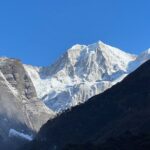
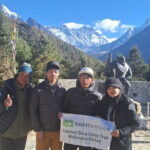
Everest Base Camp starts in Kathmandu.
This 14-day private trek strings together the key pieces you care about: Lukla flights, high-altitude acclimatization, and an end goal that actually delivers. I like the way the plan handles logistics for you (hotel in Kathmandu, permits, and meals), and I also like the human support built in, from your English-speaking guide to a porter for your heavier gear. One thing to consider: you’ll be at altitude for days, and the route’s success depends on pacing, weather, and how your body responds.
You’ll spend the early days adjusting at places like Namche Bazaar and Dingboche, then push toward big views at Gorak Shep and Kala Patthar. The itinerary mixes trekking days with smarter rest days, so it doesn’t feel like you’re just hiking harder and hoping for the best. My main drawback note is simple: the trip costs real money for flights and a private setup, so if you’re watching budget closely, you’ll want to confirm what you’re comparing against.
In This Review
- Key things to know before you go
- From Kathmandu to Lukla: why this start matters
- Altitude pacing: how the itinerary tries to keep you safe
- Day-by-day: Everest Base Camp in 14 days
- Day 1: Kathmandu welcome and hotel transfer
- Day 2: Flight to Lukla, then your first trekking day
- Day 3: Namche Bazaar via Dudh Koshi bridges
- Day 4: Namche acclimatization day (cafes, gear, and an Irish Pub break)
- Day 5: Trek to Tengboche
- Day 6: Dingboche via smaller villages and big-mountain moments
- Day 7: Another Dingboche acclimatization day
- Day 8: Trek to Lobuche
- Day 9: Everest Base Camp day from Gorak Shep
- Day 10: Kala Patthar early morning and the descent begin
- Day 11: Down to Namche Bazaar
- Day 12: Lukla back route, stopping in Phakding
- Day 13: Fly back to Kathmandu
- Day 14: Farewell dinner and trek certificate
- The guide and porter system: what you’ll actually feel on trail
- Lodges, food, and the comfort level to expect
- Price and value: is $1,600 fair?
- Who this private Everest Base Camp trek suits best
- Should you book this Everest Base Camp private trek?
- FAQ
- What’s the meeting point for the trek?
- Are airport transfers included?
- Does the trip include domestic flights to Lukla?
- Is there a porter?
- What accommodation is included?
- Are meals included?
- Are permits and entrance fees included?
- Do I need a moderate fitness level?
- What if poor weather cancels the trek?
- Can I get a full refund if I cancel?
Key things to know before you go
- Private comfort, shared mountain work: your group stays private, with a porter for two trekkers to carry heavy items
- Lukla flight sets the tone fast: a short, scenic jump to Tenzing Hillary Airport in Lukla starts the trek
- Acclimatization days are built in: Namche and Dingboche give your body time to adjust
- Base Camp day is a real milestone: you reach Everest Base Camp from the Gorak Shep area
- Kala Patthar is the big early-morning goal: worth it if the sky cooperates
- Kathmandu includes real downtime: 2 nights in a 3-star hotel plus a farewell dinner and certificate
From Kathmandu to Lukla: why this start matters
Most Everest Base Camp treks rise and fall on one thing: how smoothly you get from “city life” to “trail life.” This one takes that seriously. You’re met at Tribhuvan Airport or picked up from your hotel, then transferred to your Kathmandu accommodation so you’re not scrambling right after travel. The next day brings the defining jump: a 40-minute domestic flight from Kathmandu to Lukla (Tenzing Hillary Airport), which compresses the long approach trek and keeps your energy for altitude work.
That Lukla flight is also one of the most memorable parts of the trip because it drops you right into the Khumbu region’s world. After landing, your trek begins immediately, and you’ll be walking through villages and suspension bridges over the Dudh Koshi River. Even better, you’re not doing this all on your own: the tour includes an experienced English-speaking guide, and permits plus entrance fees are handled along the way.
The value here is that you get a clean “pre-trip buffer” in Kathmandu and then a structured handoff to the mountain. If you’ve ever tried to piece together an EBC trek independently, you’ll appreciate how much friction this removes.
You can also read our reviews of more tours and experiences in Kathmandu.
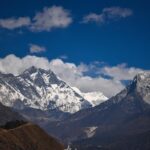
Altitude pacing: how the itinerary tries to keep you safe
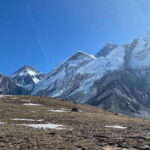
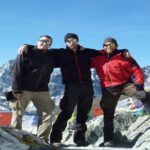
Everest Base Camp is less about raw willpower and more about smart pacing. This route builds acclimatization into the calendar. You’ll spend time at Namche Bazaar and then again in Dingboche, which matters because you’re gaining altitude in steps. These days aren’t wasted. They’re your chance to walk a bit higher, then come back down, so your body has a better shot at adjusting.
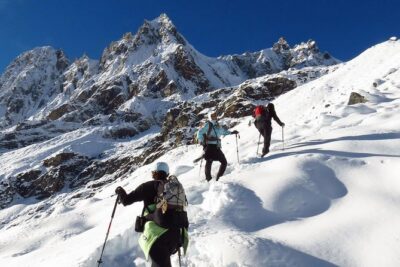
The itinerary also uses a classic Khumbu pattern: start with a base of gradual climbs, then move to higher villages like Tengboche and Dingboche, then continue toward Lobuche. Once you’re near Gorak Shep, you’re doing the high point work—Base Camp one day, and the major viewpoint day (Kala Patthar) another day.
Here’s the practical consideration: even with acclimatization, altitude sickness can still happen. A private guide is a big advantage because you can adjust pace and make decisions faster. In reviews, this kind of attentive leadership showed up in how guides managed health issues and kept people safe, even when someone didn’t finish the full route.
Day-by-day: Everest Base Camp in 14 days
Below is what to expect from the route’s day-by-day flow, and what to watch for on each stretch.
Day 1: Kathmandu welcome and hotel transfer
You’ll be welcomed by the team and transferred to your hotel. There’s an arrival explanation from the airport representative, and you’ll sleep in Kathmandu overnight in the included accommodation. This day is about resetting: get a good meal, hydrate, and keep your plan simple.
Day 2: Flight to Lukla, then your first trekking day
You’ll fly to Lukla and start trekking right after landing. Expect early motion and the typical first-day rhythm: walking among villages, moving through suspension-bridge country, and settling into the altitude slowly. If you’re coming in from a long flight, treat this as a warm-up, not a speed test.
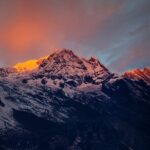
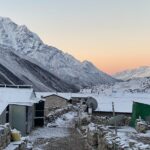
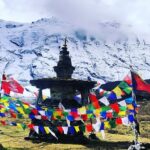
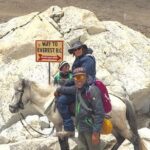
Day 3: Namche Bazaar via Dudh Koshi bridges
Today centers on Namche Bazaar. The trail follows the Dudh Koshi River and includes multiple suspension bridges—an early taste of the Khumbu crossing style. You also get the feeling of arriving at a hub where trekking logistics, gear, and comfort options start to appear.
Day 4: Namche acclimatization day (cafes, gear, and an Irish Pub break)
This is an acclimatization day in Namche, and it’s one of the best “reset buttons” on the whole trek. The plan suggests exploring Namche itself, including wifi-linked cafes and restaurants, plus souvenir and gear shops. It also lists an Irish Pub stop, which sounds trivial until you’re cold and tired and just want a warm drink with real human noise around you.
A smart move on this day is to keep your walking light and your recovery heavy. You’ll thank yourself later.
Day 5: Trek to Tengboche
You’ll move on to Tengboche. Expect a trail with ups and downs through forests, which is exactly the kind of hiking that builds your legs without requiring sprint energy. This day can feel challenging, but the rewards come through in the mountain views along the way.
Day 6: Dingboche via smaller villages and big-mountain moments
Next stop is Dingboche. Along the route, you’ll pass chortens and mani walls, plus villages like Pangboche, where the plan says you can enjoy views of Mt. Ama Dablam. This is where the scenery and culture start to feel tightly linked: you’re walking through Sherpa-influenced places while the peaks keep getting taller.
Day 7: Another Dingboche acclimatization day
You stay in Dingboche again for acclimatization. The plan includes a walk up a ridge above Dingboche to keep you active without overreaching. This kind of staged effort is one reason the schedule feels more “survive and thrive” than “go, go, go.”
Day 8: Trek to Lobuche
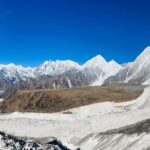
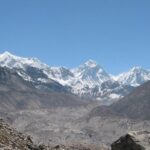
You’ll head toward Lobuche, with the day described as starting with breathtaking Himalayan views. The plan notes difficulty at first and then a narrowing valley as you approach Dusa. This is often a turning-point day because it pushes you toward the Khumbu Glacier zone, where the air feels thinner and the walking can feel more mechanical.
Day 9: Everest Base Camp day from Gorak Shep
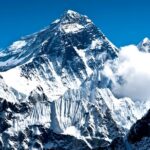
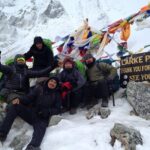
This is the milestone day: reaching Everest Base Camp. The route description goes through the lateral moraine of the Khumbu Glacier, then arrives at Gorak Shep. From there, Base Camp is the summit-like payoff of the trek.
The big advice here is to manage your energy. On a day like this, it’s easy to overdo it early because the goal is right there. Take breaks, move steadily, and treat the final push like a controlled hike, not a sprint.
Day 10: Kala Patthar early morning and the descent begin
You’ll wake early, eat breakfast, and then trek down toward Tengboche as described by the route. The itinerary mentions forests, plus the Imja Khola bridge and juniper forest sections. Kala Patthar is the name people remember, but don’t ignore what comes after: the descent still takes time and can be tough on knees after a long high-altitude day.
Day 11: Down to Namche Bazaar
You’ll continue your way back toward Namche Bazaar. The itinerary flow keeps you moving through forested sections and gets you back into the familiar Namche altitude rhythm before your final travel days.
Day 12: Lukla back route, stopping in Phakding
Today is a shorter trek heading to Phakding. The plan follows the Dudh Koshi River banks and includes suspension bridges along the way. This kind of day can feel almost joyful because you’re not chasing altitude anymore—you’re easing back toward lower terrain.
Day 13: Fly back to Kathmandu
After breakfast you’ll fly back to Kathmandu. The itinerary notes the return flight as relaxing and a chance to appreciate what you finished. It’s a good day for a slow walk, good food, and sleep without alarms.
Day 14: Farewell dinner and trek certificate
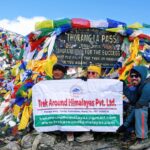
You’ll have a farewell dinner organized by the company, and you’ll receive a success certificate. Reviews also mention that the team asks what you loved and what you hated, which is one reason this feels more personal than a cookie-cutter trek.
The guide and porter system: what you’ll actually feel on trail
This is a private tour, so you’re not sharing decisions with strangers. Your guide’s job is to keep the plan realistic for your group’s pace, which matters in the Khumbu where weather and energy can shift quickly. Multiple reviews highlight how guides made daily briefings and adjusted pacing based on individual fitness.
Guide names that came up in reviews include Kalyan Gurung and Romeo, with porters like Minmar and Ram also credited for kind, attentive support. Another recurring theme is smooth pre- and post-arrival communication, with Anil mentioned as a professional point person for logistics. Even if your own guide is different, this gives you a sense of what the team culture looks like: organized, communicative, and focused on safety.
Porters are arranged to carry your heavy gear, listed as “a porter for two trekkers.” That setup is a practical win. You’ll still carry essentials, but you won’t be dragging your whole load up steep sections and cold mornings.
Lodges, food, and the comfort level to expect
The itinerary includes accommodation in Kathmandu and then lodges or tea houses during the trek. That usually means basic rooms, simple meals, and hot drinks when available. The important part is that this trip doesn’t make you plan lodging nights yourself, and it includes meals across the route: 12 breakfasts, 10 lunches, and 10 dinners.
Here’s how that helps you on real days: you spend less time negotiating what to eat and where to sleep, and more time watching your breathing and taking in the day. It also helps on acclimatization days, when you want meals to be predictable.
One practical note for your packing: since you’ll be in tea houses/lodges, you’ll live in layers. You’ll want a warm top, a hat, and gloves-ready comfort. The trek description doesn’t spell out clothing, but at this altitude you should plan like cold mornings are coming.
Price and value: is $1,600 fair?
This trek is listed at $1,600, and it includes a lot of the expensive, annoying parts. You’re getting airport pickup and drop-off by private vehicle, a guide, Kathmandu lodging (2 nights in a 3-star hotel with breakfast), permits and entrance fees, and domestic flights Kathmandu–Lukla–Kathmandu including airport tax.
It also includes the key human support: a porter for heavy gear and a farewell dinner plus certificate. If you compare this to trying to book flights, permits, guiding, and lodging separately, the value comes from having the pieces lined up already.
What’s not included is important: personal expenses and travel insurance are not covered. For a trip like this, insurance isn’t a nice-to-have. It’s your safety net if altitude complications or logistics disruptions hit.
So the real value question is simple: do you want a turnkey private EBC trek where someone else manages permits, meals timing, and mountain decisions? If yes, this price starts looking more reasonable.
Who this private Everest Base Camp trek suits best
This works best for you if you want:
- a moderate fitness level (the tour calls this out) and a structured pace
- a private setup where your guide can adjust for your group
- porter help so you can focus on walking, not hauling
It’s also a good fit if you appreciate cultural stops. The overview highlights Buddhist monasteries and Sherpa culture, and the route passes through places where chortens, mani walls, and village life shape the trek’s feel.
If you’re traveling solo or as a couple, private still matters because you’re not squeezed into the loud rhythm of a mixed group. You get your own guide attention, and the porter arrangement helps keep the pack manageable.
Should you book this Everest Base Camp private trek?
I’d book if you want the Everest Base Camp checklist handled in a clean way: Kathmandu comfort, Lukla flights, acclimatization days, Base Camp day, then Kala Patthar before the return. The strongest signal in reviews is that people felt taken care of, with guides staying professional and attentive, even when health issues showed up.
I’d hesitate if your budget is tight or if you’re the type who hates any risk around weather. The trek requires good weather, and the experience provider’s policy is to offer a different date or a full refund if canceled due to poor weather.
Also, read yourself honestly on altitude. If you’re unsure how you’ll respond, a private guide’s ability to adjust pace is a plus, but it isn’t magic.
FAQ
What’s the meeting point for the trek?
The start meeting point is Tribhuvan Airport in Kathmandu, Nepal.
Are airport transfers included?
Yes. The tour includes airport pick up and drop-off by private vehicles.
Does the trip include domestic flights to Lukla?
Yes. Domestic airfare for Kathmandu–Lukla–Kathmandu, including airport tax, is included.
Is there a porter?
Yes. A porter is arranged to carry heavy gear (listed as a porter for two trekkers).
What accommodation is included?
You get 2 nights in Kathmandu in a 3-star hotel with breakfast, plus lodges or tea houses during the trek.
Are meals included?
Breakfast is included for 12 days, and lunch and dinner are included for 10 days each, as listed.
Are permits and entrance fees included?
Yes. All necessary permits and entrance fees during the trekking are included.
Do I need a moderate fitness level?
The tour is described as suitable for travelers with a moderate physical fitness level.
What if poor weather cancels the trek?
If the trek is canceled due to poor weather, you’ll be offered a different date or a full refund.
Can I get a full refund if I cancel?
Free cancellation is available up to 24 hours in advance for a full refund. If you cancel less than 24 hours before the start time, the amount paid is not refunded.