REVIEW · CANDIDASA
Dekwar Mount Agung Sunrise Trekking
Book on Viator →Operated by Dekwar Mount Agung Trekking · Bookable on Viator
Cold stars, Bali’s first light, huge payoff. This one-day Mount Agung sunrise trek has you moving at night toward the highest sacred peak on the island, with views that start as city glow and end as a full sunrise over Bali. It’s run by local guides out of Candidasa, and the whole setup is geared for safety and comfort while the trail stays properly rugged.
What I like most is how much care goes into the hike itself: you get local guide support plus the small comfort items that matter on a volcano climb. In particular, the included snacks and drinks (coffee/tea plus bites like chocolate and fruit) help you keep going when you’d rather stop and stare at the dark sky.
One thing to consider: this is an intense night climb on dirt and rocky terrain, and the essentials you’ll need (especially footwear and warm layers) are not all included. Plan for the cold and make sure your shoes are up to real trail conditions.
In This Review
- Key highlights you’ll feel on the mountain
- Mount Agung Sunrise Trek: what you’re really signing up for
- Choosing your route: 3,142m vs 2,900m changes the whole day
- Night climb from Candidasa: gear, pacing, and real safety support
- Fuel stops that actually help: coffee, chocolate, and short breaks
- The summit and pre-sunrise views: city lights to birdsong
- What’s included vs what you must bring (so you don’t get caught cold)
- Group size, pickup, and timing: how logistics affect your experience
- Price and value: does $79.93 make sense?
- Who should do this trek (and who should rethink it)
- Should you book Dekwar Mount Agung Sunrise Trekking?
- FAQ
- How long is the Mount Agung sunrise trekking experience?
- What routes are available for Mount Agung?
- What’s included in the tour?
- What should I bring since some items aren’t included?
- What fitness level do I need?
- How big are the groups?
- What is the cancellation policy?
Key highlights you’ll feel on the mountain
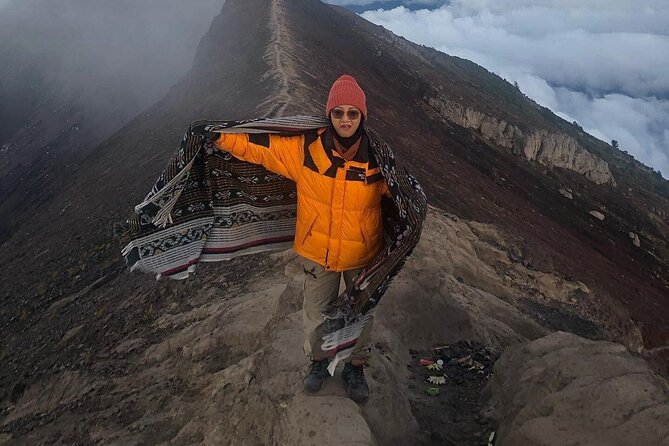
- Three route choices to reach either 3,142m (two options) or 2,900m, depending on your package
- Head flashlight + walking stick + gloves included, so you’re not scrambling for gear at the last minute
- Break time with coffee/tea and snacks, timed for energy during the hardest stretch
- Sunrise views from the summit area, with city lights before dawn and birdsong as daylight arrives
- Small-group feel with a maximum of 30 travelers, plus pickup offered from your area
Mount Agung Sunrise Trek: what you’re really signing up for
If Bali has one “bucket list” hike that feels spiritual and sweaty at the same time, it’s this. Mount Agung is the island’s highest mountain at 3,142 meters, and it’s considered sacred in Balinese Hindu life. That matters because the trek isn’t just about a view. The mountain has a sense of place, and the sunrise timing turns it into something more than a normal hike.
This is also a classic Bali volcano night mission. You’ll be climbing in the dark, which is where the headlamp and guide team really earn their keep. From the way the route is described (dirt roads and rocky paths), you’re not looking at a gentle stroll. You’re going up with stops for fuel, using proper pacing so you don’t burn out too early.
The “one-day” part is a big plus. You’re not committing to multi-day trekking schedules, yet you still get the full sunrise experience: dark sky, summit push, pre-dawn views, then that moment when the horizon changes color and everything looks closer than it did an hour ago.
Choosing your route: 3,142m vs 2,900m changes the whole day
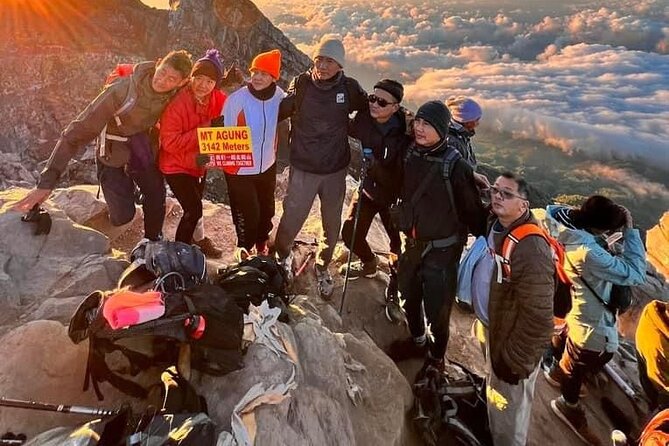
The trek package gives you three route options, and your choice affects both difficulty and your summit goal:
- Climb via Edelweiss Park to the highest peak at 3,142m
- Climb via Pura Pasar Agung to the peak at 3,142m
- Climb via Pura Pasar Agung to 2,900m
Here’s the practical way to think about it. Going for 3,142m means more vertical effort and more time in cold conditions near the top. If you’re chasing the absolute high point, that’s your move. If you want a strong sunrise experience with slightly less time climbing, the 2,900m route can be the smarter balance.
Also, the climb is described as involving jungle and rocky areas. So even if two options both start similarly, the “feel” can change depending on the trail section. If you’re unsure, I’d choose based on your confidence level with night hiking and uneven footing, not just on the number on the meter marker.
Night climb from Candidasa: gear, pacing, and real safety support
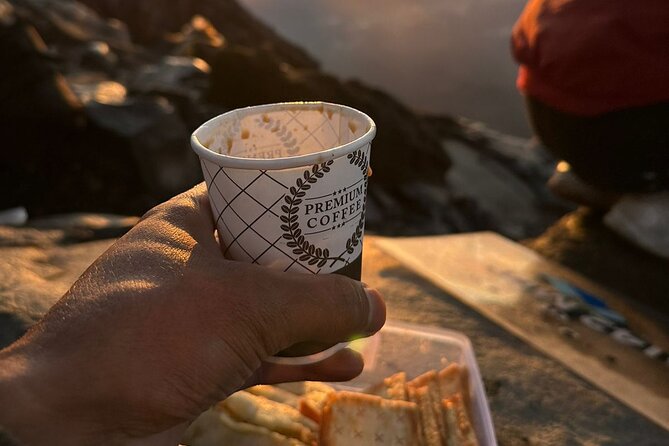
This trek is built around night movement, and you’ll feel that from the start. The tour includes pickup, so you’re not left figuring out how to reach the trailhead in the dark. The operator also uses a mobile ticket, which keeps things simple when you’re juggling sunrise timing and early departures.
You’ll get key climb gear that makes a difference on steep, rocky ground:
- Head flashlight
- Walking stick
- Gloves
- Climbing ticket
That’s not just convenience. On a night hike, small gear items affect balance and confidence. The walking stick helps on uneven footing, and gloves matter when the air is cold and your hands keep finding rail-less surfaces.
Pacing is also a big deal on Mount Agung. The climb is described as adrenaline-pumping, with rocky roads and rough ground. Guides are positioned to keep you moving safely and comfortably, including adjusting to your limits. If you’re new to intense trekking, this is exactly where a supportive guide makes the hike feel possible instead of miserable.
A nice detail: you’re not expected to show up fully kitted. What’s not included (like jacket and good trekking shoes) is handled by bringing your own gear or arranging what you need before you go.
Fuel stops that actually help: coffee, chocolate, and short breaks
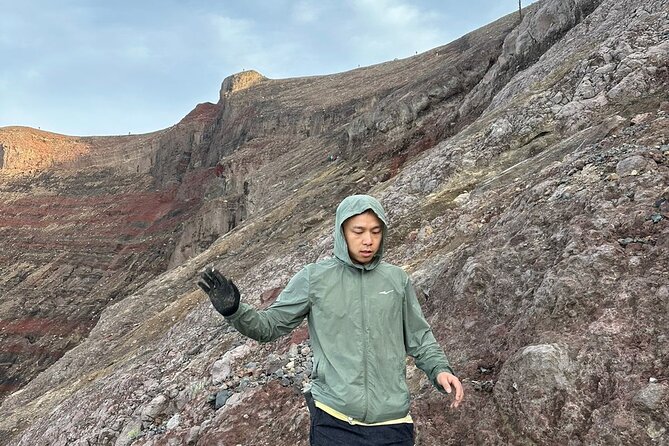
On a sunrise trek, you need two kinds of fuel: physical energy and mental reset. This tour includes:
- Breakfast
- Coffee and/or tea
- Chocolate
- Banana Friends (snack)
It sounds small, but it helps you keep a steady rhythm. When you’re climbing in cold night air, a warm drink can change how your body feels right away. And quick bites like chocolate and banana snacks prevent the “bonk” moment when legs are tired and motivation drops.
Break time is also part of the design. Even when the climb is pushing hard, you’ll have chances to rest and re-set your pace. That matters on rocky sections, because balance is easier when you’re not rushing.
One more fun detail that shows up in the experience style: there can be thoughtful moments on the climb, like special surprises that keep the day human, not just physical. It’s the kind of touch that makes you remember the summit time as something personal.
The summit and pre-sunrise views: city lights to birdsong
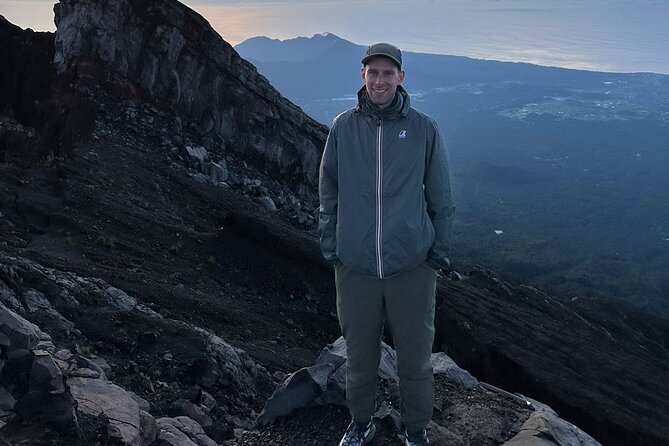
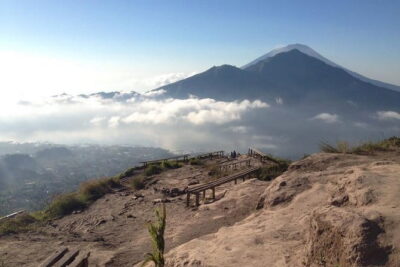
The best part starts before the sun does. As you get closer to dawn, the view shifts from “where am I going” to “wow, look at that.” The trek is described as giving you a nighttime view of city lights over Bali, so you’re not just hiking into darkness. You’re hiking toward a glowing scene that keeps expanding as you climb.
Then sunrise arrives. You’ll hear birds chirping as daylight starts to roll in, which adds a natural soundtrack to the visual payoff. On top of the emotional effect, there’s real sightseeing value too:
- You can see the island of Bali
- From the summit, it’s possible to spot Mount Rinjani (conditions permitting)
The experience is also tied to the sacred nature of Mount Agung. That changes the tone. Instead of feeling like you’re conquering a mountain just to post a photo, you’re arriving at a place people treat with respect. You’ll feel it in the slow moments near the top when you finally stop moving and just watch the horizon.
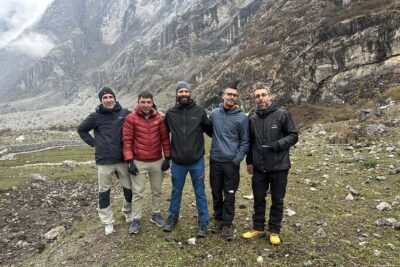
And yes, expect cold. One trip note highlights that conditions can get near 10°C or colder on the mountain. That’s why warm clothing is not optional. Your body can only produce so much heat while climbing, then cooling gets aggressive the moment you slow down near dawn.
What’s included vs what you must bring (so you don’t get caught cold)
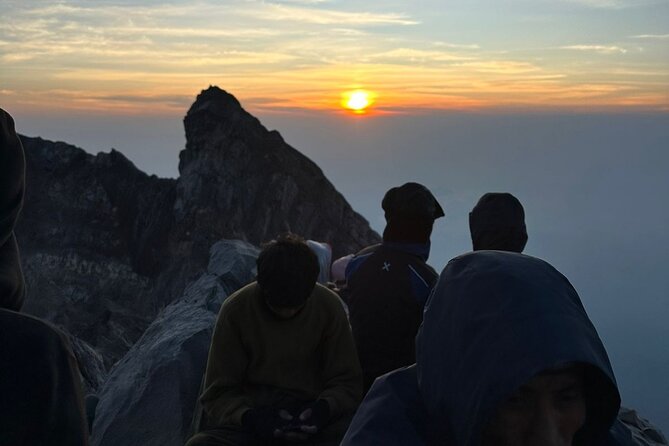
Here’s the clean breakdown of what you get and what you should plan for.
Included:
- Breakfast
- Chocolate and fruit snacks (Banana Friends)
- Coffee and/or tea
- Head flashlight
- Walking stick
- Climbing ticket
- Gloves
Not included:
- Jacket
- Long pants
- Extra cloth
- Sun cream
- Bottled water (2 liters/person)
- Good trekking shoes
- Packing bag
This list screams one theme: cold-weather and footing. Your gloves are included, but you still need proper body warmth. Long pants and a jacket can be the difference between enjoying the sunrise and suffering through it.
Shoes are the other big one. The trail is described as rocky and dirt-based. If your footwear is more “walking around town” than “real trail,” you’ll feel it in your ankles and knees fast.
Also plan for water. The tour doesn’t include the large bottle supply, even though the hike duration is about 12 hours. Bring enough to stay hydrated and don’t treat water like an afterthought.
Group size, pickup, and timing: how logistics affect your experience
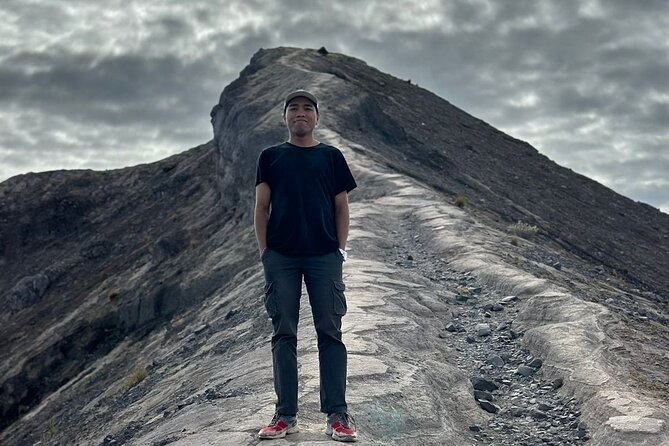
This is a maximum 30 travelers group, and that’s a sweet spot for a sunrise hike. You get shared energy and organization without feeling like you’re trapped in a huge crowd maze. You also get group discounts and a mobile ticket, which usually means smoother check-in and less time wasting right before the climb.
Average booking timing is listed as about 15 days in advance. That’s a clue to plan early if you want your preferred route option. Sunrise treks run on tight schedules and weather needs, so later is often riskier.
Duration is listed as about 12 hours. On paper that sounds long. In real life, it’s about the right length for a night climb to sunrise and then descending. The key is to think of it as a full day, not a quick half-day hike dressed up as an adventure.
Price and value: does $79.93 make sense?
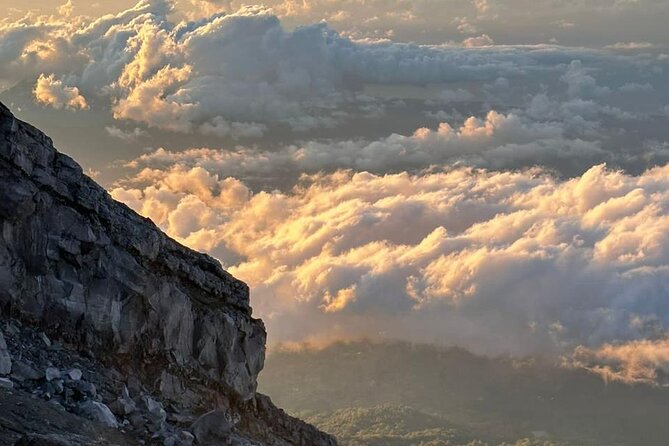
At $79.93 per person, the value depends on one thing: what you already have.
This price includes several “would-be extra costs” that can add up fast on volcano hikes:
- Climbing ticket
- Head flashlight, walking stick, gloves
- Breakfast
- Coffee/tea and snacks
- Pickup offered
- Group setup that keeps timing tight for sunrise
What you still need to cover yourself:
- Good trekking shoes
- Warm jacket and long pants
- Water (2 liters/person)
- Sun protection
- Extra clothing and a packing bag
So for someone who already owns trail shoes and cold-weather layers, this can feel like a solid deal because much of the “hike day” overhead is handled. For someone starting from zero, you may spend extra before you go—but you’ll still likely save money versus paying for each item separately or trying to improvise in the dark.
My rule of thumb: if you can show up ready for cold and rocks, the price looks fair. If you can’t, add a small budget for clothing and footwear so you don’t end up miserable at the summit.
Who should do this trek (and who should rethink it)
This experience asks for moderate physical fitness. That’s not a free pass; it’s a “you’ll be okay if you’re prepared to work” level. The trail is described as rocky with dirt roads and involves night climbing, which can be harder than the same hike in daytime.
You’ll probably love it if:
- you’re chasing a true sunrise summit experience
- you’re comfortable hiking on uneven ground in low light
- you like guided adventures with clear safety support
- you want a mix of spiritual setting and big scenery
You should rethink it if:
- you hate steep rocky climbs or get anxious on uneven footing at night
- you don’t have proper shoes or you can’t get warm layers
- you’re hoping for a gentle hike without challenges
The good news is that guide support is part of the package. People in the guide team are described as friendly and attentive, and pacing adjustments show up as a theme. That’s exactly what reduces the fear factor for first-time intense trekkers.
Should you book Dekwar Mount Agung Sunrise Trekking?
Book it if you want a real Mount Agung sunrise experience with a local guide team, and you’re ready for a night hike that’s more “climb” than “walk.” The included gear (head flashlight, stick, gloves), plus snacks and coffee/tea, makes it easier to pull off the summit day without last-minute headaches.
I would pause before booking if you’re missing basic essentials like trekking shoes and a warm jacket, because the hike runs in cold conditions and the trail is rocky. Also, this trek depends on weather for sunrise visibility, so flexibility helps.
If you can handle those basics, this one-day volcano trek is a strong Bali choice. You’ll trade comfort for an early, high, sacred view that feels like it belongs on your life list.
FAQ
How long is the Mount Agung sunrise trekking experience?
It runs about 12 hours (approx.), which covers the night climb, the sunrise timing, and the descent.
What routes are available for Mount Agung?
You can choose between three options: Edelweiss Park to 3,142m, Pura Pasar Agung to 3,142m, or Pura Pasar Agung to 2,900m.
What’s included in the tour?
Included are breakfast, chocolate and fruit snacks (Banana Friends), coffee and/or tea, head flashlight, walking stick, climbing ticket, and gloves.
What should I bring since some items aren’t included?
You’ll want your own jacket, long pants, extra clothing, sun cream, trekking water (listed as 2 liters/person is not included), good trekking shoes, and a packing bag.
What fitness level do I need?
The tour is described as suitable for travelers with moderate physical fitness.
How big are the groups?
The experience has a maximum of 30 travelers.
What is the cancellation policy?
You can cancel for free up to 24 hours in advance for a full refund. Weather or minimum traveler requirements can also affect whether you’ll be offered another date or a full refund.