REVIEW · CATANIA
Mount Etna: Guided Trek 3,000 Meters to the Summit
Book on GetYourGuide →Operated by Etna Est · Bookable on GetYourGuide
Crater air at 3,000 meters rewires your senses. This Mount Etna guided trek is built for Europe’s tallest active volcano—with a volcanologist guide and real high-altitude crater time.
I especially love how the volcanologist-led explanations turn scary-looking rock into clear, human-scale geology. And I love that you don’t just walk—you ride up by cable car and earn big views before the steep parts begin.
You should know the mountain can be rough: exposed sections, wind, and shifting schedules are part of Etna’s personality. If you’re prone to vertigo or have respiratory or heart issues, this trek isn’t for you—and even fit hikers should come prepared for cold, grit, and changing conditions.
In This Review
- Key highlights you’ll feel in your day
- La Terrazza Dell’Etna: starting calm before the altitude hits
- The cable car ride: quick altitude and instant viewpoint payoff
- The 2,500m to 3,000m summit push: where lava texture teaches you to look
- Exploring the summit craters: learning Etna with a volcanologist guide
- The 2001 Crater stop at 2,700m: fumes, wind, and how to handle it
- The descent to 2,500m and the lunch break you should plan for
- What to pack for Etna: clothing for wind, ash, and real footing
- Who this Etna summit trek suits best (and who should skip it)
- Value check: is the $113.29 per person worth it?
- Should you book this Mount Etna summit trek?
- FAQ
- How long is the Mount Etna guided trek?
- Where do we meet, and is it round-trip?
- Is the cable car ticket included in the price?
- What physical level do I need?
- Can I wear contact lenses?
- Is it suitable for kids or people with health concerns?
Key highlights you’ll feel in your day
- Volcanologist-guided crater access that helps you read what you’re seeing, not just photograph it
- Cable car panorama time at altitude before the main hike
- Summit crater terrain near 3,000m, where lava scars show up close
- A stop at the 2001 Crater (2,700m) where fumes can drift your way
- Helmet + trekking pole support for a safer, steadier climb
- A guide who adapts the pace and route when weather flips fast
La Terrazza Dell’Etna: starting calm before the altitude hits
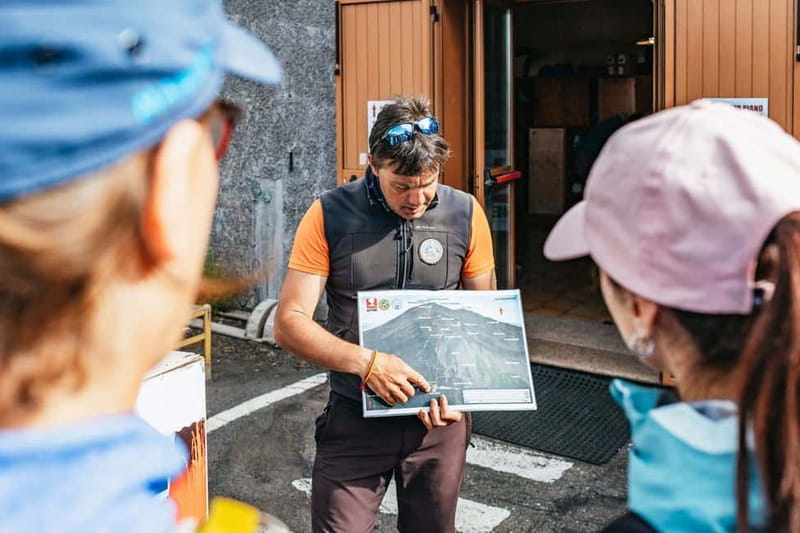
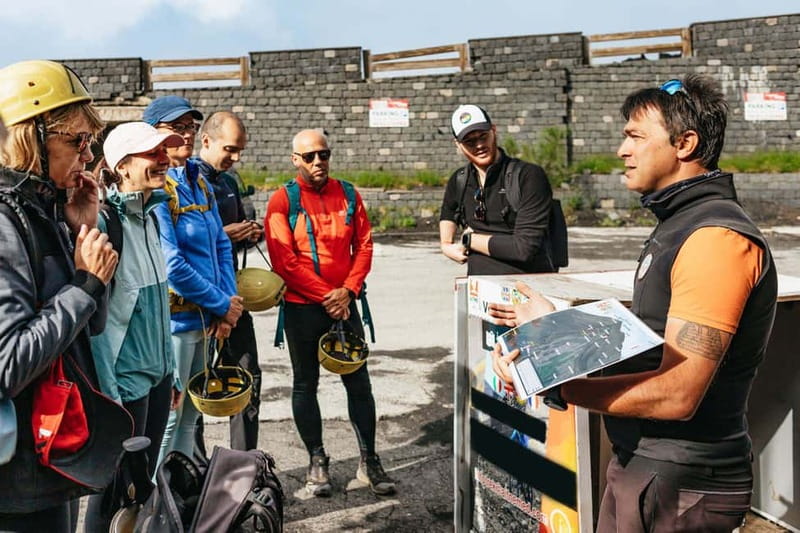
Your day begins at La Terrazza Dell’Etna, where you meet your guide and get a short briefing. This is more than a formality. It’s where you learn what kind of footing to expect—volcanic grit, uneven rock, and sections that can feel exposed depending on conditions.
One practical plus: you’re not showing up totally blind. You get clear guidance on how to walk safely on ash and lava surfaces, and you’re handed helmets and trekking poles. Several hikers noted how useful the setup was, especially on the descent when legs get tired and traction matters most.
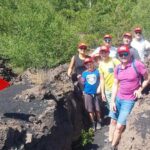
I also like that the pace is managed for real groups. Guides (often including Luca, among others) are known for balancing different fitness levels without making the faster folks slow down too much or letting the slower ones feel left behind. If you’re going as a mixed group—friends, couples, solo travelers—it helps.
One more Etna reality check: schedules aren’t guaranteed. Weather, environmental factors, and volcanic risk can interrupt plans, and your guide can adjust routes and timing. That’s not a “maybe”—it’s Etna’s operating mode.
You can also read our reviews of more tours and experiences in Catania.

The cable car ride: quick altitude and instant viewpoint payoff
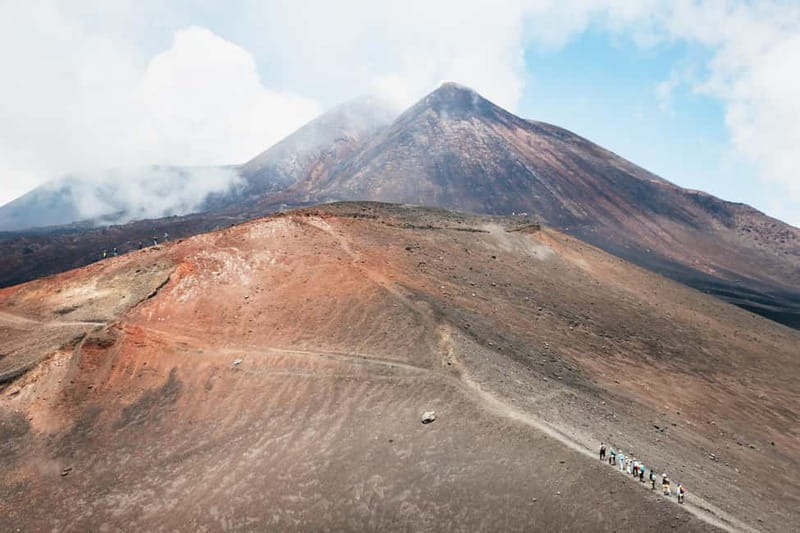
Next comes the cable car. It’s listed as a core part of the experience, and in plain terms, it buys you two things: altitude and time. You’re climbing quickly, so once you step out, the summit trek feels like the main event instead of the whole day.
Ticket details can be a little confusing because the tour information includes a cable car component, but also notes the cable car ticket is paid on site (about 50 EUR). If you want zero stress, plan for that extra cost. The good news is that the tour includes skip-the-ticket-line handling, so you’re not stuck wasting precious hours waiting.
In terms of views, this part matters. You start to see the contours of Etna’s slopes and the surrounding terrain from up high, which makes the later crater viewpoints more meaningful. It’s the moment your brain starts realizing you’re not walking around a mountain—you’re walking through a living system of eruptions, resets, and new scars.
And yes, it can be windy up there. Bring your warm layer even if the lowlands felt mild.
The 2,500m to 3,000m summit push: where lava texture teaches you to look
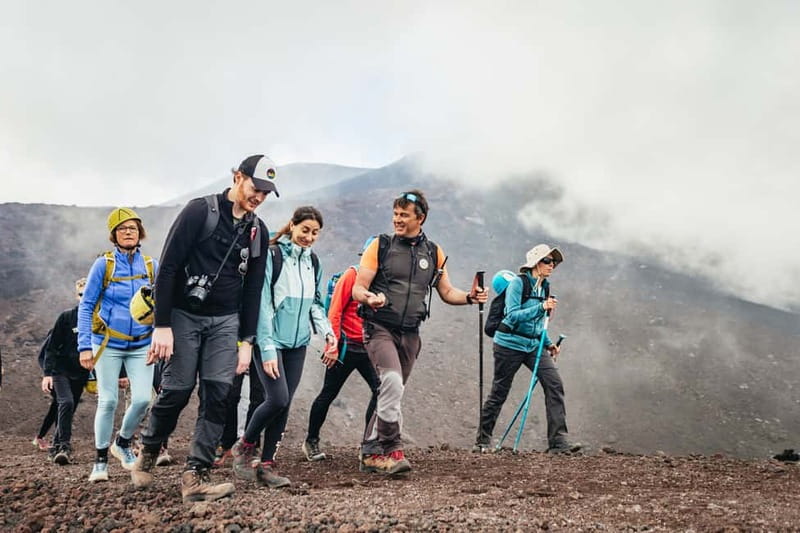
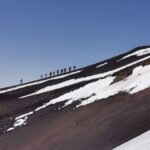
After the cable car, you’re at about 2,500 meters and you transition into the hike toward the crater zone around 3,000 meters. This is the heart of the tour: roughly two hours of hiking in volcanic terrain, then additional time near the summit area as you explore the crater viewpoints.
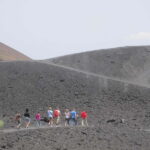
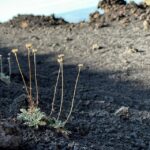
What you’re walking on is part of the story. Etna’s surfaces can switch from compact rock to loose ash to rougher lava flows. Your guide helps you spot the differences and explains how eruptions shaped what you see now. Guides like Luca are known for turning geology into something you can follow with your eyes—like when you notice old flow lines next to newer deposits.
Fitness-wise, this is rated for medium physical training. The tour assumes you can handle walking on sand and rock when there aren’t always neat trails. Some parts may be exposed, so a steady head helps.
Two things that make a real difference here:
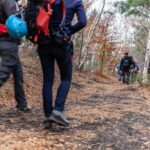
- Wear proper hiking shoes with good grip, and use high socks if your boots aren’t fully sealed at the top. Rock and pebbles can work their way in when you’re stepping over volcanic debris.
- Keep moving with short, controlled steps. On loose surfaces, it’s safer and usually less tiring than trying to stride.
If the weather plays along, you may get more panoramic crater-edge views. If it doesn’t, don’t panic. Guides will still find safe viewpoints and keep you progressing toward the key crater areas.
Exploring the summit craters: learning Etna with a volcanologist guide
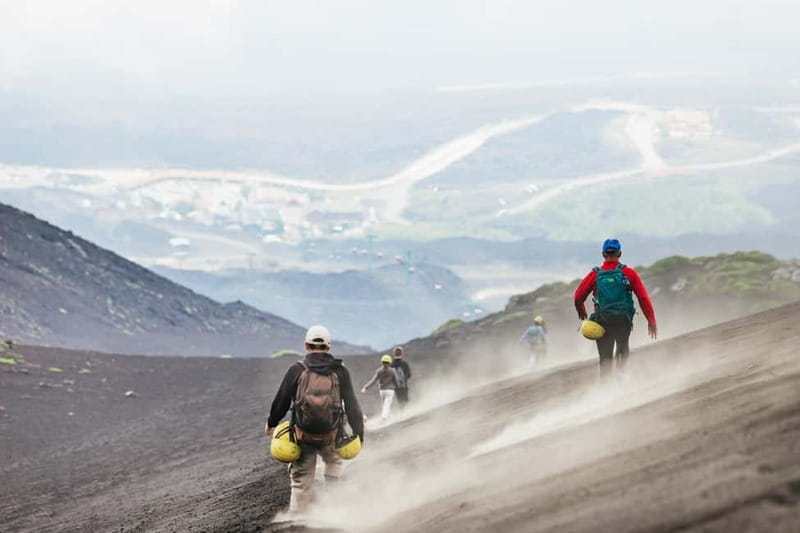
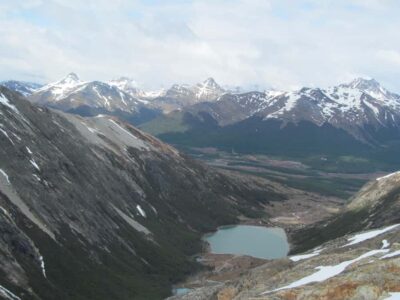
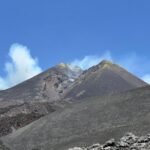
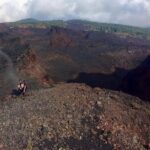
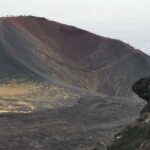
Reaching the summit crater area is where Etna stops feeling like a “sight” and starts feeling like a place with personality. From up top, you can look across the crater field and see layers of volcanic activity written into the ground.
This is also where having a volcanologist guide pays off. The best moments aren’t just the views. They’re when the guide points out what certain features mean—why one area looks fresher, why fumes show up where they do, and how the volcano’s behavior connects to the landscape you’re standing on.
Many hikers specifically call out crater-edge exploring (sometimes circling a crater edge when weather allows) and the feeling that you’re genuinely near the action, not just looking from a distance. The terrain can involve a scramble-like feeling in spots, especially on the descent, but you don’t need technical climbing skills. You do need attention, good footwear, and the right clothing.
Also, don’t ignore the role of your gear. Helmets are included for a reason on uneven volcanic paths. And trekking poles help you stay balanced when the ground turns crunchy or slippy.
The 2001 Crater stop at 2,700m: fumes, wind, and how to handle it
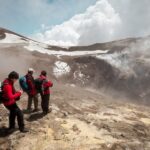
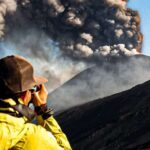
A standout moment is the stop at the 2001 Crater, at around 2,700 meters, which still fumes. This is the part of the day where Etna feels very present. You can often smell or sense volcanic gases, and wind direction can change quickly.
So here’s your practical move: bring some sort of face covering or dust mask if you tend to get bothered by smells or particulates. One hiker recommendation was to cover the nose and mouth in case gases blow your way. That advice fits with what Etna can do—especially when wind picks up.
Don’t treat the fumes like a “danger sign” you can ignore. Your guide will keep the group positioned safely and will manage where you stand and how long you linger. If conditions are poor, you might spend less time at certain viewpoints and more time on safe transit lines.
This stop is also valuable because it’s not the only crater you see. You’ll likely understand the crater field as a system of features—some active, some older, some still breathing. A good volcanologist guide makes those differences stick in your mind long after you’re back down.
The descent to 2,500m and the lunch break you should plan for
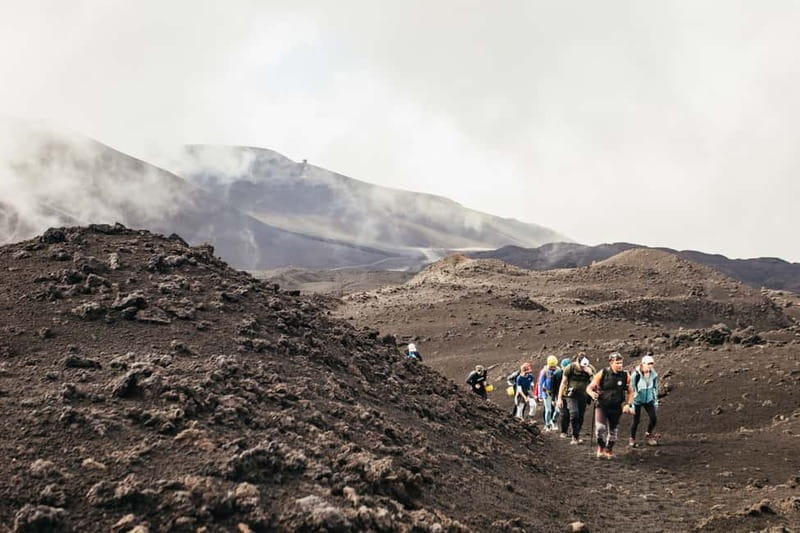
After the crater time, you head back down toward about 2,500 meters. Plan on 1.5 hours of hiking here. This is where tired legs show up, and the volcanic ground can feel trickier than it did on the way up.
If you remember only one tip: take your time. Descents demand control, especially when ash and small rock make footing less predictable. Trekking poles really earn their keep in this phase.
There’s also a lunch break, but lunch is not included. So you’ll want to bring a packed lunch and keep snacks handy for energy. Etna hiking at altitude eats calories fast, even when you think you’re fine.
One more reason to plan ahead: weather can make you feel colder than you expect. Multiple hikers recommended warm windproof layers, and it makes sense. On the summit, wind can hit hard, and your body temperature can drop quickly once you stop.
What to pack for Etna: clothing for wind, ash, and real footing
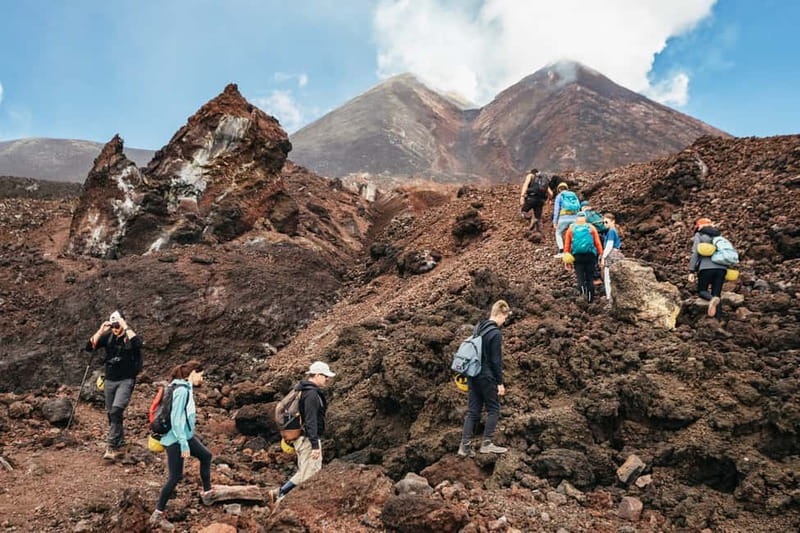
Etna is not a light “walk.” It’s an outdoor workout on volcanic terrain, and the checklist matters.
Bring:
- Hiking shoes (non-negotiable) and high socks to reduce debris getting inside boots
- Warm clothing plus layers you can zip and un-zip as the day changes
- Sunglasses (glare at altitude is real)
- Sunscreen
- An extra T-shirt, long trousers, and gloves/hat if you run cold
Also important: contact lenses are forbidden because volcanic ash can be spread by wind. If you wear contacts, plan for glasses or other alternatives.
Packing smart:
- Bring a 10 to 20-liter backpack
- Carry at least 1.5 liters of water
- Bring a snack and your packed lunch
- A windproof top and something to cover your face are worth it when the wind shifts
If you’re the type who underpacks for mountains, Etna will correct you fast. You don’t need to dress like an Arctic explorer, but you do need real wind protection and warm layers.
Who this Etna summit trek suits best (and who should skip it)
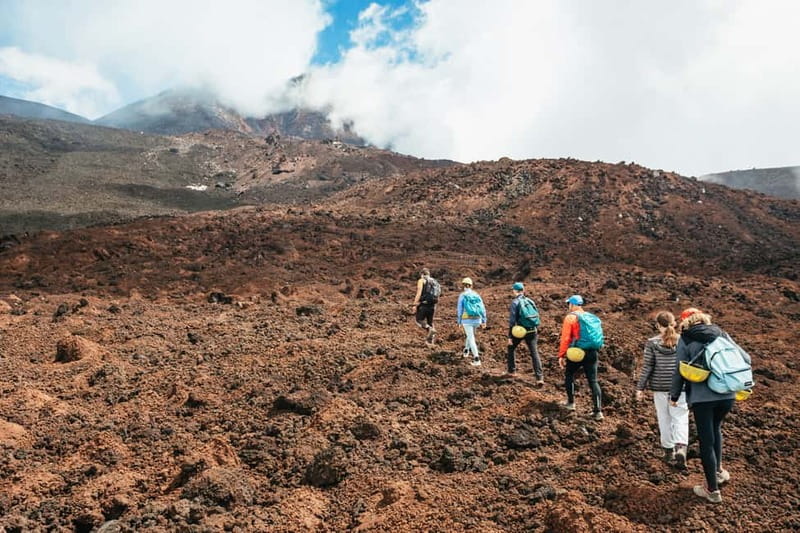
This tour is a great fit if you want a guided, high-altitude crater experience and you’re comfortable with a moderate hike on volcanic surfaces. It’s also ideal if you like learning as you walk—craters become far more interesting when someone can explain them on the spot.
It’s not a good fit for:
- Children under 10
- Pregnant women
- People with mobility impairments
- People with heart problems
- People with vertigo
- People with respiratory issues
If you’re nervous about height or have breathing limitations, this won’t feel safe or enjoyable. And if you don’t like exposed sections or you’re not used to uneven ground, you may find it stressful.
On the upside, guides are known for adjusting the route and pacing to the group. That means you can get an experience that still feels personal, even when the group is mixed.
Value check: is the $113.29 per person worth it?
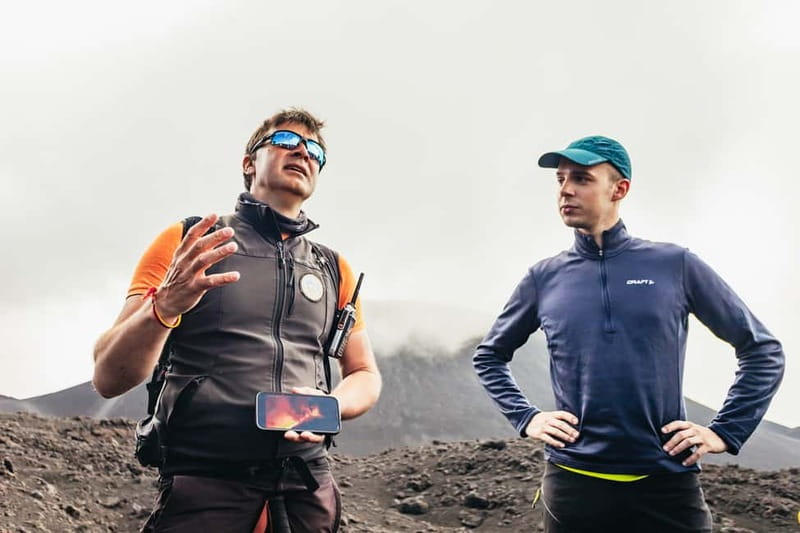
At $113.29 per person, this isn’t a budget “peek.” But it’s also not just a casual stroll. You’re getting:
- A live volcanologist guide for on-the-ground learning
- Helmets and trekking poles
- A cable car component plus crater hiking time
- Insurance included
The biggest extra cost to plan for is the cable car ticket (listed at around 50 EUR on site) and your lunch (not included). If you budget for that, the pricing starts to look fair because Etna is tough terrain and you’re not doing it solo.
In my view, it’s good value if you care about understanding what you’re seeing—not only checking a box. When the guide is strong (Luca is repeatedly praised for humor, pacing, and clarity), the trip becomes a real education you can feel in your feet.
Should you book this Mount Etna summit trek?
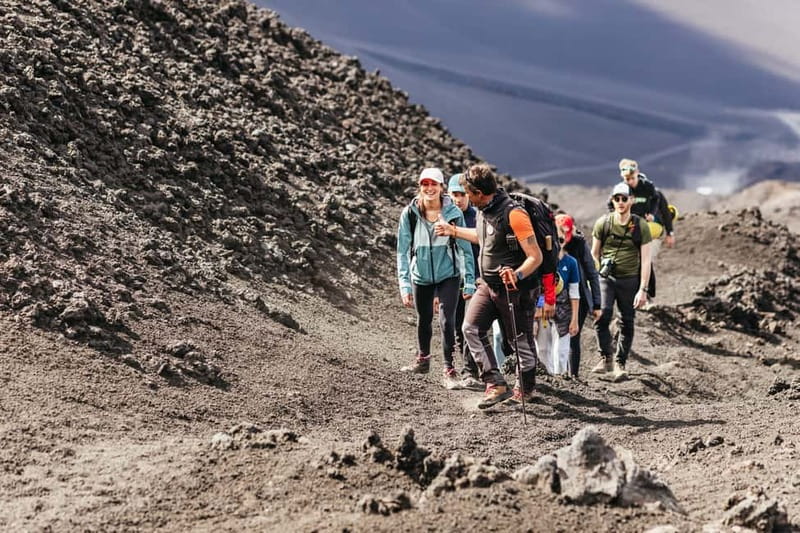
Book it if you:
- Want a guided Mount Etna crater hike near 3,000 meters
- Enjoy geology and would rather understand the volcano than just stare at it
- Can handle moderate hiking and uneven, sometimes exposed volcanic terrain
Skip it if you:
- Have vertigo, respiratory issues, heart conditions, or mobility limitations
- Hate wind-chill, don’t want to wear warm layers, or refuse to walk on gritty ground
- Are counting on perfect weather—Etna can change plans quickly
If you’re a solid hiker and you’re prepared for altitude, this one is a top-tier Sicily day. Etna’s summit feels raw and alive, and a volcanologist guide makes it more than a dramatic photo stop.
FAQ
How long is the Mount Etna guided trek?
The tour is listed as 6 hours.
Where do we meet, and is it round-trip?
You start at La Terrazza Dell’Etna and the experience ends back at the same meeting point.
Is the cable car ticket included in the price?
The information indicates the cable car is part of the experience, but the cable car ticket is listed as 50 EUR to be paid on site.
What physical level do I need?
This trek is suitable for people with medium physical training. You should be accustomed to walking on sand and rock, and some parts of the path may be exposed.
Can I wear contact lenses?
No. Contact lenses are forbidden due to volcanic ash spread by wind.
Is it suitable for kids or people with health concerns?
It’s not suitable for children under 10, and it’s also not suitable for pregnant women, people with mobility impairments, heart problems, vertigo, or respiratory issues.
If you want, tell me your fitness level and your travel month, and I’ll suggest what clothing strategy makes the biggest difference for that time of year on Etna.