REVIEW · POKHARA
3-Day Poon Hill Trek from Pokhara.
Book on Viator →Operated by Eco Holidays Nepal · Bookable on Viator
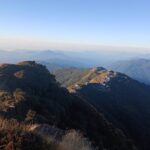
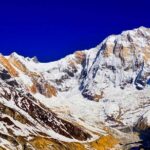
Three days, one big Himalayan sunrise. This private Poon Hill trek from Pokhara is a classic teahouse style hike with moderate effort, rhododendron forests, villages, and those panoramic moments at sunrise.
I love that the essentials are handled for you: breakfast, lunch, and dinner plus tea house accommodation on twin sharing, along with a sleeping bag and a duffel bag. It also helps that the trek can be customized to your needs if you have specific limits or preferences.
One drawback to plan for: it’s weather-dependent, and the whole point is the sunrise lookout. If clouds roll in, the view can be less dramatic, and you may need to switch dates or accept a refund.
In This Review
- Key Highlights You’ll Feel Right Away
- Pokhara to Poon Hill: Why This 3-Day Trek Works
- The Tea House Style: Comfort, Culture, and Real-Time Fuel
- Poon Hill Sunrise: The View Moment You Plan Everything Around
- How the 3 Days Usually Feel (With What’s Actually Included)
- Price and Logistics: What You’re Paying For at $410
- Guides and Service Quality: The Names That Kept Coming Up
- What to Pack and What to Expect From Tea Houses
- Best-Fit Traveler: Who This Trek Suits
- Should You Book? My Decision Checklist
- FAQ
- How long is the Poon Hill trek from Pokhara?
- Is pickup included?
- What meals are included during the trek?
- Do I need to bring a sleeping bag?
- Where do I stay during the trek?
- Is a porter included?
- What happens if the weather is bad?
Key Highlights You’ll Feel Right Away
- Private, customizable trek with only your group
- Tea house lodging + full meals (breakfast, lunch, dinner)
- Sleeping bag and duffel bag included, so you can travel lighter
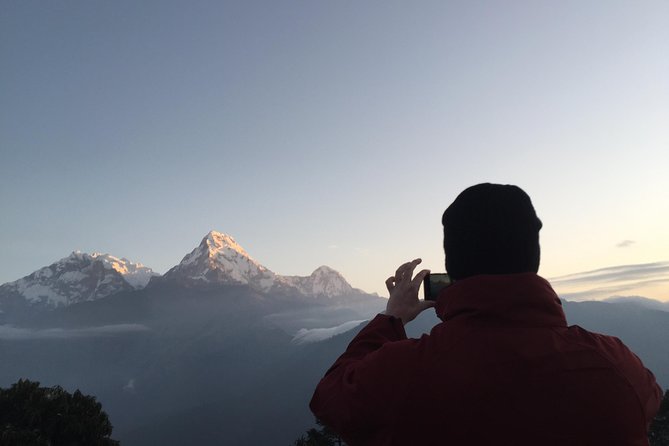
- Poon Hill sunrise viewpoint for big-Himalaya “wow” energy
- Guides with strong track records, including names like BK, Shiva, Bikram, Sagar, and Sudip Shrestha
- Weather-sensitive experience that can shift dates if visibility is poor
Pokhara to Poon Hill: Why This 3-Day Trek Works
Pokhara is the launchpad for so many Annapurna-region adventures, and this one keeps things focused. You’re doing a short trek designed for people who want the Himalayan feel without spending a week (or two) getting there.
At 3 days, the rhythm is simple: you hike through rural scenery, sleep in tea houses, eat well, then go after the sunrise views at Poon Hill. The route stays “moderately challenging” and doesn’t push very high altitude, so it’s a more realistic option if you have hiking experience but you’re not trying to chase extreme peaks.
This trek also fits well if you like a bit of structure. Even when you’re hiking independently in spirit, you’re still relying on a plan that includes transportation and meals. That means less time worrying, more time walking, taking pictures, and talking with people along the trail.
You can also read our reviews of more tours and experiences in Pokhara.

The Tea House Style: Comfort, Culture, and Real-Time Fuel
This is a classic teahouse trek, so your “basecamp” changes every night, but the setup is familiar. You’ll sleep in tea house accommodation on twin sharing, and you’ll have meals included across breakfast, lunch, and dinner.
Why that matters: on short treks, meals and lodging can make or break your energy. If you’re already paying attention to altitude, footing, and timing, you do not want to spend your day hunting down food logistics. Here, the day-to-day rhythm is built around the tea house system, so you can focus on the hike itself.
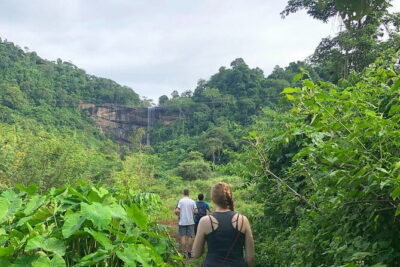
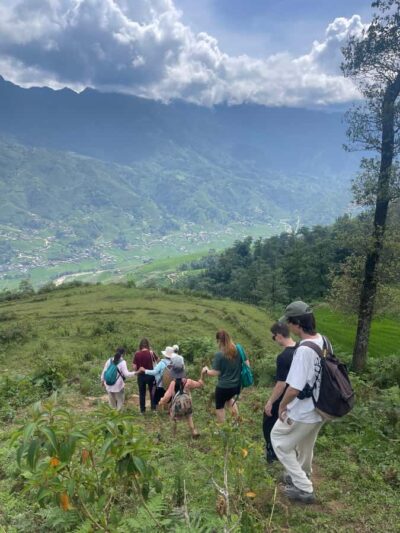
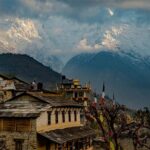
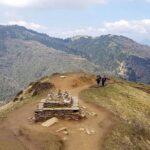
You’ll also pass through landscapes and settings that feel very human: rhododendron forests, mountain villages, and rice fields. That blend is a big part of why Poon Hill is popular. You’re not only chasing views. You’re moving through working Nepal—seasonal gardens, trail chatter, and the slow pace of rural life.
A practical note: bottled water isn’t included, and WiFi or battery charging isn’t either. Tea houses often have limited electricity and connectivity, so I’d treat phone charging and online access as a bonus, not a promise.
Poon Hill Sunrise: The View Moment You Plan Everything Around
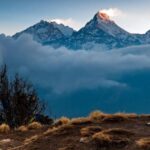
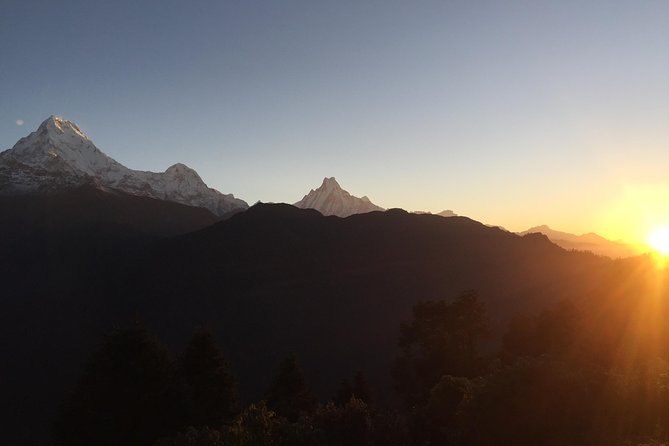
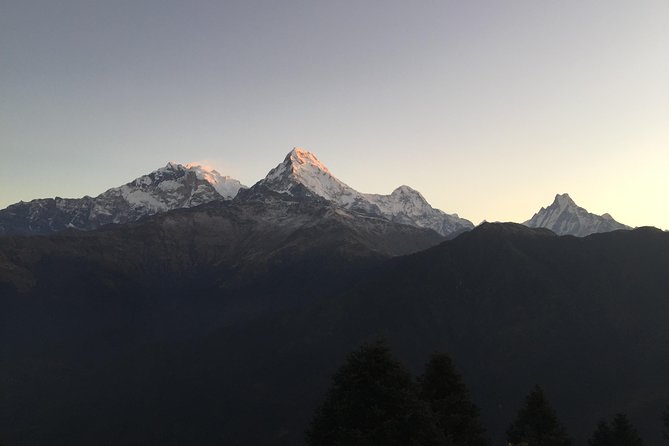
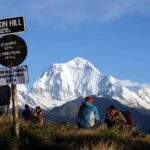
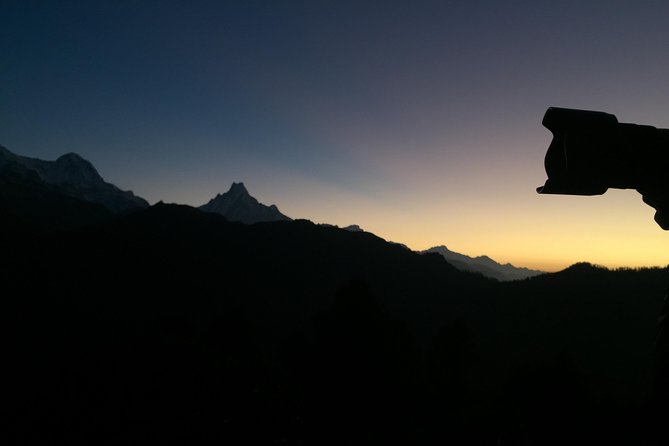
Poon Hill is the headline for a reason: the trek is timed around the sunrise lookout. That means your hiking trip has a built-in purpose, not just a walk with a random scenic moment at the end.
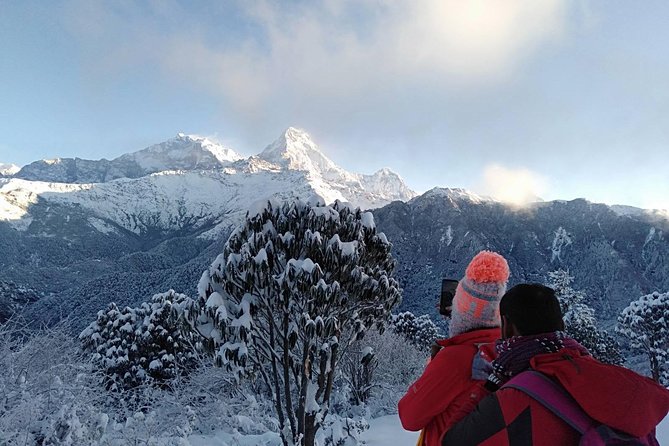
Sunrise weather is the tricky part. The experience requires good weather, and if it’s canceled due to poor conditions, you’ll typically be offered a different date or a full refund. Translation: you should book with the mindset that clouds can happen. It’s still worth it, because even a “not-perfect” morning can feel unforgettable up there—but you’ll want realistic expectations.
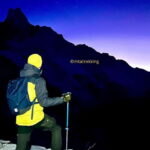
Also, sunrise-view hikes reward early starts. If you don’t love getting up before your usual alarm rhythm, you’ll feel it here. The good news is that you’re not doing this for days on end. It’s a short trek built for that one early highlight.
How the 3 Days Usually Feel (With What’s Actually Included)
With only three days, you want your expectations to match the pace. You’re not doing a long, slow acclimatization journey. You’re doing a focused trek that moves through scenery and keeps you comfortable with lodging and meals.
Here’s the structure in plain terms, using what’s clearly included:
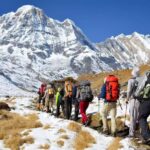
Daytime hiking with included meals. You’ll be out on the trail passing through rhododendron forests, villages, and rice fields. Lunch and dinner are covered, and breakfast is included too, so you can keep your energy steady without constant planning.
Tea house nights. You stay in tea house accommodation each night (twin sharing). This keeps the trip manageable in a short timeframe and lets you experience the local trekking setup that people come for in the first place.
The Poon Hill stop for sunrise views. The trek’s key stop is Poon Hill, where you’ll experience the panoramic Himalaya views during sunrise hours.
If you’re the kind of traveler who likes checklists, this itinerary is easy to understand: walk, eat, sleep, then chase the sunrise moment. The only “wild card” is weather.
Price and Logistics: What You’re Paying For at $410
At $410 per person, this trek isn’t the cheapest version of Poon Hill. But it’s not overpriced either—mainly because a lot of the day-to-day costs are folded in.
Included items you should value:
- Private transportation (and pickup is offered)
- Tea house accommodation on twin sharing
- Sleeping bag + duffel bag
- First aid kit
- Meals: breakfast, lunch, dinner
- All fees and taxes
Not included items that can add up:
- Bottled water
- Snacks
- Alcoholic beverages
- WiFi and battery charge
- Personal expenses
- Tips
- Porter
Here’s the practical way I’d think about it: this price buys you planning, comfort, and basics (food + lodging + key gear). If you were to self-organize, you’d likely spend time coordinating transport, lodging, and meal arrangements—and you’d still need to solve sleeping gear.
On the other hand, since a porter isn’t included, you’ll want to decide whether you’ll carry your own pack. The trek provides a sleeping bag and duffel bag, which reduces what you need to carry, but you’ll still want a realistic view of your load.
Also, this is a private experience, meaning only your group participates. That privacy can be worth it if you’re traveling with friends or family and you want flexibility.

Guides and Service Quality: The Names That Kept Coming Up
The biggest difference between an okay trek and a great one is often the guide. In this case, the guide names that show up in strong feedback include BK, Shiva, Bikram, Sagar, and Sudip Shrestha.
What stands out across these guide stories is how practical they are:
- They help with the route and timing.
- They’re friendly and supportive on the trail.
- They help with the small necessities that can be annoying when you’re traveling in Nepal for the first time.
One helpful detail: some people specifically highlighted that the team handled wrap-around elements like Kathmandu to Pokhara transport, a Pokhara hotel, and the food side of things. Even if your exact setup varies, it signals a company that doesn’t treat trekking like a box-ticking exercise.
If you care about having someone who can steer you around common friction points—what to carry, where to stop, how to pace—that matters more than fancy promises.
What to Pack and What to Expect From Tea Houses
You’re getting a sleeping bag and duffel bag, so you can travel lighter than you might for other treks. That said, you still need to bring the stuff that keeps you comfortable and mobile.
From what’s not included, here’s what to plan for:
- Snacks if you want extras between meals
- Bottled water (buy as needed on the route)
- Some cash for small purchases (tea house extras, WiFi, battery charging)
- Tips for guide/service (since tips aren’t included)
- A clear decision on whether you’ll hire a porter yourself
You should also expect basic tea house standards. These aren’t luxury hotels. The upside is that they’re part of the experience: hot food, simple rooms, and a predictable setup that supports a short trek.
If you’re sensitive to cold, plan accordingly. Nights at altitude-adjacent trekking points can feel chilly, even if the trek is considered moderate. Your sleeping bag will help, but layering is smart.
Best-Fit Traveler: Who This Trek Suits
This is best for moderately fit travelers with hiking experience. That’s not gatekeeping; it’s just honest. The trail is described as moderately challenging and not rising too high in altitude, but you’ll still be hiking daily.
It also makes sense for:
- People who want the Himalayan teahouse vibe without a long time commitment
- Travelers who prefer a private plan rather than being grouped into a big crowd
- Folks who value support, especially for first-time trekking nerves
And if you’re older or returning to trekking after time off, it can still work. Some trekking stories emphasize comfort and support on the trail. If you choose this, tell your team about your pacing needs and let the customization do its job.
Service animals are allowed, and the area is near public transportation. If you have specific needs, confirm them before you go.
Should You Book? My Decision Checklist
Book this trek if you want:
- A short, well-managed way to experience Poon Hill
- Meals and tea house lodging included
- A plan that reduces logistics stress (pickup + private transportation)
- A sunrise focus with a classic Nepal trekking feel
Skip it or think twice if:
- You can’t handle uncertainty with weather-dependent views
- You strongly dislike early starts for sunrise hikes
- You expect everything (including porter support, WiFi, and water) to be included in the price
One last practical thought: you’re paying for convenience and structure here. If you’re confident self-organizing and you love independent travel, you might find cheaper options. If you’d rather spend your energy on the mountains instead of managing details, this format is a very solid deal.
FAQ
How long is the Poon Hill trek from Pokhara?
It’s a 3-day trek with tea house accommodation and meals included.
Is pickup included?
Pickup is offered, and private transportation is included.
What meals are included during the trek?
You get breakfast, lunch, and dinner.
Do I need to bring a sleeping bag?
No. A sleeping bag is provided, along with a duffel bag.
Where do I stay during the trek?
You’ll stay in tea house accommodation on twin sharing.
Is a porter included?
No. A porter is not included.
What happens if the weather is bad?
This trek requires good weather. If it’s canceled due to poor weather, you’ll be offered a different date or a full refund.
If you want, tell me your fitness level and your travel month, and I’ll help you judge whether Poon Hill sunrise is likely to fit your expectations.