REVIEW · POKHARA
Pokhara: 5 Day Annapurna Base Camp Trek & Natural Hot Spring
Book on GetYourGuide →Operated by Linkage Tour & Travel · Bookable on GetYourGuide
Base camp feels like a cheat code in the mountains. This 5-day Annapurna Base Camp trek from Pokhara pairs classic Himalayan views with real village life, and it ends with a Jhinu natural hot spring soak. Two things I especially like are how the route climbs through different terrain each day and how the experience is guided end-to-end so you spend less time guessing and more time walking.
I also like that you’re not just chasing a summit photo: you get iconic peaks in view, plus time to explore the Annapurna Base Camp area when you arrive. One drawback to think about up front: meals are not included, and higher up you’ll pay at tea houses where prices can change, so you need a realistic budget and a bit of patience with cold, tired legs.
In This Review
- Key things that make this trek work
- First night in Pokhara: the setup you’ll be grateful for
- Day 1: Pokhara to Jhinu and Lower Sinuwa feels like you’re waking up
- Day 2: Deurali at 3,200m teaches you pace fast
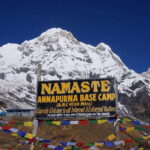
- Day 3: The push to Annapurna Base Camp with Machhapuchhre in view
- Day 4: Base camp time plus the Bamboo stop gives you breathing room
- Day 5: Down to Jhinu for hot springs, then back to Pokhara
- Guides: the difference between surviving and enjoying the trek
- Price and logistics: what $171 covers, and what you must budget
- Lodges, blankets, and cold nights: how to pack without overthinking
- Weather reality: January can be clear, monsoon can be messy
- Culture on the way up: Gurung villages you’ll pass through
- Should you book this 5-day ABC trek from Pokhara?
- FAQ
- How long is the Annapurna Base Camp trek?
- What is the highest altitude on this trek?
- Where does the trek start and where do you return to?
- Are the permits included?
- Will I have a guide, and what language do they speak?
- Is accommodation included?
- Are meals included in the price?
- Do I need a porter?
- Is the hot spring stop included?
- Is this trek suitable for pregnant women?
Key things that make this trek work
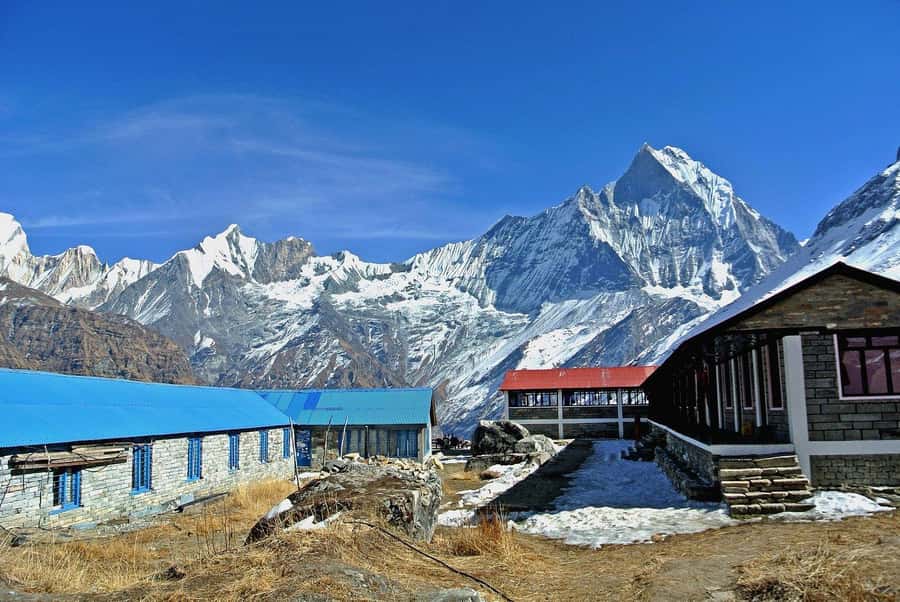
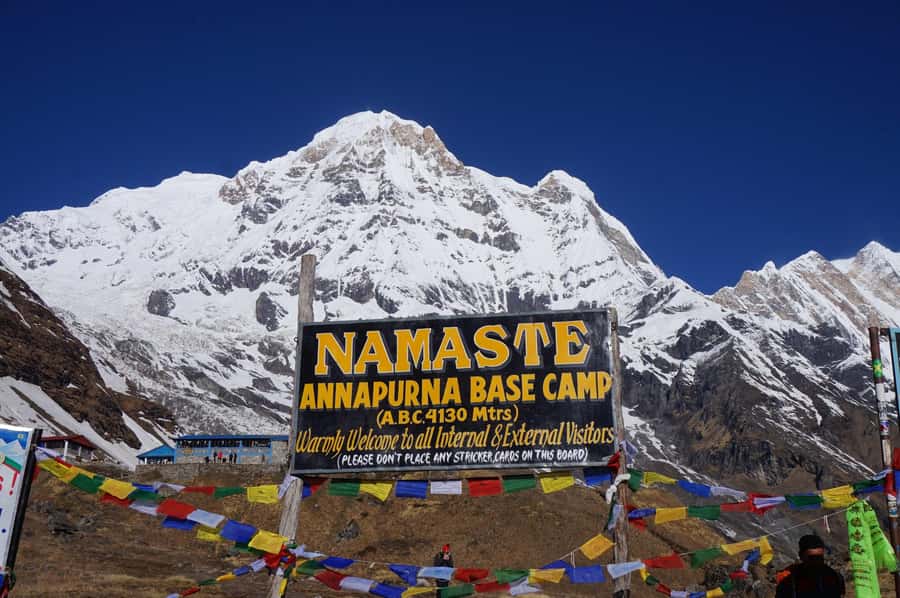
- Annapurna Base Camp at 4,130m: big altitude, big payoff, and a clear sense of achievement
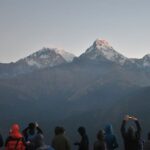
- Machhapuchhre (Fishtail) and Hiunchuli in the mix: you’ll spot more than just one peak
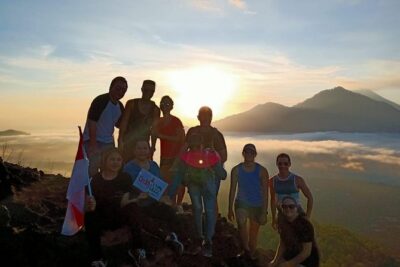
- Gurung villages and daily mountain life: you’ll meet people as you climb
- Guides who handle pace and altitude concerns: many travelers highlight quick support when someone feels unwell
- Jhinu hot springs on the way back: a simple reward after hiking hours in cold air
First night in Pokhara: the setup you’ll be grateful for
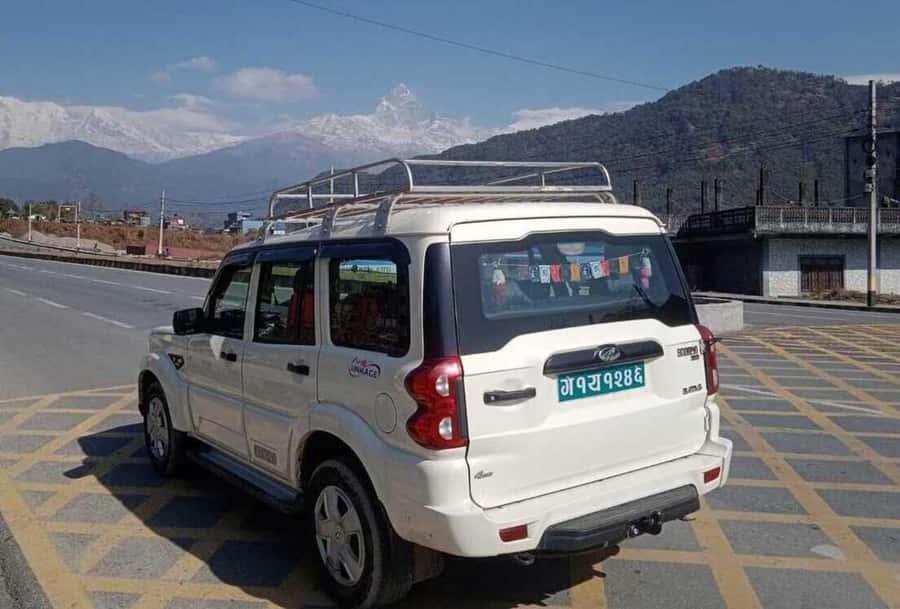
Pokhara is where this whole trek makes sense. You’ll get picked up from Lakeside Pokhara (Lake Side option) or even from the airport/your hotel area by car, then you’ll head toward the trekking start point. The early transport matters because the last thing you want is a stressful morning with confusing directions.
The trek is private, and it’s led by an English-speaking guide. In practice, that means you get a real person to ask about trail choices, water, and how hard to push on a given day. It also helps if you’re new to trekking, since the guide can keep you moving at a safe rhythm.
And yes, the schedule is tight: 5 days is enough to reach Annapurna Base Camp, but you should expect some real exertion each day. The good news is the included structure removes a lot of uncertainty.
You can also read our reviews of more tours and experiences in Pokhara.
Day 1: Pokhara to Jhinu and Lower Sinuwa feels like you’re waking up
Your first day starts with a car ride (about 2 hours) and then turns into hiking time. The plan takes you from the Pokhara area to Jhinu and then onward to Lower Sinuwa, climbing to roughly 2,300m over about 5 hours of walking.
What I like about this start is that it doesn’t throw you straight into brutal altitude. Jhinu is also your “hint” that this trek includes a natural hot-spring reward later. You’re basically setting up the story arc: hike up today, recover later.
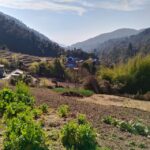
Lower Sinuwa is where the trail begins to feel more like proper trekking country. You’ll be walking through a mix of cultivated land and forested sections, and that changing scenery is more than decoration—it helps keep your brain engaged when your legs get slow.
Potential consideration: your Day 1 pace matters because today sets the tone for the week. If you sprint early, you’ll feel it sooner than you want.
Day 2: Deurali at 3,200m teaches you pace fast
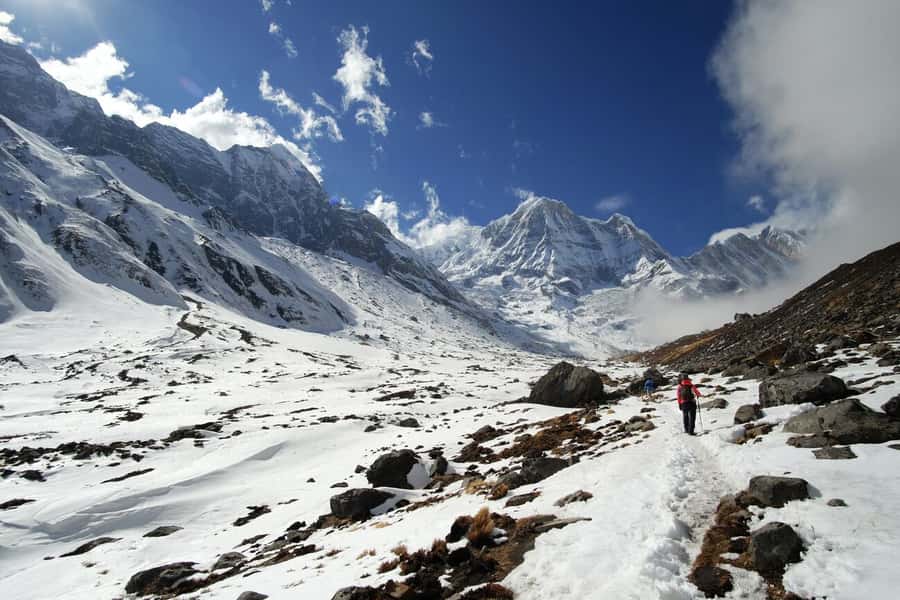
Day 2 takes you from Lower Sinuwa to Deurali, climbing to about 3,200m with roughly 6 hours of hiking.
This day is about adapting. At this altitude, your body starts to notice the effort even when you’re not doing anything extreme. That’s exactly why a good guide matters. Multiple travelers in the feedback I reviewed praised guides for keeping pace realistic and for checking in when altitude starts to play games.
You’ll likely move through dense forest at parts of the route, then gradually feel the air tighten as you near Deurali. Forest sections can be easier on the mind (more cover, more rhythm), but don’t confuse that with “easy.” Steady uphill is still steady uphill.
What you’ll love if you’re the type who likes steady progress: Deurali feels like a checkpoint where the trek becomes clearly “serious” rather than just scenic walking.
Day 3: The push to Annapurna Base Camp with Machhapuchhre in view
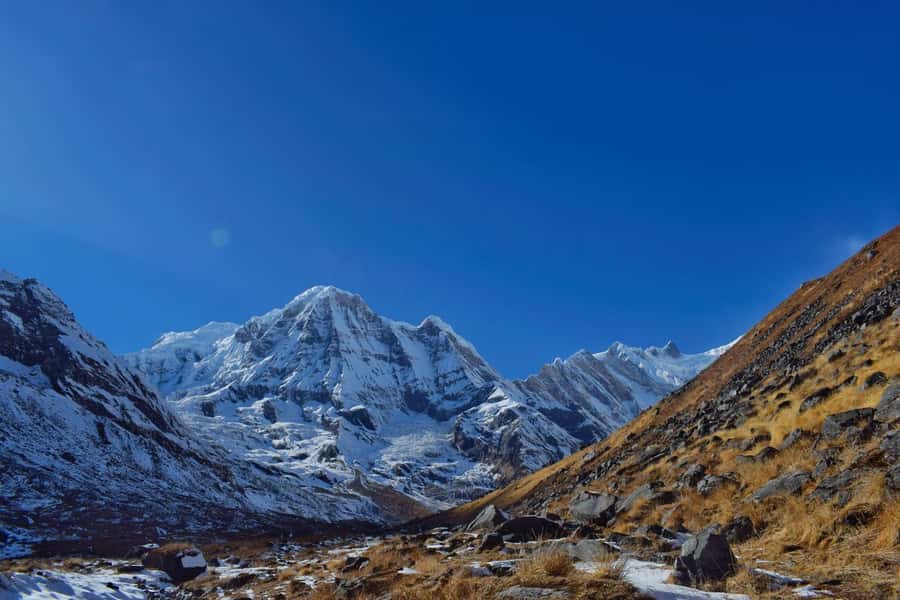
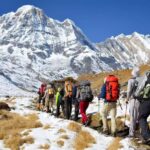
This is the day most people remember. You’ll go from Deurali to Annapurna Base Camp via Machhapuchhre Base Camp, reaching around 4,130m. The hiking time is listed at about 4 hours, but don’t treat that number as casual. Higher altitudes make everything feel slower and more effort-based.
This is the day you’ll notice the biggest altitude shift. Even if you’ve done hikes before, the air at base camp elevation is different—cooler, drier, and less forgiving if you rush.
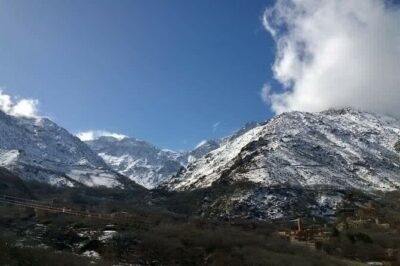
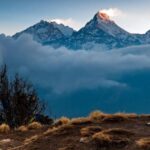
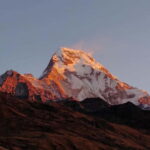
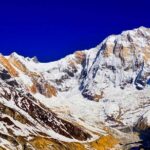
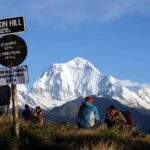
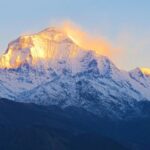
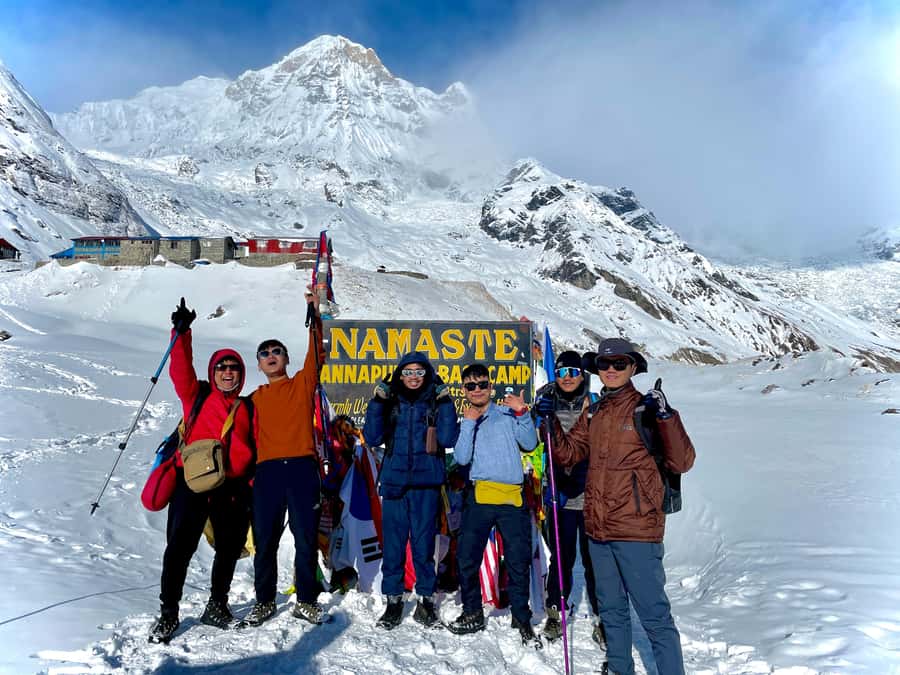
Why it’s worth it: you’re walking through one of the most iconic views zones in the region, with Machhapuchhre (Fishtail) and Hiunchuli part of the backdrop as you near base camp. You’ll feel that moment where the trek changes from “getting there” into “looking around and trying to take it all in without running out of breath.”
One practical drawback: it can get cold quickly. People mention cold conditions at Annapurna Base Camp, so pack for layers even when Pokhara feels warm.
Day 4: Base camp time plus the Bamboo stop gives you breathing room
On Day 4, you’ll spend time exploring Annapurna Base Camp and then trek onward to Bamboo, dropping back down to around 2,400m. The total walking time is about 6 hours.
This is a smart design. If your schedule only offered a quick base camp stop, you’d miss the best part: lingering there long enough to feel your accomplishment and take photos without it turning into a sprint.
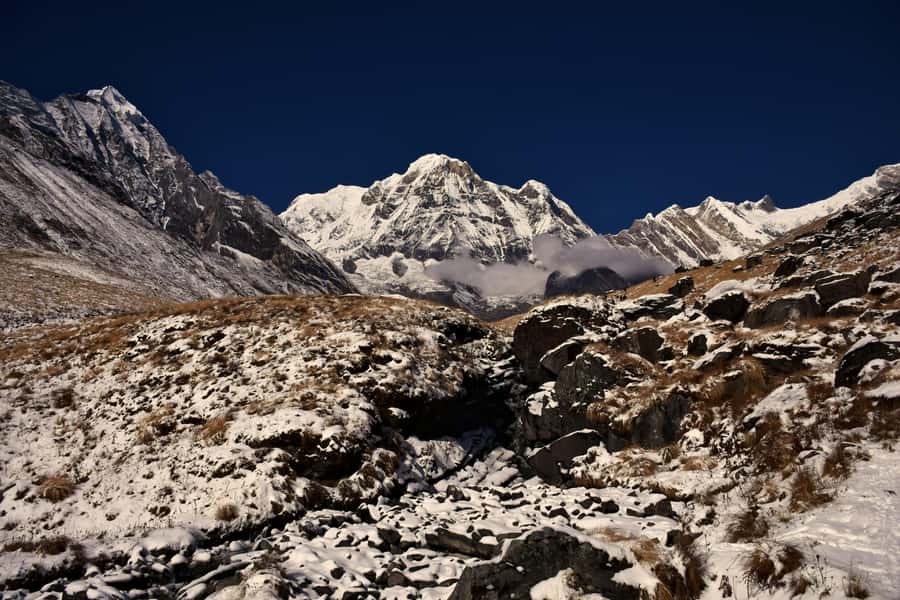
Exploring the base camp area can also give you a better sense of why this trek is famous. You’re not just at a viewpoint—you’re inside the Annapurna massif atmosphere. It helps you understand how big the whole region is.
Then comes Bamboo, where the day ends with a descent-friendly feeling. You’ll be moving enough to stay warm, but not climbing all day like a penalty shootout.
Day 5: Down to Jhinu for hot springs, then back to Pokhara
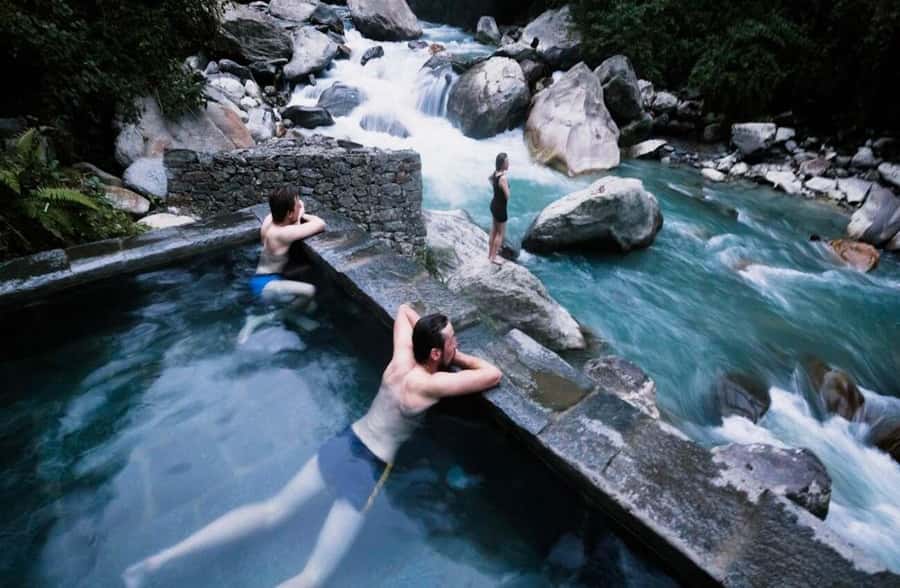
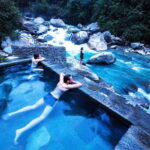
Your final day follows a downhill and recovery vibe. You’ll trek from Bamboo to Jhinu and then drive back to Pokhara with a hot spring stop. The driving elevation listed is 822m, and the full day is about 6 hours.
Jhinu hot springs are the payoff for the whole climb. After cold air at higher altitude and long hours on uneven stone paths, a warm soak gives your legs the reset they’ve been craving. People remember this part because it feels practical, not just decorative.
Then you return to Pokhara, where the whole trip starts to feel real again. You’ll likely spend time eating something warm, staring at normal-height scenery, and telling yourself you’ll be more hydrated next time—then you won’t be, because you’ll be busy laughing with your guide.
Guides: the difference between surviving and enjoying the trek
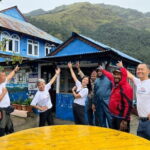
Here’s where the feedback gets consistently strong: the guides people had were described as calm, attentive, and protective—especially when things got hard.
Several guide names came up repeatedly, including Deepak, Paras, Hari, Sushil, Basanta, Narayan Dai, Bidur, Rudra, Sandesh, and Rajendra. Across these experiences, a few patterns show up:
- Guides adjusted pacing so the trek stayed achievable
- If someone felt altitude sickness coming on, guides provided care and options
- Many guides also explained local culture and mountain context on the trail, not like a lecture—more like helpful conversation as you walk
- Guides and porters reportedly made sure rest stops and meal stops didn’t get ignored
That matters because Annapurna Base Camp isn’t just about fitness. It’s about decision-making while tired: when to slow down, when to rest, and how to keep a group calm and moving.
One more practical note: porters are optional (listed at $15 per day). If you’re worried about pack weight, a porter can turn “hard but doable” into “hard but enjoyable.”
Price and logistics: what $171 covers, and what you must budget
The price listed is $171 per person for 5 days. The biggest value here is that the trek includes the essentials that usually cost time and coordination:
- Private accommodation on tourist standard lodge
- Hotel pick-up and drop-off (Lakeside Pokhara and airport/hotel area by car)
- Sharing jeep to Jhinu and back
- Annapurna Conservation Area (ACAP) permit plus TIMS and taxes
- A professional trekking guide with government registration
- First aid kit on the trek
- Luggage storage on Pokhara during the trekking period
- Extra gear support if needed (listed as duffel bag/trekking pole/trekking bag if required)
Not included is where you need to plan: meals. Meals are “available for purchase,” and higher up you should expect prices to vary. One useful thing I’d do before you go: carry cash and keep some small bills for tea houses.
Also remember transport is sharing jeep for the road portion. That generally keeps costs lower, but it can mean you’re on a shared schedule rather than a solo one.
Value check: if meals aren’t included and you skip a porter, you’re saving money in one way but paying more in stress and fatigue. If you want the trek to feel like an adventure and not a punishment, it’s worth considering a porter if your pack load feels heavy.
Lodges, blankets, and cold nights: how to pack without overthinking
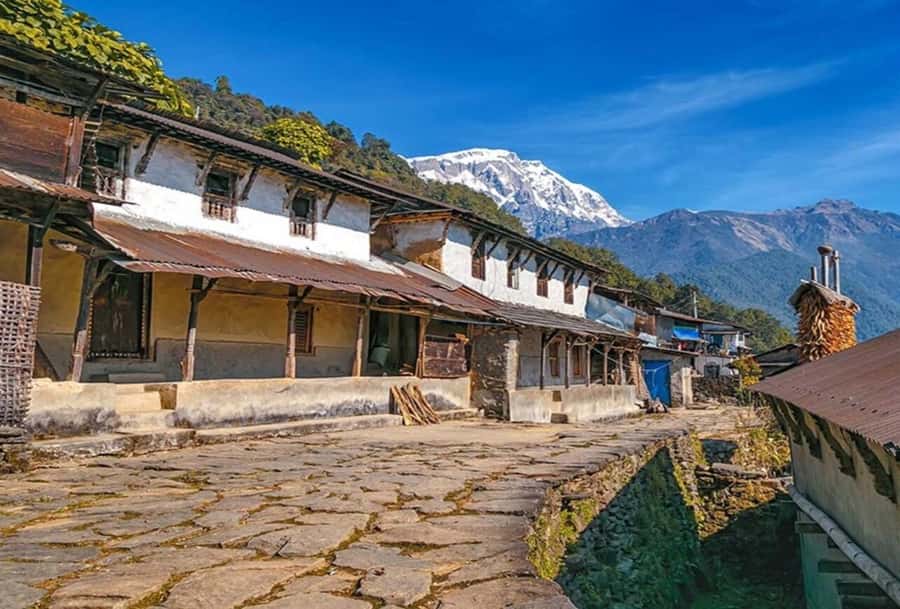
You’ll stay in tourist standard lodges, with private accommodation included. That’s a big deal at higher altitude because you’ll be tired and cold, and you’ll want your own space to sleep and reset.
Cold is a theme. Even in good weather, it can get chilly at higher elevations. Some feedback mentions extra blankets at lodges, which is great, but you should still bring proper layers and comfortable shoes.
A few packing tips that match what you’ll actually face:
- Comfortable hiking shoes first; shoes that feel good in the morning
- Layers you can add/remove as you climb and then cool down
- If you’re trekking during wetter months, you’ll want to consider rain protection, and leeches can be part of the picture in monsoon conditions (this came up in feedback)
Weather reality: January can be clear, monsoon can be messy
Your experience can change depending on season. In feedback tied to winter treks, people mentioned clear sunny skies for much of the route, which makes views at base camp feel extra dramatic.
During monsoon periods, feedback highlighted two things:
- Clouds can limit mountain views to short windows
- Leeches can show up on the trail
So what’s the takeaway? Don’t plan your day around perfect visibility. Plan around safe pace and a good attitude. On the days you can see the peaks, you’ll be grateful. On the days you can’t, you’ll still get the accomplishment and the culture stops along the way.
Culture on the way up: Gurung villages you’ll pass through
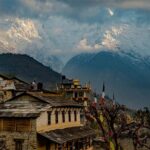
This trek is also about the people you meet while walking. The region is known for Gurung communities, and the route passes through traditional villages and daily life scenes—tea houses, simple shops, and conversations that help you understand where you are beyond the map.
Even if you don’t speak much Nepali, a guide who explains what you’re seeing makes the trip richer. Several guides in the feedback specifically took time to explain local culture and lifestyle along the trail.
It’s one of the best reasons to do the trek with a guide rather than only following a track.
Should you book this 5-day ABC trek from Pokhara?
Book it if you want:
- A time-efficient way to reach Annapurna Base Camp
- Guides who help you manage pace and altitude concerns
- A route that includes villages and ends with a real recovery moment at Jhinu hot springs
I’d hesitate if:
- You’re not comfortable with steep, cold hiking days (and you should assume it will be challenging)
- You don’t want to handle meal costs along the way
- You need an option other than this style of trek, since it’s listed as not suitable for pregnant women
If you’re mainly looking for one thing—Annapurna Base Camp with iconic views—this itinerary delivers. Just go in with the right mindset: you’re paying for the permits, guide, lodging, and logistics so you can focus on walking, staying safe, and enjoying the climb.
FAQ
How long is the Annapurna Base Camp trek?
The trek is 5 days.
What is the highest altitude on this trek?
You reach Annapurna Base Camp at about 4,130 meters.
Where does the trek start and where do you return to?
You start from Pokhara (with pickup in Lakeside Pokhara options) and you return to Pokhara, with drop-off also in Lakeside Pokhara.
Are the permits included?
Yes. The Annapurna Conservation Area (ACAP) permit and other government permits, TIMS, and taxes are included.
Will I have a guide, and what language do they speak?
Yes. You’ll have a live trekking guide, and the listed language is English.
Is accommodation included?
Yes. You get private accommodation on tourist standard lodges.
Are meals included in the price?
No. Meals are not included, but they’re available to purchase along the way.
Do I need a porter?
A porter is optional. The listed porter cost is $15 per day.
Is the hot spring stop included?
Yes. You’ll visit Jhinu and stop for the natural hot springs on the way back to Pokhara.
Is this trek suitable for pregnant women?
No. It is listed as not suitable for pregnant women.