REVIEW · SAPA
2 Days Fansipan Trekking
Book on Viator →Operated by Sapa Original Trek · Bookable on Viator
Fansipan tests you, then rewards you hard. I love the way a local Black H’Mong guide turns the hike into cultural time, and I love the practical perks like a hot shower and a medal/certificate after you’re done. You’ll also get a real shot at big summit views within just two days.
I’d flag one consideration first: this trek is genuinely tough. You’ll be doing long walking days with big elevation changes, and reviews call out thin air and the need for warm layers, especially when weather shifts.
The payoff is that you’re not just being driven from viewpoint to viewpoint. This 2-day Fansipan trekking experience from Sapa includes guided climbs, an overnight at base camp, meals, entrance fees, camping gear, and transport—plus an optional sunrise summit push.
In This Review
- Key Highlights to Know Before You Hike Fansipan
- Mount Fansipan in Two Days: The Real Reason People Love This Trek
- Getting Started in Sapa: Transport to Tram Ton Pass
- Day 1: Tram Ton Pass to Fansipan Through Pine, Bamboo, and Streams
- Base Camp Night: Sleeping Gear, Dinner, and the Hot Shower Advantage
- Day 2 Sunrise Option (4:00 or 6:00) and Your Descent Plan
- Your English-Speaking Guide: Culture You Can Ask Questions About
- Price and What You Actually Get for $136
- What Makes This Trek Feel Well-Run (Even When Conditions Change)
- Who This Trek Is Best For (and Who Should Rethink)
- Gear and Prep Tips That Actually Match the Conditions
- Should You Book This 2-Day Fansipan Trek?
- FAQ
- FAQ
- What is the duration of the 2 Days Fansipan Trekking?
- Where does the trek start in Sapa?
- How much does the Fansipan trek cost?
- Is this a private tour or shared group experience?
- What hiking distances and elevation changes are included?
- What’s included in the price?
- Are cable car tickets included?
- What time is breakfast on Day 2?
- Do I need strong physical fitness?
- Is there free cancellation?
Key Highlights to Know Before You Hike Fansipan
- Black H’Mong cultural guidance on the trail, not just at a stoplight
- Overnight at base camp with sleeping bag and mattress included
- Two solid hiking days with clear elevation expectations (steep up, big downhill)
- Hot shower in Sapa office before and after the trek
- Guide + porter support that keeps the pace steady in tougher conditions
- Optional sunrise summit timing with early-morning breakfast options
Mount Fansipan in Two Days: The Real Reason People Love This Trek
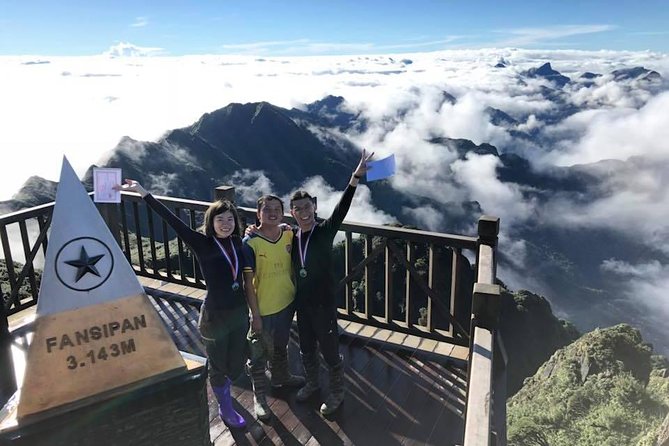
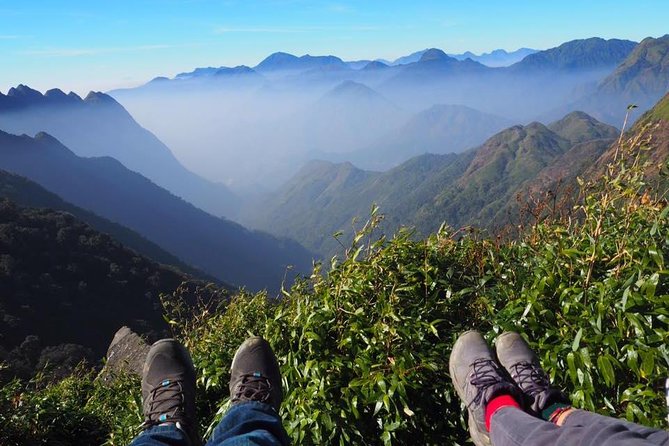
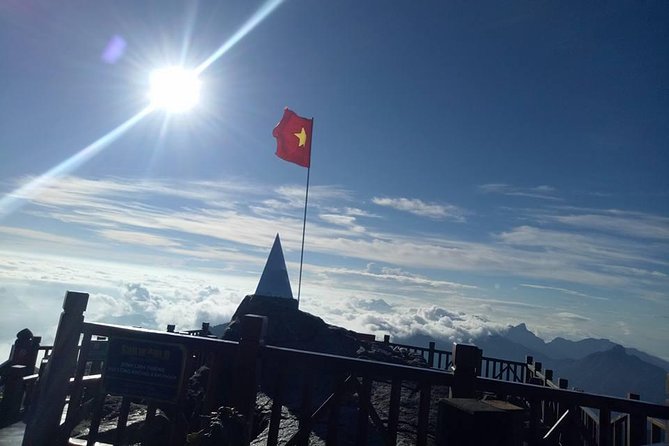
Mount Fansipan is known as the Roof of Indochina for a reason. It’s the highest point on the Indochina peninsula, and the views from the top are the kind that make you understand why people talk about northern Vietnam like it’s its own world. The best part of this tour format is how direct it is: you actually climb, you actually sweat, and you actually earn the view.
I also like that the experience is built around walking time, not filler. You get a full day to climb and summit on Day 1 (with a picnic lunch in the middle of it), then you spend Day 2 finishing either with another early start or a steady descent. That means your schedule feels serious and your effort makes sense.
One more value point: this trek isn’t just sightseeing. You’re traveling with a local guide from the Black H’Mong community, and the tour is designed to support sustainable tourism initiatives. That matters because it shifts your trip from consumption to connection.
The tradeoff? Expect the effort. This is for people with strong physical fitness. If your idea of hiking is a flat promenade, you’ll feel it fast.
Getting Started in Sapa: Transport to Tram Ton Pass
The tour starts at 8:30 am in Sapa, and it’s described as near public transportation, which helps if you’re arriving on your own. Your day begins with transport out to the trek start area.
Here’s a practical detail that’s worth noting: transport is done by car or motorbike, and for a solo traveler, they may use a scooter setup where the guide rides and you sit behind. That keeps things efficient, but it also means you’ll want to dress with wind protection in mind, since you’ll likely be moving through mountain air before you start walking.
After you’re at the start point, you’ll have the Tram Ton Pass segment with an admission ticket included. This is good because it removes one more thing from your mental load.
Day 1: Tram Ton Pass to Fansipan Through Pine, Bamboo, and Streams
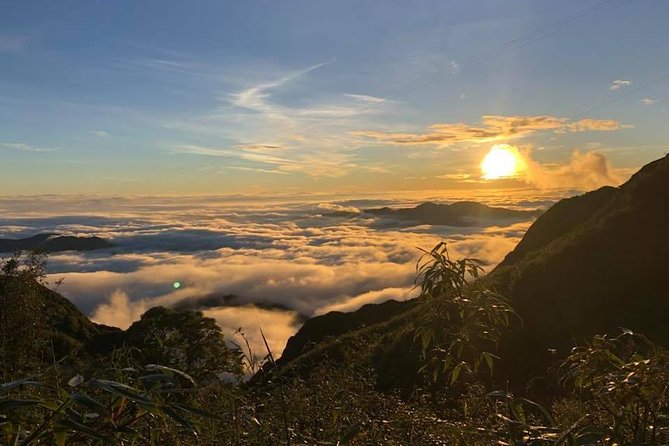
Day 1 is the “work day.” You start with the Tram Ton Pass trek: about 10 km, 5 to 6 hours of walking, and around 1,200 meters of elevation gain. That’s a lot of uphill in one go, so pacing is everything.
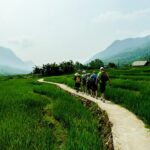
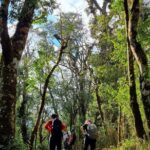
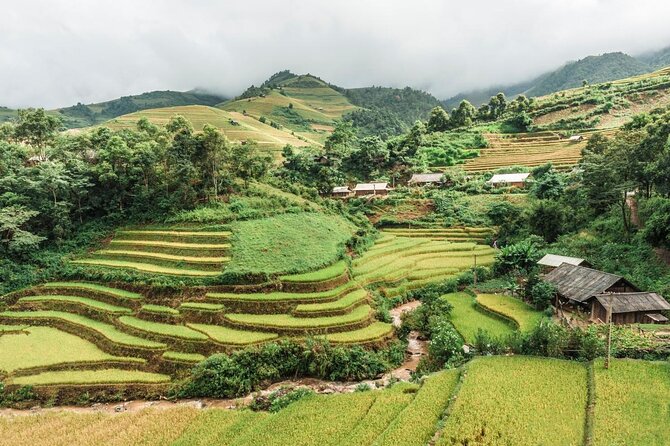
What I think you’ll appreciate here is the variety of the route. The trail passes through forests of pine and bamboo, along different streams, so it’s not just a straight grind. That kind of scenery rhythm helps when your legs start to complain and your brain needs something to focus on.
After lunch (included as a picnic lunch), the trek continues onward on a ridge toward the summit. Then you spend about 5 hours on the Fansipan segment (with admission ticket included). In other words: Day 1 isn’t just “get to camp.” It’s where the summit attempt happens and where your sense of accomplishment gets real.
Weather is another reality check. Rain can show up in Sapa, and one guide-and-porter team handled rainy conditions well, keeping the experience positive and moving. Still, you should assume the mountain can be unpredictable, and you’ll want footwear and clothing that can handle wet ground and cooler air.
By the end of Day 1, you’re set up for the overnight at base camp. That matters because you’re not rushing through everything in one day.
Base Camp Night: Sleeping Gear, Dinner, and the Hot Shower Advantage
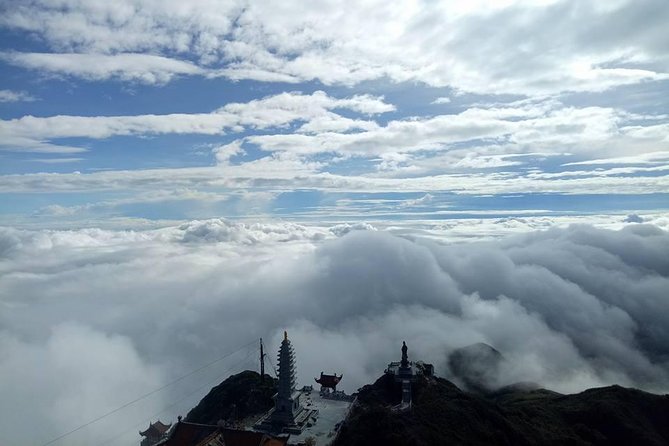
You stay one night at base camp, and the tour includes camping gear: sleeping bag and mattress. That’s a big help because packing for overnight hikes gets annoying fast. It also means you can travel lighter for Sapa and focus on what you’ll wear on your legs, not what you’ll drag for sleep.
Meals are included across the two days: dinner on Day 1, plus two lunches and one breakfast. The water plan is also clear: about 1.5 liters per person per day. When you’re hiking at elevation, that practical hydration detail makes your day feel less stressful.
One of the best practical perks, though, is what comes next in the rhythm of your trip: a hot shower is available in the tour office in Sapa town, both before and after the trek. That’s not just comfort. It’s recovery. It turns the trek from a “survival mission” into something you can enjoy even after you finish walking.
And the cultural/support side isn’t ignored. The tour framework is built to support local community efforts through sustainable tourism initiatives, so your presence helps keep tourism working for the people hosting it—rather than just running through the area.
Day 2 Sunrise Option (4:00 or 6:00) and Your Descent Plan
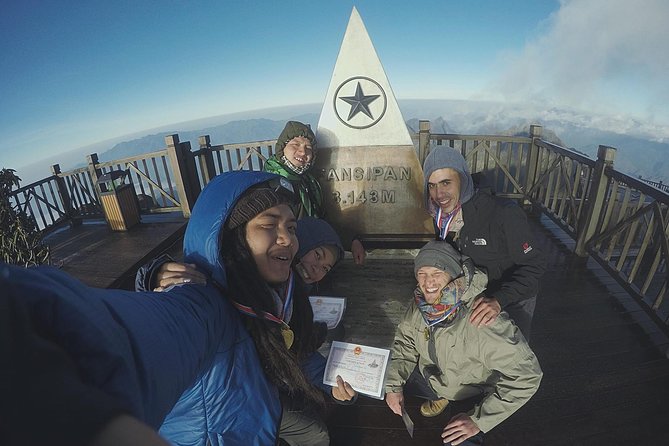
Day 2 starts early. Breakfast is scheduled for 4:00 am or 6:00 am, depending on which option you take, and then you continue the trek. The tour is set up with an option to reach the summit for sunrise, so the early wake-up is there for a reason.
Even if you’re not going for sunrise, you’ll still be on the trail for a long stretch. The Fansipan segment on Day 2 is about 14 km, with 6 to 7 hours of walking. Elevations are more manageable uphill-wise, with around 300 to 400 meters of additional uphill, but the main story is the descent: 1,100 to 1,200 meters downhill.
Downhill can be harder than it sounds. Your quads take a beating, and the mountain footing requires attention. This is also the day where having an experienced guide matters because they’ll manage pace and help you keep your footing safe.
When you reach Tram Ton Pass, you’ll have choices. You can trek down to the pass and continue back, or you can take a cable car by yourself to the station near Sapa town. Cable car tickets aren’t included, so you’re paying that extra on your own if you choose it. The tour ends back around 13:00 in Sapa.
If you want the best of both worlds—effort plus flexibility—this optional cable car is a smart pressure valve for tired legs.
Your English-Speaking Guide: Culture You Can Ask Questions About
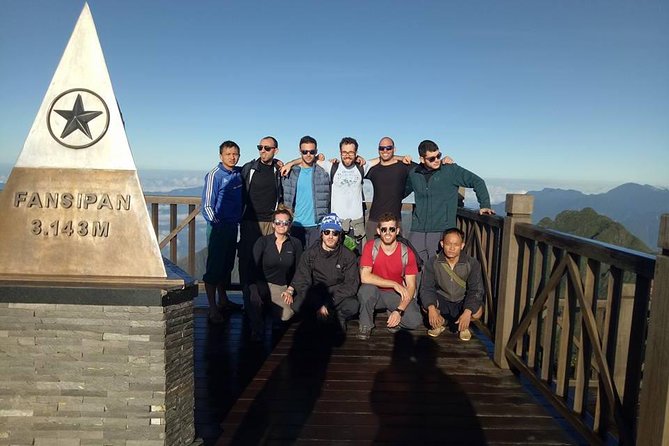
The experience leans heavily on the guide component. You’ll hike with an English-speaking guide—and the cultural framing comes from a local Black H’Mong guide, which is a big deal for how you’ll understand what you’re walking through.
In practical terms, this is the difference between “we passed by a thing” and “this place means something.” It’s also where the trip becomes more human. One guide named Sing is highlighted in reviews for being patient, engaging, and keeping the experience organized even when weather didn’t cooperate. Another guide, Tinh, is praised for meeting on time and sharing extra knowledge along the hike about the area and his culture.
Even if your hiking pace is slower than the group, a good guide helps keep things calm and gives you a reason to keep going when your lungs start to feel the altitude. Reviews also call out that the hike can be physically demanding, with thin air that slows people down. That’s exactly when strong guidance helps.
Price and What You Actually Get for $136
At $136 per person, this trek can feel like a real decision, so let’s talk value in plain terms.
You’re not just paying for a walk. You’re paying for a full operating setup:
- English-speaking guide (plus a Black H’Mong local perspective)
- Transport from Sapa out to the trek area
- Entrance fees included
- Meals across two days (2 lunches, 1 dinner, 1 breakfast)
- 1.5 liters water per person per day
- Camping setup: sleeping bag and mattress
- Insurance
- Hot shower in the Sapa office before and after
- Medal and certificate
Group discounts are also noted, and the booking tempo is usually about 41 days in advance on average, which tells me this is a popular slot. You’re also getting a mobile ticket, which keeps the planning smoother.
So is $136 cheap? Not really. But if you price it as a package—guide, food, transport, and even the shower facility included—it starts to look fair. The big value jump is the included recovery piece: the hot shower and proper reset in town makes the next day (and your next travel day) feel easier.
What Makes This Trek Feel Well-Run (Even When Conditions Change)
This is one of the tours that earns its high ratings by being practical. The structure is tight: you know the walking hours and the elevation gains, and you’re not guessing what gear you forgot until you’re already on a steep slope.
Two details stand out from the reviews and tour design:
1) The team approach on the mountain, including porter support in hard stretches. That can be the difference between feeling overwhelmed and feeling managed.
2) The organization at the finish, including hot shower access and a place to rest. You don’t want your trek to end with you still scrambling for basics.
Safety also comes up. One review mentions that young women felt safe throughout the experience. That lines up with the fact that this is private and guide-led, with shared timing and no random “find your way” moments.
Still, don’t ignore the main challenge: you need real fitness. Reviews label it physically strenuous, and the thin air element is part of the game.
Who This Trek Is Best For (and Who Should Rethink)
This is a strong fit if you want:
- a true hiking-focused 2-day trip from Sapa
- a local guide experience with Black H’Mong cultural context
- sunrise option planning (even if you choose not to go)
- included comfort on both sides of the mountain—especially the hot shower
It’s a less ideal fit if:
- you’re not comfortable with long uphill walking and a big downhill day
- you’re sensitive to altitude effects or thin air (people do mention this)
- you expect fully comfortable trail conditions
One more note: because it’s described as a private tour/activity where only your group participates, it’s also appealing if you want to avoid the chaos of large mixed groups. That said, it still follows the trek schedule and elevation demands.
Gear and Prep Tips That Actually Match the Conditions
Based on what people emphasize, focus on warmth and traction.
In reviews, bringing warm clothing and dressing in layers is called out as important. That’s not just preference at elevation. It’s practical. Temperatures can drop at night and early morning, and wind can turn a cool hike into a miserable one fast.
Also consider:
- sturdy hiking shoes with good grip for uneven, possibly wet ground
- a way to protect against rain if weather turns
- pacing slower than you think you need at the start, especially on the steep initial day
Your guide and porter help with pacing and support, but your body still sets the tempo. If you treat the hike like a steady process instead of a race, you’ll enjoy it more.
Should You Book This 2-Day Fansipan Trek?
If you want a meaningful, guided climb to Mount Fansipan with strong cultural context, this is an easy “yes” for the right kind of traveler. The combination of summit attempt timing, overnight base camp, included meals, and the hot shower in Sapa adds a level of comfort and organization that many adventure trips skip.
But book it only if you’re ready for real hiking effort. The elevation gains, long walking hours, thin air, and downhill strain are not marketing fluff. This is for people who like to earn their view.
If you’re on the fence, ask yourself one question: do you want a hike with structure and support, or do you want a casual day trip? This trek is the first one.
FAQ
FAQ
What is the duration of the 2 Days Fansipan Trekking?
It’s listed as 2 days (approx.).
Where does the trek start in Sapa?
The start time is 8:30 am, and the tour ends back at the meeting point in Sapa.
How much does the Fansipan trek cost?
The price is $136.00 per person.
Is this a private tour or shared group experience?
It’s described as a private tour/activity, and only your group will participate.
What hiking distances and elevation changes are included?
Day 1 includes Tram Ton Pass (about 10 km and around 1,200 m elevation gain) and then the Fansipan segment (about 5 hours). Day 2 includes about 14 km total walking with around 300–400 m uphill and 1,100–1,200 m downhill.
What’s included in the price?
Included items list English-speaking guide, meals (2 lunches, 1 diner, 1 breakfast), breakfast and dinner, transport, entrance fees, camping, sleeping bag and mattress, insurance, hot shower before and after at the office in Sapa, 1.5 liters of water per person per day, and a medal and certificate.
Are cable car tickets included?
Cable car tickets are not included. The cable car is an optional choice you take by yourself.
What time is breakfast on Day 2?
Breakfast is scheduled for either 4:00 am or 6:00 am, depending on your option.
Do I need strong physical fitness?
Yes. The additional info says travelers should have a strong physical fitness level.
Is there free cancellation?
Yes. Free cancellation is available up to 24 hours in advance for a full refund.