REVIEW · SAPA
2D1N Buffalo trek by Hmong Sister House and Trekking
Book on Viator →Operated by Hmong Sister House and Trekking · Bookable on Viator
That buffalo-house night changes the whole feeling.
This 2D1N trek in Sapa takes you through H’mong villages, terraced rice country, and forest paths, then roots you in an authentic family stay connected to livestock care. I like that you’re not just sightseeing—you’re moving through daily life, including time with the family and the buffalo house where Zizi’s mother lives. I also like that the route is guided by a local English-speaking H’mong guide (Li), so the walk comes with context, not just directions. The main consideration: you’ll need moderate fitness, and Sapa weather matters because the experience requires good conditions.
For the price, you also get real structure: pickup from the bus station area around 7:00 AM, time to leave luggage at Zizi homestay, meals along the way, and a private-group format. It’s clearly built for travelers who want an off-the-beaten-path hike without giving up comfort like a hot shower at the homestay. If you’re traveling with a tight schedule or you hate early mornings, plan around the mountain timing.
In This Review
- Key highlights you’ll feel fast
- Why this buffalo trek feels different in Sapa
- Day 1: Pickup, Hau Thao villages, and getting your legs under you
- Overnight at Zizi homestay: buffalo house life and family routines
- Day 2: Rice fields at sunrise, a Red Dao village stop, and the trail down to a waterfall
- The guide makes it: Li’s stories and why English matters
- Price and value: what $110 buys you in Sapa
- Weather, fitness, and how to prepare without overthinking
- Who this buffalo trek is best for
- Should you book the 2D1N Buffalo Trek?
- FAQ
- How long is the 2D1N Buffalo trek?
- Where is the trek starting and ending?
- What time is pickup?
- Is this a private tour?
- What fitness level do I need?
- Are meals included?
Key highlights you’ll feel fast
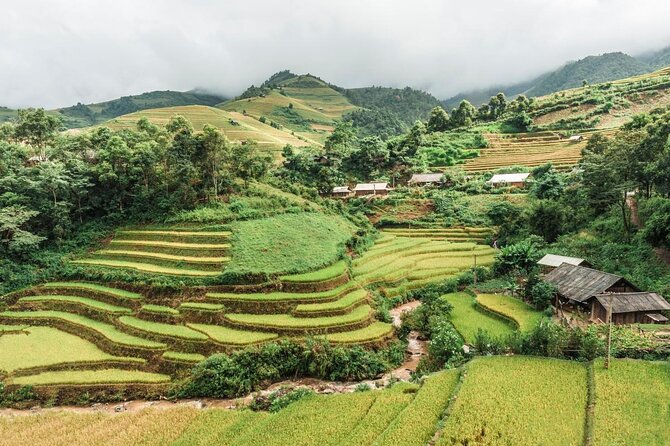
- Stay with a H’mong family and see how livestock and village life connect
- Village hiking route starting from Hau Thao area, then moving toward Red Dao villages
- Forest + rice terraces with early-morning rice-field views
- Guide Li’s personal storytelling, including childhood and how life has changed
- Family meals: breakfast both days, plus lunch on day 1
- Private tour feel (only your group participates), with pickup and mobile ticket
Why this buffalo trek feels different in Sapa
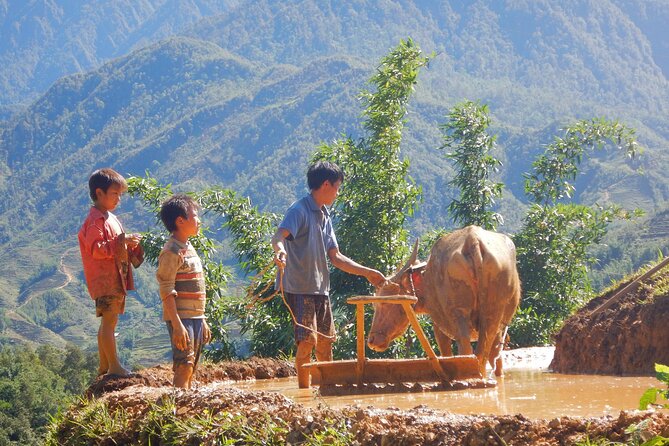
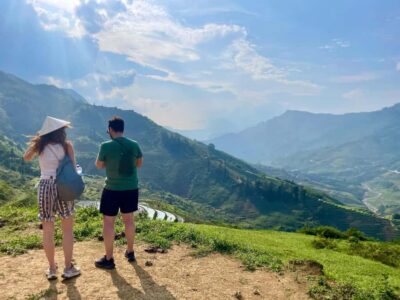
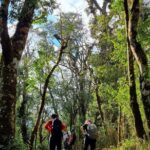
Sapa hikes can turn into a loop of photo stops. This one is shaped more like a slow walk through someone’s world. The goal isn’t just altitude and scenery; it’s following in H’mong steps—hiking up through forest and down through villages in a way that fits how people live, including caring for animals.
A big part of the emotional payoff is the homestay setting. You’re not sleeping in a generic guesthouse. You’re staying with a family, and the trip is tied to Zizi’s mother and the buffalo house. That matters because it changes your attention on the trail: you start noticing paths, animals, and daily rhythms instead of treating everything like a backdrop.
Still, be honest about what this is. It’s an experience in a rural village setting. Comfort is part of it (there’s a hot shower at Zizi homestay), but this isn’t a luxury lodge program with guaranteed amenities. If you want polished “tour bus” logistics, you might find it too real.
Day 1: Pickup, Hau Thao villages, and getting your legs under you
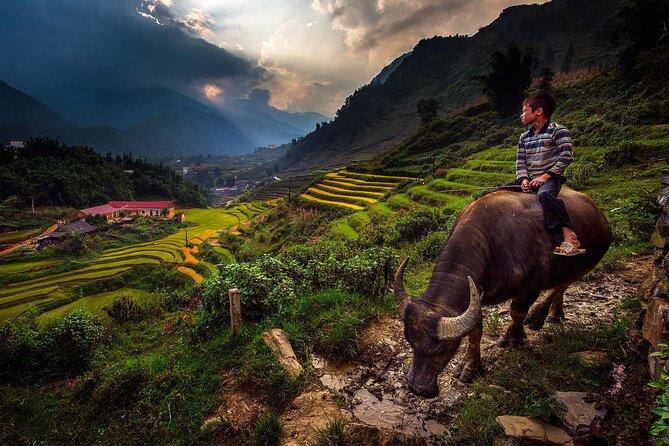
The day starts early—your car picks you up from the bus station around 7:00 AM. You’ll transfer to Zizi homestay first so you can leave luggage, then you get time to reset with a hot shower and a breakfast cooked by Zizi.
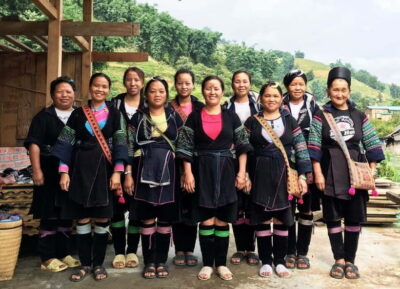
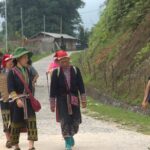
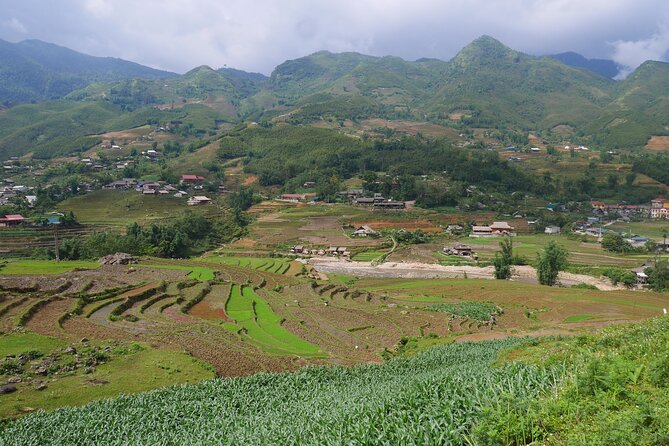
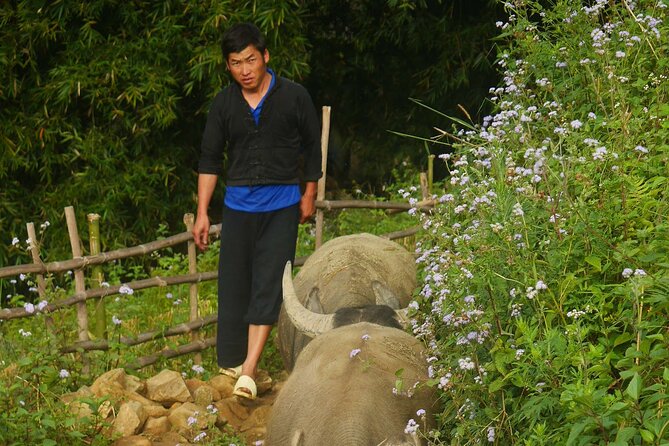
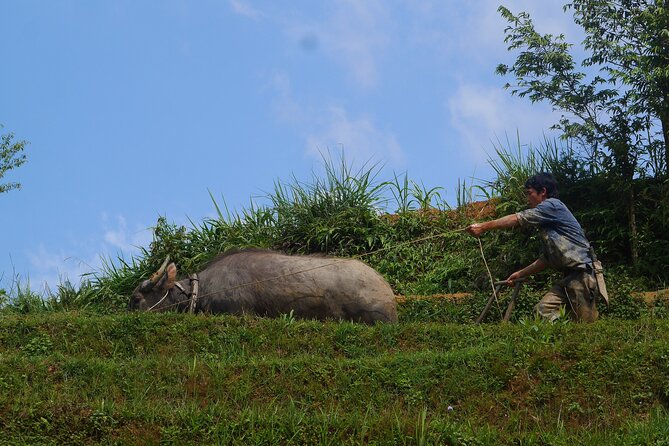
After that, the hiking begins from the Hau Thao village area. This is where the trek turns into a village walk, not just a mountain track. You’ll explore nearby communities and get a sense of traditional life among H’mong minorities. One of the most distinctive moments is seeing how animals co-exist with inhabitants—this isn’t a “farm from a distance” kind of view. You’re close to how daily work and livestock share space.
Lunch is prepared along the way by your guide. That’s a small detail that’s actually huge on a two-day trek. When the meal is handled locally, you don’t lose half the day negotiating snacks or hunting for an open restaurant in the mountains. You keep moving, and you stay in rhythm.
A practical note: the day 1 walk includes forest and village sections, and it builds toward your overnight stay setup. If you tend to feel tired quickly, start hydrating before you even leave homestay. The mountain air can trick you.
Overnight at Zizi homestay: buffalo house life and family routines
Your first day ends with an overnight in an authentic family H’mong house. The overview ties the stay to the buffalo house where Zizi’s mother lives, which is a reminder that you’re experiencing a home system, not a staged tourism set-up.
What I like about this kind of overnight is how it slows you down. In a typical Sapa day tour, you move fast and leave fast. Here, you settle in, and the next morning has meaning because you’re not “passing through.” You get time in the household atmosphere that shapes the trek itself.
You’ll also be staying in the same homestay base where you had breakfast and shower prep earlier in the day. That consistency helps. Instead of hauling your gear to a new lodge every few hours, you can focus on the hike and rest like a traveler with a plan.
What to consider: you should be prepared for village-style living. The tour info doesn’t list exact room layout or bedding, so I’d pack expecting basic comfort rather than hotel-level predictability. If you’re sensitive to cold evenings, bring layers. Sapa nights can feel sharper than you expect.
Day 2: Rice fields at sunrise, a Red Dao village stop, and the trail down to a waterfall
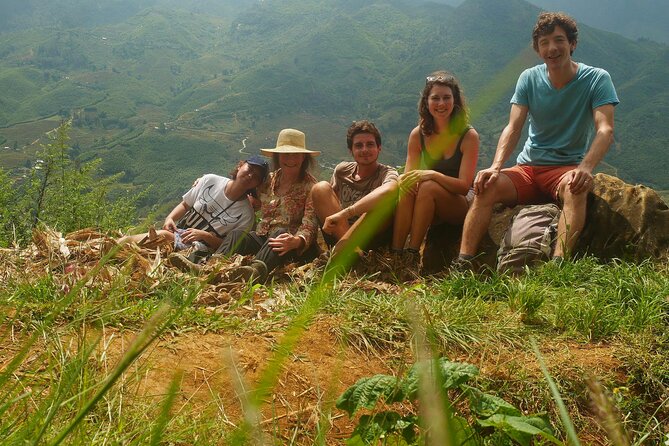
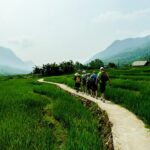
Day 2 begins gently, with sunrise wake-up and breakfast. This timing isn’t just romantic—it’s practical. You’ll see farmers working early on rice fields, and that early light makes the terraced scenery easier on the eyes than midday glare.
From there, the trek continues toward a Red Dao village. This part is valuable because it broadens what you’ve seen so far. You’ll connect the walking route to different ethnic community patterns and village life while still keeping the pace as a downhill experience toward the finish.
The overview also mentions continuing to new villages and a waterfall. That’s the kind of endpoint that turns a trekking day into a complete arc: start in village rhythms, shift through rice work and another community, and end with the payoff of moving water in the valley.
You’ll say goodbye to the family and trek down, with the day finishing back at the meeting point. If you like your hikes to have a clear story from morning to finish, this has it.
The guide makes it: Li’s stories and why English matters
Your guide is the bridge between “I saw it” and “I understood it.” This trek is led by a local English-speaking H’mong guide, and the reviews highlight Li by name. People praised Li as phenomenal, and the standout theme is storytelling—she shares her childhood and how her family and community live in the past and in the present.
That matters because Sapa village trekking is easy to misunderstand if you only rely on landmarks. When someone can explain what you’re seeing—how animals fit into routines, what a village day looks like, and how life has changed—you get a deeper experience without needing a long lecture.
It’s also a comfort boost. You can ask questions. You can read the context. You’re not stuck guessing whether you’re being respectful or just in the wrong place at the wrong time.
And because this is a private tour (only your group participates), you’re less likely to feel rushed or lost among a crowd. Private doesn’t automatically mean better, but it fits this kind of cultural hiking where conversation and pacing are part of the value.
Price and value: what $110 buys you in Sapa
At $110 per person for about 2 days, this sits in the “serious experience” zone rather than a casual stroll. The value comes from the combination of things you’d otherwise have to arrange separately: pickup, guide time, homestay, and meals.
Here’s what stands out as value drivers:
- Pickup from the bus station area around 7:00 AM (and you’ll return to the meeting point)
- Homestay at Zizi homestay, including hot shower and time to store luggage
- Meals: breakfast cooked by Zizi on day 1, lunch prepared by the guide on day 1, and breakfast on day 2
- A local guide with English, including stories and context
- Mobile ticket and a private-group format
Also, the trip is often booked about 85 days in advance on average. That’s not just marketing. Two-day treks in Sapa are weather- and schedule-dependent, and homestay beds aren’t infinite. If you have a strong travel date, don’t assume you’ll get this last-minute.
One more value note: the experience can be customized differently above request. You’re paying for a route framework that can be tuned to your preferences, which is especially helpful if you know you want less/ more walking or you want to focus more on villages versus waterfall viewpoints.
Weather, fitness, and how to prepare without overthinking
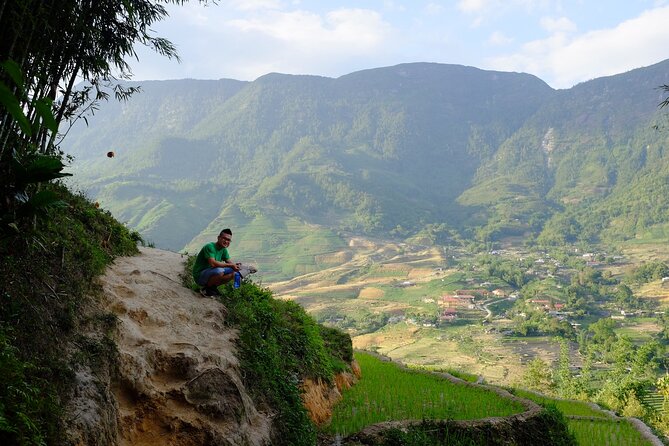
This trek is listed for travelers with moderate physical fitness. That tells you the trail is real hiking—not flat sightseeing. You should be comfortable walking downhill for a stretch and climbing/trekking across uneven paths that come with forest and village routes.
Sapa is also a weather place. The experience requires good weather, and poor conditions can trigger a different date or a full refund. So your best prep is not gear-chasing—it’s being flexible with your schedule. If your trip can’t shift at all, build in a buffer day around the trek.
What to bring (based on what’s clearly part of your day): plan for mountain walking shoes, layers for temperature swings, and water plus snacks for peace of mind even though meals are included. Service animals are allowed, which is helpful if you travel with one.
Who this buffalo trek is best for
This is a great fit if you want:
- A cultural trek where village life is part of the experience, not a sidebar
- A two-day format that includes a real homestay night and a sunrise morning
- A guided route with English context so you can ask questions and understand what you’re seeing
- A private-group feel rather than trekking with strangers
It may be less ideal if you’re:
- Expecting a purely scenic walk with minimal cultural interaction
- Uncomfortable with moderate hiking demands
- Booking without any flexibility for weather-dependent operation
If you like travel that feels personal and human—stories, routines, and place-based knowledge—this has the right ingredients.
Should you book the 2D1N Buffalo Trek?
I’d book it if your main goal in Sapa is to experience daily life with H’mong hosts, not just collect viewpoints. The combination of village routes, a family night connected to the buffalo house, and the guide-led storytelling by Li is a powerful mix. And with a 5/5 rating from 81 reviews and a 100% recommended signal, you’re not gambling on a vague “maybe it’s good” experience.
Don’t book it if you want zero hiking effort, if you absolutely can’t shift dates due to mountain weather, or if you’re expecting hotel-level predictability. But if you’re okay with moderate trekking and you want authenticity with real context, this one makes a lot of sense.
FAQ
How long is the 2D1N Buffalo trek?
It’s about 2 days.
Where is the trek starting and ending?
It starts at Hmong Sister House and Trekking in Ta Van, Mường Hoa, Sa Pa, Lào Cai, Vietnam, and it ends back at the same meeting point.
What time is pickup?
Your car picks you up at the bus station area around 7:00 AM.
Is this a private tour?
Yes. Only your group participates.
What fitness level do I need?
You should have moderate physical fitness.
Are meals included?
Yes. Breakfast is included both days, and lunch is prepared on day 1.