REVIEW · SA PA
Sapa: 2D/1N Trek Rice Terraces & Homestay with Linh
Book on GetYourGuide →Operated by VietNam Venture · Bookable on GetYourGuide
Rice terraces and karaoke under stars in Sapa. This 2-day, 1-night walk trades big-tour buses for a village-to-village trek led by locals, capped by a homestay night with happy water and singing under the sky.
I especially like two things: Linh (listed as Lala at the start) and her local team handle the route and explain what you’re seeing in clear English, and the homestay evening is genuinely fun, with happy water (local rice wine) and karaoke. You get stories, not just photos.
One consideration: the homestay experience is simple, not a resort stop. If you expect polished bathrooms and hotel-style comfort, you may find it a little rough around the edges.
In This Review
- Key Points Before You Go
- Why This Sapa Trek Feels Local, Not Touristy
- The 2D/1N Route: Dragon Mountain to Giang Ta Chai
- Day 1: Dragon Mountain, Black Hmong Villages, and a Sky Viewpoint
- Day 2: Ta Van Views, Hanging Bridge, and the Waterfall Dip
- Linh’s Forest Homestay: Meals, Happy Water, and Karaoke
- Price and Logistics: Is It Really Budget-Friendly?
- What the Trek Feels Like: Terrain, Timing, and Heat
- Practical Tips That Make the Difference
- Who Should Book This Trek (and Who Should Skip It)
- Should You Book This 2D/1N Trek with Linh?
- FAQ
- Where does the trek start and what time?
- How long is the trek and what distance should I expect?
- How difficult is it?
- What’s included in the price?
- Is there an extra payment?
- Do I get a bathroom break?
- Will I have local food and homestay activities?
- What should I bring for the trek?
- What are the group size and language?
Key Points Before You Go
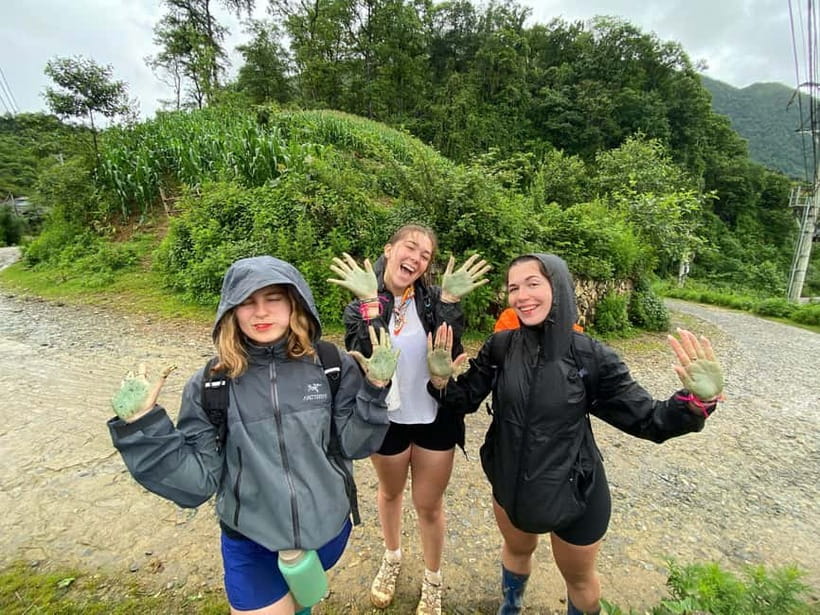
- English-led trek with a local Black Hmong guide (Linh/Lala) who knows the area well
- Village lunch and full meals included, plus time to learn local cooking routines
- Forest homestay night with happy water and karaoke for an easy, memorable evening
- Rice terraces, bamboo forests, and multiple villages across two days, with a moderate pace
- Small group size (up to 16) for a more manageable trek and better guide attention
- Budget-friendly base price, but plan on an added 700,000 VND payment at the end for the full experience
Why This Sapa Trek Feels Local, Not Touristy
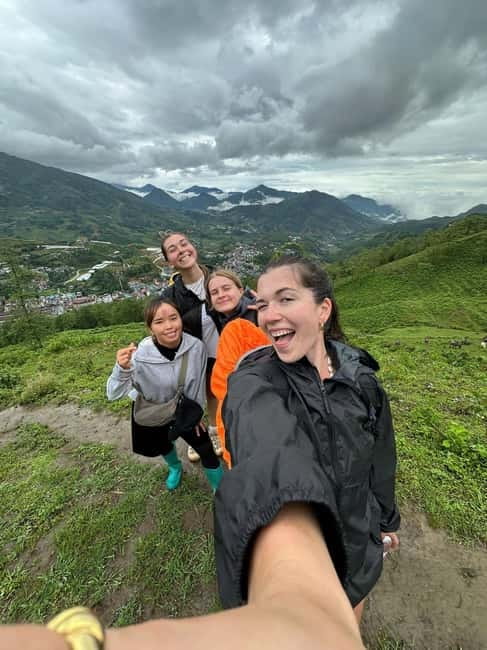
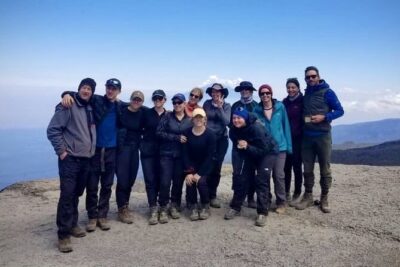
This is the kind of Sapa trip that works because it moves slowly enough for you to notice details. One minute you’re on a hillside trail above misty valleys. Next, you’re stepping into villages like Mong Du, Hang Da, Hau Thao, and Giang Ta Chai—places where daily life is the point, not a staged show.
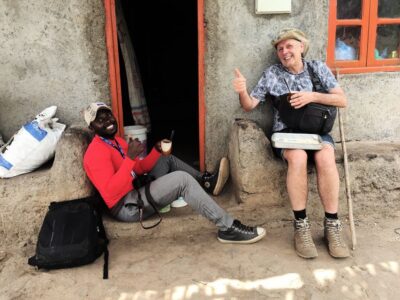
I like that the focus stays on people and terrain. A guide doesn’t just point at rice terraces; she helps you understand why they look the way they do, how villages connect to the land, and how the different ethnic communities fit into the valley. And when the trek ends, you don’t disappear into a bus and forget the night. You stay with a host family and share the evening.
The “happy hour” twist is happy water. It’s not a gimmick. It’s a social ritual you experience as part of the household rhythm, and then karaoke turns the whole group into something halfway between a classroom and a party.
You can also read our reviews of more tours and experiences in Sa Pa.
The 2D/1N Route: Dragon Mountain to Giang Ta Chai
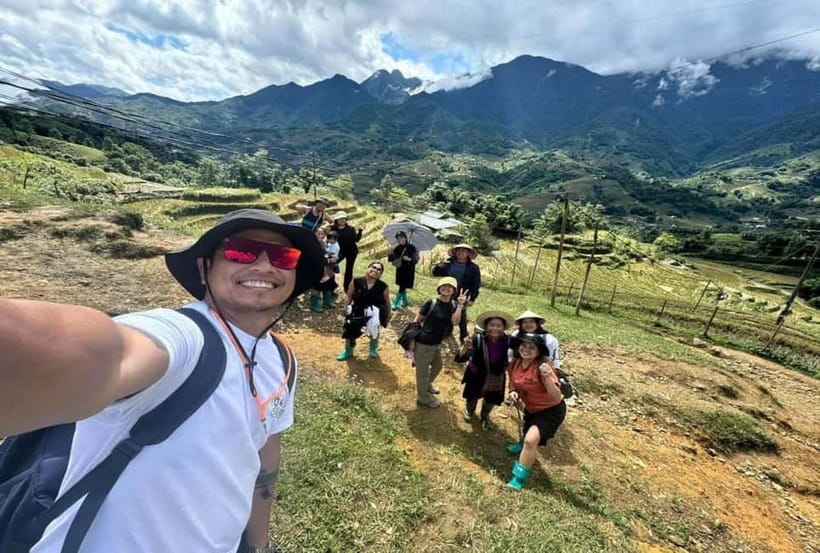
The walk is built like a classic “views first, villages second” day-and-a-half. The total distance is listed as 17 km for the 2D/1N trek, and another note places it around 19 km, so treat it as roughly in that range. The level is moderate, with steep and uneven sections that feel harder than a flat treadmill.
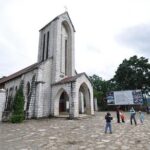
You start at Nhà Thờ Đá Sapa (Sapa Stone Church) at 9:00 AM. From there you work your way up toward Dragon Mountain, then follow trails through village paths, rice fields, forest sections, and river crossings.
By the second day, the route shifts into more “iconic Sapa” terrain: rice terrace viewpoints around Ta Van, a hanging bridge crossing, then forest paths leading toward Giang Ta Chai (Red Dao). You’ll return to town around 2:00–3:00 PM, timed so you can catch your next ride onward.
Day 1: Dragon Mountain, Black Hmong Villages, and a Sky Viewpoint
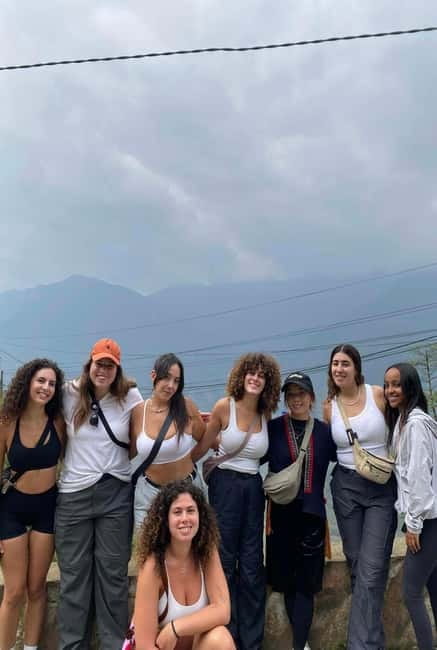
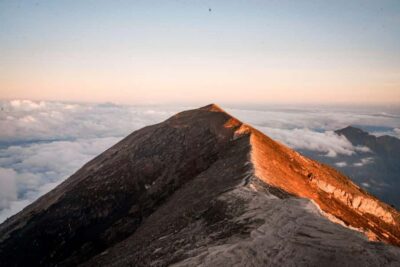
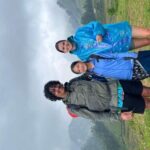
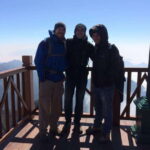
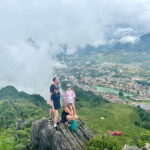
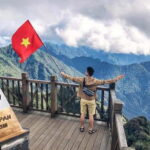
Day 1 starts with height and atmosphere. You begin at Sapa Stone Church, then head to Dragon Mountain, where you’ll climb to a panoramic viewpoint above the town and misty valleys. This is your “get your bearings fast” moment—Sapa is all slopes and layers, and up high, it clicks.
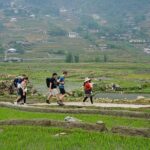
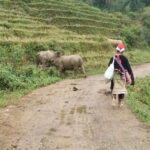
After the initial viewpoint, the trek settles into village trails. You pass through Black Hmong areas like Mong Du and Hang Da, where the pace feels slower and the scenery stays intimate: footpaths, terrace edges, and small moments that make the valley feel lived-in.
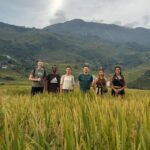
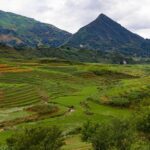
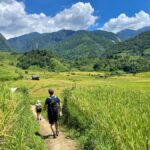
You’ll stop for lunch in a village setting, then continue to a secret sky-viewpoint. This is where you get that wide, open view of mountains and rice terraces stretching out like a quilt. Weather matters here. If clouds roll in, you may get misty silhouettes instead of crisp lines. Either way, it’s a strong “Sapa looks like Sapa” moment.
As the day cools, you end in Hau Thao village, where you settle into Linh’s family homestay. The evening is where this tour stops being just hiking and turns into a cultural night: sharing stories, learning basic prep related to local dishes, trying a sip of happy water, and then shifting into games and karaoke.
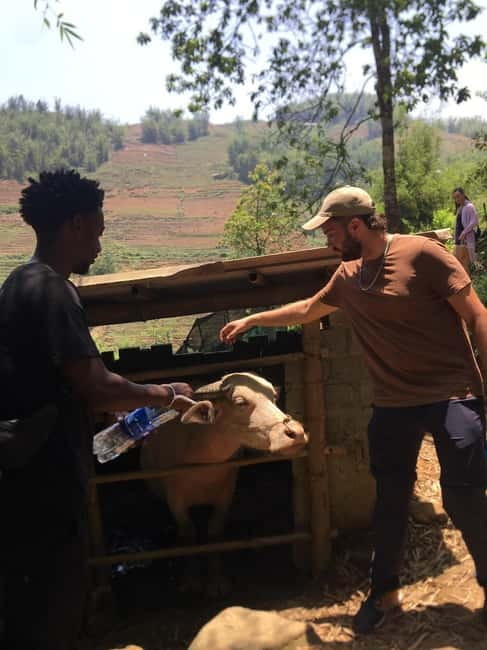
One small heads-up: during the evening and around village areas, you may be offered handmade items like bracelets or scarves. In at least one reported experience, locals sometimes join the group on the hike to help with walking or climbing, and then expectations for purchasing can come with persistence. If you want to support, decide early what you’re comfortable paying.
Day 2: Ta Van Views, Hanging Bridge, and the Waterfall Dip
Day 2 starts with a different mood—birds, mist, and valley air. After breakfast at the homestay, you continue along the trail through Ta Van, which is known for some of Sapa’s most classic rice terrace views.
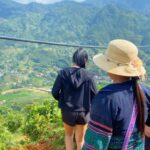
Next comes Ban Pho and a hanging bridge crossing. This section is memorable because it changes how you move. You’re not just walking in open terrain; you’re negotiating a shifting path, watching your footing, and taking in views that pop up between bamboo and terrace walls.
Then you get forest paths toward Giang Ta Chai village (Red Dao). This is a good place to learn because village life is visible in practical ways: how people use space, how community ties work, and how the landscape supports daily routines.
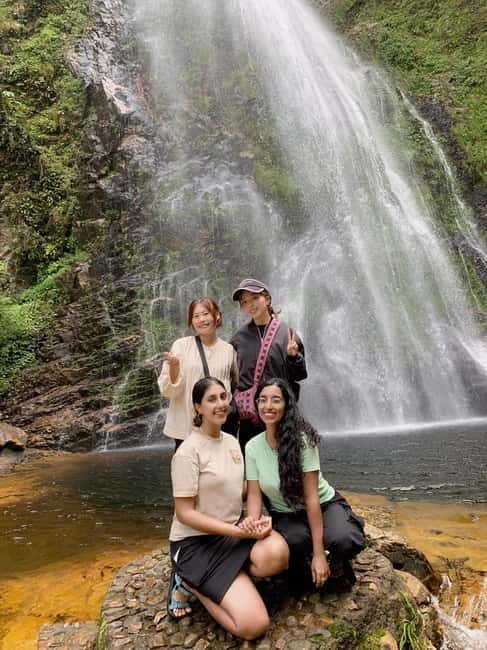
One of the best “reward breaks” on day 2 is the hidden waterfall stop. In hot weather, it’s an opportunity to cool off with a dip. One practical tip from past hikers: bring a swimsuit if you like the idea of cooling down at the water.
You’ll have your last village meal, then head back to Sapa town around 2:00–3:00 PM. That timing is useful if you’re continuing onward to Hanoi, Ninh Binh, or Ha Giang.
Linh’s Forest Homestay: Meals, Happy Water, and Karaoke
This is where the tour becomes more than a “check the box” trek.
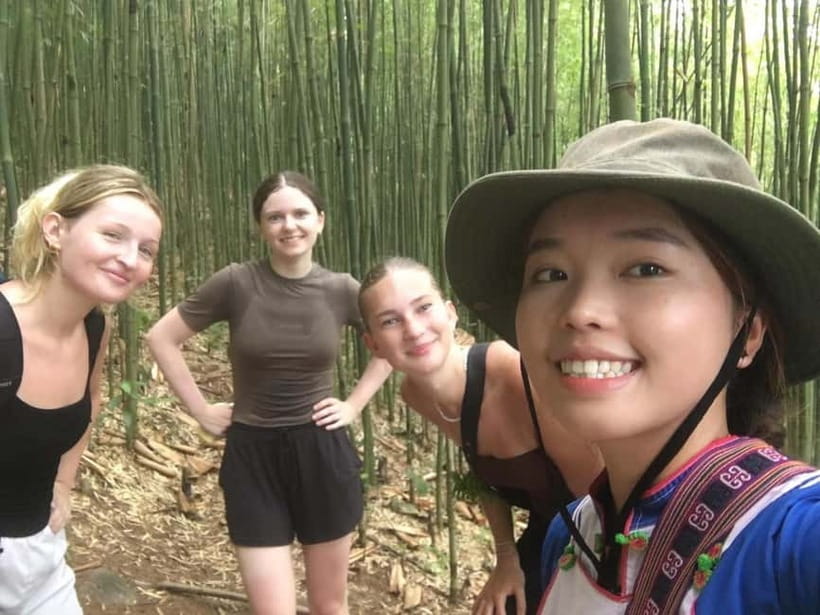
You sleep in Linh’s homestay, described as simple, cozy, and set in a peaceful forest area. Basic facilities are part of the deal. Think clean enough and welcoming, not hotel-quiet and perfectly modern.
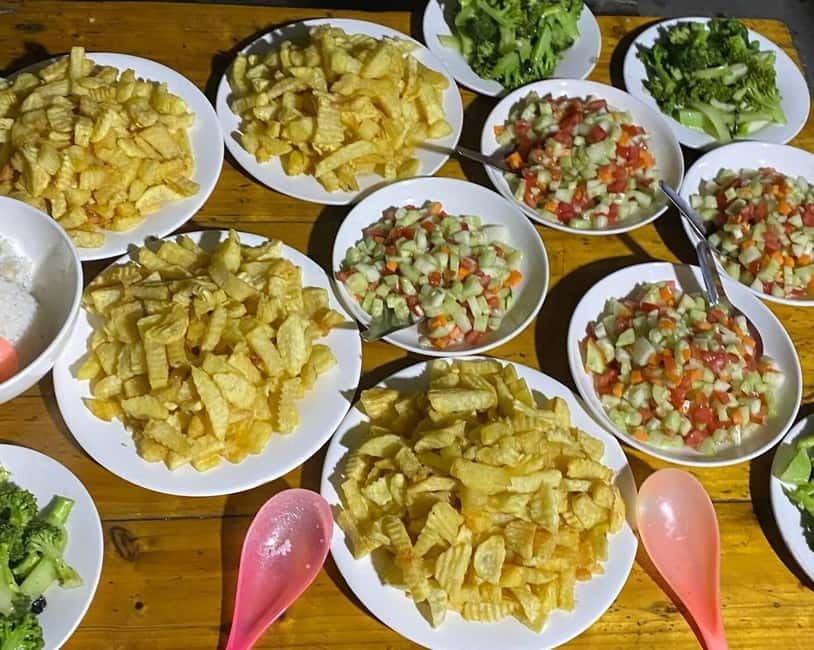
Food is a major part of the value here. Meals are included, and several experiences highlight that dinner cooked by the family can be a standout, sometimes described as among the best meals during a Vietnam trip. There may also be vegetarian options depending on the group and household.
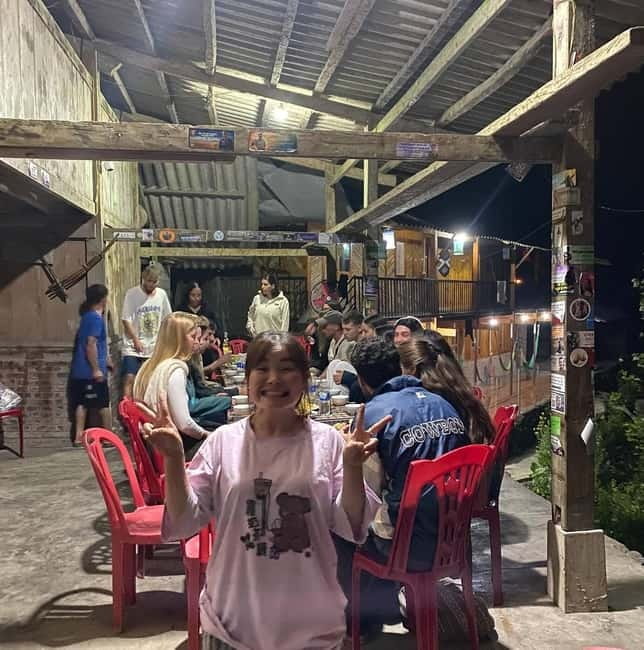
Then comes the evening programming, which sounds playful because it is. You’ll learn about traditional items, have a chance to taste happy water (local rice wine), and then join in karaoke. It’s one of those moments where you stop worrying about whether you’re doing everything “right” and just enjoy the night with your group and hosts.
If you get downtime, you might find yourself playing games—some hikers recommend packing small things like cards if you like structured quiet time.


Price and Logistics: Is It Really Budget-Friendly?
The headline price is $6 per person, but the tour also notes an additional payment of 700,000 VND after you complete the tour. In other words, plan your budget like this is a low-cost “booking entry,” then you settle the real on-the-ground costs at the end to cover the full experience.
For what you’re getting, that combined total can still feel like good value. You have:
- A local English-speaking guide (Linh/Lala)
- Trekking fees / village entrance access along the route
- 1 night homestay
- Meals included
- Car transfer back to Sapa Town
So the math works best if you want the full package and don’t want to separately organize accommodation, food, and village access. If you only want the trekking and none of the homestay night, it may not feel as efficient.
One more practical detail: the tour includes free bathroom access before and after your trek. In Sapa, that’s not a minor perk—it’s one less stress point when you’re walking all day.
What the Trek Feels Like: Terrain, Timing, and Heat
Moderate doesn’t mean easy. Expect steep, uneven terrain. The walk covers about 17–19 km over two days, with an early start and solid time on the feet.
Day 1 is long but broken up with viewpoints and village stops. You also get a break at Dragon Jaw and photo/view time around Dragon Mountain and subsequent areas like Hang Đá and Hau Thao.
Day 2 is where you’ll notice the rhythm shift. Morning walking through terraces and bridge crossings can feel easier on the legs, then forest and village paths bring back the uneven footing. Add weather, and your experience can swing quickly.
Heat is real when the clouds thin out. Past hikers specifically warn that direct sunlight can make afternoons feel brutal, and they recommend bringing lots of water and sun protection like hats and even a sun umbrella.
Good shoes matter. The packing list is clear for a reason: hiking shoes, comfortable clothes, insect repellent, sunscreen, water, and a change of clothes for the evening.
Practical Tips That Make the Difference
Here’s what will help you have an easier time on this exact style of trek:
- Start with the right footwear. Uneven ground and steep edges are part of the route, so don’t rely on flat sneakers.
- Plan for sun and mist. Bring sunglasses and sunscreen. Even if you get fog, you can still burn when the sky clears.
- Carry more water than you think. Some reported that hydration support could feel limited once you reach the homestay area, so having your own reserve keeps you comfortable.
- Bring a light rain layer. Mist and light rain can happen in the mountains, and a small rain jacket is an easy win.
- If you like water stops, bring a swimsuit. There’s a waterfall cool-off built in, and past hikers recommend being ready.
- Don’t be surprised by village interaction. Locals may join or guide on tricky parts of the path, and shopping for handmade items can come up more than once.
If you go with the mindset that this is a shared human experience—walking, eating, laughing, learning—you’ll probably enjoy it more than if you try to treat it like pure sightseeing.
Who Should Book This Trek (and Who Should Skip It)
Book it if you want an active Sapa experience with real cultural contact. This is a good match for people who:
- Like hiking but want a moderate challenge
- Prefer small groups (up to 16) and an English-speaking local guide
- Want a homestay evening with food and social time, not just a hotel night
- Care about villages and terraces as living places, not just backdrops
Skip it if you:
- Need guaranteed hotel comfort. This is a basic homestay setup.
- Struggle with uneven, steep trails. The hike is doable, but it’s not flat.
- Want purely predictable weather. Fog can hide views, and heat can change how you feel on day 1 and day 2.
One more note: the tour mentions it’s not suitable for babies under 1 year and people over 95. Children under 4 are free, but you’d need to inform the operator in advance.
Should You Book This 2D/1N Trek with Linh?
I’d book it if you’re choosing Sapa based on value and authenticity. The combination of an English-speaking local Black Hmong guide (Linh/Lala), a meaningful homestay night, and a route that includes terraces, bamboo areas, villages, and a waterfall stop makes this feel like a full experience for the money.
One final decision point: be honest about comfort expectations. If you can handle a simple homestay and you’re okay with changing weather and sometimes intense sun, you’ll likely leave with more than photos—you’ll leave with stories.
FAQ
Where does the trek start and what time?
It starts at Nhà Thờ Đá Sapa (Sapa Stone Church). You should arrive by 9:00 AM for a prompt departure.
How long is the trek and what distance should I expect?
The tour is 2 days / 1 night. The distance is listed as 17 km, and another note places it around 19 km total.
How difficult is it?
The trek is moderate. Expect some steep and uneven terrain across two days.
What’s included in the price?
The tour includes an English-speaking guide (Linh/Lala), trekking/village entrance fees, 1 night homestay, transport back to Sapa Town, and all meals. Drinks and personal expenses are not included.
Is there an extra payment?
Yes. After completing the tour, an additional 700,000 VND payment is required, covering meals, accommodation, entrance tickets, and guide services for a full experience.
Do I get a bathroom break?
Yes. The highlights mention free bathroom access before and after your trek.
Will I have local food and homestay activities?
Yes. You’ll have meals with the homestay family and you can experience local happy water and karaoke in the evening.
What should I bring for the trek?
Bring hiking shoes, comfortable clothes, sunscreen, sunglasses, a hat, water, insect repellent, and a change of clothes for the evening. A light rain layer can also help.
What are the group size and language?
It’s a small group with up to 16 participants. The live guide is English.
If you want, tell me your travel dates (or month) and fitness level. I can help you plan what to pack for heat vs. mist and how to pace the two days.