REVIEW · POKHARA
Annapurna Panorama trek
Book on Viator →Operated by Mountain Mart Treks Expedition · Bookable on Viator
Poon Hill sunrise is the big payoff. In this Annapurna Panorama Trek, I like the private trek format that keeps you moving on a clear, guided route, and I also like that permits and meals are handled, so you spend energy on the views instead of paperwork. The trade-off is that the total price is not budget-DIY, and you’ll still need to cover things like travel/evacuation insurance, bottled drinks, and tipping.
This is built for people with moderate fitness who don’t want to feel rushed. You get about 6 days of trekking with a gradual pace, then the rest of the ~11-day trip is Kathmandu and Pokhara sightseeing, with a lakeside base in between.
In This Review
- Key highlights at a glance
- Annapurna Panorama Trek: what kind of trip this really is
- Kathmandu first: Thamel landing, then heritage sites done right
- Pokhara transfer and the Nayapul start: where the pace changes
- Ulleri to Ghorepani: rhododendron forests and a steady climb
- Poon Hill and Tadapani: sunrise views and a long, satisfying day
- Ghandruk to Pothana: village time, then the ridge-work
- Back to Pokhara: the easy finale and your Kathmandu reset
- Accommodation, meals, and the “stuff that keeps you sane”
- Value check: what you’re paying for at $1,045 per person
- Support and equipment: how this trek avoids the classic headaches
- Altitude and pacing tips for a moderate trek
- Should you book Annapurna Panorama Trek with Mountain Mart?
- FAQ
- What does the Annapurna Panorama trek include during the trekking days?
- How many days will I be trekking, and how many days are for sightseeing?
- Are permits included for the trekking area?
- Is the trek private?
- What trekking gear can I bring, and what can I borrow?
- What is included in Kathmandu and Pokhara, and what is not?
- How does transportation work during the trip?
- What kind of lodging should I expect on the mountain?
- Is bottled water and hot shower included?
- What is the cancellation and refund timing?
Key highlights at a glance
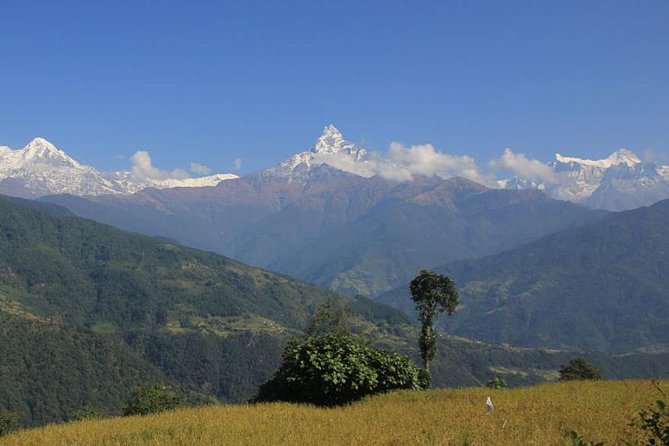
- Private guidance that removes navigation stress on a classic Annapurna region route
- Permits handled in advance for the Annapurna Conservation permit and TIMS paperwork
- Poon Hill timing plus a not-too-far hike plan across rhododendron forests and villages
- Meals, snacks, and mountain lodging included, with private rooms and shared toilets
- Gear loans available (down jacket/poles/sleeping bag) if you travel light
- Local porter support (a 2 trekkers to 1 porter ratio) to keep you moving comfortably
Annapurna Panorama Trek: what kind of trip this really is
This trek is an easier, more “guided-feeling” cousin of the famous Poon Hill area. You’re not aiming for technical climbing or extreme altitude goals. You’re aiming for long, scenic days: forest paths, stone stair sections, and village stops that let you see how life works in the Annapurna foothills.
What makes it interesting is the mix. You’re not only hiking. You’re also spending time in Kathmandu for major heritage sites and in Pokhara near Fewa Lake. For many people, that balance matters: it gives you a way to recover from trek days without turning the whole trip into just walking and sleeping.
I also like the pacing choices. The itinerary spreads the effort across days instead of packing everything into one big summit push. You’ll still hike at higher points like Ghorepani (around 2,850m), Tadapani (about 2,520m), and Poon Hill (over 3,200m). But you’re not thrown into a sprint.
You can also read our reviews of more tours and experiences in Pokhara.
Kathmandu first: Thamel landing, then heritage sites done right
You start in Kathmandu around 1,300m, with an airport representative meeting you outside the terminal hall. The first afternoon is set up for jet lag reality: a stroll in Thamel, the classic tourist neighborhood with plenty of shops and street energy if you want to wander.
Then comes a full day of sightseeing by private transport. You’re scheduled to visit major Kathmandu heritage stops including Pashupatinath Temple, Bodhanath Stupa, and Patan Durbar Square. The plan also includes the Durbar Square complex and sites such as Swayambhunath Stupa, plus stops at other significant temples inside the Durbar Square area.
Why this is a good idea: Kathmandu can feel confusing when you’re new to it. A private route with a guide helps you hit the key heritage pieces without wasting half a day figuring out where everything is. It also means your trek days start with a clear baseline of what you’re seeing.
Practical note: city entrance fees in Kathmandu are not included, so expect extra costs if you want to go inside every area.
Pokhara transfer and the Nayapul start: where the pace changes
After Kathmandu, you drive to Pokhara (around 910m) in roughly 5–6 hours, following the Trishuli River route. The plan puts you in a hotel near Lakeside by Fewa Lake for the night, which is a smart staging point because it gives you a comfortable reset before hiking.
The trekking portion kicks off with a private transfer to Nayapul, the trail foot. From there, you walk toward Tikhedhunga and Ulleri. The day includes a mix of off-road hiking and a gradual climb up the valley side, then a steep ascent using stone staircases to Ulleri.
This matters for your body. Those stone stairs are the kind of climbing that feels harder than the distance suggests. If your legs aren’t used to stair steps, you’ll feel it. The upside is that this day helps you warm up into the trekking rhythm without jumping straight to the high-altitude zones.
Ulleri to Ghorepani: rhododendron forests and a steady climb
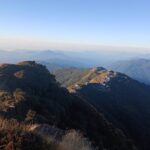
Day two of trekking takes you to Ghorepani, reaching around 2,850m (about 11km and roughly 5–6 hours). The route moves through rhododendron and oak forests, and you’ll get regular chances to pause, adjust pace, and enjoy the shaded sections.
The itinerary also includes walking to Upper Ghorepani (Deurali) where you stay. That’s a useful detail because it helps set you up for the next day’s Poon Hill experience. You’re building your altitude step-by-step, not making it a last-minute scramble.
If you want to do well on this trek, this is where your approach matters. I’d plan to walk slower than you think you need to. On these routes, “arriving tired but fine” beats “arriving fast and drained.” The forests help, but the height still adds effort.
Poon Hill and Tadapani: sunrise views and a long, satisfying day
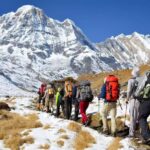
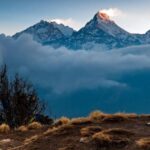
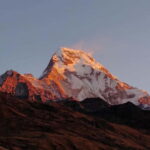
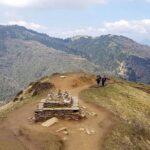
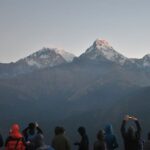
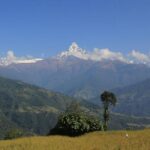
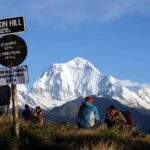
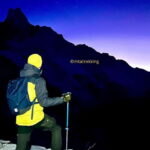
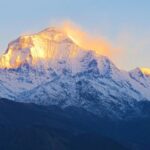
The Poon Hill day is the headline: you hike up to Poon Hill (about 3,210m) for the classic panorama effect, then continue onward to Tadapani (around 2,520m). The hike is listed as about 6–7 hours, and you’ll return to Ghorepani before moving forward.
This itinerary choice is practical. Poon Hill experiences depend on timing, and having your base at Ghorepani means the logistics are simpler. You’re also moving through pine and rhododendron forest terrain, which tends to feel easier on the mind than exposed ridgelines.
After Poon Hill, the day shifts from “view mission” to “keep going.” Tadapani is where you’ll spend the night, and that sets up the next day’s village walk. It’s a good trade: you get the big moment, then you still earn the next day’s calmer, community-based atmosphere.
Ghandruk to Pothana: village time, then the ridge-work
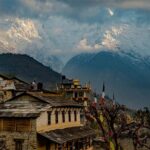
Day seven takes you from Tadapani to Ghandruk in about 3–4 hours. It’s a shorter walk, and the route includes forested and downhill segments before reaching the Ghandruk area. Once there, you get time to explore the village and the surrounding region.
Day eight is longer: Ghandruk to Pothana (around 1,910m) takes about 5–6 hours. The trail descends down stone staircases toward Modi Khola, then climbs up again toward Landrung village. After that, you continue walking, start a steady ascent toward Deurali, and then handle a descent that can be slippery in monsoon season.
This day is where the trek starts to feel like “real travel” rather than a checklist. You’re not just moving uphill. You’re working ridges and valleys, and you pass through multiple village zones. That gives you a sense of the Annapurna region as lived-in terrain, not only a set of viewpoints.
Back to Pokhara: the easy finale and your Kathmandu reset
Day nine brings the descent: Pothana to Phedi takes about 3–4 hours on an easier walk along the ridge with good Annapurna-range views toward Dhampus. Then you’re driven back to Pokhara (about 40 minutes).
This is a smart end-of-trek move. You get a last day that’s lighter on effort than the earlier climbs, and the vehicle transfer helps you avoid turning the finale into another full-on hike day. In the evening, you’re in Pokhara, where you have a scheduled farewell dinner in Kathmandu on the next transfer day.
Day ten drives Pokhara back to Kathmandu (again about 5–6 hours). You transfer to your hotel and have the farewell dinner. Day eleven is final departure, with transfer to the international airport.
One small detail you should plan for: lunch and dinner in Kathmandu and Pokhara are not included, so you’ll decide where you want to spend money on food during the city days.
Accommodation, meals, and the “stuff that keeps you sane”
On the mountain portion, you’re in “soft, comfort, private room with share toilet” mountain accommodation. That’s a common setup in trekking regions, but it still helps to know what you’re buying: you get privacy in your room, and you share toilet facilities.
Meals are included during the trek: breakfast, lunch, and dinner, plus supplementary snacks like cookies, energy bars, and seasonal fresh fruits. Coffee and/or tea are included too. Bottled water is included, while boiled water is listed as not included, so follow your guide’s recommendations for how you want to handle water safety day to day.
Also, hot shower is not included. That’s one of those comfort items that can affect your mood if you assume it’s part of the package.
The good part: you’re not carrying meal planning on top of your hiking. When your day ends at the guesthouse, someone else handles food and timing.
Value check: what you’re paying for at $1,045 per person
At $1,045 per person, this isn’t a “cheap trekking week.” But it can feel fair when you break down what’s included.
You’re getting:
- 3 nights in a boutique hotel in Kathmandu
- Private transport for city sightseeing and the Pokhara trail-foot transfers
- Permits and paperwork for TIMS and the Annapurna Conservation permit
- Trek support with an English-speaking registered trekking guide plus local porters (2 trekkers to 1 porter)
- Full meals and snacks during the trek
- Mountain lodging (private rooms, shared toilets)
- Gear loans if needed: down filled sleeping bag, walking poles, and duffel bag
Where the cost can feel more “worth it” is if you want a private trek. The listing describes it as private, meaning only your group participates. That usually reduces the awkward delays you sometimes get when groups mix or pace differs.
Where it’s not included (so budget for it):
- Kathmandu entrance fees
- Lunch/dinner in Kathmandu and Pokhara
- Boiled water and bottled drinks
- Hot shower, Wi‑Fi, device recharge
- Travel insurance and evacuation insurance
- Tipping
My take: if you value having the trail, permits, and day-by-day logistics handled, the price makes more sense than trying to piece it together yourself and still wanting decent comfort.
Support and equipment: how this trek avoids the classic headaches
One reason people pick this kind of trek is simple: you’re less likely to feel lost. The tour is designed around a guided route, with the guide and porter team taking care of practical logistics.
Permits are handled for the Annapurna Conservation permit and TIMS. That’s not glamorous, but it removes a real risk—showing up without the right documents.
You’ll also have gear support. Down filled sleeping bag, hiking poles, and a duffel bag are listed as included. There’s also mention that you can borrow down jackets (along with poles and sleeping bags) if you need them. If you’re traveling light, that’s a meaningful savings and weight difference.
Porter support is important too. The ratio is 2 trekkers to 1 porter, so you’re not fully self-carrying every item. That helps on days with stair sections like the Ulleri climb, and it can make the later village-to-ridge days feel less punishing.
Altitude and pacing tips for a moderate trek
This trek includes higher points up to about 3,210m at Poon Hill, plus nights around 2,850m and 2,520m. The itinerary is structured to rise in steps, and it gives you rest-based pacing (especially with the Ghandruk day that’s shorter).
Still, altitude can make “moderate” feel harder than you expect. My practical advice is boring but effective:
- Walk steady and don’t race early climbs
- Drink water as guided, and keep an eye on how you feel
- Dress in layers. Even if the day feels warm, mornings and higher elevations can cool off fast
The trek also includes monsoon-season-specific detail: the description notes red mud trail slipperiness during monsoon only. So if you travel in wetter months, plan your footing and consider trekking poles even if you think you don’t need them.
Should you book Annapurna Panorama Trek with Mountain Mart?
You should book if you want a guided Annapurna experience that balances big views with a relaxed schedule. It’s especially a good fit if you:
- want private guiding and a clear route without navigation stress
- like the idea of adding Kathmandu heritage and Pokhara lakeside time
- prefer having meals, permits, and trekking gear support handled
- want moderate difficulty with built-in acclimation through pacing
I’d skip it or think twice if you’re the type who enjoys DIY planning and you’re comfortable taking on permits, route finding, and booking mountain lodging yourself. And if you’re strict about hot showers or creature comforts, the included mountain setup (shared toilets, hot shower not included) is something to accept up front.
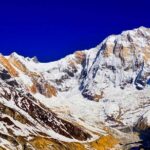
If your goal is straightforward: see Annapurna Himalaya views, do Poon Hill, and avoid the logistics headaches—this package is built for that.
FAQ
What does the Annapurna Panorama trek include during the trekking days?
It includes full meals (breakfast, lunch, and dinner) plus supplementary snacks like cookies, energy bars, and seasonal fresh fruits. Bottled water and coffee and/or tea are also included during the trek. Mountain accommodation is included as well.
How many days will I be trekking, and how many days are for sightseeing?
You’ll trek for about 6 days, and the full trip is about 11 days total. The remaining days are for sightseeing in Kathmandu and Pokhara.
Are permits included for the trekking area?
Yes. The package includes necessary paper work and permits, including the Annapurna Conservation permit and TIMS.
Is the trek private?
Yes. It’s described as a private tour/activity, with only your group participating.
What trekking gear can I bring, and what can I borrow?
The experience includes trekking equipment such as a down filled sleeping bag, walking poles, and a duffel bag. Down jackets, hiking poles, and sleeping bags can be borrowed if you need them.
What is included in Kathmandu and Pokhara, and what is not?
The package includes a Kathmandu city tour by private transport and boutique hotel stays in Kathmandu for 3 nights. Lunch and dinner in Kathmandu and Pokhara are not included, and city entrance fees in Kathmandu are not included.
How does transportation work during the trip?
Private transport is included for the drive from Kathmandu to Pokhara, for the city tour, and for trekking transfers. It includes private transport from Pokhara to Nayapul and from Phedi to Pokhara.
What kind of lodging should I expect on the mountain?
Mountain accommodation is listed as soft, comfort, private room with a shared toilet.
Is bottled water and hot shower included?
Bottled water is included during the trek. Hot shower is listed as not included.
What is the cancellation and refund timing?
You can cancel up to 6 days in advance for a full refund. Cancelling 2–6 days before gives a 50% refund, and cancelling less than 2 days before does not receive a refund.