REVIEW · KATHMANDU
Everest Base Camp Trek
Book on Viator →Operated by Nepal High Trek & Expedition Pvt. Ltd · Bookable on Viator
Everest Base Camp rewards slow steps and smart logistics. This 14-day trek combines Lukla flights, Sherpa villages like Namche and Dingboche, and high-altitude photo stops such as Kalapatthar with strong guide support from Nepal High Trek & Expedition. I like the way they build in acclimatization so the big climbs feel planned, not random.
The included gear (sleeping bag, down jacket, and duffel) plus a full meal schedule and hot tea breaks make cold-weather trekking feel far more workable. Still, the big consideration is the altitude and the weather: Lukla flights and daily timing hinge on conditions, and you’ll need solid travel/rescue insurance even though emergency helicopter support is arranged through it.
In This Review
- Quick Hits Before You Hike to Everest Base Camp
- From Kathmandu to Lukla: the flight that starts the adventure
- The trek’s first rhythm in Phakding and Namche
- Tengboche to Dingboche: monasteries, viewpoints, and smart altitude control
- Khumbu Glacier to Everest Base Camp: where the trail turns serious
- Gorak Shep to Kalapatthar: sunrise effort and why it’s worth the cold
- The return south through Pheriche, Pangboche, and Lukla valley
- Kathmandu return: Durbar Square and a different pace
- Price and value at around $1,799 per person
- What’s included (and what you still need to budget for)
- Packing tips and pacing advice that actually matter
- Who should book this Everest Base Camp trek (and who might think twice)
- Should you book this Everest Base Camp Trek with Nepal High Trek & Expedition?
- FAQ
- How long is the Everest Base Camp trek?
- Where does the trek start?
- What’s the main route starting and ending point for the trek?
- What’s included in the price?
- What is not included?
- Is airport pickup included?
- Are emergency services included?
- Does the tour require good weather?
- Can I cancel for a full refund?
- Is this a private tour?
Quick Hits Before You Hike to Everest Base Camp
- Guide support that feels personal, including leadership people call out by name like Pawan and Buddhi
- Acclimatization built into the route, with time in Namche and Dingboche before higher effort days
- Kalapatthar as the photo payoff, with an early push so you’re in position for sunrise light
- Cold-weather help included, from a provided down jacket to a sleeping bag for the trek nights
- Emergency helicopter support is arranged via your insurance, which matters for peace of mind
From Kathmandu to Lukla: the flight that starts the adventure
Most of your “real Everest” starts right away with Kathmandu logistics that keep you from wasting your first day. After landing at TIA, you’re met by Nepal High Trek & Expedition, with a representative named Anjan handling the handoff to your Kathmandu hotel. You then get a dinner to settle in and sleep before the flight rhythm begins.
Day two is about getting to the domestic terminal and catching your morning flight to Lukla, the launch point for the trek. Lukla’s air strip is short and weather can matter, so having an organized team here is more than convenience—it reduces stress. You’re also transferring between airports, so it helps to know your time windows and move efficiently.
Tip for your mindset: expect the day to feel like a gear shift. You go from city time to mountain time fast, and that’s exactly what keeps the schedule realistic.
You can also read our reviews of more tours and experiences in Kathmandu.
The trek’s first rhythm in Phakding and Namche
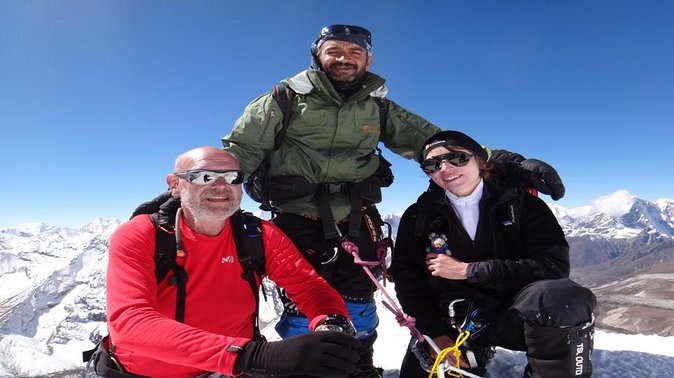
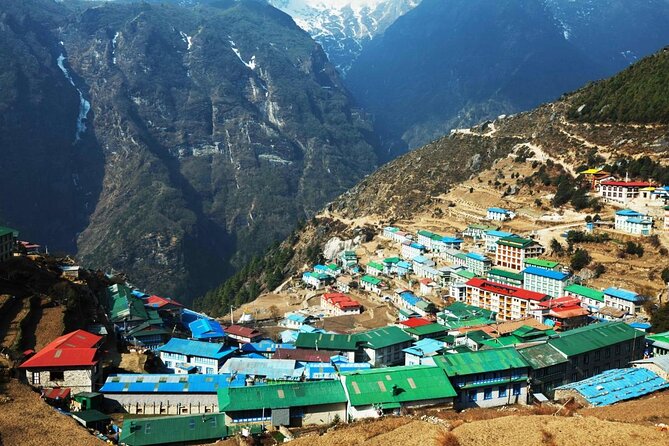
The early walking section starts from Phakding and works upward to Namche through suspension bridges over the Dudh Koshi River. This is a good “warm up” phase in the Everest region: you’re moving, but not yet pounding the highest altitudes. You’ll also pick up early mountain context, including views of Mt. Thamserku along the way.
Then comes Namche Bazaar, and this is where your acclimatization plan becomes real. There’s time to explore around Namche itself, and that matters because you’re not just passing through—you’re learning how the town works at altitude. The route also includes time at the Irish Pub stop in Namche, which is useful if you want a sheltered break, a chat, or simply a moment that feels less like hiking.
Two practical reasons I like Namche as a first real base:
First, you get access to basics like ATMs, banks, and internet cafés mentioned in the schedule. Second, it’s a place to practice pacing—walk slowly, breathe, and don’t chase speed just because you can.
One drawback: Namche can tempt you to overdo it. You’ll be excited, but remember you still have altitude ahead. The point is to gain height without exhausting your body.
Tengboche to Dingboche: monasteries, viewpoints, and smart altitude control
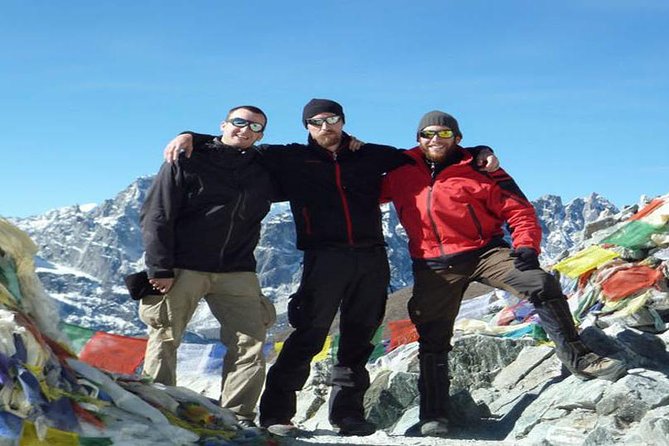
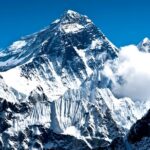
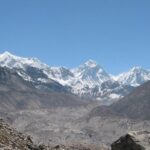
From Namche, you head toward Tengboche early, with time to visit monasteries and soak up panoramic views of major peaks. The scenery focus is clear here: Everest, Nuptse, Lhotse, Ama Dablam, and other ranges show up along the route. Even if you’ve seen Everest photos before, this is where the scale starts to feel physical.
Day six shifts you toward Dingboche with a viewpoint stop that’s built for photos and breathing time. You’re moving again, but the schedule keeps it staged—short early visits, then trekking onward. If you like taking photos, this is one of the places where you’ll feel less rushed.
Then you get the kind of acclimatization day that many Everest trekkers end up wishing they had. Day seven is a full adjustment day in Dingboche, plus a short hike toward Chhukung through the Imja Khola valley. The idea is simple: go high enough to stimulate acclimatization, then return to sleep lower (or at least the same area) so you don’t stack fatigue on top of altitude.
The route also includes Dingboche stupa time, which adds a cultural pause. It’s not just about checking the scenery box—you’re seeing how Sherpa communities build meaning into mountain life.
Consideration: this part of the trek can feel slow on purpose. If you want a nonstop hiking story, acclimatization days may feel like “waiting.” But they’re exactly what keeps you in shape for the harder days later.
Khumbu Glacier to Everest Base Camp: where the trail turns serious
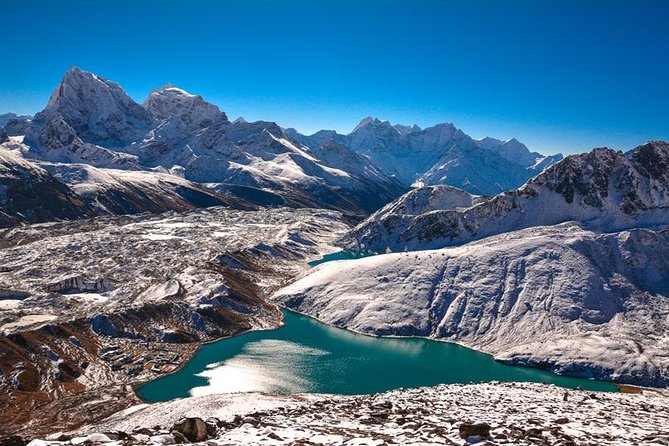
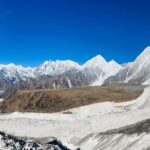
Higher days start with a walk along the lateral moraine of the Khumbu Glacier. You’ll pass stone memorials for climbers who didn’t make it back from their summits. That detail is heavy, but it’s also grounding. You’re not just walking through a pretty region—you’re in the corridor of real mountaineering history.
From there, you continue toward the higher Everest approach area, reaching the Gorak Shep region for the Base Camp movement phase. Day nine is centered on getting to the Everest Camp II (2) area from Gorak Shep and then following the trail toward Everest Base Camp. This is the day where many trekkers feel the emotional payoff: after days of gradual effort, the route finally points to the base of the world’s biggest mountain.
Small reality check I’d give you: Base Camp is not the same as a summit. It’s colder, emptier in feeling, and more about “being there” than conquest. Your reward is the scale and the sense of distance—how far the world’s highest climb still feels from your position.
Gorak Shep to Kalapatthar: sunrise effort and why it’s worth the cold
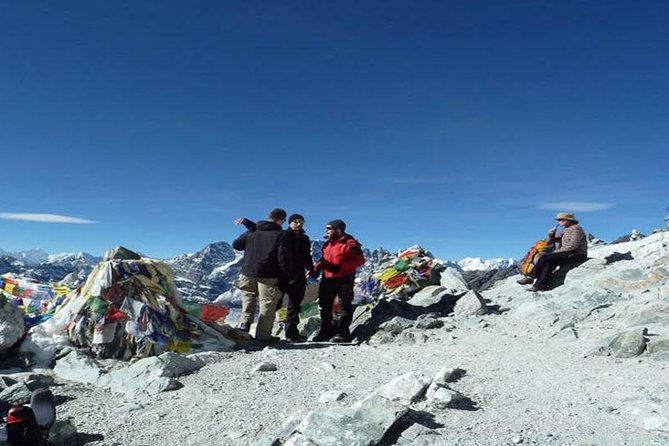
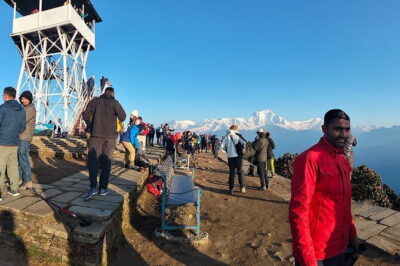
Day ten is called the gist day for a reason. You trek earlier to Kalapatthar, aiming for the sunrise and the light hitting the snow. This climb can feel long because you’re doing it at altitude, and mornings can be brutally cold. The reward is a strong one: views where the sun pierces the clouds and reflects off white snow for big-photo moments.
Kalapatthar also works psychologically. By the time you reach that high vantage point, you’ve already done hard days, so the final big viewpoint feels earned. It’s one of the best ways to turn “I walked for days” into a clear “I reached that.”
The schedule also keeps you moving between high points: you’ll be in Gorak Shep context again, then pushing up for Kalapatthar. This means you should plan on layers, gloves, and wind protection being non-negotiable.
Practical caution: don’t underestimate the cold on summit-style mornings. Even with provided gear, your personal comfort still depends on how you manage layers and dryness.
The return south through Pheriche, Pangboche, and Lukla valley
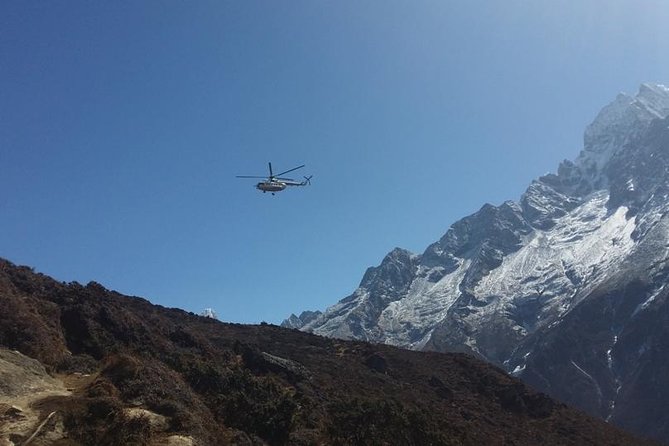
On day eleven, the route continues from Pheriche and takes a slightly different route down toward Orsho, then reaches Pangboche. Pangboche is a highlight for culture, with an old monastery stop. The monastery is said to contain scalp and bones of an abominable snowman, which is the kind of local story that makes the region feel more than a checklist.
You’re also walking in a new pattern now: the trek is transitioning from high-acclimatization effort to descent and recovery. This is a good time to think about your feet, your water intake, and your energy. Descents can be just as punishing as climbs, especially if you rush.
Day twelve brings you back from Namche to Lukla earlier than your earlier flight day logic would suggest, with free time to explore the Lukla valley. The Irish Pub stop is again part of this experience, but the bigger win is the breathing room. After a long trek stretch, this kind of slower town time helps your body come down from altitude mode.
You also spend the night at a guesthouse in Lukla, which acts like a buffer day before Kathmandu. That buffer matters because your body may still feel tired even when the walking ends.
Kathmandu return: Durbar Square and a different pace
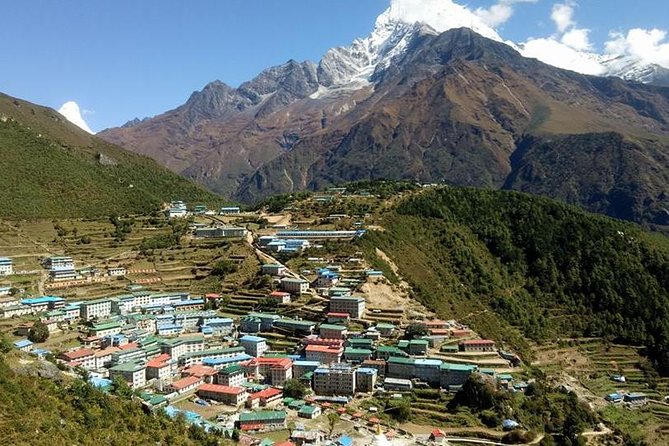
After returning to Kathmandu on day thirteen, the schedule includes visiting around Kathmandu and going to Kathmandu Durbar Square. There’s also time described as having panoramic picture opportunities of the Kathmandu valley. For many trekkers, this is the mental switch from mountain altitude to city motion, sounds, and traffic.
Day fourteen focuses on a farewell program and airport timing. After packing, you head to TIA and are advised to reach about three hours before your flight.
This ending isn’t just ceremonial. It’s useful because it gives you time to pack, reflect, and move without scrambling.
Price and value at around $1,799 per person
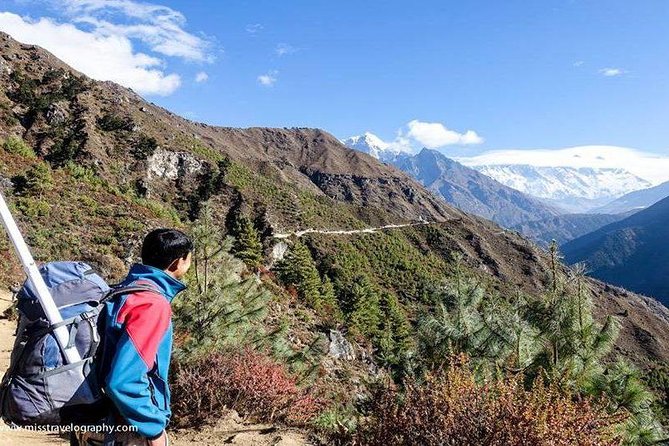
This trek is priced at $1,799.27 per person for about 14 days, and the value comes from what’s bundled. You’re not just buying a guide and a vague route—you’re getting both-way flights between Kathmandu and Lukla, permits (Sagarmatha National Park and Khumbu entrance fees), and 11 nights of trek accommodations.
You also get practical inclusions that can add up fast for independent trekkers: a provided sleeping bag, down jacket, and duffel bag. Meals are scheduled for 12 breakfasts, 12 lunches, and 11 dinners, plus three cups of hot tea during the trek. For a cold-weather, high-effort trip, that food-and-warmth support is part of the real cost.
There are still costs you must plan for. Hotel in Kathmandu isn’t included, porter cost isn’t included, and tips for guide and porter aren’t included. You’ll also need travel and rescue insurance on your own. The itinerary notes that emergency helicopter service is arranged, but it’s paid by your travel insurance company—so your policy details matter.
My rule for judging if this is a good deal for you: if you’d otherwise rent gear, pay for permits, and pay for a guided trek with flights, this package can feel sensible. If you already own quality gear and have a team plan to cover everything else, you might compare costs with other operators—but the bundled structure here is aimed at making the experience smoother.
What’s included (and what you still need to budget for)
Here’s how the inclusions shape the experience, not just the paperwork.
Included that helps day-to-day comfort:
- sleeping bag, down jacket, and duffel bag
- meals for almost every day you’re trekking
- three cups of hot tea during the trek
- medical kit box and park permit/entrance fees
- airport pickup and drop (domestic and international)
- a government licensed mountain guide from Kathmandu
The “plan for safety” portion:
- emergency helicopter service arrangement, handled through your insurance
What you should budget separately:
- travel and rescue insurance
- Kathmandu hotel
- porter cost (if you choose/need one)
- tipping for guide and porter
- mountain extras like phone calls, laundry, battery recharge, bottled water, and hot water/shower
Also, note this is private in the sense that it’s for your group only. That tends to reduce the friction of mismatched hiking styles.
Packing tips and pacing advice that actually matter
The trek can be demanding, and your fitness level matters. The schedule explicitly calls for strong physical fitness, and with the altitude profile, that’s not a marketing line—it’s a survival line.
Even with provided gear like a down jacket and sleeping bag, I’d still prioritize comfort and practicality:
- bring sunscreen and use it every day (one guide-led tip from past hikers is to apply it consistently)
- pack warm layers for early mornings, especially Kalapatthar
- plan for cold and dry conditions where water and hydration can feel harder
- keep your charging and phone plans simple, since battery recharge is listed as an extra expense
Pacing strategy I recommend for your success: go slower than you think. The route includes acclimatization, but your body still needs steady effort. If you feel out of breath, ease up immediately. The trek’s structure is built so you can recover between hard sections.
Who should book this Everest Base Camp trek (and who might think twice)
I’d steer you toward this trek if you want:
- a well-structured plan with acclimatization days
- included trekking gear so you aren’t shopping for cold-weather equipment last minute
- a guide team that’s described as supportive and safety-minded, including leaders like Pawan and Buddhi
- enough room in the schedule for cultural stops, not only walking
I’d think twice if you’re not comfortable with altitude risk and cold mornings. The route is also weather-dependent, and it calls for a strong physical fitness level. If your schedule can’t handle changes due to flight conditions, you’ll feel more stress than you need.
Should you book this Everest Base Camp Trek with Nepal High Trek & Expedition?
If you want Everest Base Camp with a structured plan, gear included, and a guide team that’s known for care and organization, this is a strong option. The best part is that the experience is built around realistic hiking logic: acclimatization stops, staged climbs, and photo viewpoints timed for sunrise light.
My only hesitation is the usual Everest truth: weather and altitude are the boss. If you’re prepared with insurance, a calm pace, and warm layers, this trek can feel like a clear path up and a satisfying path back down.
FAQ
How long is the Everest Base Camp trek?
It’s listed as 14 days (approx.).
Where does the trek start?
You start in Kathmandu, Nepal, with a pickup offered and a meeting point start time of 8:15 am.
What’s the main route starting and ending point for the trek?
You fly Kathmandu to Lukla and then trek through the Everest region, returning to Lukla and flying back to Kathmandu.
What’s included in the price?
The package includes both-way flight tickets (KTM–Lukla–KTM), a licensed mountain guide from Kathmandu, Sagarmatha National Park permit and Khumbu entrance fee, Pasang Lhamu Rural municipality entrance fee, trek accommodations (11 nights), meals (12 breakfasts, 12 lunches, 11 dinners), and gear such as a sleeping bag, down jacket, and duffel bag, plus airport transfers and hot tea during the trek.
What is not included?
Not included are travel and rescue insurance, the hotel in Kathmandu, porter costs, tipping for guide and porter, and personal expenses like phone calls, laundry, battery recharge, bottled water, and hot water/shower.
Is airport pickup included?
Yes. Airport pickup and drop are included for both domestic and international travel.
Are emergency services included?
There is an arrangement of emergency helicopter service, but it’s paid by your travel insurance company.
Does the tour require good weather?
Yes. The experience requires good weather, and if it’s canceled due to poor weather, you’ll be offered a different date or a full refund.
Can I cancel for a full refund?
Free cancellation is offered up to 24 hours in advance for a full refund. Changes made less than 24 hours before the start time aren’t accepted.
Is this a private tour?
Yes. It’s listed as a private tour/activity, meaning only your group will participate.