REVIEW · KATHMANDU
Annapurna Base Camp Trek 12 Days
Book on Viator →Operated by Nepal Nirvana Trails · Bookable on Viator
Himalaya sunrises set the pace. This 12-day Annapurna Base Camp trek is built around smart timing (think Poon Hill at dawn) and a route team that knows the trail details. You’ll move from Kathmandu to Pokhara, step into classic villages and viewpoints, and end at Base Camp with a morning return loop that keeps the scenery coming.
I like the way the trip reduces stress. Airport transfers, city-to-city transport, permits, and trekking meals are handled for you, so you can focus on walking and acclimating instead of chasing logistics. I also love that guides such as Bhairas Tamang and Prajil come across as safety-minded and genuinely tuned into the group pace, including attention to tired hikers and extra tea-time snacks.
One consideration: your real cost can creep up beyond the $800 price if you add visa, travel/health insurance, drinks/snacks, and guide tips (porter is also not included). The trek requires moderate fitness, and you’ll still be doing long days of hiking in cold, thin-air conditions.
In This Review
- Key highlights to know before you book
- Annapurna Base Camp in 12 days: what you’re really signing up for
- Day 1 in Kathmandu: land, settle, and get your bearings
- Day 2: Kathmandu to Malekhu by morning bus ride
- Day 3: Pokhara breakfast, then onward to Nayapul (the trail entrance)
- Day 4: sunrise views with that early-morning village sound
- Day 5: Poon Hill sunrise, peak counting, and the short hike that pays off
- Day 6: downhill joy to Sinuwa, and Chhomrong’s mountain-breath energy
- Day 7: Sinuwa sunrise, then the climb toward Deurali (Bamboo comes next)
- Day 8: the Base Camp day, with Machhapuchhre Base Camp on the way
- Day 9: dawn at Base Camp, then the return loop to Sinuwa
- Day 10: last trekking push to Siwai, then Chhomrong views
- Day 11: Pokhara to Kathmandu, plus shopping time and a goodbye dinner
- Day 12: the trek ends, airport drop, and you’re on to your next stop
- Price and logistics: does $800 feel like good value?
- Guides: safety, pace, and the small kindnesses that matter
- What’s included on the trek (and what you should pack anyway)
- Should you book this Annapurna Base Camp trek?
- FAQ
- FAQ
- Where does the tour start and what time?
- Where does the tour end?
- Is airport pickup and drop-off included?
- How do you get between Kathmandu and Pokhara?
- What trekking permits are included?
- Are meals included during the trek?
- Is drinking water handled for you?
- Is a porter included?
- Is travel insurance included?
- Can you cancel for free?
Key highlights to know before you book
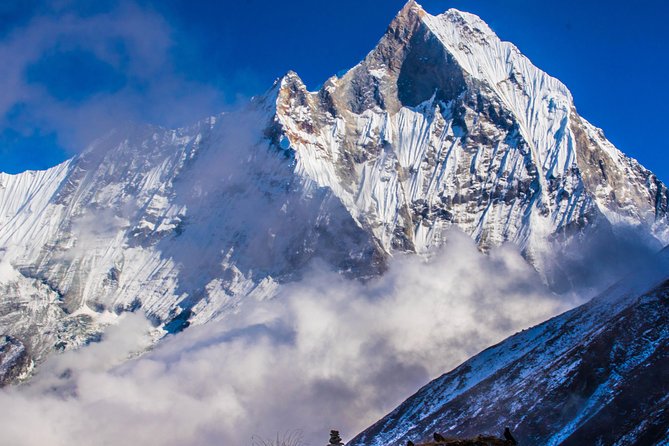
- Poon Hill sunrise is scheduled early, with a short hike to one of the best viewpoints for counting major peaks (the itinerary notes 18 peaks you can count).
- An experienced guide team leads with a steady pace and group check-ins, including guides who stop if someone is tiring.
- Meals on the trek + tea/coffee are included, so you’re not guessing what’s available day to day.
- Permits handled (ACAP, TIMS, and local permits), which saves you paperwork time and helps keep access legit.
- Water purification is included via a drop/tablets, a practical touch for daily safety on the trail.
Annapurna Base Camp in 12 days: what you’re really signing up for
Annapurna Base Camp is not a one-morning photo stop. In 12 days, you get the full rhythm: travel days, viewpoint days, uphill days, downhill days, then a return that keeps you moving through villages and forested stretches. If you come prepared for cold mornings and slower hiking at altitude, this kind of schedule feels like the right length instead of a rushed highlight reel.
What makes this package appealing is the combination of structure and support. You’re not just booking a trek name; you’re also getting the route organization, meals during trekking days, and the permits paperwork covered. That matters because on treks, the small frictions add up fast.
This is also a private tour setup, meaning it’s your group with the guide team rather than a chaotic mix of strangers. That usually helps with pace and communication, especially when weather changes.
You can also read our reviews of more tours and experiences in Kathmandu.
Day 1 in Kathmandu: land, settle, and get your bearings
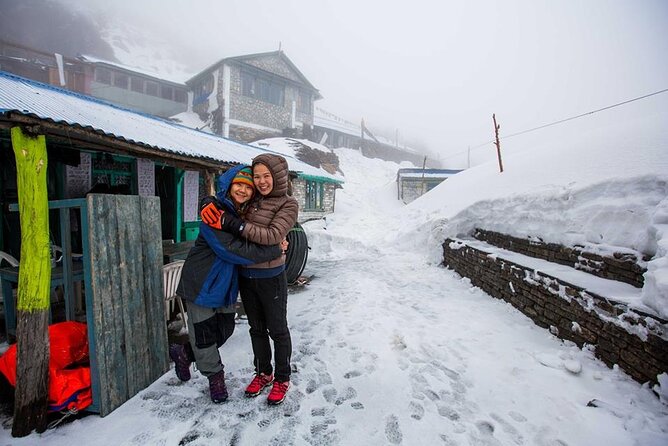
Your trek begins in Kathmandu with a meet-up at Tribhuvan International Airport. The plan is straightforward: you arrive, get escorted to your hotel, and ideally spend half a day resting and preparing. This kind of buffer is smart. With jet lag and Kathmandu traffic, rushing straight into big activity rarely ends well.
Airport transfer on arrival and departure is included, which is a big quality-of-life win. You skip the nervous scramble of figuring out rides on day one.
Day 2: Kathmandu to Malekhu by morning bus ride
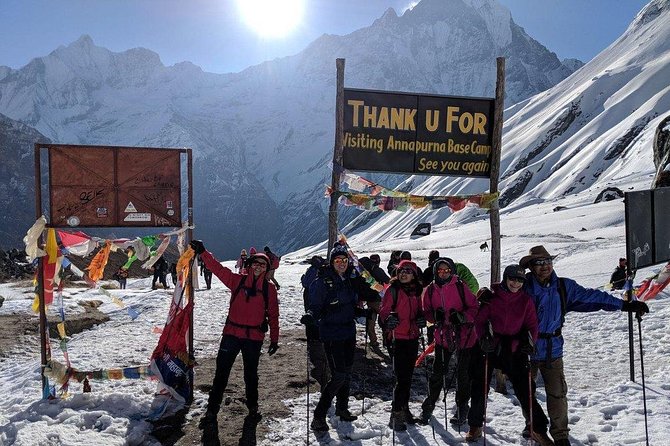
Early starts are part of Himalayan trekking, and Day 2 starts that way. The guide meets you at the hotel at 6:30 am, then you walk to Sorakhutte tourist bus station and catch the 7:00 am bus. After a short drive, the group reaches Malekhu.
This day is mostly about positioning. It sets up the route so you can connect into the next legs efficiently. One perk here: the itinerary keeps the main transport covered by the tour rather than leaving you to piece together schedules on your own.
Day 3: Pokhara breakfast, then onward to Nayapul (the trail entrance)
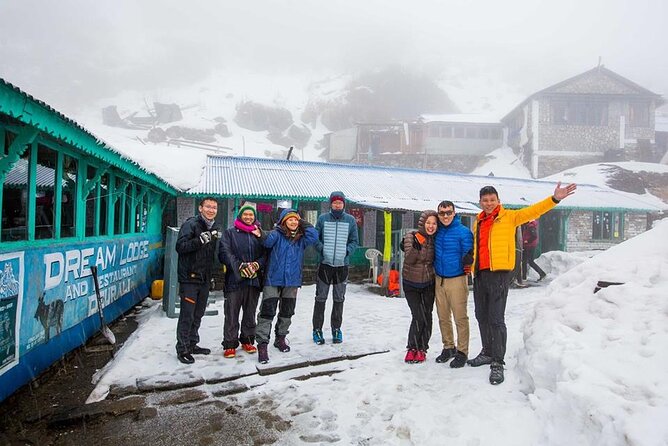
Day 3 pivots from city life into trekking life. You’ll eat breakfast in Pokhara, then the guide arranges transport to the bus park. From there, you take a sharing local bus/jeep to Nayapul, with about a 1.5-hour drive described.
This is where trekking trips often feel real. Even though you’re still on vehicles, you’ll be moving through the pre-trek logistics layer: buses, jeeps, and the shift from normal roads to dirt and trail access points. It’s not glamorous, but it’s the process that gets you to the first real walking day.
Day 4: sunrise views with that early-morning village sound
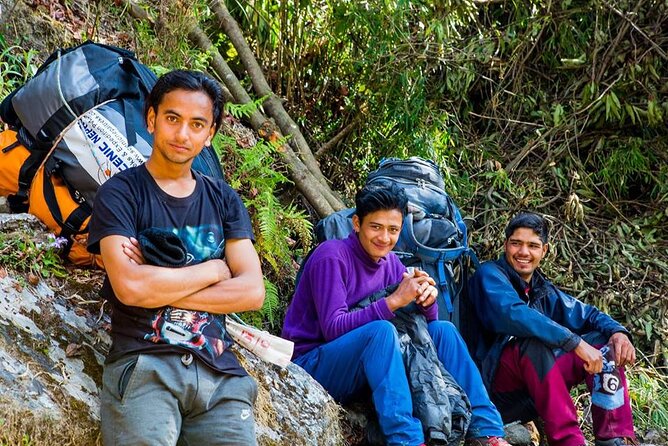
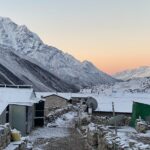
The first full mountain morning is planned around sunrise atmosphere. You wake to local sounds (donkey, goat, hen, dog are specifically noted), then catch breakfast with mountain views. That mix is part of the charm: it’s not just scenery, it’s a lived-in mountain routine.
This day’s value is simple. It’s your on-ramp. You transition from transport effort into the first real rhythm of climbing and pausing for views.
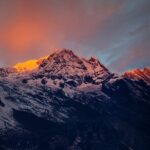
Day 5: Poon Hill sunrise, peak counting, and the short hike that pays off
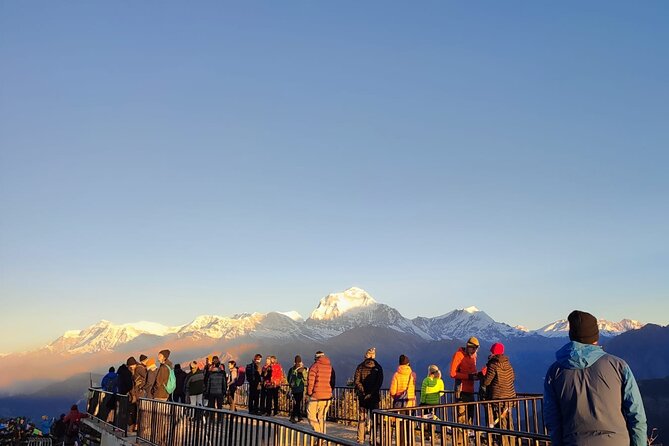
If you want one day that feels like a high-value deal, it’s Poon Hill. You’ll wake early and hike for about 45 minutes to 1 hour to the viewpoint for sunrise. The itinerary even calls out the wow factor: you can see major Himalayan peaks, with 18 countable peaks mentioned.
This is also where your fitness needs to be honest. The hike itself is short, but it’s cold and uphill. If you pace yourself and keep your breathing steady, it’s manageable. If you sprint, you’ll feel it.
Day 6: downhill joy to Sinuwa, and Chhomrong’s mountain-breath energy
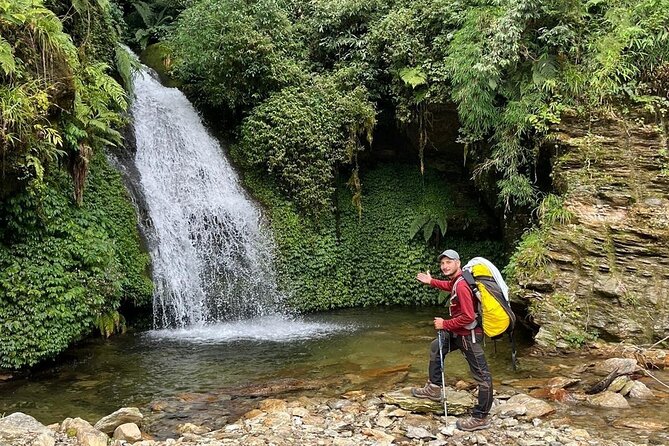
Day 6 is described as enjoyable and easy because it goes downhill toward Sinuwa. You say goodbye to Tadapani, ramble downhill, and arrive with views over places like Modi and Chhomrong Khola (the route notes those perspective points). Then you reach Chhomrong, a key village stop on many ABC routes.
Downhill days can feel “easy” until you realize your legs still work. Knee-aware walking matters here. Take small steps, and don’t forget trekking poles if you use them.
Day 7: Sinuwa sunrise, then the climb toward Deurali (Bamboo comes next)
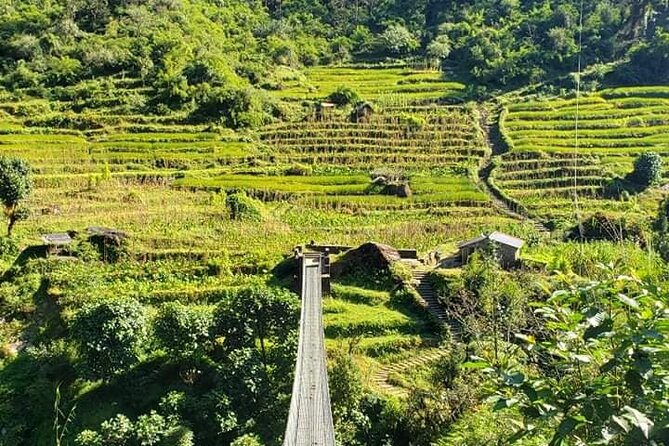
Sinuwa is treated as a viewpoint moment again, with sunrise over the Himalayas after breakfast. Then you start the ascent toward Deurali. The climb is described as about 1.5 hours to reach Bamboo, and you’re slowly coming closer to the Deurali area.
This is classic Annapurna trekking structure: you get rewarded with views, then you work. The best way to make this day feel good is to let the guide set the pace for the group rather than forcing a personal “I’m fine” plan.
A key comfort point from the reviews: guides like Bhairas Tamang and Prajil are praised for checking on wellbeing and keeping the pace appropriate. That matters most on days like this when your body starts negotiating with the altitude.
Day 8: the Base Camp day, with Machhapuchhre Base Camp on the way
Day 8 is your big destination push. You trek to Annapurna Base Camp, described as a place encircled by dramatic mountains. The itinerary notes that you’ll pass through Machhapuchhre Base Camp on the route.
This is one of those days where weather can change the entire experience. When skies cooperate, Base Camp delivers. When clouds roll in, it becomes more about the journey and the feeling of reaching the goal anyway. Either way, you’ll want to dress in layers because the temperature near the final areas can swing quickly.
Day 9: dawn at Base Camp, then the return loop to Sinuwa
You wake for the chance to watch dawn from Annapurna Base Camp if the weather is clear. After breakfast, you head back toward Sinuwa using rugged trails through sparsely forested areas. The itinerary also points to high hills with vegetation patterns along the return.
This day is a reality check for many people: you’ve already climbed to the top area, and now your legs are doing it again in reverse. The goal is to keep moving safely, not to chase speed.
The best part about having an experienced guide is decision-making. Reviews often highlight the sense of safety and organization, which is what you want when trail conditions shift.
Day 10: last trekking push to Siwai, then Chhomrong views
Day 10 is described as a final walking day, with a trek of about two hours to reach Siwai from Sinuwa. After that, the plan includes ascending to Chhomrong and taking in mountain vistas, cascades, and farmlands (all noted in the itinerary description).
On paper, that sounds short. In real life, it depends on your energy and how your body handled the return hike. This is where trekking in a private group often helps. You can keep a pace that fits you and your group instead of getting bullied by mismatched walking speeds.
From the trek ending point, you’re set up with a private vehicle transfer to Pokhara (this is listed as part of what the package includes).
Day 11: Pokhara to Kathmandu, plus shopping time and a goodbye dinner
After breakfast, you head back to Kathmandu. The itinerary describes you waving goodbye to Pokhara, then enjoying free time in Kathmandu for relaxation or shopping. In the evening, you’ll have a goodbye dinner.
This day is underrated. It’s not hiking, so you get to recover with actual meals and normal comfort. If you plan souvenir time, this is the day to do it. Don’t stack it with a major to-do list.
Day 12: the trek ends, airport drop, and you’re on to your next stop
Your Annapurna Base Camp adventure ends in Kathmandu. The plan is to have the team drop you at the airport for your flight to your next destination.
Included arrival and departure airport transfer is one of those quiet details that saves stress. When you’re done hiking for almost two weeks, you want your final day to feel simple.
Price and logistics: does $800 feel like good value?
At $800 per person for a 12-day itinerary, you’re paying for more than a guide and a trail. The included components cover a lot of the “hidden” costs that can surprise you on self-planned treks: airport transfers, Kathmandu–Pokhara ground transport, trek-day meals (breakfast/lunch/dinner plus tea/coffee), map and water purification tablets/drop, and the permits (ACAP, TIMS, and local permits). You also get 11 nights of accommodations during the tour.
The tradeoff is that some major items are not included. Your international flight, Nepal entry visa, and travel/health insurance for emergency rescues and evacuations are listed as not included. Insurance is not a small thing in the Himalaya, so factor it in early rather than treating it like optional paperwork.
Also expect extra spending for snacks and drinks during trekking time, plus meals in Kathmandu and Pokhara are not included. And porter hire is not included if you decide you want one. Guide tips are expected.
My practical take: if you want a smooth trip with less planning work, this package looks like fair value. If you already have insurance, you pack your own snacks, and you’re comfortable planning transport and permits, the value may feel less obvious.
Guides: safety, pace, and the small kindnesses that matter
In the reviews, the guide experience is the big repeated theme. People praise guides who make them feel safe, keep the group together, and adjust pace when someone is tired.
Names that come up include Prajil, Deepak, Bhairas Tamang, Somnath Tripathi, and also a mention of a point of contact named Kul before the trek. Several reviews also highlight tea-time support and extra snacks brought by the guide, plus a friendly, funny style that makes long days feel lighter.
That doesn’t mean you’ll never face challenges. Annapurna still has weather, cold mornings, and trail footing. What it does mean is you’re not navigating those challenges alone.
Also, the route team is described as mapping the Annapurna Base Camp route hundreds of times and bringing more than two decades of Himalaya group leadership. Even if you ignore the marketing language, the reviews align with that idea: people felt organized, supported, and looked after.
What’s included on the trek (and what you should pack anyway)
Included for trekking days: breakfast, lunch, dinner, plus tea/coffee. You also get water purification drop/tablets, a trekking map, and the permits paperwork. That combination saves you money and reduces the day-to-day decisions you’d otherwise face.
What’s not included: personal snacks and drinks like beer, coke, juice, Wi‑Fi, and other extras. The tour covers core meals and hot drinks, but if you’re someone who always wants extra energy drinks or constant snacks, you’ll need to budget for that.
On the fitness side, the tour asks for moderate physical fitness. That means you should train your legs and your walking stamina before you go. You don’t need to be a mountain athlete, but you do need to be comfortable with long hiking days and cold mornings.
One more practical note: service animals are allowed, and the experience is near public transportation. Those details can matter for some travelers, even if you personally don’t need them.
Should you book this Annapurna Base Camp trek?
I’d book this if you want the classic Annapurna Base Camp route with early sunrise highlights, a guide you can count on for pacing and safety, and a package that handles permits and trekking meals. It’s a good fit for people who want the trail experience without the stress of arranging everything on their own.
I’d think twice if you know you’ll need lots of extra paid add-ons during the trek (porter, constant drinks/snacks) or if you haven’t budgeted for insurance. The $800 price is only the starting point. Add visa, insurance, and expected tips, and you’ll get a truer picture.
If you’re the type who enjoys walking, sunrise moments, and village-to-village trekking, this is a strong, practical way to do ABC.
FAQ
FAQ
Where does the tour start and what time?
The tour starts at Tribhuvan International Airport in Kathmandu, Nepal, with a start time listed as 6:15 am.
Where does the tour end?
The tour ends at Cooperative Department, Deurali Club, 44600, Kathmandu, Nepal.
Is airport pickup and drop-off included?
Yes. Airport transfer services for arrival and departure are included.
How do you get between Kathmandu and Pokhara?
Ground transportation from Kathmandu to Pokhara and back to Kathmandu is included by tourist bus.
What trekking permits are included?
The package includes permits and fees listed as ACAP, TIMS, and local permits.
Are meals included during the trek?
Yes. Meals during the trekking include breakfast, lunch, and dinner, plus tea/coffee.
Is drinking water handled for you?
Water purification drop/tablets are included.
Is a porter included?
A trekking porter is not included. You can hire one if you need it.
Is travel insurance included?
No. Travel and health insurance covering emergency rescues and evacuations is not included.
Can you cancel for free?
Free cancellation is available. You can cancel up to 24 hours in advance for a full refund.