REVIEW · SICILY
Etna excursion 3000 meters with 4×4 cable car and Trekking
Book on Viator →Operated by Gruppo Guide Alpine Etna Sud · Bookable on Viator
Etna feels close enough to touch. This Mount Etna trip strings together a cable car ride, an off-road push, and real trekking toward 3000 meters, so you get both fast altitude gain and close-up geology. I love that you don’t just look at volcanic forms—you walk through the terrain shaped by eruptions.
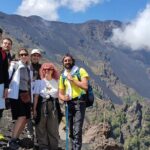
I also like the way the day is set up for comfort and safety. Jackets, helmets, socks, and hiking shoes are included, which matters because it can get cold and windy up top. Guides such as Pepe, Nino, Antonio, Vincent, Fabio, and Arthuro earn repeat praise for keeping the group moving and explaining what you’re seeing.
One watch-out: the hike can feel tougher than the word moderate on paper, especially on narrow ridge paths with drop-offs. And budget carefully, because the cable car and jeep portion adds €45 per person on top of the $66.51 tour price.
In This Review
- Key highlights to know before you go
- Etna’s 3000m day: cable car to 4×4 off-road to the craters
- Gear and physical reality: cold, dust, narrow ridges, and altitude
- Stop 1: the Sapienza start, cable car to 2500m, then 4×4 to 2850m
- Stop 2: Valle del Bove viewpoint and that horseshoe-shaped view
- Stop 3: Crateri Barbagallo and the lava-channel route from eruption stories
- Stop 4: Summit craters and gas plumes before you descend
- Stop 5: Return by cable car through volcanic sand channels
- Price and value: what $66.51 includes, and what costs extra
- Who should book this Etna 3000m excursion (and who should skip)
- Timing and practical tips that make the day smoother
- Should you book the Etna 3000m excursion?
- FAQ
- Is the cable car and jeep included in the price?
- What gear is included with the tour?
- How long is the Etna 3000 meters excursion?
- What level of fitness do I need?
- Is the tour offered in English?
- Is it suitable for people with respiratory problems?
- What happens if the weather is bad?
Key highlights to know before you go
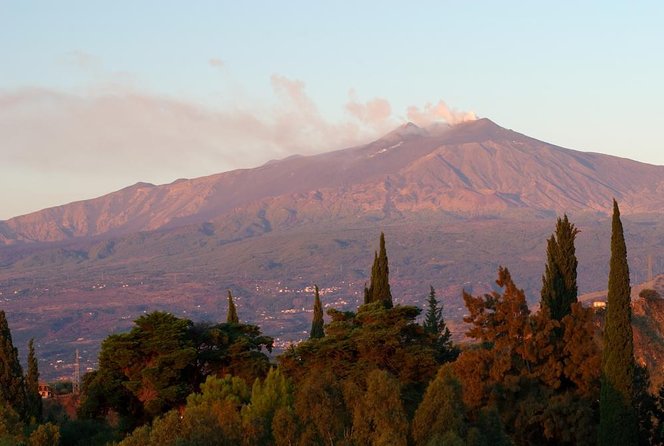
- Cable car + 4×4 + trekking means you’ll see more of Etna than a simple viewpoint stop.
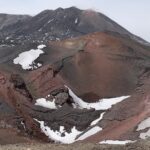
- Valle del Bove is a big horseshoe-shaped depression where you can read the volcano’s structure in layers.
- Barbagallo crater at about 3000m includes a walking route past lava terrain linked to recent activity.
- Warm layers matter: jackets and helmets help, but you still feel wind and chill at altitude.
- You need sure-footed confidence: some sections are narrow and steep, with real exposure.
Etna’s 3000m day: cable car to 4×4 off-road to the craters
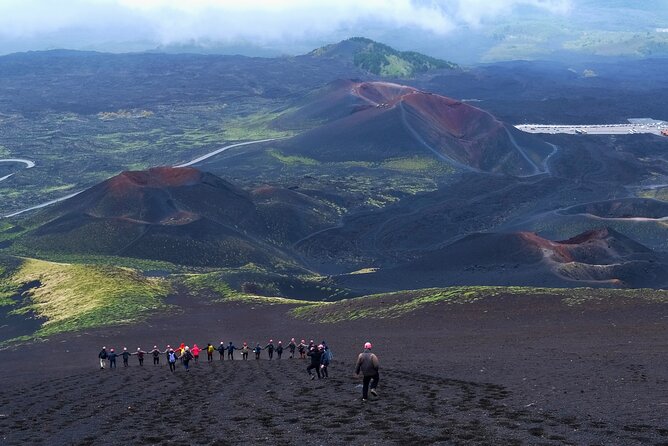
This is a classic Etna structure: start from the Etna Sud Alpine Guides area at Piazzale Rifugio Sapienza (Nicolosi), then go up in stages. You take the cable car to about 2500m, then switch to an off-road vehicle that climbs higher to roughly 2850m before the trekking begins in earnest. That step-up approach is what makes this outing work well if you want dramatic altitude without spending the whole morning on bus rides or slow foot travel.
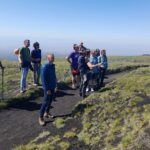
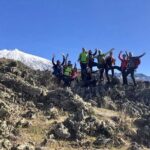
The day runs about 4 to 5 hours, and you’re in groups of up to 25. In practice, that size tends to feel manageable, but it still means you’ll move as a unit: when it’s windy, dusty, or crowded in the cable car area, you’ll feel it.
You can also read our reviews of more tours and experiences in Sicily.
Gear and physical reality: cold, dust, narrow ridges, and altitude
The tour includes socks, shoes, jackets, and helmets. That’s genuinely helpful because you’re dealing with a high, exposed environment: cold air at elevation, gritty volcanic surfaces, and wind that can cut through. In the reviews and day-to-day experience of Etna hiking, the most common advice isn’t about blisters—it’s about being ready for chill and traction.
What I’d plan for:
- Dust is real on volcanic sand and ash surfaces. Long pants help, and a wind layer helps more than you’d expect.
- Wind can add bite. Even when it seems mild in Nicolosi, you may feel about 10 degrees cooler at the summit area.
- Altitude and steep walking can add up fast. You’re not just hiking; you’re hiking on uneven, dusty ground with steep up-and-down sections.
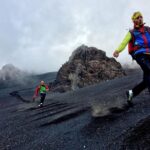
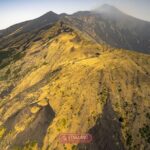
This is where “moderate” can feel different person to person. Some hikers rate it strenuous because the route includes narrow ridges and exposed edges. One detail I think matters: the walkway on the crater spines can be only about 2 to 3 feet wide with drop-offs on both sides. If heights make you tense, go in with your eyes open.
Practical tip: if you have your own well-fitting hiking boots (especially higher-top boots), bring them. Some provided boots can work fine, but not every pair has the grip you want on loose, rocky downhill.
Stop 1: the Sapienza start, cable car to 2500m, then 4×4 to 2850m
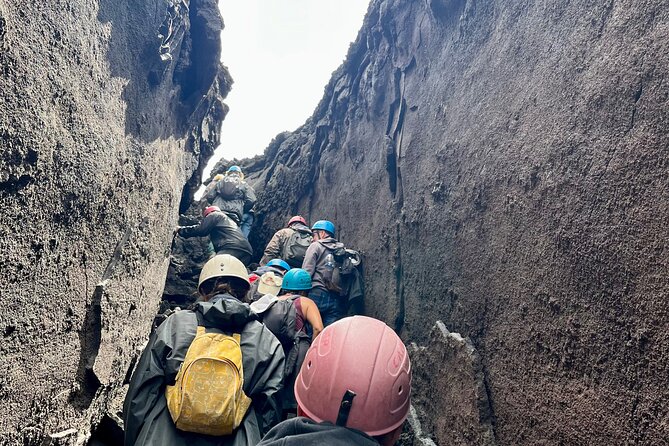
You begin at the Etna Sud Alpine Guides meeting point near Rifugio Sapienza. From there, the first push is up the mountain in two stages: cable car to 2500m, then off-road vehicle to around 2850m. This is the “effort-saver” part of the day.
Why this matters for value: getting to the higher terrain without a long climb on foot means you spend more of your limited time actually walking the key geology areas. It’s also a safety choice—getting the group started with the right altitude base before the steeper walking helps.
One logistics detail to plan: admission for the cable car and jeep portion is not included in the tour price, even though the overall structure is. Budget the additional cost and try to have cash ready. Some people reported payment friction with card machines, so bringing cash for the €45 per person is the low-stress move.
Stop 2: Valle del Bove viewpoint and that horseshoe-shaped view
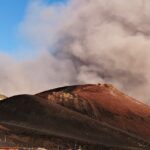
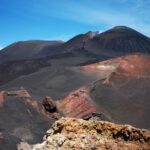
After the start push, you move to Valle del Bove, a large horseshoe-shaped volcanic-tectonic depression on Etna’s eastern side. You get about 30 minutes here, and the point is simple: it’s a viewpoint where the volcano’s structure becomes readable.
On a clear day, this stop can feel like the first big “wow” of the day because you can see the scale of the depression and the way rock cuts and walls hint at past eruptions. On the not-so-great days, you won’t get the panorama, but you’ll still get a clear sense of the volcanic bowl shape.
This is also a good place to take a breath. You’ll be higher and likely windier than you expect, so use the time to hydrate and settle your pace before the longer walk at altitude.
Stop 3: Crateri Barbagallo and the lava-channel route from eruption stories
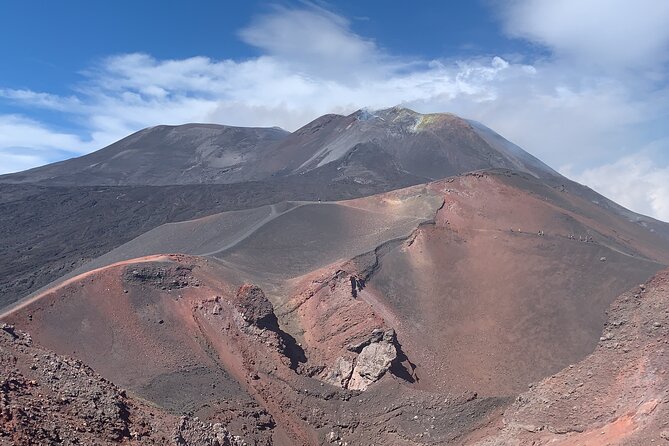
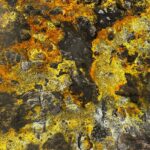
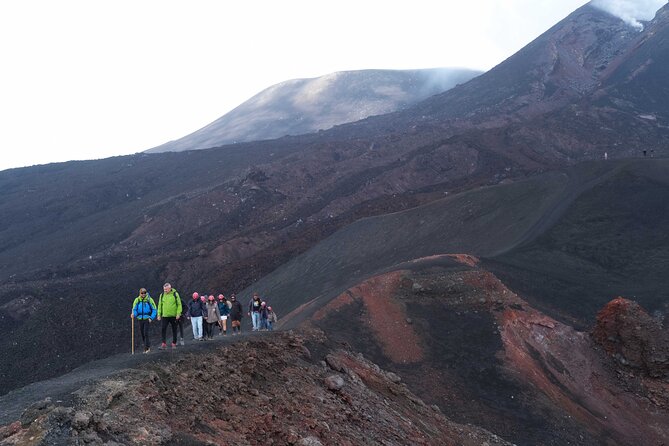
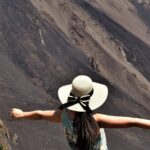
This is the main trek segment, lasting about 2 hours. You head toward Barbagallo crater at roughly 3000m, walking along sandbanks to reach a lava flow channel linked to the 2002 eruption. The route climbs from the channel area up toward the effusive mouth of that eruption, which is one of the more meaningful ways to learn Etna: you’re moving along the path the lava left behind, not just standing next to it.
Then you continue toward Torre del Filosofo (around 2920m) along more recent still-hot lava terrain tied to activity on 21-05-2023. This part is memorable because you can feel the temperature contrast through the environment, even when you’re just looking and walking.
After a lunch break (lunch itself is not included), you shift to walking along the edge of the Barbagallo crater. This is where the views can be huge: from the eastern side, you may be able to see long stretches of Sicily’s coast line, with sightlines reported from Taormina to Syracuse.
What can be challenging here isn’t just the distance. It’s the ground:
- loose volcanic material underfoot,
- steep sections,
- and the mental focus needed to stay steady on uneven edges.
If you like taking your time, you’ll be grateful for a guide. If you rush, you’ll feel it on your knees and ankles.
Stop 4: Summit craters and gas plumes before you descend
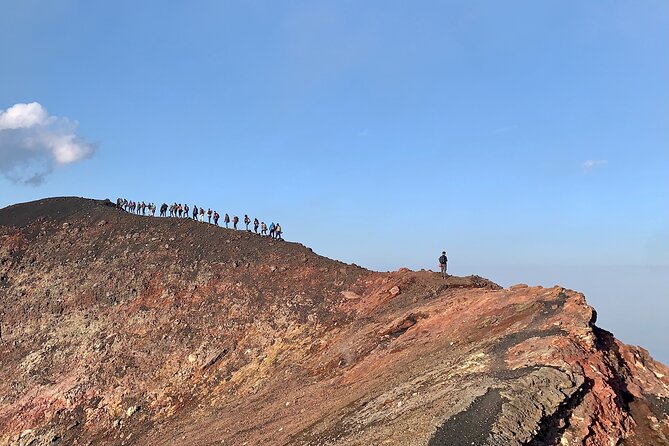
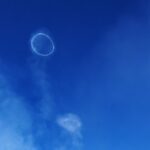
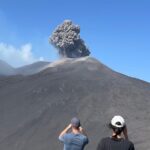
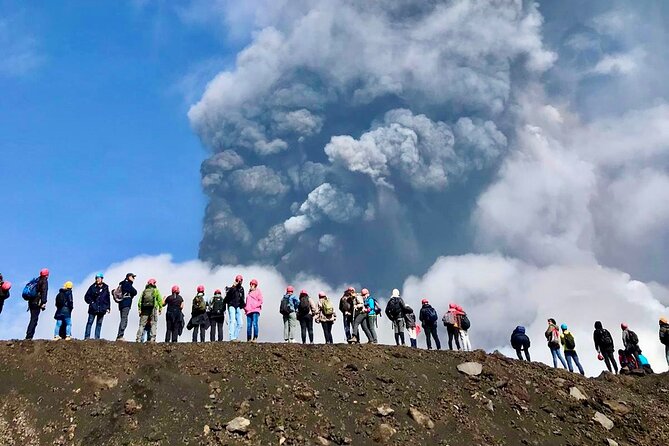
Before the return, you get another short chance—about 20 minutes—to look at summit craters, including the Central Crater and South-East Crater. The point of this segment is timing and visibility: summit plumes can be hard to catch if clouds move in, so having this brief stop keeps the day from feeling like all you did was “walk around the lower craters.”
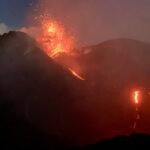
Even if conditions are less than perfect, you usually get a meaningful view of active-looking volcanic behavior: gas movement and crater shapes. That’s a key difference between Etna trips that stay at viewpoints only and this one, which builds in a summit look.
Stop 5: Return by cable car through volcanic sand channels
The comeback is another cable car ride—about 1.5 hours—with views running from the Ionian coast toward the interior on fine days. The cable car path can pass over or alongside volcanic sand areas, so you get a shifting perspective as you descend.
This is usually the part people appreciate after the walking. Your legs cool down, your brain relaxes, and the day’s scale clicks into place: you spent hours moving through a live system that still reshapes the mountain.
If the day started cloudy, you might still get some clarity as you descend. If it started clear, you’ll likely feel glad you didn’t rush photos earlier.
Price and value: what $66.51 includes, and what costs extra
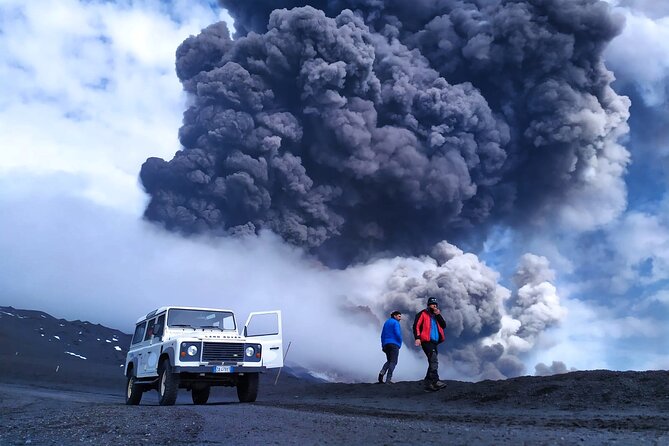
The advertised price is $66.51 per person, and the tour runs about 4 to 5 hours. It’s a good value partly because key gear is included: socks, shoes, jackets, and helmets, plus a guide service (alpine and/or volcanology support).
But you must add the extra transport ticket: the cable car and jeep admission is €45 per person. So your real budget is closer to the tour price plus that add-on. If you’re traveling as a couple or small group, have the cash ready so you don’t lose time at the wrong moment.
For me, the value question comes down to this: you’re paying for a guided route that climbs in stages and then gives you a long, meaningful walk at altitude. If you were to do it yourself, you’d still face the hard parts—finding the right trails, managing the terrain, and handling the cold and gear—without the structure.
Who should book this Etna 3000m excursion (and who should skip)
I think this tour suits you if:
- you’re comfortable with steep walking and uneven, dusty volcanic ground,
- you can handle narrow paths and exposure along crater edges,
- you’re okay with changing weather at elevation (wind and clouds can alter visibility),
- you want to understand Etna by walking across real volcanic features.
It’s less of a fit if:
- you have respiratory problems (not recommended),
- you’re anxious about heights or narrow ridges,
- you’re looking for an easy stroll with lots of sitting.
Age note: the activity is described as having no fit for children under 6. Some people felt it may be too tough for kids even around 9, especially when fear of narrow edges kicks in. If you bring younger hikers, you’ll want to judge them against their comfort with steep, narrow terrain.
Language is also a factor. The tour is offered in English, and some groups include more than one language. That can slow the day slightly when interpretation is needed, so build in patience.
Timing and practical tips that make the day smoother
A few small moves can save you stress:
- Arrive earlier than the minimum so you can get fitted and geared without rushing. People who showed up with time seemed to handle the day better.
- Bring or plan for a wind layer. Jackets are provided, but windproof comfort can be the difference between enjoying the ridge walk and just surviving it.
- Consider hiking poles or sticks. Some descents over loose material feel slippery and steep; poles help stabilize.
- Bring water and a snack mindset. Lunch isn’t included, and while there’s a break, you’ll feel better if you don’t rely only on whatever’s provided or available on the spot.
- Have cash ready for the €45 ticket. If the card reader is unreliable, you’ll be glad you thought ahead.
Weather is a major part of Etna. The tour requires good conditions. If it gets canceled due to bad weather, you’ll be offered a different date or a full refund.
Should you book the Etna 3000m excursion?
Book it if you want a guided, high-altitude Etna day that mixes transport up the mountain with a meaningful crater trek. The combination of lava-channel walking, ridge-edge views, and summit-crater stops is exactly what makes this more than a quick sightseeing outing.
Pass or look for an easier option if you’re not comfortable with steep steps, narrow ridges, and exposure. This isn’t a “pose for photos and stroll” tour. It’s a hands-on geology walk where your legs do real work and your attention stays on your footing.
If you do book it, do it on a day you expect reasonable visibility, pack for wind and dust, and keep your budget ready for the extra €45 transport ticket. Then you’ll be set for one of the most memorable volcanic days in Sicily.
FAQ
Is the cable car and jeep included in the price?
No. The tour price is $66.51, but the cable car and jeep ticket costs €45.00 per person and is not included.
What gear is included with the tour?
You get socks, shoes, jackets, and helmets, plus guide service from alpine and/or volcanological guides.
How long is the Etna 3000 meters excursion?
Plan on about 4 to 5 hours total.
What level of fitness do I need?
The activity calls for moderate physical fitness. Even then, parts of the trek can feel strenuous due to steep walking and narrow, exposed sections.
Is the tour offered in English?
Yes, it is offered in English.
Is it suitable for people with respiratory problems?
No. It is not recommended if you have respiratory problems.
What happens if the weather is bad?
The tour requires good weather. If it’s canceled due to poor weather, you’ll be offered a different date or a full refund. Free cancellation is available up to 24 hours in advance.