REVIEW · SICILY
Summit Etna North 3380mt: 4×4 and trekking
Book on Viator →Operated by Guide Vulcanologiche Etna Nord · Bookable on Viator
Etna has a way of getting your attention fast. This north-side trek brings you right to the active crater rims with a small-group, guided pace, plus all the hiking gear you need. One thing to keep in mind: the summit walk is genuinely demanding at altitude, and you may have limited time for long photo stops.
What I like most is how the route avoids the biggest crowds and uses the wild northern track instead, where the volcano looks less staged. I also appreciate the guide-led flexibility: volcanic conditions change, so they adjust the safest path toward the most active but secure crater area. If you’re not a regular hiker, plan on feeling it, especially during cold months when the top can drop to around 2°C.
In This Review
- Key Moments That Make This Etna Hike Worth Your Time
- Piano Provenzana: Coffee, Briefing, and Standing on Old Lava
- The 4×4 North-Flank Drive: Wild Views Before the Trek
- From 2,960 m Up: The Summit Trek to 3,380 m
- What You’ll See at the Crater Rims (and Why Timing Matters)
- Descending the Scoria: Legs Will Feel It, So Plan Your Pace
- Gear and Clothing: What’s Included and What You Still Need
- Who This Etna North 3380 m Tour Fits Best
- Price and Value: What You Pay for, and What’s Extra
- Should You Book This Summit Etna North 3380 m Experience?
- FAQ
- How long is the Summit Etna North 3380 mt tour?
- Where does the tour start and end?
- What’s included in the price?
- What costs are not included?
- What time does the morning tour start?
- Is there an afternoon option?
- How high do you hike?
- What’s the trekking difficulty and distance?
- How many people are in a group?
- What if the weather is bad?
Key Moments That Make This Etna Hike Worth Your Time
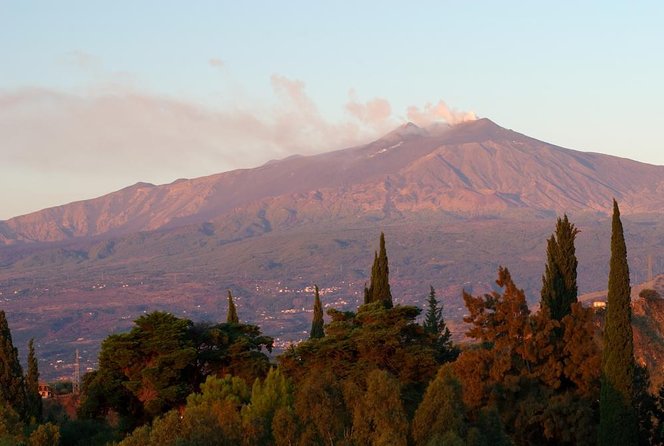
- North-side access from Piano Provenzana feels calmer and more authentic than the usual southern circuits
- 4×4 panoramic track covers wild lava terrain before you start the serious walking
- A guided summit trek to 3,380 m hits the main craters while staying safety-first
- Route changes day to day based on gas, heat, and fractures
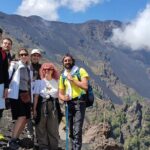
- Small max group size (10 people) helps the pace stay human
- Gear and helmets included so you can travel lighter
Piano Provenzana: Coffee, Briefing, and Standing on Old Lava
Your day starts at Piano Provenzana on Etna’s north slope, the kind of place that still feels like it belongs to the volcano rather than to tourism. The meeting point is at the Etna Nord area, and you’ll usually have time beforehand to use restrooms, grab coffee or a pastry, and get set before the briefing. It’s practical, too: there are cafés and bars on-site where you can sort out breakfast without rushing.
One cool detail is that this station sits within the 2002 lava flow. The eruption destroyed the original facilities back then, and that history still shows in the terrain. You’ll also notice the access road is drivable, which matters if you’re visiting in winter—bring snow chains or make sure your tires are winter-ready.
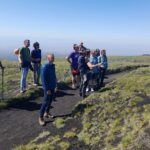
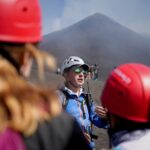
Before you even move, the guides do a short talk and hand out what you’ll need: you don’t just get instructions; you get equipped. In the included kit, you’ll find trekking shoes, trekking poles, socks, a backpack, jackets, and a protective helmet. That’s a big value point. You can hike without packing extra bulky gear, and you’re more likely to show up with proper footwear.
You can also read our reviews of more tours and experiences in Sicily.
The 4×4 North-Flank Drive: Wild Views Before the Trek
Once you’re geared up, you climb by authorized 4×4 vehicles with volcanological guides. The drive is not a lazy transfer. It crosses lava fields and lateral craters and pushes you up toward roughly 2,960 m, where the real trek starts.
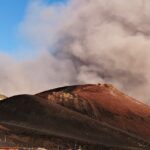
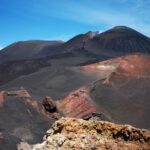
Depending on the exact program timing, the route follows a panoramic track that runs about 9.5 km along Etna’s less-touristed north side. This is where you get a taste of the bigger picture: the road climbs from around 1,800 m to 2,960 m, passing forests and then shifting into darker, harsher volcanic terrain—recent lava flows, a lava-channel type landscape, eruptive fractures, and deep lateral craters. The guides stay with you during the drive, so it’s not just a scenic ride. You’re learning while you travel.
You’ll also get the kind of payoff you want from a north-side route: views over northern Sicily and, on clearer days, the Aeolian Islands and the Strait of Messina. The information notes rare clarity could even reveal ranges and coastal areas far beyond Catania—things you can’t always see from the more common routes.
The one catch is cost clarity. The off-road vehicle portion for the climb (round trip from about 1,800 m to 2,825 m) is listed as 60 Euro per person paid on the spot. Your paid booking covers the guide, trekking gear, helmets, and accident insurance, but that 4×4 leg is an extra payment you should expect when you arrive.
From 2,960 m Up: The Summit Trek to 3,380 m
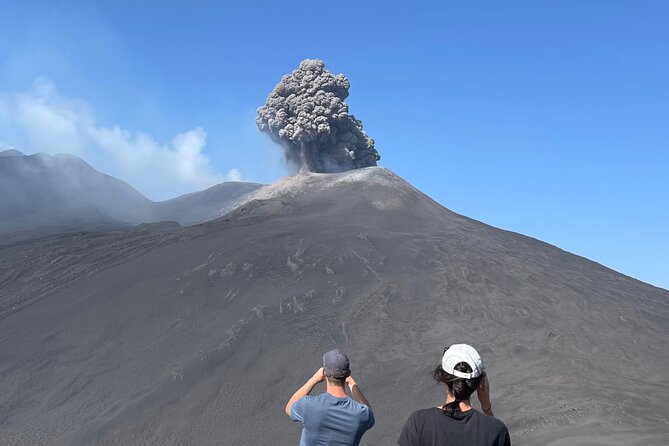
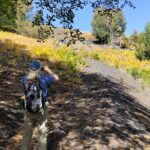
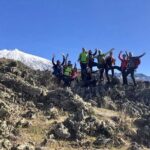
At the start of the hike, you’ll be around 2,960 m, and then the guided summit trek does about 5 km with roughly 550 m of ascent. That’s a real climb, especially because you’re starting at high altitude already. Expect an effort that ramps up your breathing and legs.
The tour is designed with flexibility because volcanic activity changes daily. You’re not hiking a rigid checklist of steps that never varies. Guides choose the safest path toward the most active yet secure crater area, and they can redirect you if gas, heat, or fractures demand it. At the top, paths can shift due to fumaroles and high rock terrain. That’s not the kind of hike where you stroll, stop, take a snack break, and expect the route to wait.
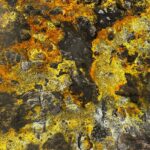
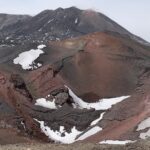
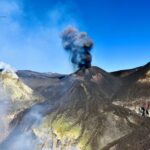
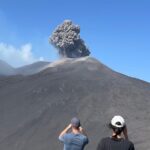
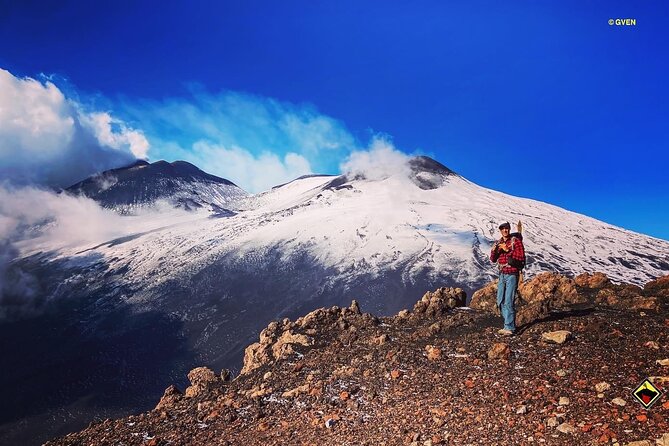
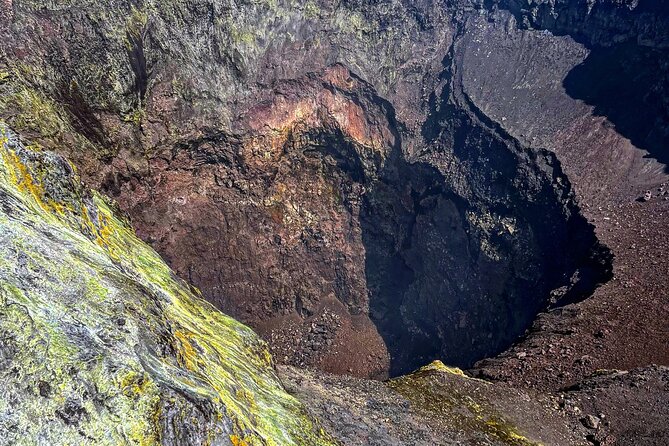
In terms of what you’re walking toward, the summit area includes four main craters: North-East, Voragine, Bocca Nuova, and South-East. When conditions line up, you’ll walk along crater rims and see fumarolic gas, mineral colors, and evidence of more recent lava formations.
One practical health note matters a lot here: the altitude range is 2,960 to 3,380 m, and mild altitude effects are possible. The guidance strongly discourages people with cardio-vascular issues, breathing problems, or hypertension. If you’re unsure, tell the guides your health situation ahead of time so they can advise you properly.
What You’ll See at the Crater Rims (and Why Timing Matters)
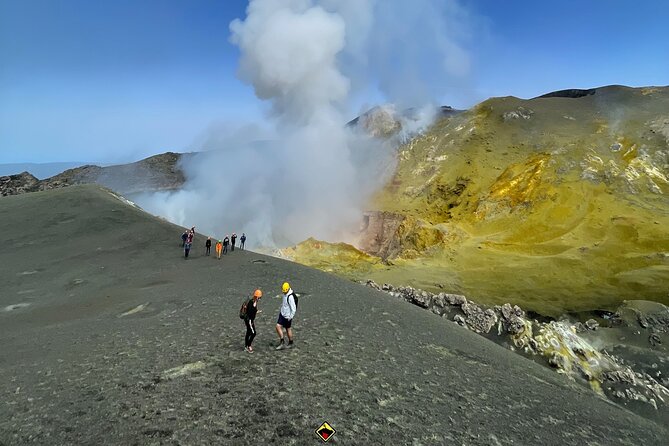
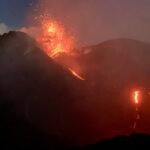
This is the part you came for: getting close to the active crater rims with a guide who understands what you’re looking at. When you’re up there, you’re not only seeing rocks. You’re also observing volcanic activity in motion—fumarolic gas venting and mineral-stained surfaces that show how heat and chemistry have worked on the terrain.
The route and the exact crater you spend the most time near can change. That’s not a downside if you want the most meaningful experience rather than a scripted postcard stop. Clear visibility can make a huge difference, and weather controls what the guides can safely approach. This is why the program emphasizes that it could be altered—or interrupted—based on environmental, climatic, or volcanic conditions.
Timing plays into this too. There are morning departures from around 8:00 to 8:15 a.m. with the guides meeting at 7:45 a.m. And there’s also an afternoon start at 1:00 p.m. from May to October. Late September, for example, can be cold enough at the top that you might see temperatures around 2°C, so don’t underestimate the chill even if the coast weather feels mild.
Descending the Scoria: Legs Will Feel It, So Plan Your Pace
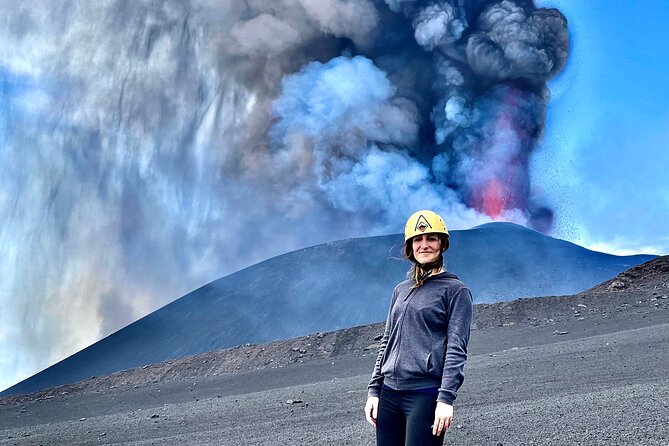
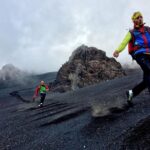
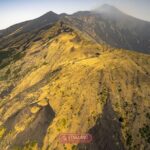
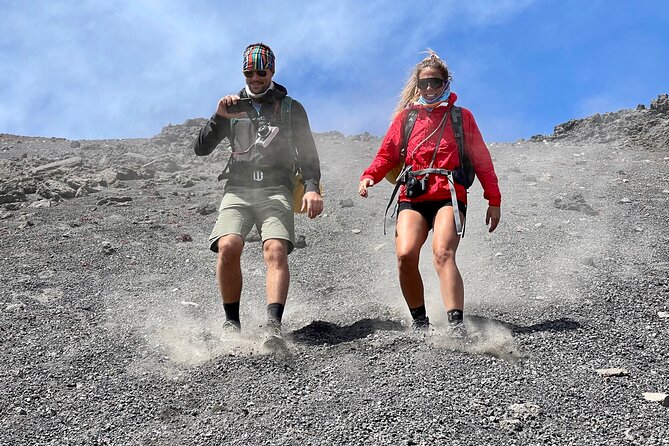
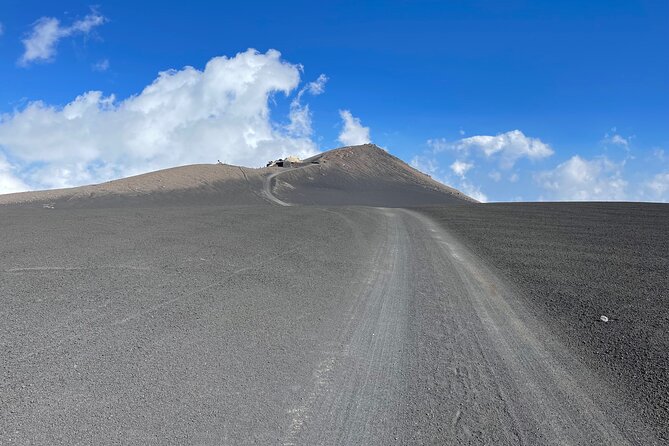
The descent is where a lot of people realize what they’re made of. From the summit area, you head down over soft scoria channels for about 4 km with a drop around 600 m. That means your legs do twice the work: you’ve already climbed, and now you’re controlling your step down unstable ground.
Total hiking distance is about 8–9 km for the full experience, and the itinerary states roughly 5 hours overall for the whole day segment (drive plus hike). After the descent, you’re back in the 4×4 for about 25–30 minutes to return.
If you’re the kind of person who likes slow, frequent stops, know that this hike is run with real momentum. One negative review flagged a faster-than-expected pace with fewer breaks and limited time for photos or eating. The flip side is that many other experiences highlight guides adjusting for the group, with short rests and a pace that helps everyone keep up. Your best move is to self-assess honestly before you join. If you’re not a regular hiker, you should expect this to feel like work.
Gear and Clothing: What’s Included and What You Still Need
This tour gives you a lot, which helps you travel smarter. Included gear covers:
- trekking shoes
- trekking poles
- socks
- protective helmets
- backpack
- jackets
Still, you may need to bring your own items depending on the season. The recommendations call out a K-way rain jacket, hat, and gloves for autumn, winter, and spring. Even in good weather, altitude wind can bite. A warm layer can also help you handle the cold at the rim.
I also strongly recommend you plan for sun and eye protection. One guide-tip from real-world experience: bring sunglasses and sunscreen, because you’re up high with strong light and dry air. If you wear contact lenses, the guidance says it’s better not to use them, since volcanic gases and ash can cause problems.
Volcanic soil can be unstable too. Expect inconsistent footing and treat every step like it matters—especially on the descent. A helmet is provided, but your attention has to be yours.
Who This Etna North 3380 m Tour Fits Best
This is for people with moderate to solid fitness. You don’t need to be a race climber, but you do need stamina for a high-altitude walk, a steep-ish ascent, and a scoria descent. If you regularly hike with elevation gain, you’re more likely to enjoy the experience instead of just surviving it.
It’s also aimed at adults and older teens. The tour isn’t suited for children under 12. The maximum group size is capped at 10 travelers, which helps keep the experience personal, but it doesn’t turn it into a casual stroll.
If you want the north side for its quieter feel, this is a smart match. The program is positioned as less crowded than the southern Etna approach, where some visitors may get a quick ride up and a short rim visit. Here, you commit to the trek.
Price and Value: What You Pay for, and What’s Extra
At the listed price of $78.61 per person, you’re mostly paying for the guide team and the hike support. What’s included is the volcanological guide, accident insurance, and a full set of trekking equipment plus helmets. That reduces your need to rent gear in Sicily.
But there is a notable extra cost: the 4×4 off-road vehicle portion is 60 Euro per person paid on the spot for the round trip climb segment. There are also small add-ons like the parking ticket (about €5 weekdays, €8 Sundays and public holidays) and the fact that lunch isn’t included.
My practical take: it still looks like good value if you want a guided crater hike that uses the north flank and doesn’t treat the summit like a 15-minute stop. If you hate altitude hiking, or you’d rather do a simpler ride-and-see format, you might feel the costs and effort don’t match your style.
Should You Book This Summit Etna North 3380 m Experience?
Book it if you want an Etna day that feels like a real climb, not a quick scenic ticket. I’d especially consider it if you care about the north side’s calmer atmosphere, want a guided explanation as you move, and are comfortable with a high-altitude trek to crater rims.
Skip it—or at least reconsider your fit—if you have breathing issues, cardio-vascular concerns, hypertension, or if you don’t do regular physical activity. Also think twice if you need lots of time for slow stops. The hike is designed to reach and move around the crater area safely, and that takes focus.
Finally, go in with the right expectations: volcanic conditions can change. The guides will adjust for safety, and that may shift how close you get to specific features in a given moment. When that’s accepted, the summit experience can feel intensely close to the real, working volcano.
FAQ
How long is the Summit Etna North 3380 mt tour?
It runs for about 5 hours on average, including the drive and the hike.
Where does the tour start and end?
It starts at CHIOSCO BAR MARENEVE DI FERRARO Etna nord-Piano Provenzana (Via Provenzana, 95015 Linguaglossa CT, Italy) and ends back at the same meeting point.
What’s included in the price?
Included are an authorized volcanological guide, trekking shoes, trekking poles, socks, protective helmets, a backpack, jackets, and accident insurance.
What costs are not included?
Not included are the off-road vehicle from about 1,800 m to 2,825 m round trip (60 Euro per person paid on the spot), a parking ticket, lunch, and transport from your accommodation. A K-way rain jacket, hat, and gloves are also not included (recommended for autumn, winter, and spring).
What time does the morning tour start?
Guides meet at 7:45 a.m. at Piano Provenzana, departing around 8:00–8:15 a.m.
Is there an afternoon option?
Yes. An afternoon start at 1:00 p.m. runs from May to October.
How high do you hike?
You climb to a summit area around 3,380 m.
What’s the trekking difficulty and distance?
The guided trek is about 5 km with about 550 m of ascent, with a descent of about 4 km and about 600 m drop. Total walking is roughly 8–9 km.
How many people are in a group?
The tour has a maximum of 10 travelers.
What if the weather is bad?
This experience requires good weather. If it’s canceled due to poor weather, you’ll be offered a different date or a full refund.