REVIEW · SA PA
EXPLORE SAPA: 2D1N TREKKING & HMONG CULTURE WITH DINH
Book on GetYourGuide →Operated by Dinh Sapa Trekking Adventures · Bookable on GetYourGuide
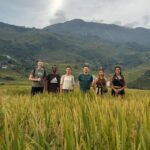
Sapa feels real when you walk it. With Dinh, a Hmong woman from Ta Van, this trek trades tourist pullouts for rice terraces, bamboo trails, and real village talk along the way. I especially love how she uses everyday moments to explain Hmong life and her own story.
The second thing I like a lot is the homestay evening. You get a simple place to rest, a hot shower, and an informal cooking moment with the family before dinner. It feels personal, not performative, and it’s the part you’ll remember long after the trail dust settles.
Here’s the main consideration: the route is moderate but still serious. You’ll cover about 18 km over two days on uneven ground, and in wet weather you should expect plenty of mud. If you hate “messy,” you’ll want to plan for it anyway.
In This Review
- Key things to know before you hike with Dinh
- Why this Dinh-led trek feels like Sapa living, not a checklist
- Day 1: 9:00 AM start, Y Linh Ho downhills, and the Hmong villages of Lao Chai
- Ta Van homestay night: hot shower, cooking with the family, and the welcome dance
- Day 2: bamboo forests, terraced rice, Giang Ta Chai waterfall, and a return to Sapa
- Value and impact: what $43 gets you (and why it’s more than a bargain)
- Homestay room choices and what “simple and authentic” means in practice
- Pace, fitness, and what to pack when the trail turns muddy
- Staying respectful: village time, buying from locals, and group pace
- Should you book Dinh’s Sapa 2D1N trek
- FAQ
- How long is the trek and what distance will I walk?
- Where do we meet, and when does the tour start?
- What meals are included?
- What is the homestay like?
- What should I bring for the hike?
- Is there time to swim, and how do you get back to Sapa?
Key things to know before you hike with Dinh
- Two days, two very different vibes: day 1 is 9–11 km (about 5.5 hours) and day 2 is 7–8 km (about 4 hours).
- Homestay with real family time: you sleep in Ta Van with simple, cozy accommodations and shared moments like cooking and dinner.
- Culture isn’t a lecture: the day moves through Y Linh Ho, Lao Chai, Ta Van, and the Red Dao area with context along the way.
- Waterfall play is optional: Giang Ta Chai includes time at the falls, and a swim is allowed if you want.
- Value goes beyond the hike: village entry fees are covered, and the experience supports local children’s education.
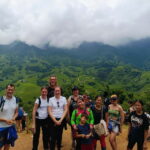
- You’ll hike with other people: it’s a group trek, so expect the pace to match the group.
Why this Dinh-led trek feels like Sapa living, not a checklist
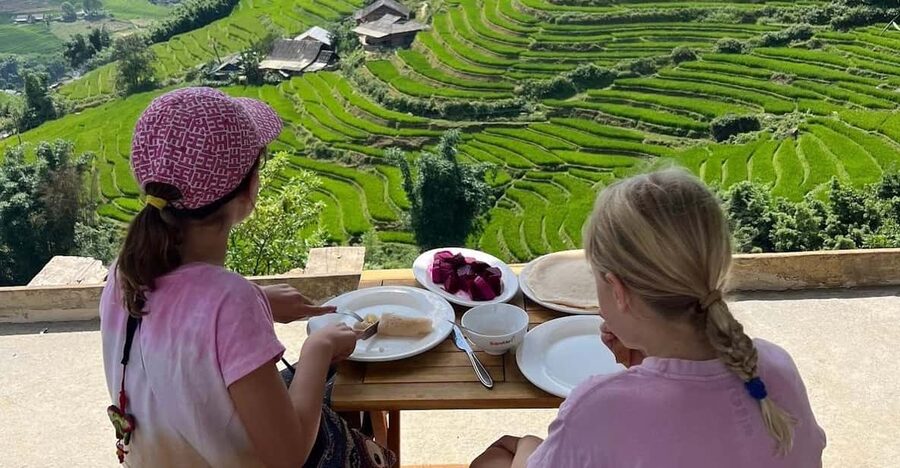
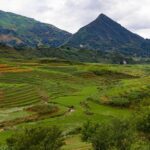
This is the kind of Sapa trip that makes the whole region feel smaller and more human. You’re based in Ta Van, and the route connects multiple villages rather than looping around the most obvious viewpoints. That matters because Sapa isn’t just scenery. It’s fields, work, seasons, and community routines that keep going whether tourists show up or not.
I also like that Dinh frames the walk with context. She shares cultural differences between ethnic groups as you move, so you notice details you’d otherwise miss: how people farm, how villages are arranged, and how daily life shapes what you see on the trail. It’s not a museum-style experience. It’s explanation while you’re walking.
Finally, the emotional side is handled openly. Dinh talks about supporting local kids’ education and even involves performances and welcoming moments during the evening meal. If you care about travel that creates a real impact, this one gives you a direct connection rather than vague “good vibes.”
You can also read our reviews of more tours and experiences in Sa Pa.

Day 1: 9:00 AM start, Y Linh Ho downhills, and the Hmong villages of Lao Chai
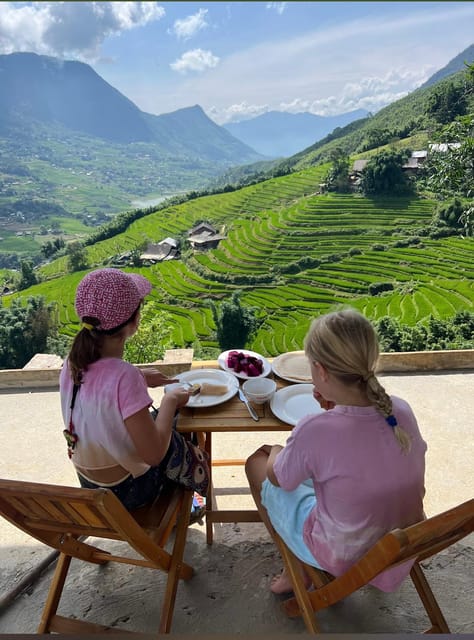
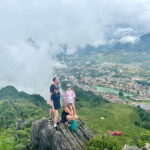
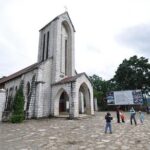
Your day begins at 9:00 AM, meeting at your hotel in Sapa Town or in front of the local main church. From there, you head out of town and start trekking downhill toward Y Linh Ho village. You’ll walk through typical Sapa valley views while the pace settles into “footpath mode,” where the goal becomes noticing small changes in farming and settlement patterns.
A key moment on day 1 is lunch at a small traditional restaurant run by a local Hmong family. This is where you shift from just hiking to actually eating as part of the route. It’s also a good time to take stock—your first big day is about 9–11 km over roughly 5.5 hours, with some uneven and sometimes steep terrain.
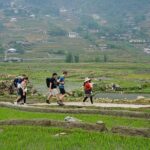
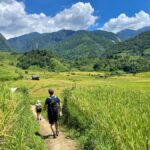
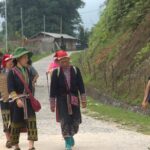
After lunch, you continue to Lao Chai, one of the oldest and largest Hmong villages in the area. The walking between villages is part of the point: terraces and paths show up as a patchwork, and Dinh uses the travel time to share what’s different between groups (Hmong and Giay are specifically mentioned for Ta Van). Depending on the season, you may see locals planting or harvesting rice, which turns the view from “pretty” into “in use.”
You end the day in Ta Van village (home to Giay and Hmong ethnic minorities), where the trail usually feels like it’s gently placing you inside the rhythm of the area.
Ta Van homestay night: hot shower, cooking with the family, and the welcome dance
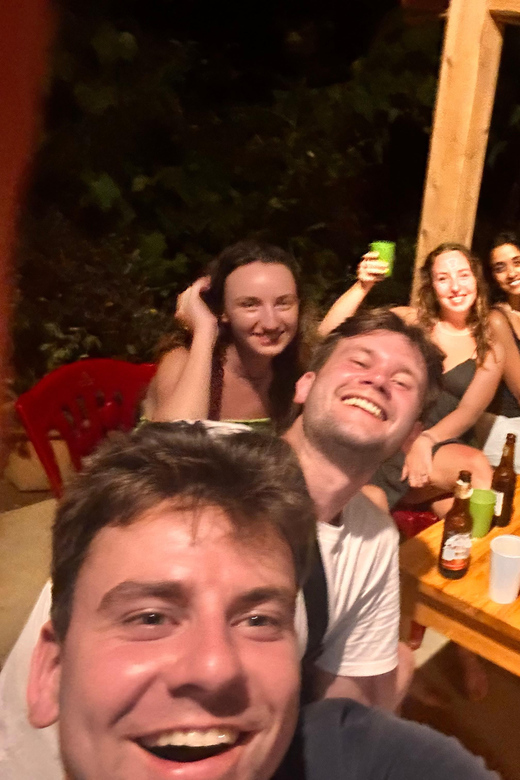
Arriving at the homestay is a satisfying transition. After the trek, you get time to rest and a hot shower before evening activities kick in. Your accommodations are simple and cozy, and you can choose between a shared setup or a private room/bungalow—some bungalows are described as having a mountain view, which means you’re waking up looking toward the terraces rather than back at a road.
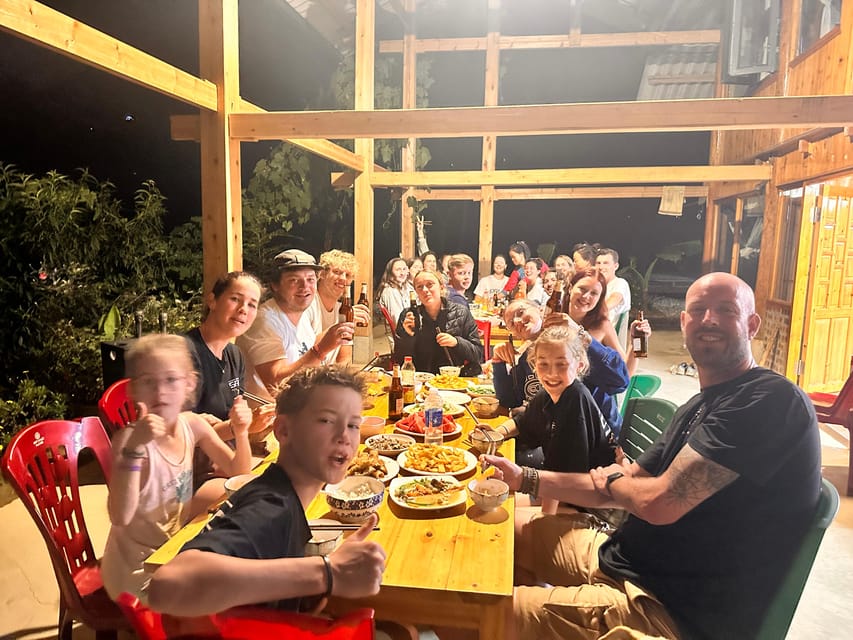
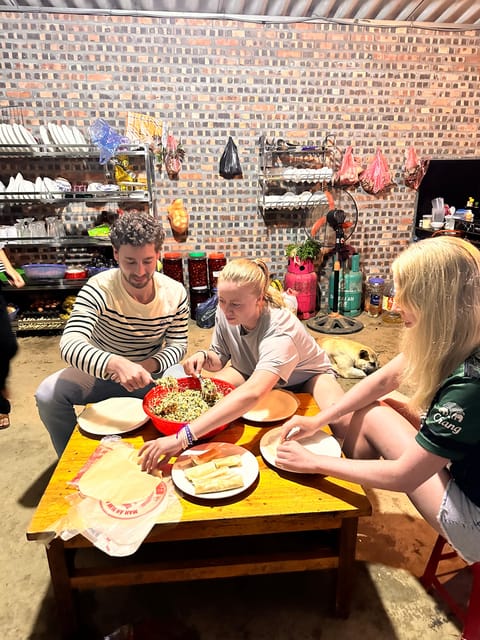
Later in the evening, Dinh’s homestay night leans into hands-on hospitality. You can join an informal cooking class with the family to prepare a traditional dinner. Then comes the full family table: Dinh shares her story about helping 10 local children’s education, and her students perform a traditional dance to welcome you.
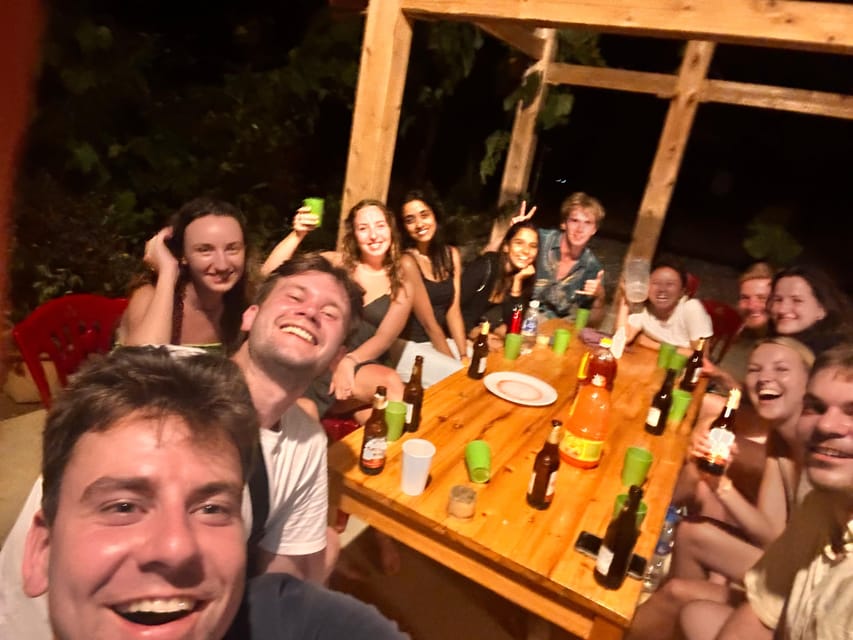
This is also the night that turns culture into play. You may spend time interacting with kids, joining simple games, and trying local rice wine called happy water (if you want to). Even if you’re not a “try everything” person, it’s worth watching how relaxed the atmosphere is. The best part is that it’s not frantic. It’s village time.
If you’re traveling with food preferences, you’ll be glad to know vegetarian options are available for meals. Some guests also mention small comfort touches like a heated blanket.
Day 2: bamboo forests, terraced rice, Giang Ta Chai waterfall, and a return to Sapa
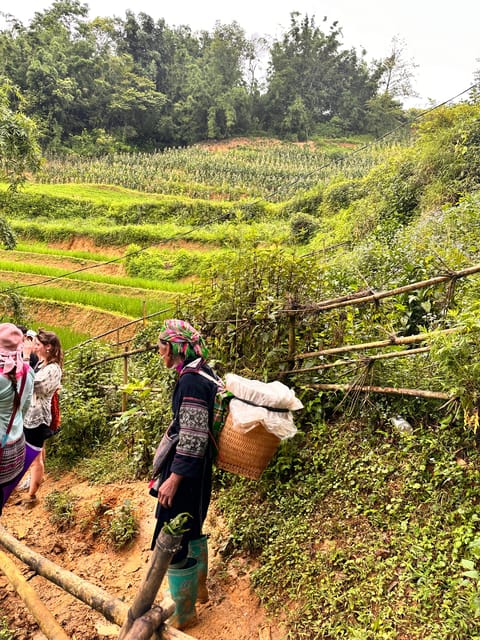
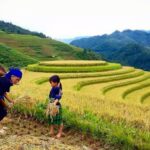
Day 2 starts peacefully with a hot coffee or tea at the homestay, then breakfast before you hit the trail again. The walking shifts to bamboo forests and terraced rice fields, so the scenery feels more textured than day 1’s village-to-village rhythm.
The hike is about 7–8 km over roughly 4 hours. You’ll head toward the waterfalls of Giang Ta Chai, and you’ll have time there to enjoy the cooling change in temperature. Dinh’s plan leaves space for optional swimming in the waterfall. If you go in, treat it like an honest nature moment: it’s fun, but you’ll get wet and you’ll need practical footwear planning.
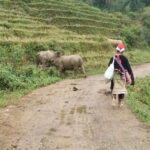
After the waterfall, you enter the Red Dao ethnic area before heading back toward the main road. That segment matters because it shows that Sapa’s ethnic diversity isn’t just a label on a map. You’re physically moving through different community zones as the trail guides you out of the more remote sections.
Lunch is included before you wrap up. Then you take a taxi back to Sapa, with the tour ending between 2:00 and 3:30 PM. In larger groups or slower sections, you might finish closer to later afternoon—so if you’re catching a tight bus, build in some buffer.
Value and impact: what $43 gets you (and why it’s more than a bargain)
At $43 per person, this trek is priced for what it includes, not just for the hours on your feet. You’re getting:
- A local guide for 2 days
- Village entry fees for 4 villages
- 2 lunches, 1 dinner, 1 breakfast
- A 1-night homestay
- 1 big water per person per day
- Transport back to Sapa at the end
That food and lodging package is a big part of the value. In many treks, meals are basic or expensive add-ons. Here, your meals are part of the route, and the dinner includes cultural interaction, not just a plate and a photo.
The other part of the value is the direct community link. Dinh’s work supports local children’s education, and the tour proceeds connect you to that effort. You’re not asked to donate separately as some kind of guilt tax. The structure already routes support through the homestay and guide system.
Downside on “value” is really just the reality of how homestays work: accommodations are authentic and basic. If you want hotel-style privacy and polished comfort, this isn’t that type of stay.


Homestay room choices and what “simple and authentic” means in practice
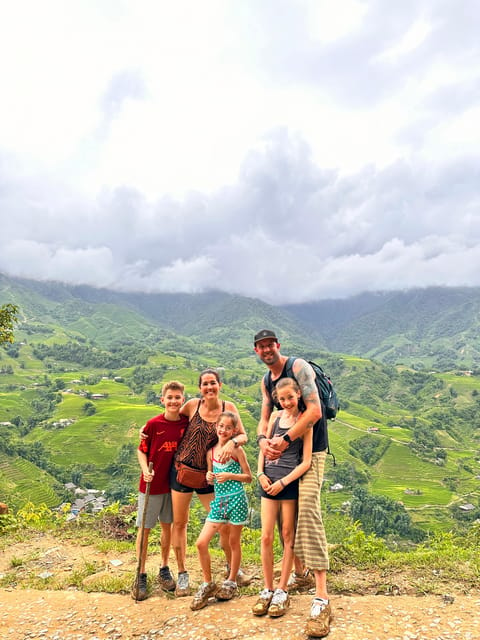
You have options for where you sleep in Ta Van: a private room or a bungalow with a mountain view (often highlighted as especially good for rice terrace views). For many people, the private/bungalow choice is worth it because it helps you recover. A long, muddy day makes a difference in how you feel the next morning.
Amenities are described as basic, but the homestay does include a hot shower, which is huge after days on foot. Expect a cozy setup rather than luxury. Some guests also report extra warmth like a heated blanket, which is the kind of small detail that can turn an icky night into a comfortable one.
Food is a major part of the experience and gets high praise for being plentiful and homemade. Vegetarian options are available, so you don’t have to sit out. The cooking class element is also a nice touch: you’re not only eating local food, you’re learning how it becomes local.
If you’re sensitive to how homes run (noise, shared spaces, simple facilities), treat this as a cultural stay first. That mindset makes everything feel easier.
Pace, fitness, and what to pack when the trail turns muddy
Fitness level is described as moderate, and that’s accurate in the practical sense. You’ll hike about 18 km total across two days, with steep and uneven terrain. Even if you’re “fine” with walking, you’ll still feel it in your legs, especially after day 1.
Weather changes the experience. If it’s wetter, sections can get muddy, and you should plan for the real-world possibility of arriving with dirt on everything. Good shoes are not optional. Wear comfortable hiking footwear and expect water and mud to find the cracks.
Your packing list is straightforward and worth following:
- Comfortable shoes or hiking shoes
- Sun hat
- Water (plus you get water during the trek)
- Biodegradable sunscreen
- Mosquito spray
- Daypack
- Cash
- Climbing gear (listed by the guide)
- Sunscreen that won’t wreck the area
One more practical tip: big bags. If you can, ask your hostel if they’ll store them so you only carry essentials for the homestay night. If you can’t, the tour can help transport your larger bags to Dinh’s house so you don’t haul them on the hike.
Staying respectful: village time, buying from locals, and group pace
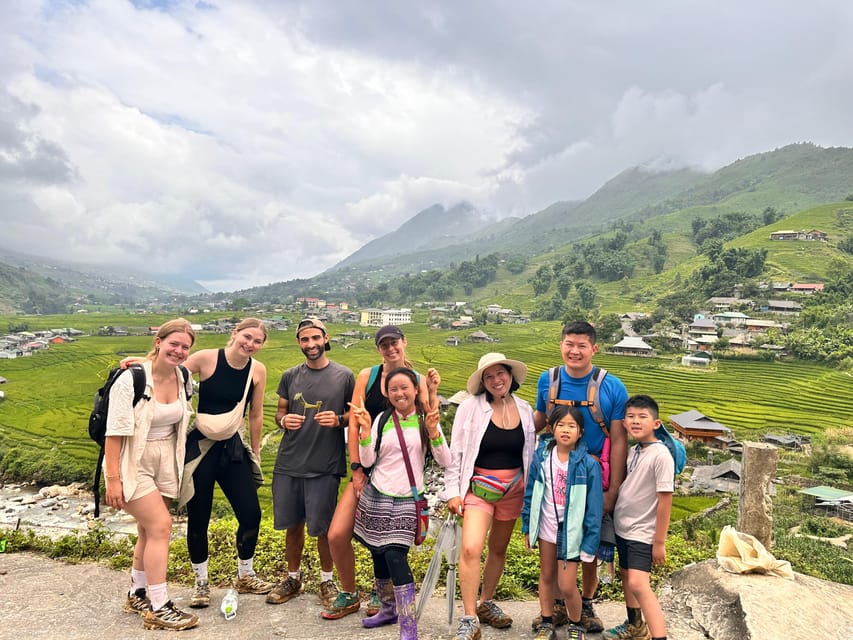
This is a group tour, so you’ll hike with other travelers. That’s part of the fun for many people, but it also affects timing. Lunch on day 2 may take longer with a bigger group, and bag transport to the road can influence when you finish. If you have a strict schedule (like a late bus), it’s smart to plan slack.
Village respect is mostly common sense:
- Keep your attention on the people and the walk, not just photos.
- If you want souvenirs, bring some cash for small purchases along the way. There’s a clear suggestion that local buying is welcome.
- Don’t rush the welcome moments at the homestay night. This is where the cultural exchange actually happens.
When you combine group pacing with respectful behavior, the experience feels warm instead of hectic.
Should you book Dinh’s Sapa 2D1N trek
If you want a Sapa trip that mixes real village connections, outdoor walking, and a homestay night with shared food and culture, I’d book this. The price is fair for what’s included, and Dinh’s community focus adds meaning beyond the trail.
You should think twice if you:
- Can’t handle uneven paths or don’t like getting muddy
- Need hotel-level comfort and privacy
- Are short on time with no buffer for a possible later finish
For the right traveler—someone who likes walking, talking with locals, and supporting community-run experiences—this is the kind of Sapa you don’t just see. You take it with you.
FAQ
How long is the trek and what distance will I walk?
Day 1 is about 9–11 km and around 5.5 hours. Day 2 is about 7–8 km and around 4 hours. In total, it covers about 18 km over 2 days and 1 night.
Where do we meet, and when does the tour start?
The tour starts at 9:00 AM. You meet either at your hotel in Sapa Town or in front of the local main church.
What meals are included?
You get 2 lunches, 1 dinner, and 1 breakfast. Vegetarian options are available, and the homestay dinner includes an informal cooking class with the family.
What is the homestay like?
The homestay is simple, authentic, and cozy with basic amenities. You can choose a private room or a bungalow with a mountain view, and there is a hot shower.
What should I bring for the hike?
Bring comfortable shoes or hiking shoes, a sun hat, water, biodegradable sunscreen, mosquito spray, a daypack, cash, and climbing gear.
Is there time to swim, and how do you get back to Sapa?
At Giang Ta Chai waterfall, swimming is optional if you want to. After the final lunch, you take a taxi back to Sapa, and the tour ends between about 2:00 and 3:30 PM.