REVIEW · LENCOIS
Trekking the valley of the pat 3 days/ GUIDE TUTY CHAPADA DIAMANTINA
Book on Viator →Operated by Guia tuty na chapada Diamantina · Bookable on Viator
A trek through Vale do Pati hits differently from a normal hike. With guide Tuty leading a small group (max 10), you get day after day of classic Chapada Diamantina moments: waterfalls for a bath, long viewpoint walks, and a standout cave crossing at altitude with a flashlight. I especially like the mix of safety and real local know-how, and the way the trip wraps in meals and lodging at local native homes (D. Raquel or Mr. Wilson) instead of just moving you along.
One thing to plan for: this is active trekking with a moderate fitness level required, plus it depends on good weather. If conditions are rough, expect the route to be adjusted or the experience rescheduled, since this activity is explicitly weather-dependent.
In This Review
- Key highlights you’ll feel fast
- Vale do Pati with guide Tuty: why this trek works
- Start in Lençóis early: Av. Sete de Setembro and the pre-trail rhythm
- Day 1: Chapada Diamantina National Park to Cachoeira dos Cristais and the first bath
- Trilha dos Tropeiros into Vale do Pati: views, plants, and a farm dinner
- Day 2: Morro do Castelo, the quartzite cave, and a viewpoint you can’t fake
- Day 2 wrap: Funis Waterfall and why recovery is part of the plan
- Day 3: Rio Preto general areas to Cachoeirão do Pati
- What guide Tuty adds beyond directions
- The schedule in real terms: time, walking, and the “moderate fitness” level
- Value and price: what $421.82 covers in the way that matters
- What to pack and how to prepare for Chapada cave-light and waterfall time
- Who should book this trek—and who might choose differently
- Should you book Vale do Pati 3 days with guide Tuty?
- FAQ
- What is the total duration of the Vale do Pati 3-day trek?
- Where does the tour start in Lençóis?
- What time does the tour start?
- What level of fitness is required?
- How big is the group?
- Is the cave crossing part of the itinerary?
- Are park admissions included?
- What happens if the weather is bad?
- What is the cancellation window?
Key highlights you’ll feel fast
- Guide Tuty’s calm, confident pace: he guides you with safety in mind and adapts to your group’s rhythm
- Home-style lodging: dinner and breakfast at local houses like D. Raquel or Mr. Wilson
- Cave crossing at 1470 m: Morro do Castelo includes a quartzite cave stretch you cross with a flashlight
- Waterfall breaks you can actually use: stops include places for a snack, a bath, and time to relax
- Bird-and-plant awareness: you may spot endemic species like the red-tied hummingbird and a prehistoric fern
- Small-group feel: capped at 10 travelers for a more personal experience
Vale do Pati with guide Tuty: why this trek works
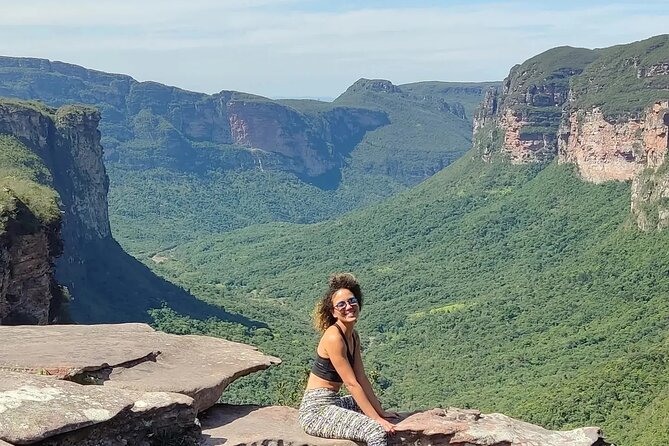
Vale do Pati is one of those places where the effort makes sense. Day after day you walk ridgelines, drop into valleys, and pop out at viewpoints where the scale of Chapada Diamantina lands on you fast. What makes this 3-day option appealing is the balance: you get real time outdoors, but the trip is also structured around comfort between hard walking blocks.
Guide Tuty is the heart of the experience. From the way the day is paced to how the route is chosen, the goal seems to be simple: you shouldn’t feel lost, rushed, or unsafe. And because the group stays small, it’s easier for Tuty to read your pace and energy and shift details without making it feel chaotic.
The other big reason this feels like good value is that you’re not doing this as a “hotel in, hike out” setup. The itinerary includes dinners and overnight stays at local households (D. Raquel or Mr. Wilson). That matters because it changes the feel of the trip. You’re not just passing through Lençóis or the park area; you’re sharing the rhythm of village life—food, stories, and a slower evening after your walking day.
Start in Lençóis early: Av. Sete de Setembro and the pre-trail rhythm
Your day begins in Lençóis at Av. Sete de Setembro, 34. The official start time is 7:00 am, and you’ll be leaving by car after breakfast to begin the Pati trail around 8:00 am. That early start is smart here: it helps you get into the best walking window and gives the group a buffer for the day’s terrain.
This matters because the plan includes multiple “moving parts” in a short period. You have long walks, viewpoint time, and waterfall stops across three days. Starting early keeps the experience from turning into a long slog of delays and late-day darkness—especially because one day includes a cave crossing where timing and light matter.
Day 1: Chapada Diamantina National Park to Cachoeira dos Cristais and the first bath
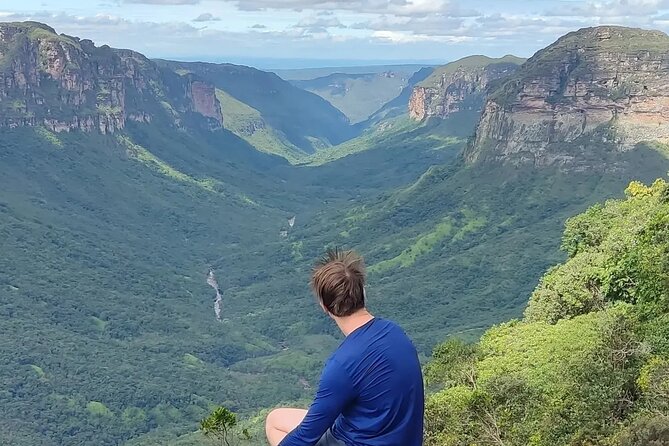
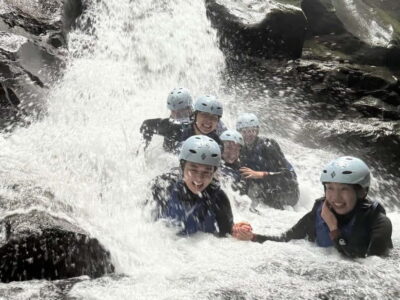
Day 1 starts in Chapada Diamantina National Park. After pickup and breakfast, you travel by car to begin the Pati trail with a walk across the Gerais do Vieira—broad, undulating expanses with rivers and waterfalls. The trail snack comes at a classic stop: Cachoeira dos Cristais, where you also have time to enjoy a bath.
Two things I like about this setup. First, you ease into the trek with a mix of walking and built-in breaks. Second, you hit something memorable early, before you’re tired and before your body starts questioning every step. The “snack plus bath” rhythm is exactly what you want on a first day: you’re not just stretching your legs; you’re earning them.
The trade-off is that day 1 still includes a fair amount of walking time. This is not a casual stroll, so if your fitness is borderline, you’ll want to pace yourself from the start. Go steady, save energy, and let your body warm up before you aim to move fast.
Trilha dos Tropeiros into Vale do Pati: views, plants, and a farm dinner
After Cachoeira dos Cristais, the day shifts toward Vale do Pati along the Trilha dos Tropeiros. This section is where the view quality starts to feel “earned.” You get big outlooks toward the Serra do Sincorá, and the area is described with specific vegetation types—rupestrian field, insectivorous plants, orchids, and evergreens (including Paepalanthus).
This is one of those details that makes the trek more than just scenery. When a guide can talk about what you’re actually seeing—plant types, the local ecosystem, and why certain spots matter—it changes the walk. You start noticing the small things instead of only measuring distance and elevation.
You also have a chance to observe wildlife. The itinerary notes saw-footed hawks, often in pairs. Even if you don’t spot them on your timing, you’re walking in the kind of habitat where the chance is real.
By the end of day 1, you sleep at a local home in the upper Pati area (D. Raquel or Mr. Wilson). Dinner is described as delicious with farm ingredients. This is another high-value part of the trip: after a full day outdoors, you get real food and a quiet place to recover instead of chasing meals in the dark.
Day 2: Morro do Castelo, the quartzite cave, and a viewpoint you can’t fake
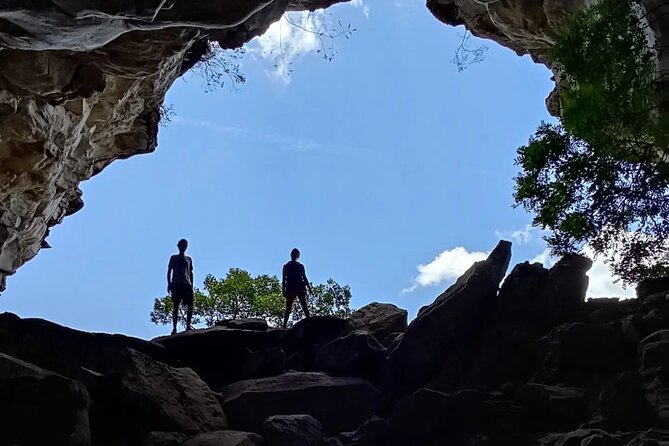
Breakfast sets up day 2, then you climb Morro do Castelo. Once at the top, you reach a standout feature: a quartzite cave at 1470 meters of altitude. You cross it with a flashlight, then you reach the viewpoint of Pati de Baixo.
This is the day most people remember because it’s not just a walk—it’s a “moment.” A cave crossing is a physical and mental shift. Your attention tightens. You’re focused on footing, spacing, and light. And then you step out to the kind of wide valley view that makes your effort feel instantly worth it.
Two practical notes help you enjoy this more:
- Bring yourself mentally prepared for an indoor, low-light section. You’re not just walking on a path; you’re moving through a cave with flashlight guidance.
- Keep your body calm and steady. If you rush, you’ll feel it in your balance, and the whole experience gets less pleasant.
After that viewpoint time and a trail lunch at the impressive spot, you head back. The return includes downtime and recovery: a bath and relaxing at Funis Waterfall, then dinner and another night at the native home.
Day 2 wrap: Funis Waterfall and why recovery is part of the plan
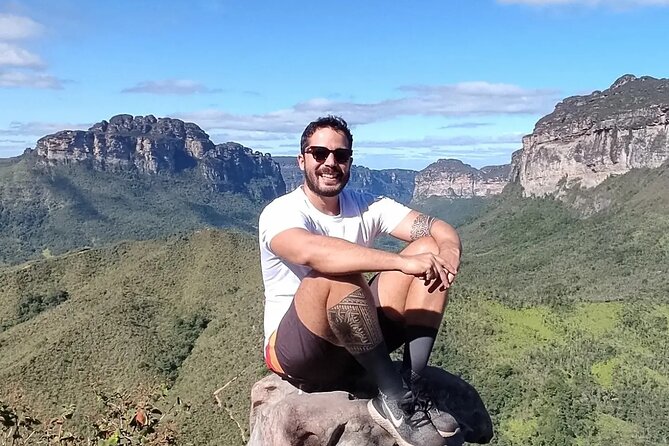
Funis Waterfall isn’t just a photo stop. The itinerary specifically includes time to bath and relax. That changes the tone of day 2 because it lets you reset after the cave and the viewpoint work.
For a 3-day trek, recovery planning is underrated. If your body gets sore early and you ignore it, you pay for it on day 3. Water time helps, even if you keep it brief. It cools you off, loosens you up, and makes the final day feel more manageable.
Day 3: Rio Preto general areas to Cachoeirão do Pati
After breakfast, you move through the Rio Preto general areas until you reach Cachoeirão do Pati. This is presented as a privileged point of unforgettable beauty, with views extending toward the ascent of the Empire and a sense of the valley opening outward.
This part matters because by day 3, your body knows what to do. You’ve already learned the pace, the rhythm, and how long breaks take. That makes the final big viewpoint feel less like endurance and more like payoff.
The itinerary also includes nature details you might be able to spot: a hummingbird with a red tie, endemic to Chapada, and a fern described as a prehistoric plant. Even when you don’t see every species, knowing the guide is watching for specific signs makes the whole walk feel intentional.
You finish with dinner and accommodation again at the local native home (D. Raquel or Mr. Wilson), which keeps the trip consistent. No sudden switch to a different lodging style. No last-minute scramble to find food.
What guide Tuty adds beyond directions
In places like this, the guide decides how the trek feels. Tuty is described as communicative, attentive, and deeply familiar with the Chapada because he’s from Lençóis. That local grounding isn’t just trivia—it’s practical.
Here’s what that usually looks like on the ground:
- Safety-first decision-making: you’re told what to expect and where caution matters
- Flexible pacing: the itinerary can adjust to your group’s needs rather than sticking to a rigid script
- Knowledge that actually changes your walk: plants, animals, and terrain aren’t treated like background
- Photography help: Tuty is described as an excellent photographer who helps you get good angles and memories
- On-the-spot problem solving: even when delays happen early, the experience can still be structured so you get meaningful trekking time and a night in Vale do Pati
If you care about photos, the guide’s photography approach can be a real benefit. It’s not just pointing. It’s picking the best places and the best angles—useful when you’re moving over uneven terrain and the best view can vanish quickly behind clouds or crowds.
The schedule in real terms: time, walking, and the “moderate fitness” level
The days are long enough to require more than casual hiking. The trek involves multiple hours walking each day, viewpoint stops, and at least one technically different segment: the quartzite cave crossing with flashlight.
The good news is the group is small (max 10), so you can keep a steady pace without feeling like you’re stuck behind a wall of slow walkers or running to keep up with fast ones.
If your fitness is moderate, you’ll likely do fine if you:
- Start slow and build momentum rather than forcing speed early
- Keep a steady rhythm on climbs
- Use the planned snack and bath breaks as recovery, not just as a break to chat
- Wear boots or shoes you trust on uneven ground
Because good weather is required, bring a mindset that plans can shift. The trip is designed for conditions that let you walk safely, and if the day needs a change, that’s part of doing this responsibly.
Value and price: what $421.82 covers in the way that matters
The listed price is $421.82 per person for about 3 days. Price alone doesn’t tell the story here, but the structure gives you clues about what you’re paying for.
You’re paying for:
- A knowledgeable local guide (Tuty)
- Transportation by car at the start of day 1 to access the trail
- Park access where admission tickets are described as free for the listed stops
- Meals that include dinner with farm ingredients and breakfast at the native home
- Trail food, including a trail snack and trail lunch
- Overnight lodging at local houses in the upper Pati area (D. Raquel or Mr. Wilson)
- A small-group experience (max 10)
When you compare this type of trek to “pay for a guide only,” the value is in the total package. A trek like this is exhausting, and food and lodging quality can make or break your energy for the final day. Having dinner and breakfast included in a real local setting is not a minor detail—it’s part of why people feel they got more than a hike.
One practical consideration: you’ll still need to bring your own hiking basics (water, sun protection, and good footwear). The trip covers the core trek services, but it won’t replace what you carry on your body.
What to pack and how to prepare for Chapada cave-light and waterfall time
The data you have is pretty direct about the two “special” gear moments: you cross a quartzite cave with a flashlight, and you plan bath time at waterfalls.
So your preparation should reflect that:
- Be ready for a low-light cave segment where secure footing matters
- Plan for water stops even if you only do a quick dip
- Dress for shifting conditions in a region that can change quickly
Also, the trek involves enough active time that footwear comfort matters. If you show up with worn shoes, day 2’s cave approach and walk back can feel harder than it needs to.
If you’re the type who loves to capture memories, it helps to come with a flexible mindset. Tuty is described as an excellent photographer who helps you with angles. That means you can spend less time wrestling with gear and more time simply enjoying the moment.
Who should book this trek—and who might choose differently
This is a great fit if you:
- Want a real guided trekking experience in Chapada Diamantina, not just a quick nature walk
- Prefer small group dynamics (max 10) and a guide who can adapt
- Like the idea of eating dinner and sleeping at local native homes rather than chain-hotel style
- Appreciate nature knowledge: plants, birds, and why certain stops matter
It may not be the best fit if you:
- Are not comfortable with moderate physical fitness demands
- Hate uncertainty caused by weather dependence
- Want a fully relaxed itinerary with minimal walking
If you’re on the fence because of the activity level, don’t just guess. Be honest about your recent hiking. If you can handle several hours of walking with climbs, you’re likely in the right zone.
Should you book Vale do Pati 3 days with guide Tuty?
I’d book it if you want the Chapada Diamantina experience in its most human form: a guide who knows the terrain, local homes for meals and sleep, and a route that hits multiple “you won’t forget this” moments—Cachoeira dos Cristais, the Morro do Castelo cave crossing with flashlight, and the final viewpoint at Cachoeirão do Pati.
Book it with the right expectations: this is active trekking, and weather matters. If you’re okay with that, you’ll probably love the combination of big views, real recovery time, and Tuty’s calm, organized way of handling the trail.
FAQ
What is the total duration of the Vale do Pati 3-day trek?
It runs for 3 days (approx.).
Where does the tour start in Lençóis?
The meeting point is Av. Sete de Setembro, 34 – Lençóis, BA, 46960-000, Brazil.
What time does the tour start?
The start time listed is 7:00 am.
What level of fitness is required?
The experience is for travelers with moderate physical fitness.
How big is the group?
There is a maximum of 10 travelers.
Is the cave crossing part of the itinerary?
Yes. On day 2, you climb Morro do Castelo and cross a quartzite cave with a flashlight.
Are park admissions included?
For the stops listed (including Chapada Diamantina National Park and Vale do Pati sections), admission tickets are described as free.
What happens if the weather is bad?
This experience requires good weather. If it is canceled due to poor weather, you’ll be offered a different date or a full refund.
What is the cancellation window?
You can cancel up to 24 hours in advance for a full refund.