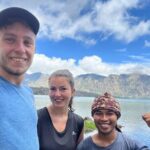
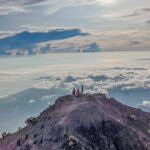
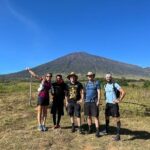
Rinjani starts at 3 a.m. for a reason. This Mount Rinjani 3D 2N Trekking route is built around big views—crater rim sunsets, the Segara Anak lake, and a summit sunrise timing that actually matters. I like the way the trek is structured for pacing (lunch breaks, planned climbs, and consistent meal stops), and I really appreciate the strong guide and porter setup that takes care of the camp work. The main drawback is obvious: it’s hard, and Day 2 starts brutally early, so you need solid fitness and patience.
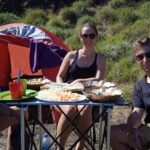
What makes this package especially appealing value-wise is that you’re getting the full trek “camp system” included. You’ll have tents, a toilet tent with paper, sleeping gear, and even camping table and chairs, plus unlimited drinking water during the trek. You also do the route with a private group (only your group), which tends to feel better on a route this physically demanding.
One more thing to consider: not every guide interaction will feel the same. Most feedback praises the organization and how guides and porters work as a team, but one experience noted less personal check-in from the guide. Still, the overall pattern is that the operation runs tightly and keeps camp and food moving.
In This Review
- Key things to know before you hike Rinjani (3D/2N)
- The big picture: what this 3D/2N Rinjani trek actually gives you
- Starting in Senaru: the day you begin at 7:00 a.m.
- A realistic Day 1 expectation
- Sembalun Crater Rim: sunset views and the setup for a sunrise climb
- Day 2: 2:00 a.m. breakfast, 3:00 a.m. summit, and crater-lake rewards
- Segara Anak and the hot spring: why this stop matters
- Afternoon climb to Senaru Crater Rim
- Day 3: jungle descent from 2,641 m back to Senaru
- Guides, porters, and the small details that change the whole trip
- Why that matters for you
- Price and value: $250 plus the Rinjani entrance fee
- Who this trek fits best (and who should rethink it)
- A practical packing mindset for Rinjani (based on the trek rhythm)
- Should you book Mount Rinjani 3D 2N with Jou Trekking?
- FAQ
- How long is the trek, and what are the main days?
- What’s the hardest part of the itinerary?
- What’s included in the trek price?
- What entrance fee do I need to budget for?
- Where does the trek start?
- Is this a private trek?
- What happens if the trek can’t run due to weather?
Key things to know before you hike Rinjani (3D/2N)
- Day 2 is the hard centerpiece: light breakfast at 2:00 a.m., summit hike start at 3:00 a.m., then Segara Anak and hot spring time.
- You’re camping on crater rims: Sembalun Crater Rim first, then Senaru Crater Rim—big sky, big drops, and cold mornings.
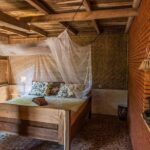
- Camp comfort is included: tent, sleeping bags, mattress, pillow, and a proper toilet tent with paper.
- Food is planned around the climbs: breakfast timing and lunch stops are built into the itinerary.
- Water and trekking support are included: porters handle cooking gear, and drinking water is unlimited during the trek.
- You pay an extra park entrance fee: 750,000 IDR per person is not included.
The big picture: what this 3D/2N Rinjani trek actually gives you
This is the classic Rinjani “crater-to-crater” style trek: you cross different elevations around the volcano, camp near crater edges, and end with a descent through jungle back to Senaru.
The practical reason people book this route is simple: it hits the highlights in the right order. You get a first night up high on the Sembalun rim with sunset and an early setup for sunrise. Then Day 2 stacks the summit timing and the Segara Anak crater lake/hot spring visit. Day 3 finishes with a long but manageable downhill walk through jungle to return to Senaru.
If you’re thinking about value, the included gear matters here. A lot of “cheap” treks forget the camp basics. This one includes tents and sleeping bags plus a mattress and pillow, and it even includes the toilet tent and paper. That’s not glamour—it’s survival comfort when you’re waking up in the dark.
You can also read our reviews of more tours and experiences in Lombok.
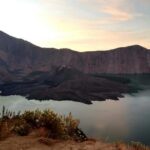
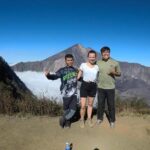
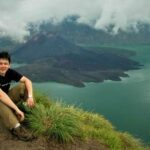
Starting in Senaru: the day you begin at 7:00 a.m.
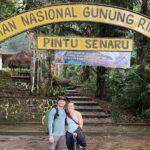
You meet at Jou Trekking Rinjani, in Senaru (listed at Jl. Pariwisata, Senaru). The scheduled start time is 7:00 a.m. You’ll have a short transfer to Sembalun village (about 45 minutes), then you start walking at 8:00 a.m.
Day 1 is the “get your legs under you” climb. It’s a steady uphill day that moves from Senaru Village (~601 m) to Sembalun village (~1100 m), then up to Plawangan Sembalun / Sembalun Crater Rim at about 2,639 m.
What I like about Day 1 is that it’s long, but it’s not the brutal night-and-summit stress. You stop for lunch at Pos 3 (around 1,800 m) and then continue up for about another three hours to camp. By the time you reach the campsite, you’re rewarded with time to enjoy sunset—and you’re set up for a sunrise push the next morning.
A realistic Day 1 expectation
You’re walking from morning into late afternoon. Expect uneven ground and altitude pressure. Bring layers, not just a “nice trek outfit.” Your body warms up while walking, then cools fast when you stop near the rim.
Sembalun Crater Rim: sunset views and the setup for a sunrise climb
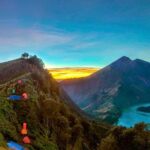
Once you reach the crater rim, the itinerary gives you time to enjoy the atmosphere up high. Sunset here isn’t just scenery. It’s part of the pacing plan—settle in, eat, and sleep with enough discipline to wake up on time.
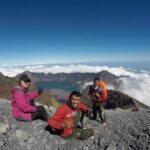
This is also the moment where you’ll feel why this trek is so popular. From the crater rim, you get wide open views across northern Lombok and the volcano silhouettes around you. People also mention seeing distant landmarks like the Gili Islands and Mount Agung in Bali on clear days.
I’d call this the “breathe before the storm” night. Day 2 is where you’ll work hard in near-dark conditions. So Day 1’s rim time is worth paying attention to, not rushing through.
Day 2: 2:00 a.m. breakfast, 3:00 a.m. summit, and crater-lake rewards
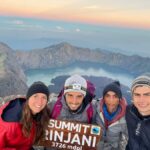
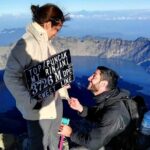
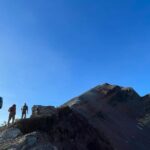
Day 2 is the defining day. The schedule calls for a light breakfast at 2:00 a.m., then a 3:00 a.m. summit hike start. The plan has you reaching the summit and views around 6:00 a.m., then returning to the campsite for breakfast.
This is the challenging part for two reasons:
- You hike in the cold and dark, not just early.
- The ascent is focused—you’re climbing hard for a period described as a three-hour summit trek.
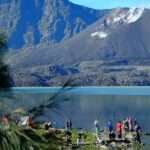
After the summit, you transition from “push mode” to “crater experience mode.” You walk down to Segara Anak Lake and hot spring around 2,000 m, and you get lunch by the lake around 1:00 p.m.
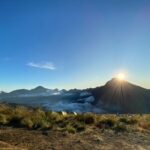
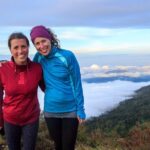
Segara Anak and the hot spring: why this stop matters
This is where the trek stops feeling like punishment and starts feeling like payoff. Segara Anak is the crater lake experience people come for, and the itinerary also includes the hot springs area.
If you’re planning mentally, think of lunch by the lake as a reset. After an intense morning, you’ll appreciate time to sit, eat, and let your legs cool down before the next crater-rim climb.
Afternoon climb to Senaru Crater Rim
After lunch, you hike about 2.5 hours to Senaru Crater Rim (listed at 2,641 m). You camp there overnight and get sunset views again—this time with a strong mention of incredible sunset over Mount Agung in Bali.
This is a good spot to understand what you bought with this trek. You’re not just walking between points. You’re spending time at altitude edges with dramatic timing—sunrise on the summit side, then lake time, then sunset on the Senaru side.
Day 3: jungle descent from 2,641 m back to Senaru
The final day begins at 8:00 a.m. after breakfast. You descend back to Senaru Village (~601 m). There’s a lunch break around 1:00 p.m., and the schedule indicates arrival in Senaru at about 3:00 p.m.
The descent is described as about 6 hours through jungle, which means it won’t feel like an easy stroll. It’s downhill, yes—but downhill can still grind your knees and ankles, especially after two tough days already.
What I like about Day 3 is that it ends before the “I’m done” stage gets too intense. You still get a finish that’s timed for you to prepare your luggage when you reach Senaru and wrap up the trek.
Guides, porters, and the small details that change the whole trip
In the feedback tied to this operator, the most praised aspects are remarkably consistent: organization, good food, and respect for how hard the guides and porters work.
You’ll see names show up. For example, one featured experience credits Anton for making the climb work and highlights how much the porters contributed. Another account praises Rahmat and his team for arranging everything down to the last detail and for helpful guidance through a hard journey.
There’s also a review that specifically calls out guide Alek, plus porters Su and Soma, and mentions that the tent, toilet setup, and meals were all handled well.
Why that matters for you
On a trek like this, the real comfort is rarely the gear alone. It’s the running of the day:
- Having the right timing for breakfasts and climbs
- Keeping camp tasks moving so you don’t wait around shivering
- Ensuring the food is actually substantial (multiple reviews emphasize plentiful, good-quality meals)
Also, this trek includes luggage storage at the Jou Trekking office, which helps you avoid hauling extra weight around the rim. That’s a small thing, but it makes a noticeable difference over kilometers of uneven ground.
Price and value: $250 plus the Rinjani entrance fee
The price listed is $250.00 per person, and a common booking pattern is about two months in advance (59 days on average).
What’s included helps justify that number:
- Guide and porters (porters carry cooking gear and support camp)
- Unlimited drinking water during the trek
- Camping equipment (tent, sleeping bag, mattress, pillow, plus camp table and chairs)
- A toilet tent with paper
- Luggage storage at the office
What’s not included is important to budget:
- Transportation for pickup before and transfers after the trek
- Entrance fee / tickets: 750,000 IDR per person
When I judge value on a trek, I weigh risk reduction. This itinerary includes the camp system and support. If you show up ready to walk, you’re paying for fewer unknowns and less improvising at altitude.
If $250 feels high or low to you, the entrance fee is the line item that flips that judgment quickly. Still, compared to “you bring your own camping setup” treks, the included camp gear here is a practical cost-saver.
Who this trek fits best (and who should rethink it)
This experience is not marketed as a casual hike. The information says travelers should have a strong physical fitness level, and the itinerary confirms why: two crater rim camps, one summit push that starts at 3:00 a.m., and a final day descent through jungle.
You’ll probably love this trek if you:
- Want sunrise and summit timing more than just casual views
- Are okay with early nights and even earlier starts
- Like the “full arc” feeling—camp on the rim, lake and hot springs, then jungle descent
You might want to rethink if you:
- Have knee/ankle issues that struggle with steep downhill
- Know you freeze easily in the early morning and don’t have a plan for layers
And one more “fit” note: since it’s private, it can feel good if your group wants a calmer pace. In one account, a small group size of 3 people led to a lot of personal attention—exactly the kind of benefit you’d hope for with a private setup.
A practical packing mindset for Rinjani (based on the trek rhythm)
The itinerary screams one theme: plan for temperature swings and night walking. Even without listing brand names, you should think in layers because:
- You’ll leave for the summit around 3:00 a.m.
- You’ll spend time at altitude rims where evenings cool off quickly
- You’ll hike all day and then deal with cold when you stop
Also, because the camp gear is included (tent, sleeping bag, mattress, pillow), you don’t need to overpack “camp items.” But you do want your personal comfort items ready. Unlimited water is included, so you can focus on what helps you hike and sleep, not on hauling extra hydration.
Should you book Mount Rinjani 3D 2N with Jou Trekking?
I’d recommend booking if you want the classic Rinjani highlights delivered in a well-paced structure: Sembalun crater rim, a sunrise summit timing, Segara Anak lake, hot springs, and a finish back in Senaru through jungle.
I’d hesitate if you’re mainly looking for easy hiking, or if you’re unsure about your ability to handle the early-night start on Day 2. This trek isn’t “hard by marketing.” It’s hard by schedule.
If you’re on the fence, choose based on your two priorities:
- Can you handle a 3:00 a.m. summit start without panicking?
- Do you want a package where camp comfort and support are built in, not something you manage yourself?
If your answers are yes, this is a strong, value-focused way to do Rinjani—especially with the kind of organization people repeatedly call out, including named guides like Anton and Alek and the support crew behind the scenes.
FAQ
How long is the trek, and what are the main days?
It’s a 3-day / 2-night trek. Day 1 goes from Senaru to Sembalun crater rim for your first camp. Day 2 includes the summit hike early in the morning, then down to Segara Anak and hot springs, finishing with a camp on the Senaru crater rim. Day 3 is the descent back to Senaru village.
What’s the hardest part of the itinerary?
Day 2 is the hardest. You have a light breakfast at 2:00 a.m. and start the summit hike at 3:00 a.m., then you return for breakfast before walking down to Segara Anak and continuing on to the next campsite.
What’s included in the trek price?
Included are the trekking guide and porters, tent and camping setup (including sleeping bags, mattress, and pillow), a toilet tent and paper, a camping table and chairs, and unlimited drinking water on the trek. Luggage storage is available at the Jou Trekking office.
What entrance fee do I need to budget for?
The entrance fee/tickets are 750,000 IDR per person, and it’s not included in the $250 price.
Where does the trek start?
You meet at Jou Trekking Rinjani in Senaru. The start time is 7:00 a.m. You’ll transfer to Sembalun before the walking begins.
Is this a private trek?
Yes. It’s listed as a private tour/activity, meaning only your group participates.
What happens if the trek can’t run due to weather?
The experience requires good weather. If it’s canceled due to poor weather, you’ll be offered a different date or a full refund.