REVIEW · KATHMANDU
Annapurna Base Camp Trek- 11 Days
Book on Viator →Operated by Alpine Club of Himalaya · Bookable on Viator
Annapurna Base Camp feels close, then it doesn’t. This 11-day trek strings together classic mountain towns, Gurung/Magar/Thakali villages, and the big payoff of Annapurna Base Camp, with the ease of airport pickup and flights handled for you. You’re also sleeping in teahouses along the route, so the rhythm is local, not staged.
What I like most is the all-in planning for logistics: private airport transfers, two nights in Kathmandu, one night in Pokhara, and then flights and drives that keep you from wasting precious days figuring things out. I also like the human support setup—a government-licensed English-speaking guide plus a porter service (the tour states 2 trekkers to 1 porter), which matters a lot once the altitude starts tugging at your legs.
The main drawback to consider is that this is still a real hike. Even with guided pacing, you’ll be moving on consecutive days with steep ups and downs, and the route reaches high elevation—so you’ll want solid moderate fitness and realistic expectations about energy on summit day.
Key things I’d circle before you book
- Government-licensed English-speaking guide plus porter service (2 trekkers: 1 porter) for a smoother pace
- Teahouse accommodation each night on the trek, so you experience everyday mountain life
- Flights included: Kathmandu to Pokhara, then back to Kathmandu
- Village culture stops in areas linked to Gurung, Magar, and Thakali communities
- All trek meals included (breakfast, lunch, dinner) with tea/coffee with your meals
In This Review
- Kathmandu Warm-Up: Landing, Food, and Getting Your Bearings
- Price and Value Check: What $999 Really Buys
- Day 1: Arrival in Kathmandu (1,300m) and a Welcome Dinner
- Day 2: Fly to Pokhara, Trek to Ghandruk, and Start Climbing for Real
- Day 3: Ghandruk to Chhomrong (5–6 Hours) — Big Views, Tight Legs
- Day 4: Chhomrong to Bamboo (4–5 Hours) — Where the Route Turns More Mountain-Serious
- Day 5: Bamboo to Deurali (3–4 Hours) — Shorter Day, Higher Stakes
- Day 6: Deurali to Annapurna Base Camp via Machhapuchhre Base Camp (5–6 Hours)
- Day 7: Annapurna Base Camp Back to Bamboo (7–8 Hours) — The Long Way Down
- Day 8: Bamboo to Jhinu Danda (5–6 Hours) — Hot Springs Reward, Soft Recovery
- Day 9: Trek to Naya Pul, Drive to Pokhara (6 Hours Trek + 1 Hour Drive)
- Day 10: Fly to Kathmandu — Closing the Loop
- Teahouse Reality: What Overnight Life Looks Like on ABC
- Your Guide and Porter Team: The Difference Between Stress and Flow
- Fitness, Altitude, and Weather: How to Prepare Without Guessing
- Who This Trek Fits Best
- Should You Book This Annapurna Base Camp Trek?
- FAQ
- Is airport pickup included?
- How many nights are you in Kathmandu and Pokhara?
- What kind of lodging do you use on the trek?
- Are meals included during the trek?
- Is this a private tour?
- How does the porter service work?
- Is there free cancellation?
Kathmandu Warm-Up: Landing, Food, and Getting Your Bearings
This trip starts in Kathmandu, and that first night matters more than people think. After you land, you get picked up by a representative from Alpine Club of Himalaya and taken to your hotel. You also get a welcome dinner featuring authentic Nepalese cuisine, which is a smart way to shift from travel mode into trekking mode without scrambling for plans.
On a trekking like Annapurna Base Camp, the goal of Day 1 is simple: get settled, eat well, sleep early, and let Kathmandu feel normal. Even the views when you arrive—clear sightlines toward the Himalayas—set the tone.
One more practical note: the meeting point is Alpine Club of Himalaya Pvt. Ltd. in Kathmandu, and the operator also arranges airport transport. That kind of handoff lowers the stress level right away.
Price and Value Check: What $999 Really Buys
At $999 per person for 11 days, you’re not just paying for a guided hike. You’re paying for the structure: private airport transfers, city-to-city flights, hotels in Kathmandu and Pokhara, and almost every meal during the trek.
Here’s how the value typically holds up for you:
- Your biggest cost reducers are the included flights (Kathmandu ⇄ Pokhara) and having the route and accommodations handled.
- Your comfort improves because you’re not hunting for teahouses at altitude with tired legs.
- Your safety and pacing get better with a licensed guide and a porter team assigned for the group.
What’s not included is also important. The tour does not include Nepalese visa fees, international airfare, travel/rescue insurance, extra baggage charges, and many personal extras like laundry, battery recharges, showers, and bottled/boiled water. Tips for guide/porters/drivers are also not included. In plain terms: budget for your essentials on the ground and for insurance that makes sense for high-altitude trekking.
You can also read our reviews of more tours and experiences in Kathmandu.
Day 1: Arrival in Kathmandu (1,300m) and a Welcome Dinner
You arrive in Kathmandu at about 1,300m (4,264ft). The itinerary keeps Day 1 light on purpose. Your pickup happens at the airport, and you stay overnight in Kathmandu. Then you eat.
That welcome dinner isn’t just a nice gesture. It helps you:
- understand Nepalese food basics before you hit high-altitude menus,
- meet your guide/driver staff in a relaxed setting,
- and rest your body before the first long trek day.
If you’re the type who likes a cultural start, Kathmandu is also where you can add time for landmarks like Boudha Nath and browsing Thamel if your schedule allows. Some departures have worked that into the Kathmandu portion.
Day 2: Fly to Pokhara, Trek to Ghandruk, and Start Climbing for Real
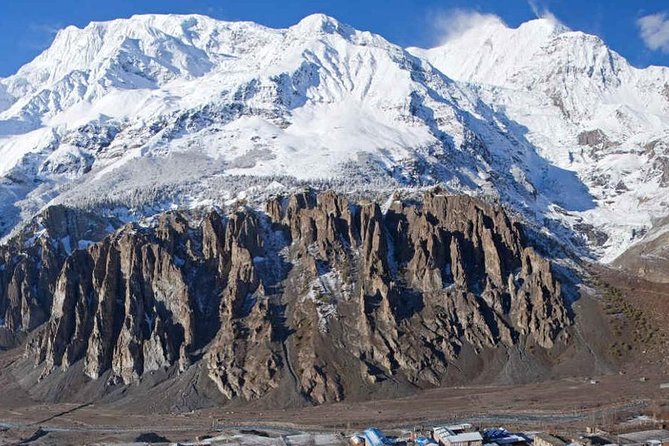
On Day 2, you fly from Kathmandu to Pokhara in about 30 minutes (Pokhara sits at around 823m/2,700ft). Then you trek to Ghandruk, a hike expected to take about 5 to 6 hours.
This is the day where you feel the difference between road travel and foot travel. The altitude climbs quickly—Ghandruk is listed at 1,940m (6,360ft). Expect it to feel like you’re working steadily, not sprinting. If you go out too fast on this first trek segment, your lungs will remind you later.
Ghandruk is also a strong cultural stop. This whole Annapurna region is tied to Gurung, Magar, and Thakali communities. Even when you’re focused on trekking, teahouse life and village paths are where you see the real Nepal rhythm: neighbor-to-neighbor interaction, local food, and the calm way people handle mountain seasons.
Day 3: Ghandruk to Chhomrong (5–6 Hours) — Big Views, Tight Legs
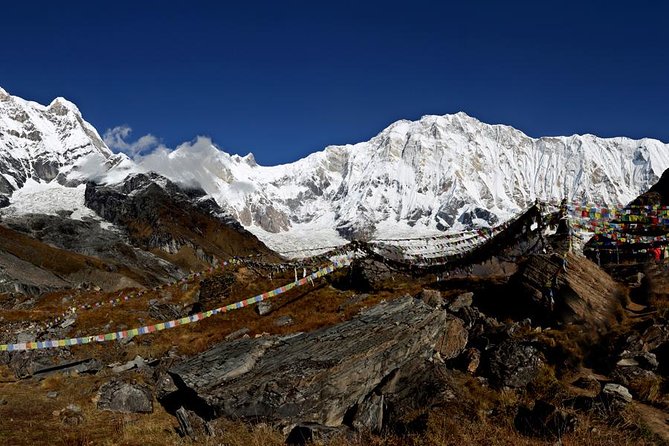
Day 3 hikes from Ghandruk to Chhomrong (about 2,170m / 7,120ft), again around 5 to 6 hours. Chhomrong is the kind of village that often makes first-time trekkers exhale because the scale of the terrain becomes obvious.
This section is usually about balance: walking forward and keeping your breathing even. You’ll likely notice your legs working on both climbs and descents. Descent fatigue is real on ABC, so even though this day’s time estimate looks manageable, treat it like a full trekking day.
Day 4: Chhomrong to Bamboo (4–5 Hours) — Where the Route Turns More Mountain-Serious
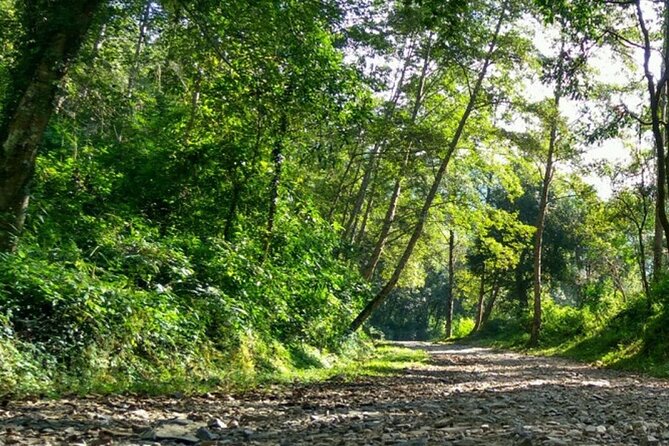
Day 4 goes from Chhomrong to Bamboo, about 4 to 5 hours, with an elevation jump to around 2,310m (7,578ft). Bamboo is part of the classic Annapurna Base Camp rhythm: you’re gaining altitude, the air gets thinner, and the teahouses start feeling more like expedition staging points than cozy pit stops.
This is also where your guide’s pacing becomes important. A good English-speaking guide is not just navigation—he’s helping you keep a tempo that reduces altitude stress.
Day 5: Bamboo to Deurali (3–4 Hours) — Shorter Day, Higher Stakes
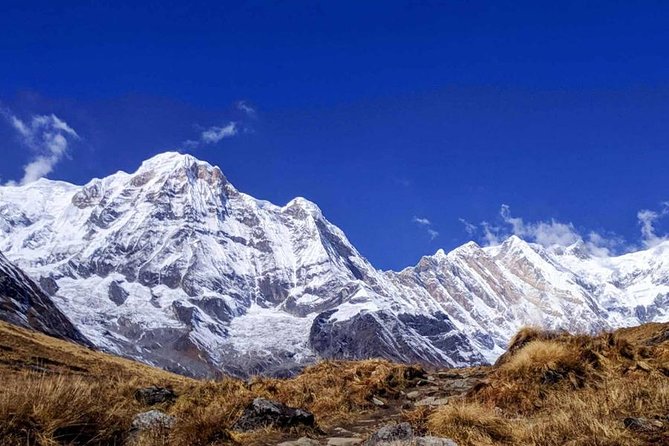
Day 5 rises to Deurali (around 3,230m / 10,595ft), in about 3 to 4 hours. The hiking time is shorter, but the altitude is not. This is one of those days where you’ll feel the change even if the trail seems forgiving.
A few practical points:
- Keep your hydration simple and steady.
- Move with consistent steps.
- Plan to eat even if you don’t feel ravenous. Trek fueling is a slow investment that pays back later.
Deurali sets you up for the highest “push day” style segment on the itinerary.
Day 6: Deurali to Annapurna Base Camp via Machhapuchhre Base Camp (5–6 Hours)
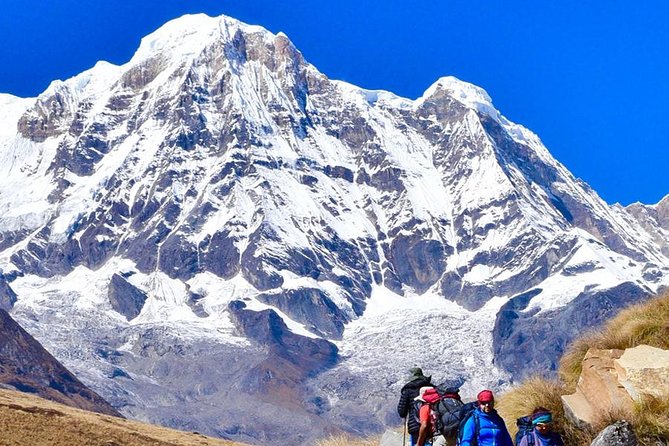
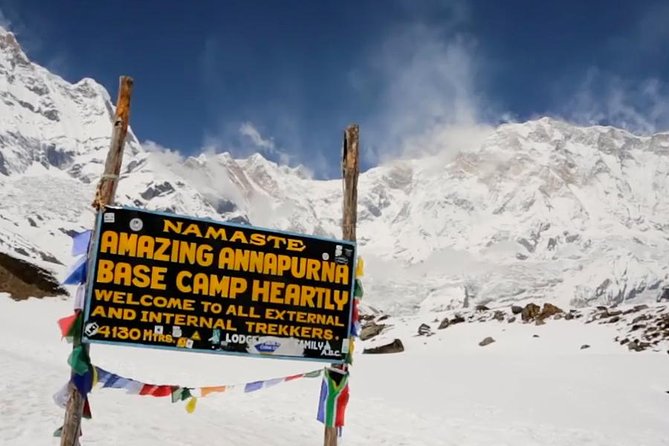
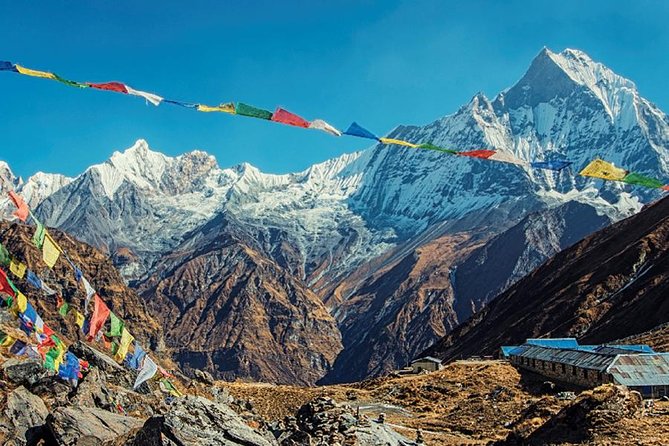
This is the headline day. You trek from Deurali to Annapurna Base Camp (4,130m / 13,545ft) in about 5 to 6 hours. Along the way you pass Machhapuchhre Base Camp at about 3,700m (12,135ft).
What makes this route smart is that it keeps you moving through a high-altitude “threshold zone.” You’ll likely feel the mountain earlier than you expect, then you’ll climb again toward the base camp area.
Here’s the reality check to keep you calm: weather matters. The itinerary doesn’t promise clear skies in every season (and heavy rain or disruptions can happen), but your guide can make the day smoother with pacing and adjustments.
When people say ABC is unforgettable, this is usually why: the last part turns into a mix of effort, curiosity, and sudden awe.
Day 7: Annapurna Base Camp Back to Bamboo (7–8 Hours) — The Long Way Down
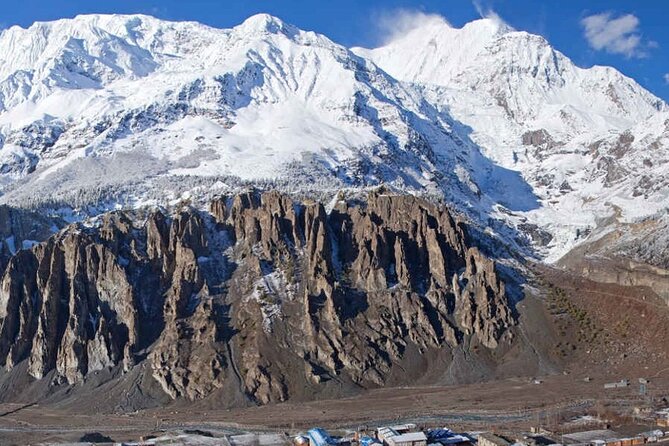
Day 7 is return trekking: Annapurna Base Camp to Bamboo, listed at 7 to 8 hours. This day often surprises first-time trekkers because it’s longer than the hike up.
At high altitude, going down can still be exhausting. Knees work, thighs burn, and your body uses more mental focus because you’re tired already. Take your time, especially on narrow segments and uneven ground.
This is also where a porter team can be a lifesaver. Your load stays lighter, and you avoid the extra strain that comes from carrying everything in a long descent.
Day 8: Bamboo to Jhinu Danda (5–6 Hours) — Hot Springs Reward, Soft Recovery
Day 8 goes from Bamboo to Jhinu Danda (about 1,760m / 5,770ft), around 5 to 6 hours. Jhinu Danda is well known for hot springs in the region, and this stop is built for recovery.
Even if you don’t make it into the water immediately, the point is that you’re dropping in altitude and switching from “climb mode” into “recover and reset” mode. It’s one of the nicer transitions on this itinerary.
Day 9: Trek to Naya Pul, Drive to Pokhara (6 Hours Trek + 1 Hour Drive)
Day 9 is a blend of hiking and transport. You trek to Naya Pul (about 6 hours), then drive to Pokhara (about 1 hour).
This is your decompression day. The trek may feel easier than earlier segments because you’re descending overall, but it’s still a full day. Plan for an early “arrival dinner mindset”—you’ll likely be ready for a proper meal and a slower pace after months of mountain-schedule living.
Day 10: Fly to Kathmandu — Closing the Loop
Day 10 flies from Pokhara back to Kathmandu. This is the easy part: sit back, breathe easier, and let your body reset from altitude trekking.
If you want a last dose of Nepal culture, Kathmandu is where you can fit it in—depending on your timing and what your schedule allows. Some departures have included extra cultural time such as Boudha Nath and time in Thamel.
Teahouse Reality: What Overnight Life Looks Like on ABC
Teahouse trekking is often described as rustic. That’s true, but it’s also practical. You’re not roughing it in a survival scenario—you’re staying in small guesthouses run for trekkers.
What you can expect from a teahouse-based trek:
- meals are typically simple, warm, and designed for altitude needs,
- rooms are basic, and conditions can vary by season and demand,
- you’ll depend on your schedule and guide to manage comfort, especially if rooms are limited.
On at least some departures, the operator has worked hard to secure private room options in peak season. That’s the kind of detail that affects your sleep quality, and sleep quality affects your trekking the next day.
Your Guide and Porter Team: The Difference Between Stress and Flow
A licensed guide and a supportive porter setup can make or break a high-altitude trek.
The tour includes:
- an experienced English-speaking, government-licensed guide,
- porter service with a stated ratio of 2 trekkers: 1 porter,
- staff costs handled by the operator (insurance, equipment, food, and accommodation).
In the feedback I’ve come across, the tone is consistent: people appreciate guides who stay approachable and organized. Names that show up include Sujan (noted for being on top of everything and easy to communicate with) and Tsiring (paired with helpers who are patient and attentive).
That matters because you’re not only asking, Where is the trail? You’re also asking, How hard should I push today, and what should I do if weather or conditions change?
Fitness, Altitude, and Weather: How to Prepare Without Guessing
The itinerary is designed for trekkers with moderate physical fitness. That doesn’t mean it’s a stroll. It means the plan expects you to walk daily and handle gradual climbs and long days.
Altitude peaks at Annapurna Base Camp area (4,130m / 13,545ft). Even if you feel fine, you’ll want to protect your breathing and avoid reckless pacing.
For gear, the tour data doesn’t list items explicitly, so I’ll keep this honest: use standard ABC trekking prep practices. Bring layers for cold nights, and plan for sun. The sun can feel intense at elevation even when temperatures are cool. Also, remember that items like bottled/boiled water and battery recharging aren’t included, so pack for those costs.
Who This Trek Fits Best
This is a great choice if:
- you want a classic Annapurna Base Camp route with village culture built in,
- you like the structure of hotels, flights, meals, and transfers handled for you,
- you want professional guide support and porter help rather than self-organizing.
It’s especially appealing for first-time trekkers because the itinerary reduces logistics stress. If you’ve already hiked in mountains before, you may still like it for the planning and support.
Should You Book This Annapurna Base Camp Trek?
If your priority is a well-run route with a licensed guide, teahouse nights, and minimal logistics headache, this trip checks a lot of boxes. The cost-to-inclusions ratio is strong because flights, city stays, and trek meals are included, and the porter setup lowers the physical load.
I’d say reconsider only if you’re not comfortable committing to multiple long trekking days with altitude exposure. In that case, you’d be better off choosing a shorter or lower-elevation itinerary.
If you’re ready to work for it, Annapurna Base Camp rewards you fast—first with changing mountain views, then with the moment you finally reach the base camp area.
FAQ
Is airport pickup included?
Yes. The package includes airport pickups and drops in a private vehicle in Kathmandu.
How many nights are you in Kathmandu and Pokhara?
The trek includes 2 nights in Kathmandu and 1 night in Pokhara.
What kind of lodging do you use on the trek?
You stay overnight in teahouses during the trekking portion.
Are meals included during the trek?
Yes. Breakfast, lunch, and dinner are included during the trek, plus tea/coffee with meals.
Is this a private tour?
Yes. It’s listed as a private tour/activity, with only your group participating.
How does the porter service work?
The tour states a porter service ratio of 2 trekkers to 1 porter.
Is there free cancellation?
Yes. Free cancellation is allowed up to 24 hours in advance of the experience’s start time for a full refund.