REVIEW · KATHMANDU
4 Days Poon Hill Trek
Book on Viator →Operated by The Great Adventure Treks & Expedition - Private Day Tours · Bookable on Viator
If you want Annapurna sunrise without a death march, this trek fits. It’s a guided 4-day Poon Hill hike built around 3210m Poon Hill viewpoints and time in terraced farmland, villages, and old forest on the way up. I like how the route stays on the lower side for the Himalaya, and you get cultural and nature context from your guide along the trail.
Two things I’d put at the top: private guiding (so you’re not stuck waiting on a slow group) and the way the guide handles the moving parts—route help, timing, and support so you’re not playing detective with trail signs at altitude. One note: this is weather-dependent, so if clouds roll in, your sunrise chances can be affected.
In This Review
- Key highlights you’ll care about
- Poon Hill at 3210m: the shortcut to big Annapurna views
- Who this 4-day trek really suits (and who should skip it)
- Price and value: why $405.13 can make sense here
- Start time 9:15 am: how the day flow tends to work
- On-trail scenery: farmland, villages, and old forests
- Poon Hill sunrise: what you’re paying for in the end
- Tea house nights: comfort you’ll actually notice
- Guides who bring the trek to life: Binod, Bikram, and more
- Private trekking means less waiting, more control
- What’s included, and what you’ll need to budget for
- Logistics in Kathmandu: near public transportation is a good sign
- Weather risk: the trek depends on the sky
- A realistic day-by-day expectation (without the guesswork)
- What to pack so the trek feels easier
- Should you book this Poon Hill trek?
- FAQ
- How long is the Poon Hill trek?
- What altitude is Poon Hill?
- Is this trek private?
- What time does the experience start?
- What’s included in the price?
- Are lunch and dinner included?
- Do I need good weather for this trek?
- What is the cancellation window?
Key highlights you’ll care about
- Private and customizable: You can tailor the trek to your pace and needs.
- Sunrise target at 3210m: Poon Hill is the go-to spot for early-morning views.
- Lower-altitude Himalayan experience: Better fit if you’re moderately fit and want less altitude stress.
- Guide support for navigation and culture: You’ll learn about Nepali culture and the natural area as you hike.
- Smooth logistics focus: Guides line up accommodations and make the plan feel simple.
- Value comes from coordination: The trek fee includes private transportation, but meals aren’t included.
Poon Hill at 3210m: the shortcut to big Annapurna views
Poon Hill is famous for sunrise views, and it’s also famous for being approachable. At 10,531 feet / 3,210 meters, you’re high enough to feel like you’re in the Himalaya, but this trek avoids the highest-elevation suffering that scares a lot of first-timers away. That balance is a big part of why this works as a family-friendly option for people who are moderately fit and want an authentic mountain experience without going full mountaineer mode.
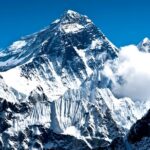
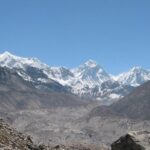
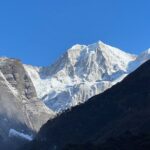
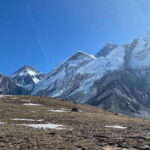
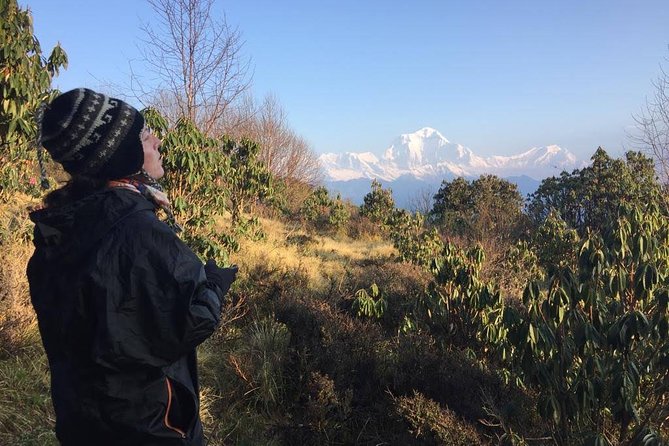
And the view payoff is the point. From Poon Hill, you can look out toward the Annapurna region—Mount Annapurna, Mount Manaslu, Mount Dhaulagiri, and other peaks on clear mornings. Even if you’ve seen photos, seeing those angles for real is different. The light changes fast, too, which is why the timing around sunrise matters.
You can also read our reviews of more tours and experiences in Kathmandu.
Who this 4-day trek really suits (and who should skip it)
This trek is set up for travelers who want a guided, relatively easy Himalayan hike. The guidance is private, and the operator highlights that it’s best for moderately fit travelers. That usually translates to: you can walk for hours, handle some uphill, and keep moving even if you’re tired. It’s not a flat stroll, but it’s also not the kind of route that demands advanced training.
It’s also a good fit if you like structure. This is designed so you don’t have to think through route-finding or accommodation planning. Your guide takes care of the details, and you can focus on the day-to-day: walking, resting, eating, and looking up at the peaks.
Skip it if you’re chasing a hardcore adventure (steeper climbs, very high passes, long exposed sections). You’ll get mountain views, but this is aiming for comfort and access more than challenge.
Price and value: why $405.13 can make sense here
At $405.13 per person for roughly 4 days, the price can feel “medium” until you break down what’s included. In this setup, you’re paying for coordination: private transportation and guided support for a private trek that can be customized. Meals like lunch and dinner aren’t included, which is common on trek packages.
Here’s how I think about value for this kind of trek:
- If you’d otherwise spend time arranging transport, negotiating guides, and worrying about accommodations, the package reduces your mental load.
- If you prefer to hike with a plan—rather than wing it—private guiding is often worth it.
- If your priority is sunrise views at Poon Hill, the scheduling help matters. Sunrise is unforgiving. When timing is right, you get the payoff.
Also, it’s one of those trips that people book ahead. The tour averages 158 days in advance, which suggests it’s popular during good weather windows. If you’re traveling in peak season, booking early helps you lock in the date you want.
Start time 9:15 am: how the day flow tends to work
Your trek experience starts at 9:15 am. That matters because it shapes how you pack and how you plan your Kathmandu time the day before. With a morning start, you don’t want to schedule a super-late arrival from the airport or fill the previous day with too much sightseeing.
The operator also notes pickup offered, and multiple guides in the reviews are described as making hotel pickup smooth. That’s a real comfort when you’re in a new city. You get less time wasted with confusion and more time heading toward the countryside.
One practical tip: plan for altitude and early mornings. Even though Poon Hill is “only” 3210m, sunrise hikes mean waking up earlier than you expect. Bring layers you can deal with when it’s cold in the morning, warmer later, and windy in the open viewpoints.
On-trail scenery: farmland, villages, and old forests
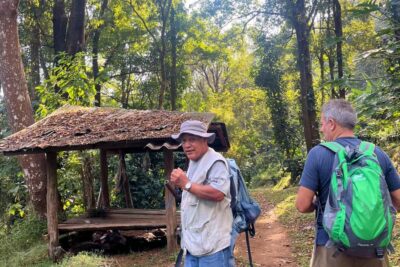
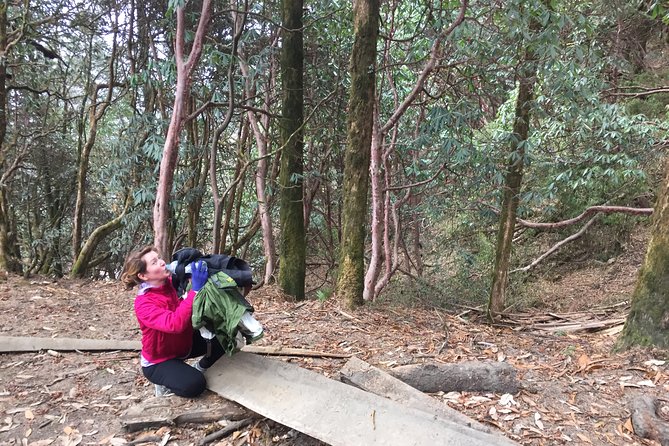
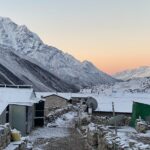
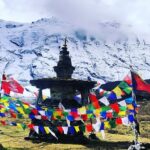
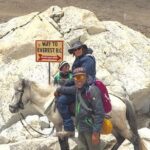
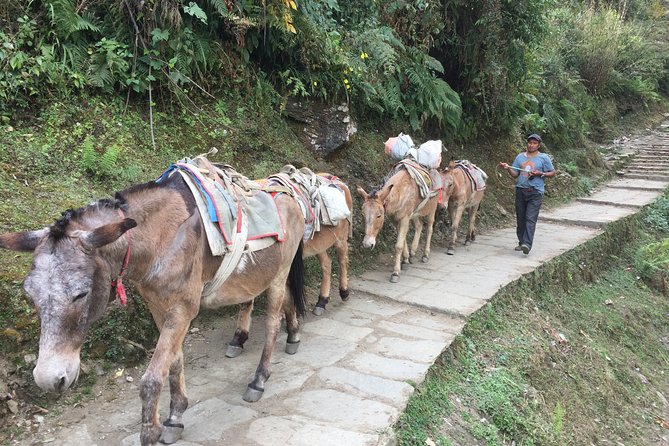
The route description leans into the everyday realism of Nepal. You’ll pass terraced farmland, remote villages, and dense old forests as you work toward the Poon Hill lookout. This is a good sign if you’re tired of tours that are just a one-stop photo mission. The walking is part of the story.
Here’s what that typically feels like:
- Terraces and farm plots mean more gradual views and frequent points where you see how people actually live off the slopes.
- Villages add faces, small storefronts, and the rhythm of local life.
- Forest sections help break up the exposure and make the trek feel less like one long line of uphill.
This is also where having a guide helps. The tour focuses on learning about Nepali culture and nature. Even if you’re not a “lecture person,” it changes your hike from pass-by scenery into something you can read and understand.
Poon Hill sunrise: what you’re paying for in the end
Poon Hill is the key. It’s the spot from which you can see sunrise from 3210m. The big view is of multiple peaks in the Annapurna region, including Mount Annapurna, Mount Manaslu, and Mount Dhaulagiri when conditions are clear.
Sunrise viewpoints create a specific kind of excitement. You’ll want to be positioned before the sky fully lights up, and you’ll probably feel that mix of cold and anticipation at the start. The upside is that once the light begins, everything changes quickly—colors, contrast, and the way the peaks shape themselves against the horizon.
A guide matters here because timing isn’t just a nice-to-have. You’re dealing with weather and cloud cover. This tour is explicitly described as requiring good weather, and the operator says if it’s canceled due to poor weather, you’ll either get a different date or a full refund. That tells you they take sunrise conditions seriously, not casually.
Tea house nights: comfort you’ll actually notice
One repeated theme in the experiences shared is that accommodations are comfortable and well chosen. Tea houses are common in this trekking area, and guides often match you to a place with good views and decent beds (not luxury, but solid comfort after a long day).
Why it matters: on a short trek, every night counts. If you sleep well and eat well, the next day feels easier. Guides are also described as finding good places for food, including organic local food in at least some cases. Even when meals aren’t included in the package price, a guide who points you toward reliable options saves you time and helps you avoid the “guess-and-hope” approach in small mountain towns.
Guides who bring the trek to life: Binod, Bikram, and more
The strongest praise in the reviews focuses on the people running the trek. Guides named include Binod/Binot/Binod Silwal, Bikram, Chandra, and Tobonath, plus a couple of references to operators like Mani and Jayaram KC.
What stands out from the descriptions you have here is how guides make the trip smooth:
- Clear communication before and during the trek.
- Extra effort on organization, including pickup and transfers.
- Strong English in at least some cases (one review specifically calls out excellent English).
- A knack for matching you with accommodations and helping you find tasty local meals.
If you’re the kind of traveler who likes talking with locals, this can turn into more than just walking. You’re watching village life unfold while learning how people think about their landscape and traditions.
Private trekking means less waiting, more control
Being private isn’t just a marketing line here. It usually translates to small but meaningful differences:
- You can set your pace.
- You don’t have to keep stopping for a big group.
- Your guide can adjust timing around you and around sunrise plans.
That’s a big deal on a 4-day trek. Short treks don’t leave much room for wasted time. If you’re traveling with family or you’re recovering from a busy travel week, private guiding can make the experience feel less like a checklist.
What’s included, and what you’ll need to budget for
Included:
- Private transportation
Not included:
- Lunch
- Dinner
That means you should plan for meal spending on the trail. You’ll likely find simple, filling options in tea houses and local eateries, but you’ll pay out of pocket. Since the guide can help point you toward good, local food, you’re not flying blind—but the package itself doesn’t cover those meals.
Also, this matters for packing. If you have dietary needs, you’ll want to communicate them early and be ready to pay for meals accordingly. Bring snacks for trekking hours so you don’t get stuck hungry between meals.
Logistics in Kathmandu: near public transportation is a good sign
The experience is based in Kathmandu, and it’s described as near public transportation. For you, that can reduce stress if you’re staying somewhere convenient but not right in the center of tourist chaos. In practice, it often means getting to the meeting area is easier than if everything were tucked away.
Your meeting starts at 9:15 am, so do a quick check the day before on how long it’ll take you to get there. Kathmandu traffic can be unpredictable, and you’d rather arrive early than try to sprint in the morning.
Weather risk: the trek depends on the sky
This is one of those treks where the forecast matters. The operator explicitly notes that the experience requires good weather. If it’s canceled because of poor weather, you’ll be offered a different date or a full refund.
My advice: plan Kathmandu and your schedule with flexibility. If you only have one single day you can’t move, sunrise trekking gets stressful. If you can travel with some wiggle room, you’ll feel better waiting for the right weather window.
A realistic day-by-day expectation (without the guesswork)
While the exact schedule can vary, the structure of a 4-day Poon Hill trek usually centers on three goals: gradual trekking through the countryside, a key early-morning visit to Poon Hill, and time in trekking villages before and after sunrise.
Here’s what you can typically expect, step by step:
- Day 1: Start trekking through farmland and village areas, moving toward the base region where you’ll set up for the next day’s early rise. Expect a mix of uphill effort and scenery that changes hour by hour.
- Day 2: Early morning hike to Poon Hill for sunrise. After the main viewpoints, you’ll come back down and continue with an easier pace as you head toward the next overnight area.
- Day 3: Trek onward through forested sections and village trails, with the route commonly described as passing through Tadapani in the classic short format.
- Day 4: A final leg toward Ghandruk (another common stop in this short trek style), with time to soak in the atmosphere before the trek concludes.
If your guide builds a customized version, they’ll adjust the day order or pacing to fit you. That’s where private guiding earns its keep.
What to pack so the trek feels easier
Even though this information isn’t listed item-by-item, the altitude and sunrise timing tell you what you’ll need:
- Warm layers for early mornings at Poon Hill (it can feel chilly before sunrise).
- Rain protection, since weather can change quickly in the mountains.
- Solid daypack with water and snacks for trekking hours.
- Comfortable trekking shoes you trust on uneven stone and dirt paths.
Also, since lunch and dinner aren’t included, bring a small budget cushion for meals and plan for water/tea costs as needed.
Should you book this Poon Hill trek?
Book it if:
- You want a lower-altitude Himalayan experience with the big reward of Annapurna-area sunrise views.
- You prefer a private guide who can manage the “how do we get there” parts and keep the trek flowing.
- You value cultural and nature context on the trail, not just a photo stop.
Skip it if:
- You’re chasing a high-adventure route with big altitude gains.
- You’re traveling with zero flexibility for weather changes and sunrise timing.
- You don’t want to pay for meals separately (lunch and dinner aren’t included).
If you’re the kind of traveler who likes clear plans, good guiding, and the satisfaction of reaching a viewpoint before the world wakes up, this is a strong match.
FAQ
How long is the Poon Hill trek?
It runs for 4 days (approximately).
What altitude is Poon Hill?
Poon Hill is 10,531 feet / 3,210 meters.
Is this trek private?
Yes. It’s a private tour/activity, and only your group participates.
What time does the experience start?
The start time is 9:15 am.
What’s included in the price?
Private transportation is included.
Are lunch and dinner included?
No. Lunch and dinner are not included.
Do I need good weather for this trek?
Yes. The experience requires good weather. If it’s canceled due to poor weather, you’ll be offered a different date or a full refund.
What is the cancellation window?
Free cancellation is available if you cancel up to 24 hours in advance for a full refund. If you cancel less than 24 hours before the start time, the amount paid will not be refunded.