REVIEW · KATHMANDU
Everest Base Camp Trek
Book on Viator →Operated by Explore Himalaya Travel and Adventure · Bookable on Viator
Everest Base Camp starts with a nerve-jangling flight. This trek funnels you from Kathmandu’s history to the Everest region via Lukla, then threads through Sagarmatha National Park with Sherpa culture and close views of giants like Everest and Lhotse. I like that it includes the hardest-to-arrange pieces for most people—Kathmandu to Lukla flights and full trek support with English-speaking guides and porters (Anuj helped with pre-trek clarity in one set of reviews). I also like the steady rhythm of meals included in local lodges rather than constant cost-checking. The main consideration: Lukla flights can delay or cancel, which can mess with your exact start or finish timing.
What you get for your money here is real planning, not just a route on a map. You’ll sleep in local lodges (standard rooms with sharing bathrooms) and in Kathmandu you get 3-star hotel nights on twin share with breakfast. And with private-trip handling (only your group), your guide team can focus on your pace—something older trekkers and groups needing a little extra support have specifically praised.
In This Review
- Key highlights to know before you go
- Kathmandu warm-up first, not last
- The Lukla flight: where the whole trek starts (and sometimes stalls)
- First walking days: getting into Sherpa country the real way
- Everest-area views: when the mountains stop being background
- Lodges and meals: how comfort works on this route
- Acclimatization reality: why slow feels like speed
- Namche and the “settle in” feeling
- Kala Patthar-style finale: the big effort for the big payoff
- Guides, porters, and the logistics that protect your trip
- Price and value: what $2,500 buys you (and what it doesn’t)
- Flight delays: how to think about risk before you fall in love with the plan
- Who should book this trek?
- Should you book Everest Base Camp with this team?
- FAQ
- How long is the Everest Base Camp trek?
- Where does the trek start and end?
- What kind of accommodation and bathrooms are included?
- What meals are included during the trek?
- What costs are not included in the price?
- What happens if the Lukla flight is delayed or canceled?
- Is this a private trek?
Key highlights to know before you go
- Flights and transfers included to get you from Kathmandu to Lukla and back, with morning scheduling to reduce weather trouble
- 3 meals a day on trek plus hot drinks so you can focus on walking, not shopping every meal
- Local lodge stays with sharing bathrooms means basic comfort, not hotel-style rooms
- English-speaking guide and porters who can keep the trek safe and moving (guides like Bal Kumar Tamang, Sabin Khadka, Raju, and Gelu were praised)
- Big Everest-area viewpoints tied to actual altitude gains, not just viewpoints by bus
- Be ready for Lukla delays and have buffer days, or discuss helicopter options with the team
Kathmandu warm-up first, not last
Most Everest treks begin with an anticlimax: you arrive, then spend a day figuring out where to buy SIM cards and how to pronounce your hotel. Here, the trip starts with a day of exploring Kathmandu, which is a smart way to get your bearings and let your team handle the “paper stuff” before you go high.
Kathmandu also gives you a gentle shock of contrast. One day you’re at lower altitude, moving through busy streets and temples; the next you’re planning for thin air, early starts, and dusted mountain light. If you’re the type who needs to understand the plan, you’ll appreciate the pre-trek support described in reviews—Anuj and the team were praised for being helpful, quick, and honest about what to expect.
Practical tip: treat Kathmandu as your reset day. Sleep well, hydrate, and keep your packing tight. Once you’re on the trail, you’ll be grateful you didn’t bring extra junk you’ll never use.
You can also read our reviews of more tours and experiences in Kathmandu.
The Lukla flight: where the whole trek starts (and sometimes stalls)
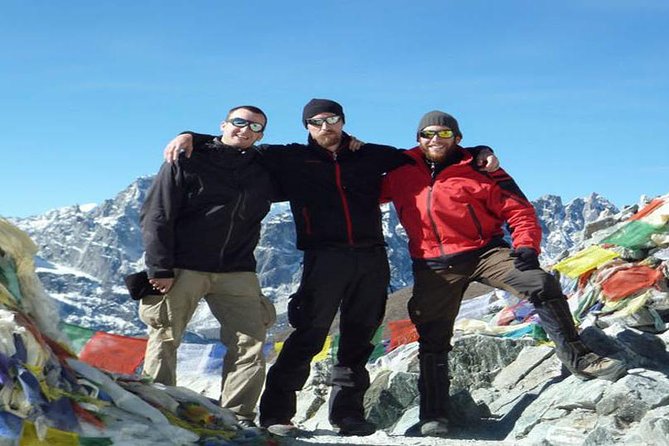
If Everest Base Camp has a “gatekeeper,” it’s the Lukla flight. Lukla sits at about 2,845 meters, and flights are typically scheduled in the morning to reduce the odds of bad weather. That matters because the trip explicitly warns that flight delays or cancellations can happen for one or more days, even in the best seasons.
This is also where good trip management earns its keep. The team notes they’ll try to schedule the next flight if delays hit. They also suggest you keep buffer days in your plan so the trek doesn’t become a rigid race against weather. If sticking to the original itinerary becomes impossible, there’s an alternative plan pointed toward Annapurna, Langtang, and Upper Mustang—areas that can be reached more easily by road.
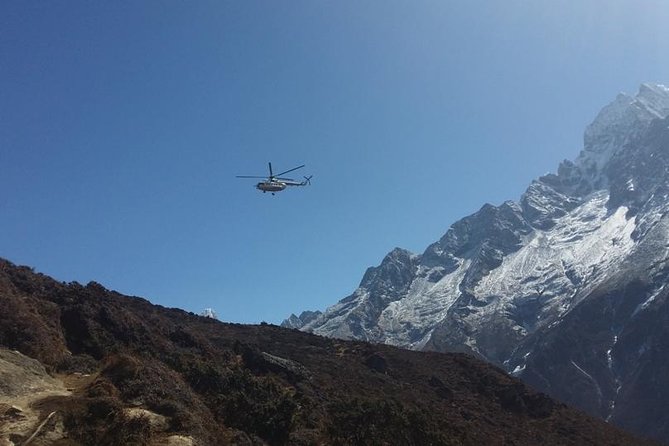
And yes, there’s a “bailout” option: helicopter flights to and from Lukla with a supplement charge. The key detail is timing—if your guide senses your flight may be canceled, they can discuss helicopter availability and costs with you.
What I’d advise: don’t treat the Lukla flight as a guaranteed box-check. Treat it like a variable. Your mindset should be flexible, because the mountains run the schedule here.
First walking days: getting into Sherpa country the real way
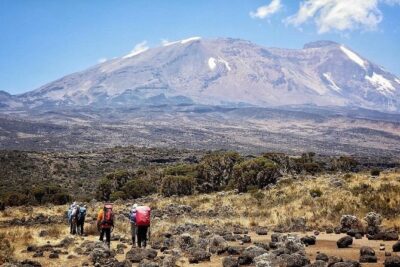
After the Lukla start, the trail shifts from logistics to immersion—slowly at first, then all at once. You’ll move through Sagarmatha National Park, where the trek isn’t just about altitude. It’s also about ecosystems and changing conditions as you climb.
At the same time, you’ll deepen into Sherpa villages with monasteries and highland settlement life. That cultural layer is why Everest Base Camp is more than a view. You’re passing through places where life has adapted to cold, altitude, and seasonal shifts for generations.
One thing I like about a guided approach here is that it turns confusion into context. When you reach a monastery or a village, your guide can explain what you’re seeing and why it exists in this altitude zone. Reviews also highlight that guides handled the human side well—supporting classmates who fell behind pace and keeping people comfortable through the harder hours.
Practical tip: plan your day for consistency. Walk steady, not fast. On this kind of trek, the “win” is arriving at each new village with energy left.
Everest-area views: when the mountains stop being background
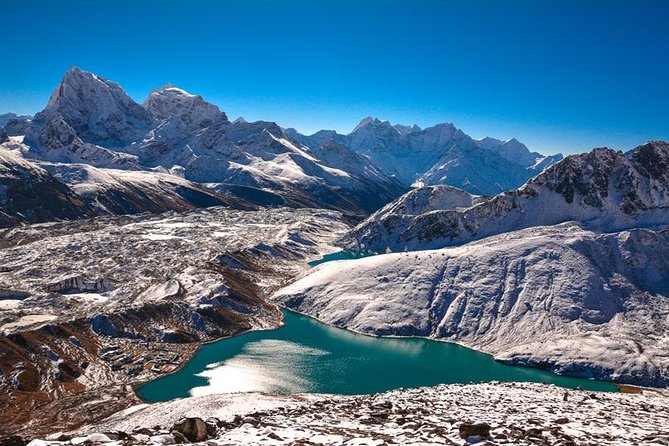
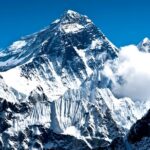
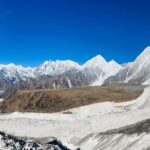
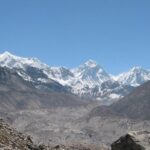
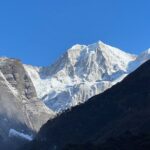
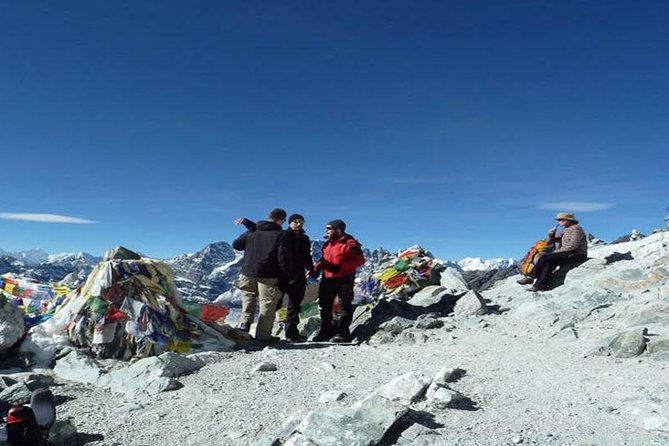
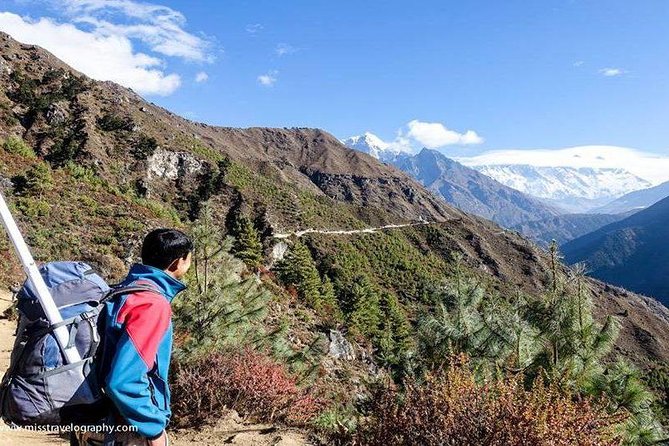
As the trail rises, the big peaks start feeling like they’re leaning into your path. The trek is described as following spectacular sightlines of Everest (8,848m), Lhotse (8,586m), Cho Oyu (8,188m), and Ama Dablam (6,812m), along with other Himalayan giants in the region.
This matters because the views aren’t just a reward at the end; they’re part of the pacing. Knowing you’re going to get those named peaks helps you push through the slower stretches, especially when your legs start negotiating.
Also, mountain visibility changes with weather. That’s another reason buffer time is valuable: the hike is the same, but your view quality can vary. If the clouds roll in, don’t panic—sometimes the day clears enough to still make it worth it.
Lodges and meals: how comfort works on this route
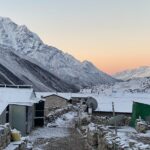
You’ll sleep in local lodges during the trek. Rooms are described as standard lodge accommodation with sharing bathroom setups. That’s a big deal to understand before you go, because Everest-area comfort is not about luxury. It’s about warmth, function, and having a bed when your body is tired.
Meals are included as breakfast, lunch, and dinner with hot drinks. This is a strong value piece because meals on trek add up fast if you’re paying as you go. It also removes decision fatigue—you spend less time asking what costs what, and more time focusing on water and rest.
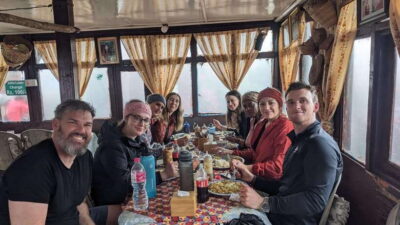
That included meal structure shows up in reviews too, including praise for the food and the tea house rhythm along the way. Expect tea houses and lodges to vary in comfort day to day, but the overall plan stays consistent.
Practical tip: bring a small water plan. Even with included meals, water management is on you. Also, pack for cold evenings—warm layers matter more than you think once altitude catches up.
Acclimatization reality: why slow feels like speed
Even when a trek sounds straightforward—walk uphill, reach a famous spot—altitude changes the rules. This itinerary is built for moderate physical fitness levels, but the elevation is serious, and your body will tell you so.
The trek description emphasizes getting to high navigable points and moving through steep terrain. In practice, that means you should expect days that feel harder than the distance on paper. The win is learning your own pace early, then letting the trek’s rhythm protect you.
This is also where having an experienced guide matters. Reviews repeatedly praise guides for calm, professional support. One theme: guides helped people who were struggling, including older trekkers and groups with mixed fitness. That kind of guidance doesn’t just keep you moving—it keeps the trek human.
Practical tip: if you feel off, speak up. It’s better to slow down than to prove toughness.
Namche and the “settle in” feeling
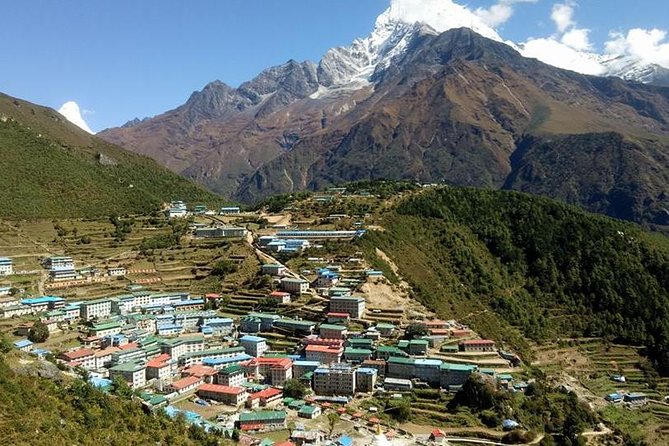
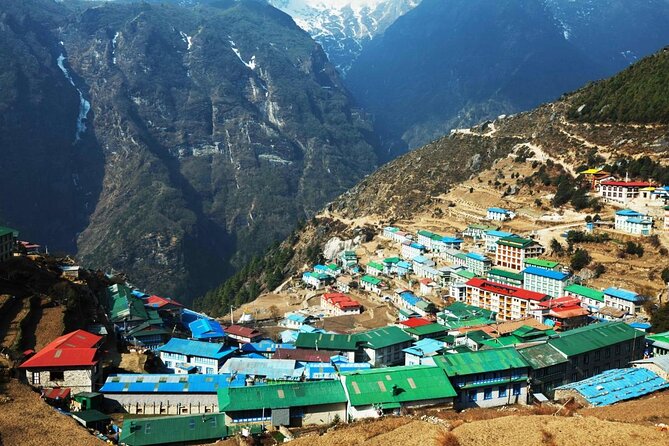
Even if you’ve seen Everest on posters your whole life, the journey becomes real once you hit the larger Sherpa hub areas. One review mentions staying in iconic Namche Bazaar, which is often the place trekkers feel the culture, the trade, and the altitude-adaptation all at once.
Namche-like stops tend to do two jobs. First, they’re where you can regroup—slow down your breathing, drink tea, and fix small gear needs. Second, they create a mental shift: you’re no longer on a travel day. You’re on a mountain day.
If your guide team is strong, you’ll get context here too. Reviews singled out guides like Bal Kumar Tamang and Sabin Khadka for professionalism and calm patience, which is exactly what you want when you’re adjusting to higher air.
Kala Patthar-style finale: the big effort for the big payoff
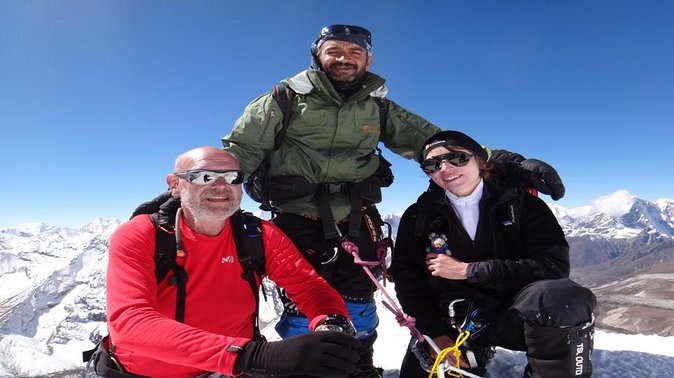
Many Everest Base Camp treks include a strenuous push for sunrise or big mountain angles—often tied to Kala Patthar. One of the reviews specifically praised an EBC trek with Kala Patthar, calling it a great experience.
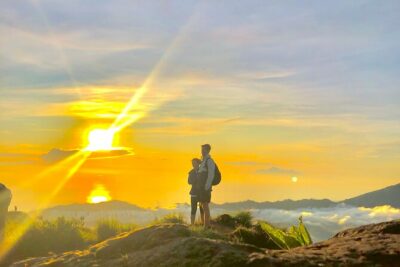
Even without getting lost in promises, the takeaway for you is this: the endgame on Everest-area treks usually includes a hard climb on cold hours. It’s the kind of day where the guide and porter team can make a noticeable difference in morale, because your legs will be tired and you’ll be deciding whether one more steep hour is worth it.
So if you’re looking for the moment that feels like the trek “becomes Everest,” plan to save some energy for the final views push. The mountains are the point, but your energy management gets you there.
Practical tip: start earlier than you think you need to. Cold makes everything feel slower.
Guides, porters, and the logistics that protect your trip
A huge theme in the reviews is smooth organization and strong support staff. The tour includes an English-speaking local expert guide and porters, and that combination shows up again and again in feedback about professionalism, responsiveness, and kindness.
Specific names come up: Bal (including Bal Kumar Tamang), Sabin Khadka, Raju, and Gelu as praised guides. People also called out support during difficult moments—like a twisted leg where a porter helped carry a day bag and kept encouragement going.
That’s not fluff. In a trek like this, you’re not just paying for directions. You’re paying for risk management, pacing judgment, and carrying load so you can spend more energy walking and less energy wrestling your own pack.
Also, the trek is described as a private activity with only your group participating. That matters because you’re not competing with strangers for pace, space, or attention.
Price and value: what $2,500 buys you (and what it doesn’t)
At $2,500 per person for about 15 days, this isn’t the budget option. But it includes several of the expensive, annoying parts that derail DIY attempts: Kathmandu/Lukla/Kathmandu airfare, 3-star Kathmandu hotel nights (twin share with breakfast), local lodge accommodation during the trek, and 3-course meals with hot drinks.
It also includes guide and porter services, plus Trekkers’ Information Management System fees and surface transfers as per the itinerary. If you’ve tried planning a high-altitude trek before, you know those pieces are where time goes to die.
What’s not included is equally important:
- Nepal visa (Multiple Entry 30 days) listed at USD 40
- Lunch and dinner in Kathmandu
- Emergency evacuation or extra costs from flight cancellations/road blocks
- Table drinks and snacks while walking
- Your travel insurance and medical expenses
One more value note: the tour mentions mobile ticketing and confirmation at booking. That sounds small, but it helps reduce last-minute confusion when you’re juggling flights.
If you want the real question to ask yourself, it’s this: do you want to spend your energy planning logistics, or walking in the mountains? This package leans hard toward planning being handled for you.
Flight delays: how to think about risk before you fall in love with the plan
The information given is clear: Lukla flights may be delayed or canceled, and that can happen at the start or end of your trek. The team says they will try to schedule the next flight, and they don’t promise a refund for unused services if you lose time due to cancellation.
So I’d treat buffer days as part of your purchase. If you can add a few extra days in Kathmandu at the front or back, you’ll feel less stress when weather decides to be creative.
If you can’t add buffer time, ask your guide early how you’d respond if flights slide. The tour already points you to alternatives reachable by road—Annapurna, Langtang, and Upper Mustang. That way, you’re not stuck in limbo if Lukla gets messy.
Who should book this trek?
This is best for you if you want an iconic Everest experience with guided support and meal planning handled. It also suits groups that appreciate structure—especially if you’re not interested in playing planner every day.
It’s also a strong fit if you want to trek with some flexibility. The team explicitly mentions options like rerouting to other regions if flights are canceled longer, plus helicopter alternatives with a supplement charge when necessary.
If you’re the kind of traveler who loves roughing it with zero support, then this might feel too organized for your style. But if you’d rather focus on altitude, culture, and the mountain angles, it’s a solid match.
Should you book Everest Base Camp with this team?
If you’re choosing between a “route on paper” and an operator that handles flights, hotel nights, lodge stays, meals, and staffed guidance, I’d lean toward booking. The biggest reason is risk management: Lukla flights can be unpredictable, and the plan explicitly addresses that with buffer-day advice and backup options.
Book it if you can accept basic lodge comfort and you’re ready to plan around altitude and weather. Don’t book it if you need a perfectly timed schedule with zero flexibility, or if you’re not comfortable with sharing bathroom setups during the trek.
Finally, read your own body well. The trek is described for moderate physical fitness, but your safety comes first. Pick a pace you can sustain, listen to your guide, and let the mountains do what they do—slowly, and then all at once.
FAQ
How long is the Everest Base Camp trek?
The duration is listed as about 15 days.
Where does the trek start and end?
The meeting point is Tribhuvan Airport in Kathmandu, Nepal, and the activity ends back at the same meeting point.
What kind of accommodation and bathrooms are included?
During the trek you stay in local lodges with standard accommodation and sharing bathrooms. In Kathmandu, you get 3 nights in a 3-star hotel on twin sharing with breakfast.
What meals are included during the trek?
The package includes 3-course meals with hot drinks during the trek, specifically breakfast, lunch, and dinner.
What costs are not included in the price?
Not included are the Nepal visa (Multiple Entry 30 days), lunch and dinner in Kathmandu, table drinks and snacks while walking, emergency evacuation costs due to any reason, and your insurance and medical expenses.
What happens if the Lukla flight is delayed or canceled?
The information provided notes flights to or from Lukla can be delayed or canceled for one or more days. The team will try to schedule the next flight and recommends keeping buffer days. A helicopter alternative may be arranged with a supplement charge, depending on availability.
Is this a private trek?
Yes. It’s described as a private tour/activity, so only your group participates.