REVIEW · KATHMANDU
Annapurna Base Camp trek
Book on Viator →Operated by Nepal Trekking Experts Pvt. Ltd. · Bookable on Viator
Annapurna Base Camp grabs you with sheer mountain scale. This is a small-group classic trek (max 10) where you’ll hike about 6 hours a day, stop in tea houses, and gradually move through farmland, bamboo, and rhododendron country toward Annapurna’s footprint. I especially like that the package is built to keep the busywork off your plate—permits (Annapurna Conservation Area Permit and TIMS card) are included, and there’s an English-speaking local guide.
Two big wins for me: you get organized local guidance (plus real-world Nepal Himalaya context as you walk), and you’re not stuck in a huge herd. The pace feels “active but doable” for moderately challenging trekkers—good if you want adventure without needing to be an ultra-hiker.
One drawback to plan for: tea houses mean you’re living with basic comfort—no promises of hot showers, Wi-Fi, or battery charging. Also, the base-camp portion can get really cold, so your layers matter more than you think.
In This Review
- Key things to know before you go
- Annapurna Base Camp: why this trek pulls people in
- The trekking rhythm: about 6 hours of hiking each day
- Tea houses, real food, and why nights matter here
- Rhododendron forests, bamboo groves, and terraced farmland
- Permits and guide support: what you gain when someone else handles the paperwork
- Price and logistics: does $999 feel fair?
- How the group size changes the whole trek experience
- Weather and seasons: when views still show up
- What to pack when the package doesn’t include comfort extras
- Should you book Annapurna Base Camp with this operator?
- FAQ
- How many people are in the group?
- How long is the Annapurna Base Camp trek?
- How much hiking should I expect each day?
- Are permits included in the price?
- Are meals included?
- Is pickup and drop-off included?
- What information do I need to provide at booking?
- What is not included?
- Where is the meeting point and when does it operate?
Key things to know before you go
- Max 10 people keeps the trek feeling personal, not crowded.
- About 6 hours of hiking daily is the rhythm, built for steady progress.
- Tea-house stays and B/L/D meals keep you fueled without constant logistics.
- Permits handled (ACAP + TIMS) so you don’t juggle paperwork mid-planning.
- Local guide + support is a core part of the experience, not an add-on.
- Not included basics (drinks, Wi-Fi, hot shower, charging, gear, insurance) shape your packing plan.
Annapurna Base Camp: why this trek pulls people in
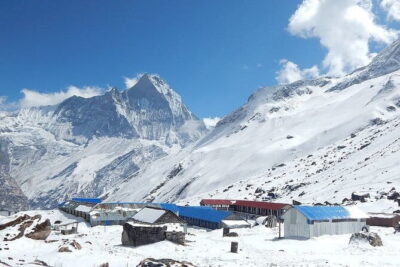
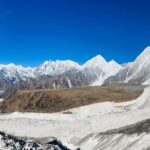
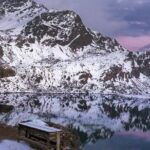
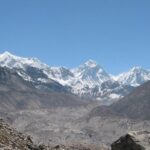
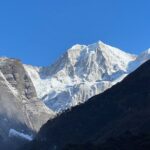
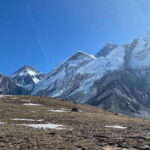
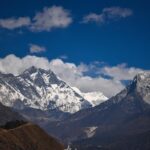
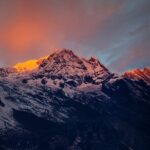
Annapurna Base Camp isn’t just a point on a map. It’s a long, believable trail that changes its mood again and again—starting in human-shaped valleys and slowly turning into high-mountain terrain where the mountains feel closer, louder, and more intense. You’ll spend 14 days (approx.) working your way toward Annapurna’s base area, with your days anchored by consistent walking and your evenings spent in tea houses.
What I like about this version of the trek is the framing: it’s adventure with structure. You’re not wandering on your own, guessing routes, or trying to decode permit rules. Instead, you get a government-registered English-speaking local guide and the necessary conservation and trekking documentation already taken care of. That means you can focus on the real stuff: your breathing, your footing, and the changing scenery outside your door.
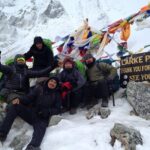
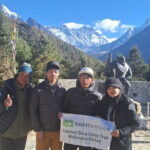
Also, the group size matters more than people expect. With a max of 10, you’re more likely to be able to ask questions, get pacing advice, and actually connect with your guide instead of just following like a commuter train.
You can also read our reviews of more tours and experiences in Kathmandu.
The trekking rhythm: about 6 hours of hiking each day
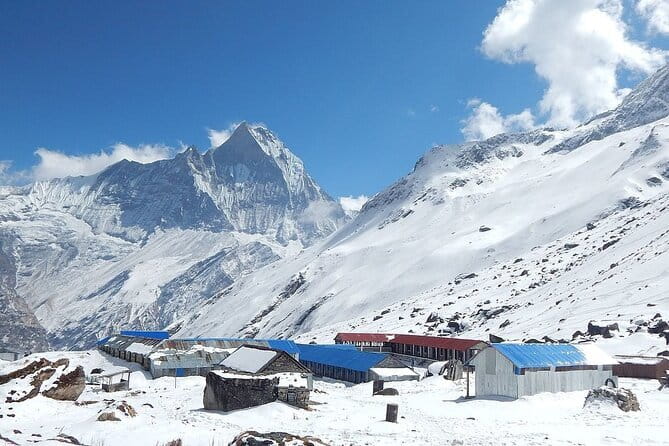
The daily plan is clear: you’ll hike roughly 6 hours each day in the Himalaya. That’s not “casual strolling.” It’s also not an all-day grind where you’re walking until your legs file a complaint. Think of it as a steady workout with breaks and altitude changes that gradually ask more of you.
Here’s how to translate that into planning for your own body:
- If you already walk regularly at home (stairs, hills, long walks), you’re in a good place.
- If you’re currently more “sit-and-stare” than “move,” you’ll want to build stamina before you go. This trek expects moderate fitness.
- You’ll do best if you pace early in the day. Starting too fast is the easiest way to feel wiped out before the views arrive.
One practical bonus: a consistent hiking rhythm means you can pack mentally. You’ll learn your day pattern—walk, stop, adjust layers, and settle into tea-house evenings—rather than guessing what each day holds.
Tea houses, real food, and why nights matter here
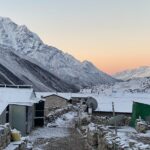
You’ll stay in tea houses during the trek. That’s the classic ABC way of traveling in Nepal—simple rooms, communal dining spaces, and the everyday rhythm of mountain villages. It’s not luxury. But it’s also not an empty “experience.” It’s where you see how people live with the mountains right there, and where you get to unwind after a day of effort.
Meals are mostly handled: your package includes breakfast, lunch, and dinner (B/L/D as listed in the itinerary framework). That’s a big value because eating on trek can get complicated fast—especially if you’re tired and hungry. Having your meals included reduces decision fatigue and helps you stick to a routine.
What’s not included matters too. Drinks aren’t included, and there’s no guarantee of extras like Wi-Fi, hot showers, or battery charging. So I recommend treating tea-house nights as part of the adventure: bring what you need for comfort, accept the limitations, and you’ll have more fun (and better sleep).
Rhododendron forests, bamboo groves, and terraced farmland
This trek earns its reputation because it keeps changing the “lens” of the landscape. On the way to Annapurna’s base area, you’ll pass through:
- Rhododendron forests, which can make mornings feel cooler and softer as you walk through living green corridors.
- Bamboo groves, where the trail mood can shift again—often quieter, more sheltered, and a little more atmospheric.
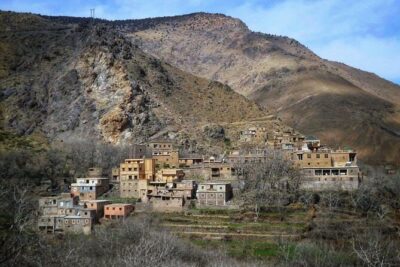
- Terraced farmland, where you see how people have shaped slopes into usable ground.
- Isolated villages, where the scenery isn’t only nature—it’s also daily life.
That mix is what makes Annapurna Base Camp more than a view hike. You’re not just chasing altitude; you’re moving through cultures and livelihoods that have adapted to life in the Himalaya.
If you like photography and video, this kind of route is excellent. You’ll have a variety of backdrops—forest scenes, field patterns, mountain walls, and village streets—so your camera isn’t stuck with only one visual theme all day.
Permits and guide support: what you gain when someone else handles the paperwork
Trekking in Nepal means permits and documentation. The good news here: the package includes the Annapurna Conservation Area Permit and TIMS card, plus local taxes. You’re also getting a government-registered English-speaking professional local guide. Translation: fewer headaches for you, and more time to be present on the trail.
A guide isn’t just there to keep you moving. A strong local guide helps you:
- understand what you’re seeing in the Nepal Himalaya (history, culture, and local lifestyle)
- stay calm when conditions shift
- adjust your approach based on your group’s needs
In ABC-related feedback, the team’s responsiveness stands out. I’ve seen specific names come up for different roles, including Rajesh (owner and point of contact) and guides like Ganesh, Basanta, Resham, and Rajan, plus porter names such as Chhwang, Chhwang and others in support roles. The recurring theme is that you get more than “follow the leader”—you get people who pay attention to your questions and your pace.
Price and logistics: does $999 feel fair?
At $999 per person, this trek price works best when you value the structure you’re getting. What you’re paying for isn’t just the trek itself—it’s the support framework: pickup and drop-off, the guide team, permits, and meals as listed (B/L/D). You’re also traveling in a small group up to 10, which reduces the “big tour” feel.
Here’s where the value is clear:
- Permits included (ACAP + TIMS) and local taxes handled
- English-speaking local guide included
- Hotel pickup and drop-off
- Meals included (breakfast, lunch, dinner)
- Tea-house accommodation is included “as per itinerary” so you aren’t sorting that on your own
And here’s the part you should keep realistic: the trek still has extra costs outside the package—especially drinks, and possibly temple/monastery entrance fees (not included). Also plan for the items listed as not included: Wi-Fi, hot shower, battery charge, personal shopping, trekking gears, and personal insurance.
Bottom line: if you want an organized trek where you can focus on walking and scenery, this is the kind of price that can make sense. If you’re trying to do everything as a DIY budget trip, you may find cheaper options—but you’re also giving up a lot of the support you’d want in the high mountains.
How the group size changes the whole trek experience
Max 10 travelers isn’t a marketing number. It affects your day.
With a smaller group, you’re more likely to:
- get help with pacing and questions without feeling rushed
- move as a real group rather than a long line
- enjoy the trail as a shared experience (talking at tea houses, comparing photos, asking your guide what’s coming next)
A small group also helps if you have mixed experience levels. The trek is described as moderately challenging, so you’ll have people coming in at different fitness and hiking comfort levels. A good guide team can manage that, and the package is clearly built around that kind of guided flexibility.
Weather and seasons: when views still show up
The Himalaya doesn’t follow a neat schedule. Even within the same season, weather can swing your experience—cloud cover, rain, and visibility all play games with your plans.
One piece of helpful context from ABC-related experiences is that people have trekked in monsoon-season conditions and in late season and still called the views breathtaking when weather cooperated. That tells me something practical for your expectations:
- You should dress for changing conditions every day.
- You should keep your energy for the trail rather than banking your whole trip on one perfect sky window.
If you’re going during a shoulder or monsoon period, you can still have a fantastic trek. You just need to be flexible mentally—mountains rarely care about our itineraries.
What to pack when the package doesn’t include comfort extras
Because tea houses are basic and several comforts aren’t included, your packing list decides how smooth your trip feels.
From what’s explicitly not included, you should plan for:
- Drinks: bring a plan for water (and any personal supplements you need)
- No Wi-Fi and no hot shower included
- No battery charging guarantee
- No trekking gear provided, so bring your hiking boots/shoes, layers, and daypack setup
- Personal insurance is not included, so you’ll need to arrange that on your own
Practical layering is key. Even if your hike days feel fine, base-area cold is common in high Nepal treks. One ABC-focused note in feedback also points out that it gets really cold at base camp—so pack for cold nights even if you start in warmer layers.
Should you book Annapurna Base Camp with this operator?
If you want the classic Annapurna Base Camp trek but you also want your logistics and permits handled, this package makes a lot of sense. The combination of small-group size, local English-speaking guide, permits included, and B/L/D meal coverage is a strong match for active travelers who want adventure without turning every day into problem-solving.
You should think twice if you’re specifically chasing modern comforts like hot showers and Wi-Fi, because those aren’t part of what you’re paying for. Also, if cold nights and basic tea-house living make you cranky, you’ll need to be ready with layers and a flexible mindset.
For the right traveler—fit enough to hike around 6 hours a day—this is a solid way to reach Annapurna Base Camp with less hassle and more trail time.
FAQ
How many people are in the group?
The trek is limited to a maximum of 10 travelers.
How long is the Annapurna Base Camp trek?
It runs about 14 days (approximately).
How much hiking should I expect each day?
Expect around 6 hours of hiking each day.
Are permits included in the price?
Yes. The Annapurna Conservation Area Permit and TIMS card are included.
Are meals included?
Yes. Breakfast, lunch, and dinner are included as per the itinerary.
Is pickup and drop-off included?
Yes. Hotel pickup and drop-off are included, along with round-trip by public transportation.
What information do I need to provide at booking?
You’ll need to provide the passport name, number, expiry, and country for all participants.
What is not included?
Drinks, Wi-Fi, hot shower, battery charging, personal shopping, trekking gears, and personal insurance are not included. Temple/monastery entrance fees are also not included.
Where is the meeting point and when does it operate?
Meeting times run daily from 5:15 AM to 10:45 PM (Monday–Sunday), and the opening hours cover 01/01/2024 through 12/31/2026.