REVIEW · KATHMANDU
Everest Base Camp Trek
Book on Viator →Operated by Himalayan Recreation Treks & Expedition Pvt.Ltd · Bookable on Viator
Everest Base Camp goes from dream to doable. This 14-day trek in Nepal pairs a government-licensed trekking guide with included Kathmandu–Lukla round-trip flights, plus tea-house lodging so you can focus on pacing and staying on track.
I like how the plan builds in real support—arrival coordination, altitude awareness, and practical day-to-day guidance. I also like that you get a Kathmandu reset with sightseeing time before the trek. One thing to weigh: the itinerary includes a lot of altitude walking, and Lukla flights can face delays, so you should plan for flexibility.
What makes this trip feel smart is the mix of comfort and control. You’ll sleep in tea houses during the trek (a big part of how the Khumbu is experienced), and you also get three nights in a 3-star Kathmandu hotel to recover and sort gear. The main drawback is budgeting—most meals and drinks aren’t included, and the company lists extra costs you’ll want to factor in up front.
In This Review
- Key things I’d pay attention to
- Everest Base Camp with the practical stuff handled
- Price and value: what the $999 really means
- Kathmandu warm-up days: Thamel, Swayambhunath, and Boudhanath
- The Lukla flights: your first reality check of the trip
- Day-by-day trek flow: what each stage is for
- Day 2: From Lukla onward to Phakding
- Day 3: Phakding to Namche Bazaar via the big river valley feel
- Day 4: Namche plus an Everest view reset
- Day 5: Tengboche and the gompa stop
- Day 6: Dingboche for altitude practice
- Day 7: Dingboche with an acclimatization push toward Chukhung
- Day 8: Lobuche and Khumbu Glacier views
- Day 9: The Everest Base Camp approach zone (Gorak Shep)
- Day 10: Kala Pattar for the big final viewpoint moment
- Day 11–12: Downshift back to Namche and Lukla
- Day 13–14: Return to Kathmandu
- Tea houses: included lodging, real trade-offs, and why it works
- Altitude and weather: how to keep this trek from turning into a test
- Guides, group size, and what good support looks like
- What to pack (and how light you should go)
- Permits, insurance, and paperwork that can’t be ignored
- The one tricky logistics piece: Lukla delays
- Should you book this Everest Base Camp trek with Himalayan Recreation?
- FAQ
- What does the tour price include?
- Are meals included during the trek?
- What about Kathmandu hotels and pickup?
- How difficult is the altitude on this trek?
- Do I need travel insurance?
- What documents are needed for permits?
- What should I pack, and how light should I travel?
- How many people are in a booking, and is the tour private?
Key things I’d pay attention to
- Included Lukla airfare reduces a major headache before the trek starts
- Tea-house nights are covered, which keeps your daily costs predictable
- 3 nights in a Kathmandu 3-star hotel helps you adjust and pack without stress
- Small group size (max 8) means less crowding and easier communication
- Safety structure for altitude includes first aid training and awareness of medical access
- Lukla flight delays possible, so the trip asks you to consider extra buffer days
Everest Base Camp with the practical stuff handled
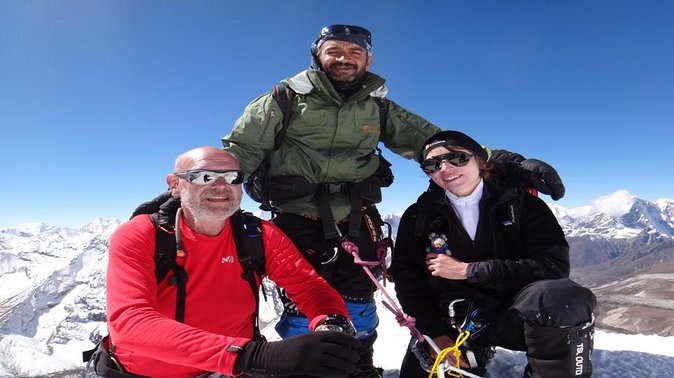
Let’s be honest: Everest Base Camp is one of those bucket-list trips where the scenery gets the headlines, but your success depends on the boring stuff—timing, acclimatization, and not getting swept into bad decisions because you’re tired. This trek is built around the kind of support that helps you stay steady: a licensed trekking guide, on-the-ground first aid awareness, and a route plan that moves you up slowly enough to adapt.
What makes this package especially workable is that it doesn’t dump everything on your lap. Domestic flights from Kathmandu to Lukla and back are included, tea-house accommodation is included for the trek nights, and you get three nights in Kathmandu. That combination matters because it protects you from two common trip-breakers: forgetting key logistics and spending time in the wrong place during the wrong stage of the journey.
I also appreciate the tone of the setup. The operator is clear that altitude can affect you regardless of age or gender, and they ask you to discuss your plan with a doctor. That’s not fear-mongering—it’s good trip management.
You can also read our reviews of more tours and experiences in Kathmandu.
Price and value: what the $999 really means
The advertised price is $999 per person, which is only part of the real math for Everest Base Camp. Here’s what’s clearly included:
- Two Kathmandu hotel nights are listed as 2 nights in a 3-star hotel (with breakfast on day 1 and day 13)
- Tea-house accommodation for 11 trekking nights
- Round-trip domestic airfare Kathmandu–Lukla–Kathmandu including airport tax
- A licensed trekking guide and government taxes/VAT/service charges
- A first aid kit and a Himalayas Recreation T-shirt
Then there are the costs you should budget separately. The package lists food and drinks not included unless specified, and it suggests $350 per person for food and drinks. It also lists gratuities of $150 per person.
So, is $999 good value? For Everest, it can be, because the biggest expenses that usually surprise people—Lukla flights and lodging—are already included. But your final cost will land higher once you add food/drinks and gratuity. If you like doing your own thing at tea houses (hot drinks, desserts, extra snacks), you’ll spend more. If you keep it simple, you might spend closer to the suggested budget.
A final value point: this is capped at a maximum of 8 people per booking. Even if the tour calls itself private, it still benefits from smaller groups because it’s easier to coordinate breaks, hydration, and altitude pacing.
Kathmandu warm-up days: Thamel, Swayambhunath, and Boudhanath
You don’t jump straight into thin air on day one. Instead, the trip starts in Kathmandu, with a focus on getting oriented and easing into Nepal life before the trek.
You’ll spend time in Thamel, which is the practical center of tourist Nepal—tour offices, gear stores, and a lot of travel logistics happen here. It’s also where you’ll likely handle last-minute trekking items, because the operator notes that required trekking gear is available to buy or rent in Kathmandu, with your guide able to help arrange it.
On the sightseeing side, the plan includes stops at Swayambhunath Temple and Boudhanath Stupa. These aren’t random add-ons. They’re a good way to understand Kathmandu’s spiritual rhythm before you leave civilization behind. You’ll also have time for the Garden of Dreams, a calmer pause after days of planning and shopping.
This is also when you’ll want to get your head straight about permits and insurance. The operator requires a travel insurance policy that covers medical expenses and emergency repatriation, and it asks you to show proof to the tour leader on the first day. They also list the permit document needs (passport photo copy, clear scans, passport validity of at least 6 months, two passport photos, and home/occupation details).
The Lukla flights: your first reality check of the trip
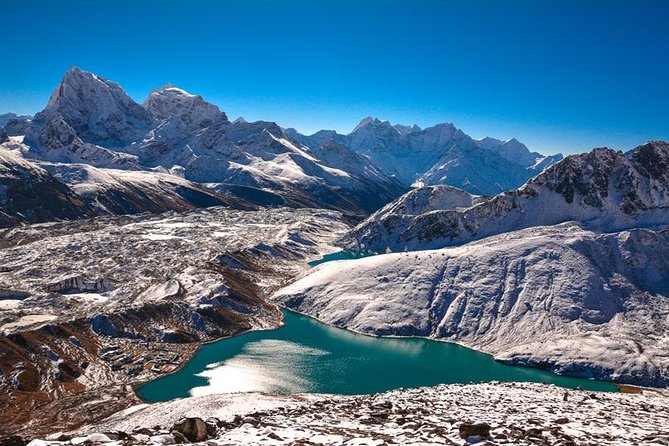
The trek’s turning point is flying to Lukla. The itinerary includes a flight segment that you’ll take from Kathmandu, and domestic airfare is covered in the package.
Here’s the reality check: Lukla weather can be unpredictable. The operator explicitly asks you to consider 1–2 extra days in case of flight delay or cancellation. That’s not a “maybe” detail—it’s one of the most important planning notes for anyone doing Everest.
If you’re the type who hates delays, you’ll still feel tense here. The good news is the package is designed with the assumption that you can handle that buffer. If you can’t, it’s worth adjusting your overall travel dates before committing.
Day-by-day trek flow: what each stage is for
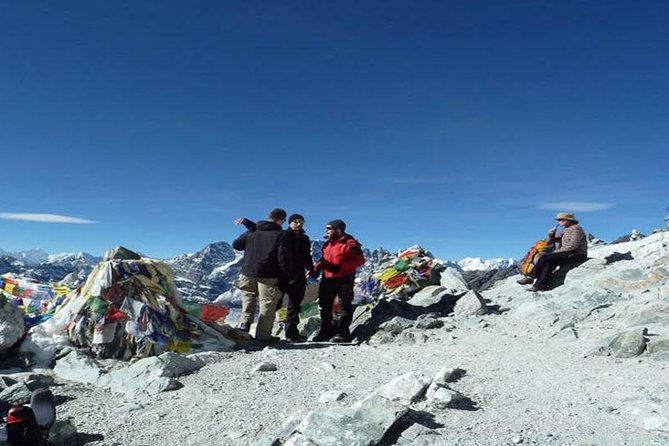
The days above don’t just fill a calendar. They help you move up in a way that supports acclimatization, while also giving you those big view moments that make Everest Base Camp feel real.
Day 2: From Lukla onward to Phakding
After your Lukla flight, you start the trek toward Phakding. This first trekking day is about getting your legs moving, not about crushing distance. You’ll also see early glimpses of the Khumbu trekking corridor—so it’s mentally “training wheels,” but with real mountain drama.
Day 3: Phakding to Namche Bazaar via the big river valley feel
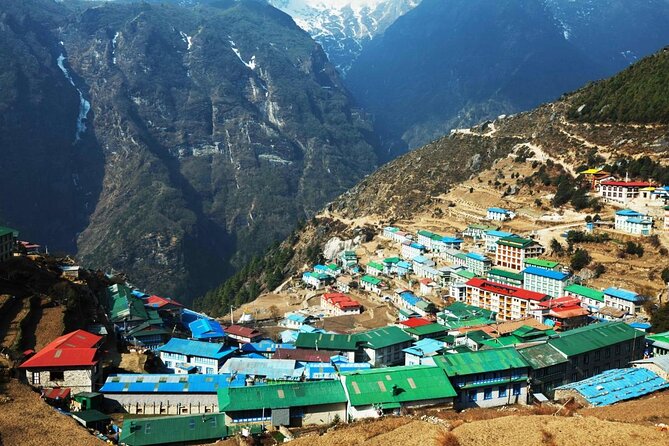
You’ll reach Namche Bazaar, and the itinerary includes time at Dhudh Koshi River. Namche is the acclimatization hub of the region—busy, full of teahouses, and a place where you’ll see trekkers adjusting layers like it’s a sport.
Day 4: Namche plus an Everest view reset
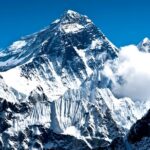
This day includes Everest View Point, with the plan calling out Everest views. That kind of viewpoint day is useful because it gives you an emotional boost, but it also teaches you what altitude feels like while you’re still at a manageable stage.
Day 5: Tengboche and the gompa stop
You’ll trek to Tengboche, with stops at Tengboche Gompa and viewpoints associated with big peaks like Ama Dablam and Mt. Taboche. Tengboche is known for its spiritual calm and wide views. It’s also a good place to slow down and appreciate the rhythm: prayer flags, incense, and that moment when the mountains look close enough to touch.
Day 6: Dingboche for altitude practice
You’ll continue to Dingboche. This is another acclimatization and rest stop. Expect cooler air and a stronger sense that mornings start sooner (because your body will wake up before the sun).
Day 7: Dingboche with an acclimatization push toward Chukhung
The plan includes time in Dingboche and then the Chukhung area, plus a reference to Island Peak. Even if you’re not climbing anything, the region around Chukhung is often used as a breathing-and-walking practice ground. The goal is to go high enough to adapt, then return to sleep lower.
Day 8: Lobuche and Khumbu Glacier views
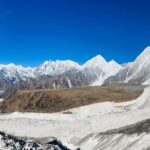
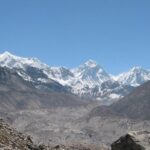
You’ll reach Lobuche, with a stop referencing Khumbu Glacier. Lobuche is where the trek starts feeling serious. The air is thinner and the view cues change from village life to glacial scale.
Day 9: The Everest Base Camp approach zone (Gorak Shep)
The itinerary includes Gorak Shep and a stop associated with Mount Everest for a longer stretch of time. This is typically one of the days that feels like a goal is happening. You’ll likely feel the mix of excitement and tired legs at the same time.
Day 10: Kala Pattar for the big final viewpoint moment
You’ll do Kala Pattar, which is one of the trek’s signature “one more climb” payoff moments. After that, the itinerary includes Pheriche – Dughlha Road and Pangboche as part of your descent flow.
Day 11–12: Downshift back to Namche and Lukla
You’ll work your way back to Namche Bazaar, then continue down to Lukla. This is where people learn a valuable lesson: going down also needs legs, attention, and hydration. It’s easy to feel like you’re done, then get careless on rocky paths.
Day 13–14: Return to Kathmandu
You’ll return to Kathmandu, with the trip ending after additional time in the city. This is your decompression window—good for washing clothes, resting your body, and eating like a human again.
Tea houses: included lodging, real trade-offs, and why it works
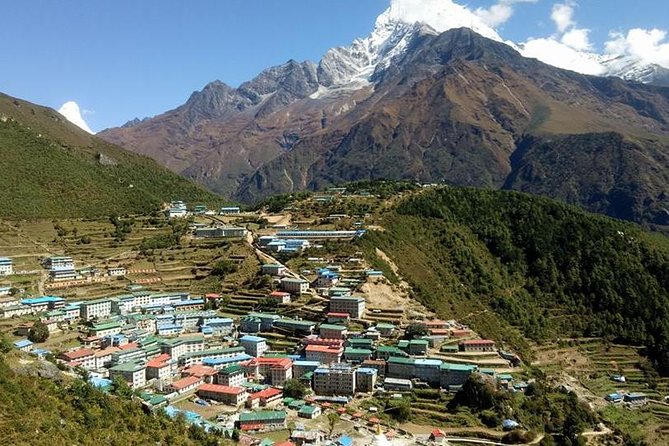
The trek includes 11 nights in tea houses during the walking days. Tea-house travel isn’t luxury, and it isn’t designed to be. But it’s a smart system that lets you go far with predictable logistics and a warm place to recharge.
Here’s what the package inclusion changes for you: you’re not hunting for where to sleep every day. That removes pressure at exactly the wrong time. Instead, your energy goes into acclimatization and sticking to your guide’s pace.
What you should still expect:
- Your comfort level will depend on altitude, temperature, and how busy tea houses are
- Hot drinks can become a lifeline (and those purchases add up, which connects directly to the suggested food/drinks budget)
- Bathrooms can be basic, and water may be limited
This is why the small-group setup matters. When there are up to 8 people, it’s easier for your guide to keep you moving together and to plan rests before conditions turn unpleasant.
Altitude and weather: how to keep this trek from turning into a test
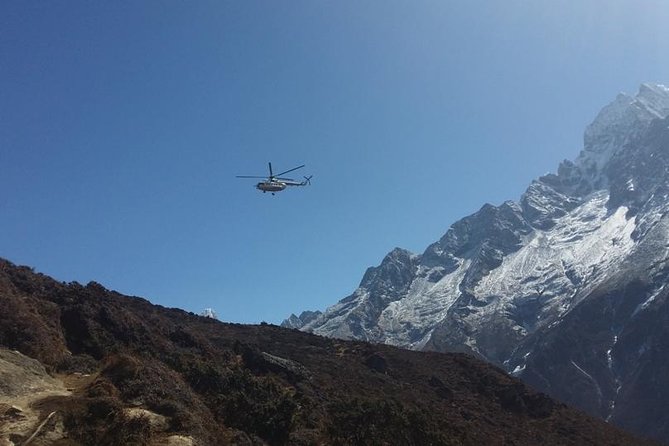
The operator is very direct about the main risk. You’ll be walking at demanding altitudes around 5,364 meters (17,598 ft), with possible extreme weather shifts. They also say adverse health effects are common at altitude regardless of age or gender, and they strongly recommend speaking with your doctor.
Also note the safety structure. Your team includes basic first aid training, and the leaders are aware of closest medical facilities. You’ll have a first aid kit with the trip.
Practical takeaways you can use immediately:
- Treat fatigue as a safety signal, not a character flaw
- If your body feels off, speak up early. Guides would rather adjust a day early than fix a problem late
- Pack layers and keep your hands and feet warm. Cold hands can make you forget to think clearly
And the unglamorous truth: Everest Base Camp success is often about avoiding “I can push it” moments.
Guides, group size, and what good support looks like
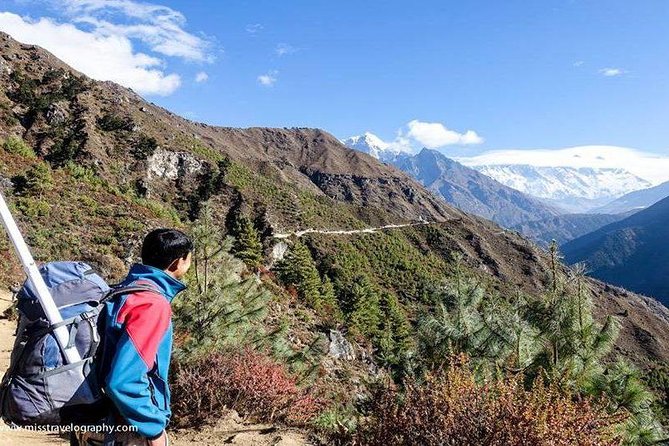
A big part of the quality here is the people. The trip includes a government license holder trekking guide with full facilities. In plain terms: you want someone who knows the route, knows the pacing, and can handle the small disruptions that always happen in mountain travel.
The program also notes that arrival and departure assistance is handled with a private car, and that you’re meeting at Tribhuvan Airport in Kathmandu. That kind of start-to-finish coordination matters because it lowers stress right when you’re still sorting gear and paperwork.
One detail I find reassuring from the team reputation: support and guiding can come through strong coordination from people like Bishnu, while trekking leadership might be in the hands of a guide like Basu. When those roles work well together, you tend to notice fewer awkward gaps—like waiting too long for decisions or arriving late because someone missed a timing detail.
Finally, this is capped at 8 people max per booking. In Everest terms, that’s a meaningful advantage. It’s enough people to share energy, but small enough that you’re not constantly bumping into a crowd at the teahouse or during viewpoints.
What to pack (and how light you should go)
You’ll carry your own luggage, and the operator suggests keeping weight under 22 lbs (10 kg). That’s a helpful target. Too much weight on your back can turn mild fatigue into a slow, painful slog.
Also plan for gear logistics in Kathmandu. The operator says you can buy or rent the required gear there, and your guide helps you arrange it. That means you don’t need to arrive already perfectly equipped—you do need to arrive with the right basics and a plan.
In practice, your kit should match cold mornings and windy afternoons at altitude. Focus on layers, gloves, a warm hat, and rain protection. If you’re unsure, ask your guide in Kathmandu before you start walking.
Also note the extra luggage option. You may leave extra luggage at their office or hotel and pick it up on your return. Use that. Your future knees will thank you.
Permits, insurance, and paperwork that can’t be ignored
This is one of those treks where the mountains steal the spotlight, but paperwork can still stop you.
You’ll need documents for permits:
- Passport photo copy (clear color scan)
- Passport validity minimum 6 months
- Two passport size photos
- Occupation and home details address
You also must show travel insurance that covers medical costs and emergency repatriation. Proof is required to the tour leader on day one.
If you’re the sort of traveler who hates bureaucracy, treat this as your homework week. Get your scans done early. Clear photos now prevent last-minute chaos later.
The one tricky logistics piece: Lukla delays
If you only remember one operational warning, make it this: Lukla flights can delay or cancel. The operator asks you to consider 1–2 extra days for that reason.
This affects you in a real way. Flights aren’t just transport; they control when you start the trek timeline. If your schedule is tight (wedding, flight home, cruise departure), you should reconsider dates or build in buffer.
Should you book this Everest Base Camp trek with Himalayan Recreation?
Book it if you want a guided trek that handles the big stuff—Lukla flights, tea-house accommodation, and Kathmandu hotel nights—while keeping a manageable group size. This is also a strong choice if you like a clear structure with a licensed guide, safety awareness, and honest altitude messaging.
Skip it or rethink timing if you can’t tolerate altitude risk, you dislike travel delays, or you don’t want to budget for extra meals and tipping. The operator lists demanding walking altitudes and makes the insurance requirement clear for a reason. This trek isn’t a couch-to-viewpoints walk.
One more good decision lever: if you value smoother communication, the operator notes you can request another language-speaking guide for $200 per group extra. That can be worth it if English isn’t your comfort zone.
If you match the trip to your body, your schedule, and your budget, this package can be a very practical way to reach Everest Base Camp with less friction and more confidence.
FAQ
What does the tour price include?
The package price includes a licensed trekking guide, domestic airfare Kathmandu–Lukla–Kathmandu with airport tax, tea-house accommodation for the trekking nights, and three nights in Kathmandu in a 3-star hotel. It also includes a first aid kit and taxes/service charges.
Are meals included during the trek?
No, food and drinks are not included unless specified. The tour lists a suggested budget of $350 per person for food and drinks, and it also includes dinner.
What about Kathmandu hotels and pickup?
You get Kathmandu hotel nights in a 3-star property, and the tour includes pickup and dropoff with arrival and departure assistance by private car.
How difficult is the altitude on this trek?
The trek includes walking at demanding altitudes of about 5,364 meters (17,598 ft), with possible extreme weather. The operator recommends discussing the trip with your doctor before departure because altitude can affect anyone.
Do I need travel insurance?
Yes. Travel insurance that covers medical expenses and emergency repatriation is required. You must show proof of insurance to the tour leader on the first day.
What documents are needed for permits?
The operator lists a passport photo copy with a clear color scan, passport validity of at least 6 months, two passport size photos, plus your occupation and home address details.
What should I pack, and how light should I travel?
You carry your own luggage, and the recommendation is to keep your load under 22 lbs (10 kg). Required trekking gear can be bought or rented in Kathmandu with help from your guide.
How many people are in a booking, and is the tour private?
The maximum group size is 8 people per booking. It is described as private in the sense that only your group participates in the activity.