REVIEW · KATHMANDU
Annapurna Base Camp Trekking
Book on Viator →Operated by Adventure Treks Nepal (P) Ltd. · Bookable on Viator
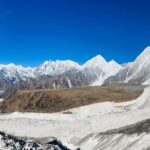
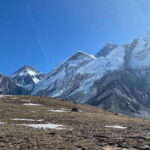
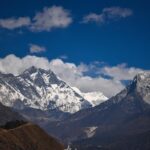
Himalaya views start before you take a single step. This Annapurna Base Camp Trek is built around a classic rhythm: ride from Kathmandu to Pokhara, drive to Nayapul, then hike through Gurung, Magar, and Thakali villages, rhododendron forest, and higher Buddhist-influenced hill towns—ending at Annapurna Base Camp (4,130m) in a giant glacier amphitheater with a ring of peaks overhead.
I really like that the plan reduces the usual stress. You get transport between Kathmandu and Pokhara, trekking meals, tea-house lodging, and a porter/guide team with insurance. I also like the way the route mixes culture and scenery: warm village welcomes where you can actually chat, plus big mountain moments like Machhapuchhare (Fish Tail) and the wide Annapurna massif view.
The main thing to consider is the physical side. Several hiking days run long (around 12 hours), and you’ll be sleeping and moving at increasing altitude, so you should train and pace yourself carefully.
In This Review
- Key Highlights You’ll Feel on This Trek
- From Kathmandu to Pokhara: Getting Oriented for the Mountains
- The Nayapul Start: Village Trails, Rhododendron Shade, and Steady Climbing
- Poon Hill Sunrise: A Short Early Effort Before the Deeper Days
- Chhomrong, Deurali, and the 360-Degree Annapurna Moment
- Bamboo, Jhinu Danda Hot Springs, and Pothana: The Best Way Back Feels Like a Reward
- Returning by Flight: Pokhara and Kathmandu Without the Long Grind
- Price and Value: What $1,779 Covers and What You’ll Still Pay
- Packing and Pace: How to Make Long Trek Days Feel Manageable
- The Human Side: Guide Support, Safety Focus, and Culture Conversations
- Should You Book This Annapurna Base Camp Trek?
- FAQ
- What is the start and end point for this trekking experience?
- How long is the Annapurna Base Camp trek?
- Is this trek private?
- What fitness level do I need?
- What’s included during the trek?
- Will I have porter support?
- Are flights included on the trip?
- What costs are not included?
- What is the cancellation policy?
- Final Decision: Go or Wait?
Key Highlights You’ll Feel on This Trek
- Tea-house comfort with full meal support: breakfast, lunch, and dinner are handled during the trek, plus breakfasts in Kathmandu and Pokhara.
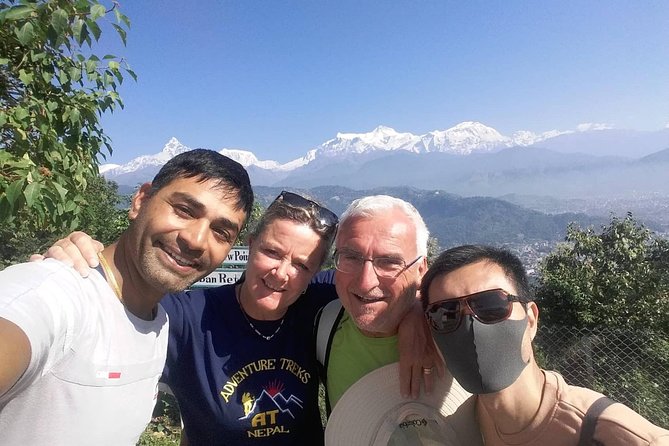
- Poon Hill sunrise reset: a short early push for sunrise views sets the tone before the deeper trekking days.
- Real village days: routes through Gurung, Magar, and Thakali communities where conversation and local hospitality are part of the experience.
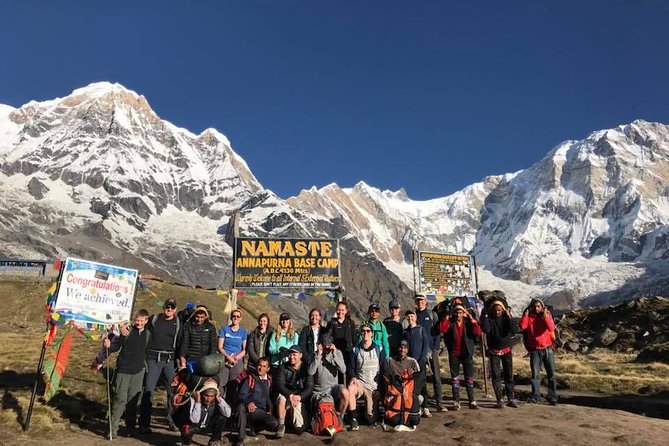
- Big “circle of peaks” payoff: the base camp area is described as an amphitheater with glacier cover and dramatic framing from multiple angles.
- Hot spring reward at Jhinu Danda: you get a break from hiking that’s specifically built into the return journey.
- One porter per two people: the included porter support (with insurance) helps lighten the load and makes daily walking more realistic.
From Kathmandu to Pokhara: Getting Oriented for the Mountains
Your trip begins in Kathmandu (starting at Tribhuvan International Airport area), then quickly shifts to Pokhara, about an hour drive from the bigger trekking region start points. The practical value here is that you’re not thrown into the Himalaya immediately. You’ll spend time in Pokhara, including a relaxed walk around Phewa Lake, which is a nice way to shake out travel stiffness and get your bearings.
Kathmandu to Pokhara is also useful because it sets your altitude mindset. Kathmandu is busy and dense; Pokhara feels calmer and more mountain-facing. That mental transition matters once trekking starts and you’re constantly deciding how to move—slow steps, steady breathing, and smart rest.
If you want an experience that feels organized but not rushed, this setup helps. You’ll have arrival/departure transport and lodging with breakfast in Kathmandu and Pokhara, so you’re not trying to solve logistics while you’re still tired from travel.
You can also read our reviews of more tours and experiences in Kathmandu.
The Nayapul Start: Village Trails, Rhododendron Shade, and Steady Climbing
On the trekking start day, you drive to Nayapul and begin hiking. This matters because Nayapul is where your trek becomes “real.” After the initial transportation, the trail pulls you into Nepal’s lower foothills and community life.
From there, the trek works through classic intermediate stops like Ulleri and Ghode Pani (spelled Ghore/Ghode Pani in the plan). These are the days where you learn the trekking rhythm:
- walk, pause, drink something
- keep going before you overheat
- arrive at tea houses for food and sleep
These lower segments are also where the vegetation and atmosphere feel different. The route is described as passing through dense rhododendron forest and traditional villages. That means you’ll likely trade some open views for shady walking, then gradually earn bigger panoramas as you gain height.
One more practical point: you’re doing long blocks (around 12 hours on multiple trek days). That doesn’t mean you’ll be sprinting. It means the “day plan” is trekking-focused, with rest and meals built in. Pack accordingly, and expect that your legs will feel the schedule.
Poon Hill Sunrise: A Short Early Effort Before the Deeper Days
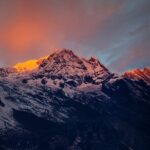
One morning is dedicated to Poon Hill sunrise—a quick early push (about 45 minutes) aimed at one thing: getting you above the early-morning haze so the mountain views land with impact.
This is more than a photo stop. Sunrise hikes teach you a useful skill: moving in colder air while your body is still warming up. It’s also a mental win. After sunrise at Poon Hill, you head toward Chhomrong, and the trek turns into the more serious, higher-altitude phase.
If you’re the type who likes a clear “checkpoint” moment, this is it. You’ll feel like the trek has a story arc: first the warm-up, then the big climb.
Chhomrong, Deurali, and the 360-Degree Annapurna Moment
After Chhomrong and Deurali, the itinerary moves into the part of the trek where you start noticing how mountains change a day. Less about village rhythm, more about air, time, and views.
Chhomrong is a key village stop on many routes because it often marks a shift to more dramatic Himalayan perspective. Deurali continues that shift, bringing cooler air and a sense that you’re moving into the heart of the Annapurna region.
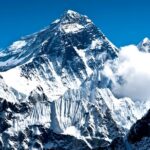
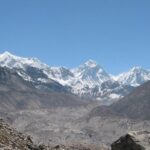
Then comes the day described as delivering a 360-degree view of the Annapurna Mountain Range. That type of viewing day is hard to fake with any other trek. When the route is built so you get a full-circle panorama, you’re not just seeing one peak—you’re seeing how the massif sits around you, how valleys drop away, and how the mountain amphitheater forms.
Also, the trek is framed to include a real set of iconic targets:
- Annapurna III and Annapurna South
- Hiunchuli
- Fang
- Machhapuchhare (Fish Tail)
- Gangapurna
This is the kind of peak list you want if you care about more than one “big name” view. It makes the whole trek feel like a gallery of angles.
Bamboo, Jhinu Danda Hot Springs, and Pothana: The Best Way Back Feels Like a Reward
After the high-view days, the trek returns gradually through stops like Bamboo and down toward Jhinu Danda, where there’s a hot spring break.
This part of the trek is valuable because it gives your body a different kind of recovery. You’ve been walking for days at altitude; then you get a built-in decompression moment. Even if you don’t love heat, the hot springs stop tends to turn sore muscles into something manageable—enough to enjoy the remaining hiking rather than just endure it.
From Jhinu Danda, the route continues to Pothana, another vantage point on the way back. Pothana is one of those stops that helps you end with views rather than only fatigue. It’s a good final “mountain check” before you head down to Pokhara again.
On the way down, you’ll often notice how your trekking mindset changes:
- uphill feels heavier than it did earlier
- downhill feels longer on the knees
- your focus shifts to steady pacing, not speed
This trek’s return structure handles that well by mixing walking days with rest stops that actually matter.
Returning by Flight: Pokhara and Kathmandu Without the Long Grind
When trekking ends, you head back to Pokhara and get time around the city. Then you fly back to Kathmandu for a free day before departure.
This flight-based finish is a real value point. Many Himalayan treks force you to do extra long overland days just to get back. Here, the plan includes Pokhara to Kathmandu flights with airport tax, which saves time and reduces fatigue at the exact moment you most want to feel human again.
Your last stretch in Kathmandu also gives you flexibility to do something simple: a meal, a stroll, last-minute shopping, or just decompress without a schedule that revolves around trekking.
Price and Value: What $1,779 Covers and What You’ll Still Pay
At $1,779 per person for an ~14-day program, the value comes from what’s bundled.
Included elements that usually cost real time (and sometimes real money) when booked separately:
- Kathmandu and Pokhara accommodation with breakfast
- Breakfast, lunch, and dinner during the trek
- Tea house lodging while trekking
- Trekking guide and porter, each with insurance
- One porter for every two people
- Trekking duffel bag
- Kathmandu–Pokhara drive plus Pokhara–Nayapul and Phedi drive
- Pokhara–Kathmandu flights with airport tax
- Government taxes and office service charge
- A trekking region map
What’s not included (so you can budget without surprises):
- international airfare
- Nepal entry visa fee (noted as $50 for 30 days or $30 for 15 days, with a note about visa on arrival)
- drinks and snacks like dessert, juice, mineral water
- heater charge and hot shower charges during trekking
- tips for guide, porter, and drivers
- your travel insurance of any kind
The takeaway: the price feels fair if you want a guided, food-and-lodging-supported trek where your planning effort is low. If you already have all logistics handled and you prefer independent trekking, you might find cheaper options. But for a first Himalayan trek—or any time you want safety and structure—this package is built for you.
Packing and Pace: How to Make Long Trek Days Feel Manageable
This trek is described as moderate and best for people with moderate fitness, but the schedule still includes multiple 12-hour hiking days. That’s long enough that your comfort will come from your habits, not luck.
Here’s what you should plan for, based on what the trek includes and what it omits:
- Tea house realities: you’ll sleep in mountain lodges, and you may be cold at night. Hot shower and heater charge are not included, so expect basics unless you pay extra.
- Water and drinks: drinks and mineral water are not included, so plan how you’ll hydrate each day.
- Food timing: you’ll have meals provided, which is great. Still, bring small snacks if you know you want them between breakfast and lunch or after dinner.
- Load management: because a porter is included (one per two people), don’t overload your personal pack. Use the duffel bag approach well.
Also, altitude is the quiet variable. The plan includes reaching a base camp area at 4,130m, so you should move conservatively, take rest seriously, and avoid treating altitude like it’s just a higher version of walking uphill.
If you’re prone to headaches or breathing issues when you climb, tell your guide early. The smart move is to get pacing right rather than pushing through discomfort.
The Human Side: Guide Support, Safety Focus, and Culture Conversations
One of the strongest signals from the operator’s past experiences is the emphasis on being well cared for. Names showing up in guide/support teams include people like Gyanendra, Dev (medical support in the team structure), and guides such as Anuj. Other names in support roles include Bishnu, Dharma, and Bishal, and there’s also mention of an owner meeting travelers in Kathmandu in some cases.
Even without getting too specific about who you personally will meet, the consistent pattern is clear: the team approach is organized, and the support roles are part of the experience, not just paperwork. That matters most on a trek where you’re tired, sometimes cold, and always adjusting to altitude.
And since the route passes through communities of Gurung, Magar, and Thakali, you’re not only watching culture from a distance. You’re walking through it. If you stop for conversations—simple questions about daily life, food, or the meaning of local festivals—you’ll likely feel the warmth the trek is known for.
This is the stuff that turns a good trek into a meaningful one.
Should You Book This Annapurna Base Camp Trek?
Book it if you want:
- a structured Annapurna Base Camp trek with tea-house lodging and full meal planning
- big panoramic rewards like the Annapurna massif view and Machhapuchhare framing
- a realistic pace with a team that includes a guide, medic support structure, and porter assistance
- a logistics-light way to finish, with a flight back from Pokhara to Kathmandu
Skip it (or choose a different setup) if:
- you’re not comfortable with long walking days (around 12 hours on multiple days)
- you’re expecting lots of comfort upgrades like included hot showers or unlimited drinks
- you need flexible rescheduling, since the experience is listed as non-refundable and cannot be changed
If you match the moderate fitness requirement and you’re okay paying extra for comfort add-ons like hot showers, this trek looks like a strong value way to experience the Annapurna region properly.
FAQ
What is the start and end point for this trekking experience?
It starts at Tribhuvan International Airport (Ring Rd, Kathmandu) and ends back at the same meeting point.
How long is the Annapurna Base Camp trek?
The duration is listed as 14 days, approximately.
Is this trek private?
Yes. It is a private tour/activity, and only your group participates.
What fitness level do I need?
You should have moderate physical fitness level.
What’s included during the trek?
You get accommodation in Kathmandu and Pokhara with breakfast, trekking meals (breakfast, lunch, dinner), tea house accommodation during the trek, and a trekking duffel bag. Guide and porter services are also included.
Will I have porter support?
Yes. The plan includes a porter with insurance, with one porter provided for every two people (1 porter for 02 pax).
Are flights included on the trip?
Yes. Flights from Pokhara back to Kathmandu are included, plus airport tax.
What costs are not included?
Not included are international airfare, travel insurance, Nepal entry visa fees, drinks/dessert/juice/mineral water, heater charge and hot showers during trekking, and tips for guide/porter/driver.
What is the cancellation policy?
It is non-refundable and cannot be changed for any reason.
Final Decision: Go or Wait?
If you want a guided, meal-supported Annapurna Base Camp trek with built-in mountain highlights (Poon Hill sunrise, hot springs at Jhinu Danda, and major Annapurna panorama days), this looks like a solid booking. If long 12-hour days at altitude sound intimidating, then you’ll feel the stress in a way that no amount of organization can fully fix—so be honest about your fitness and willingness to pace.