REVIEW · PORT MORESBY
ADVENTURE KOKODA 10-Day Premium Kokoda Campaign Trek Australian Led
Book on Viator →Operated by Adventure Kokoda · Bookable on Viator
Kokoda is history you can feel in your legs. This premium campaign trek along the wartime trail focuses on battlefield sites and the daily work behind the stories, so you’re not just passing through jungle—you’re moving through a sequence of decisions, pressure, and survival. I like how the trip builds in heavy moments (like the Isurava Dawn Service) and then balances them with hands-on camp time and clear explanation.
Two specific things I’d bet you’ll love are the way the days are structured around iconic locations (Imita Ridge, Maguli Range, Lake Myola, Kokoda Gap) and the extra time at Bombers campsite for both Myola lakes plus an inspection of the American P40 Kittyhawk crash site. One possible drawback to consider: on-trail food is described as fresh and cooked hygienically, but some past trekkers felt it didn’t always match the hype.
In This Review
- Key highlights I think matter most
- Why this Kokoda trek feels premium on the ground
- Port Moresby arrival and the early tone-setting days
- Day 2 on the Kokoda Track: McDonald’s Corner to Owers Corner
- Day 3: Golden Staircase and the climb to Imita Ridge at 860m
- Day 4: Mogolonumu on the Maguli Range to Banana Camp (1,335m)
- Day 5: Hehomuri Creek, Nauro Lookout, and Menari Gap
- Day 6: Efogi 2 Village at Laununumu and the Corporal Nishimura monument
- Day 7: Moss Forest to Lake Myola, plus Bombers campsite and the P40 Kittyhawk
- Day 8: Captain Kienzle’s cut track, Mt Bellamy junction, and Kokoda Gap (2,190m)
- Day 9: Vagebau Creek tea and the Vabula Ridge delaying position
- Day 10: Isurava Dawn Service at 0430 and the walk to Isurava Village
- Day 11: Hoi to Kokoda (395m), the 39th Militia Battalion plateau, and final monuments
- Day 12: returning to Port Moresby and planning your recovery day
- Guides, leadership, and the emergency comms that reduce stress
- Camps, gear, and the “you do the walking, we do the logistics” approach
- Food on the trail: what’s included, and what to expect realistically
- Price and value of a $3,443 premium campaign trek
- Who should book this Kokoda trek (and who might not love it)
- Should you book Adventure Kokoda?
- FAQ
- How long is the Kokoda campaign trek?
- What’s the maximum group size?
- Is the Isurava Dawn Service included?
- What’s included for safety and emergency communication?
- Are meals included?
- Do I need to bring my own mosquito tent?
Key highlights I think matter most
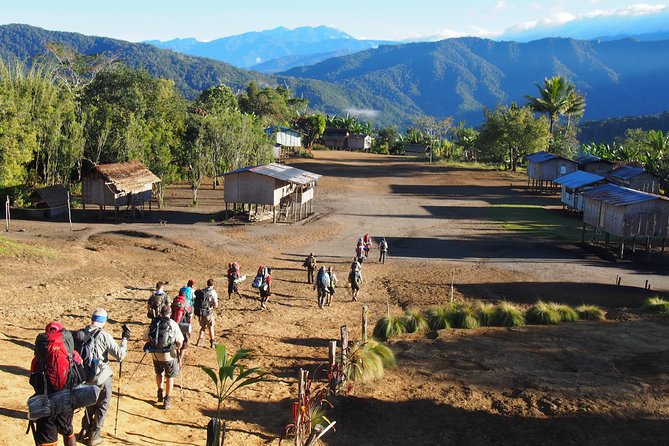
- Isurava Dawn Service at 0430 with PNG guides and carriers, treated as the emotional peak of the walk
- Bombers campsite plus Myola lakes: two nights means real time to explore and inspect the P40 Kittyhawk crash
- Battlefield readings by the trek leaders (including Australian battlefield/historical guidance noted by past walkers)
- Emergency-ready setup with satellite phone, two UHF radios, and a 24-hour rear link to Port Moresby
- You get the hard parts handled: permits, village and trek fees, topographic map, group gear, and even your mosquito-proof tent
Why this Kokoda trek feels premium on the ground
Papua New Guinea doesn’t run on schedules the way some places do. What makes this trek “premium” isn’t luxury comforts—it’s risk management and clarity. You’re walking remote terrain, so the big value is having the structure and support to keep you safe, fed, and moving, while still making the history understandable.
This trip also keeps the group small (up to 15), which matters when you’re on narrow tracks and climbing steep ridgelines. Fewer people means you spend less time stopping for bottlenecks and more time actually taking in the terrain and the stories tied to it.
Finally, you’re not left to guess what you’re paying for. The essentials are bundled: official Kokoda Track Authority trek permit, trek and village campsite fees, vehicle transfers in PNG, group trekking gear, and emergency communications. When you pay this kind of money, that’s the part that should make you feel confident—not just the brochure wording.
You can also read our reviews of more tours and experiences in Port Moresby.
Port Moresby arrival and the early tone-setting days
You start in Port Moresby with an afternoon arrival (around 2:00 pm). From there it’s check-in at Sogeri Lodge, a briefing (around 5:30 pm), and a proper dinner with introductions. That start matters. You want a calm landing day before the first big morning, especially when you’re dealing with humidity and the mental switch from travel mode to “serious walking” mode.
The trip also includes a visit to Bomana War Cemetery. That kind of stop puts Kokoda into a wider frame. It’s not only about the trail itself; it’s about the people whose names are still recorded and remembered.
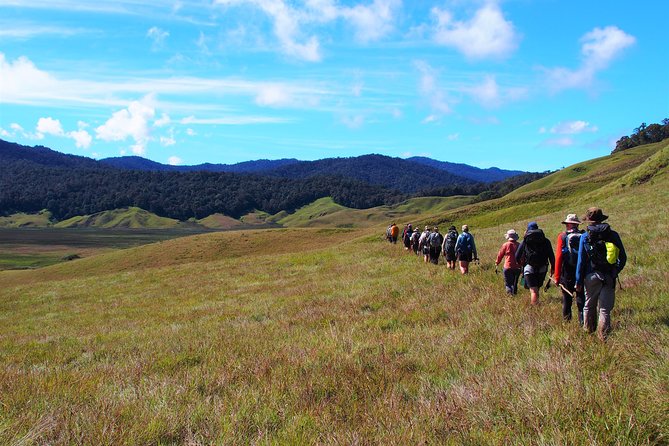
A quick practical note: you should plan on a strong fitness baseline. The schedule includes early starts, steep climbs, and long hiking days on trail that’s rugged by default. This is not a “pretty stroll” trek.
Day 2 on the Kokoda Track: McDonald’s Corner to Owers Corner
Your first walking day begins early with a wake-up around 5:30 am, then breakfast and a drive to key starting points. You’ll go by bus from Sogeri Lodge to McDonald’s Corner, inspect monuments, then continue to Owers Corner.
At Owers Corner you meet the guides and porters and start getting a feel for what kind of day this is going to be: steep sections, rough footing, and terrain that changes quickly as you move from one ridge area to the next. You’ll also inspect a 25-pound artillery gun relocation point. Seeing equipment like that in context helps you understand why artillery and defensive positions mattered so much during the campaign.
The possible drawback here is simple: if you’re arriving tired or undertrained, Day 2 can feel like a fast reality check. The upside is you get the “why” quickly, before you’ve burned the mental energy of the whole trek.
Day 3: Golden Staircase and the climb to Imita Ridge at 860m
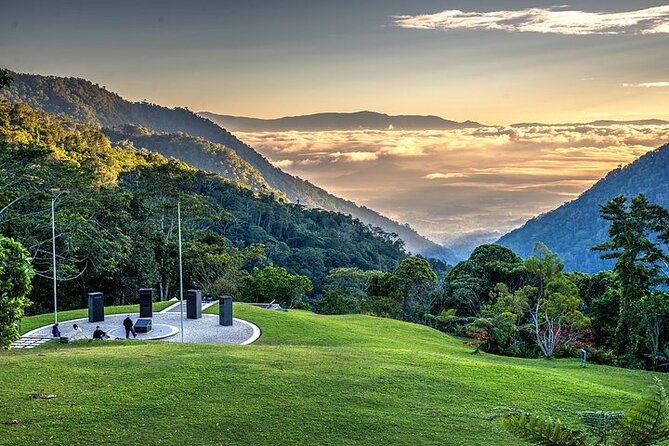
Day 3 follows the wartime trek toward the Golden Staircase and then up to Imita Ridge (860m AMSL). This is one of those sections where you earn views by taking the hard line upward—plus you get a tight battlefield explanation while you’re there.
You’ll inspect weapon pits on the Brigade position with the rock face of fortress Imita. That detail matters because it turns generic “they fought here” statements into something you can picture. When you can see where positions were carved and how the terrain channels movement, the history stops being abstract.
Drawback to consider: this is a “grind” type day. Even if you’re fit, you may feel it in your calves and lower back after repeated climbs and short steep kicks.
Day 4: Mogolonumu on the Maguli Range to Banana Camp (1,335m)
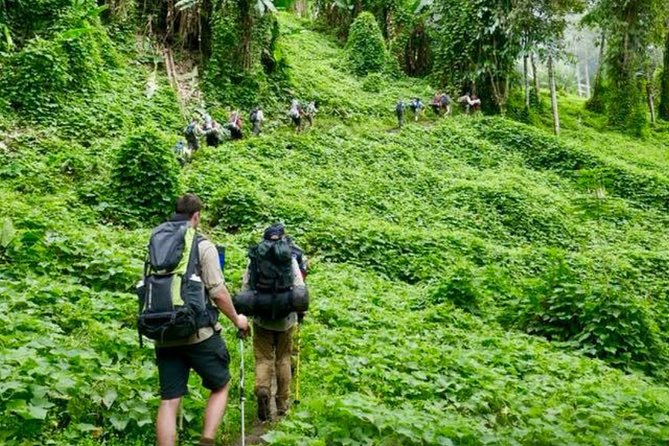
The work continues on Day 4 with a grinding climb to the crest of the Maguli Range, known as Mogolonumu, at 1,335m. The trek also includes false ridges, which sounds like a hiking detail until you realize what it does to your pacing. You think the crest is coming, then it doesn’t—so you slow down, then you repeat the effort.
Breakfast at Banana Camp gives you a break in both energy and focus. After that, you inspect Japanese delaying positions (the briefing connects what you’re seeing to how defenses slowed movement).
What you’re buying here is not just a view. It’s a lesson in how people survive and fight in terrain where distance feels longer than the map suggests.
Day 5: Hehomuri Creek, Nauro Lookout, and Menari Gap
Day 5 heads toward Hehomuri Creek (known as 5 Creeks is referenced in the program notes) at about 760m, then you tackle a sharp climb to Nauro Lookout (1,035m) for a break. Morning tea/food breaks on this kind of trek aren’t just for comfort—they’re for resetting your legs and your attention before the next push.
Then you continue through the area of the Ladavi Saddle toward Menari Gap. You’ll get more briefing connected to the terrain and fighting points as the day progresses.
If you’re prone to rushing, this is the day to slow your rhythm. The biggest failure mode in treks like Kokoda isn’t danger from nowhere—it’s overdoing it early and paying for it late.
Day 6: Efogi 2 Village at Laununumu and the Corporal Nishimura monument
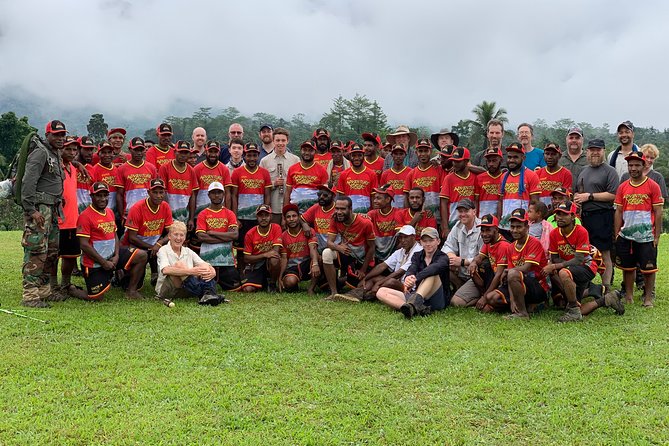
On Day 6 you move down briefly to Kavai Creek (around 1,200m), then climb to Efogi 2 Village, also known as Laununumu (around 1,385m). This is one of the places where the “premium” element shows up in how much attention is given to specific sites, not just the big names.
You’ll inspect a Japanese monument erected by Corporal Nishimura. Standing at a marked site while a leader explains what it represents helps you connect people to place. It’s one thing to hike; it’s another to understand what someone tried to do from exactly where they stood.
The battlesite briefing on the Japanese action connected to the site is part of what makes this trek different from a generic rainforest hike. You’re learning to read the ground.
Day 7: Moss Forest to Lake Myola, plus Bombers campsite and the P40 Kittyhawk
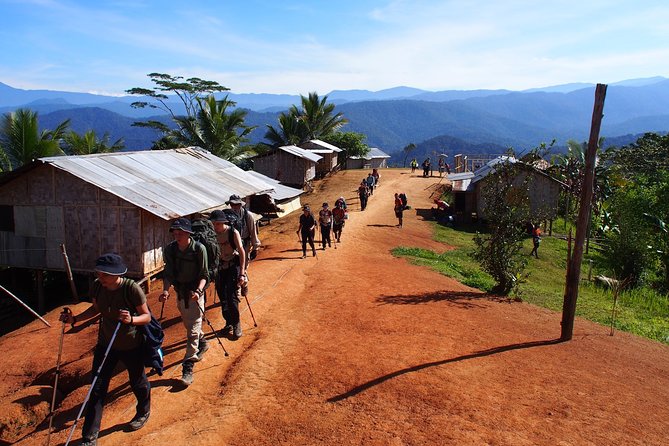
Day 7 is where the trek gives you a rare kind of reward: not just the view, but time to experience it without rushing. You walk through Moss Forest toward Lake Myola 1, then cross to Lake Myola 2—described as a prairie-like landscape in an extinct volcanic crater first discovered by Captain Bert Kienzle.
Then you settle in for the first of two nights at Bombers campsite. Those two nights are a big deal because they let you spend a day exploring both Myola lakes and also inspecting the American P40 Kittyhawk aircraft crash site on the northern edge of the lakes.
After that exploration, you return to Bombers campsite for a late lunch and a make-and-mend afternoon. That’s a wonderfully practical cultural touch: you repair gear, organize what needs fixing, and spend time in quiet, rather than treating the trek like a constant sprint.
This day also tends to feel emotionally lighter than some earlier ridge battles because you get space to breathe and absorb the environment.
Day 8: Captain Kienzle’s cut track, Mt Bellamy junction, and Kokoda Gap (2,190m)
Day 8 keeps the history close while the altitude climbs get serious. You trek via a track cut by Captain Bert Kienzle to the main Mt Bellamy track junction at 2,245m. Then you continue down to Kokoda Gap (2,190m).
You’ll get extensive views down toward the Yodda Valley on the northern side. This is the kind of vista that changes how you understand the campaign. Once you can look down and see how valleys control movement, the whole idea of patrols and supply routes clicks into place.
Practical consideration: long days at altitude can be mentally tiring even when the trail isn’t at your steepest. If you get breathless, don’t fight it—move steadily and let your body adjust.
Day 9: Vagebau Creek tea and the Vabula Ridge delaying position
Day 9 starts with another briefing and a steady rhythm. You trek to Vagebau Creek (around 1,895m) for morning tea. Then it’s a short walk to the crest of Vabula Ridge at about 1,905m, followed by a descent to a delaying defensive position associated with the 2/14th to 2/16th battalions during their fighting against Japanese forces.
This is where the guided historical reading matters most. The terrain can look “just like jungle” unless someone helps you connect it to how forces used ridges, gaps, and cover to slow an advance.
One possible drawback: you may find yourself noticing your footing more than the scenery. That’s normal here. Trust that your leaders will keep bringing your attention back to the right places.
Day 10: Isurava Dawn Service at 0430 and the walk to Isurava Village
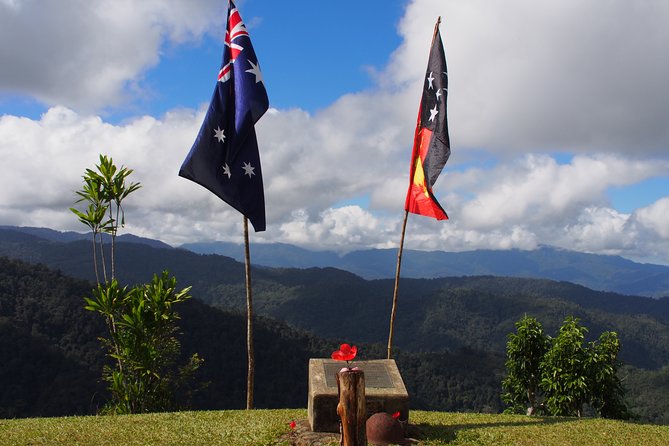
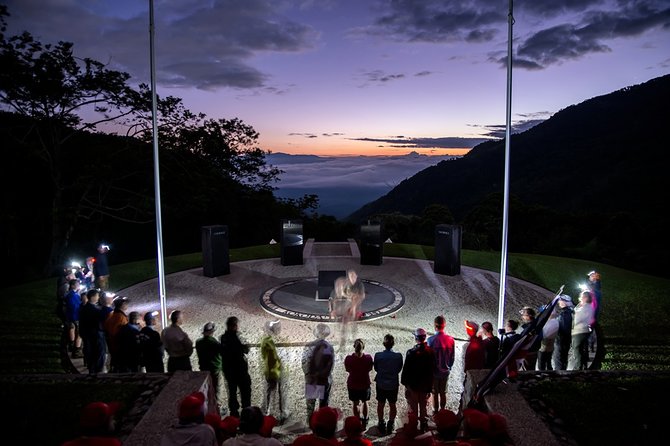
If I had to pick one moment that defines this trek, it’s Day 10 at Isurava. You wake early (around 0430) and then attend the Dawn Service at the Isurava Memorial. The program notes stress that trekkers and PNG guides/carriers are involved, and that the service is regarded as the highlight.
There’s also a wartime briefing on the Battle for Isurava before the walk continues. After the service you trek toward Isurava Village (around 1,360m) via Etume and Ilole creeks, with morning tea, then continue downhill.
This day can hit you in the chest. Not because it’s dramatic, but because it’s quiet and intentional. If you’re booking Kokoda for meaning beyond exercise, this is the part you’ll remember.
Day 11: Hoi to Kokoda (395m), the 39th Militia Battalion plateau, and final monuments
Day 11 continues with a dawn-briefing rhythm (around 0600). You trek from Hoi to Kokoda at about 395m via Kovello. Along the way you inspect the plateau where the 39th Militia Battalion first met the Japanese.
You’ll get a wartime briefing on the two battles for Kokoda and then inspect monuments and memorial points. This last stretch gives you the feeling of completing a line—ending at lower elevation after long ridges, with your understanding of the terrain feeling sharper than on Day 2.
Practical reality: your body may be tired, so keep your pace steady. Don’t race the final day; finish it like you’ve finished the rest—one careful step at a time.
Day 12: returning to Port Moresby and planning your recovery day
On Day 12 you wake again around 0600, then check out (around 9:00 am). You check in at the airport around 11:00 am and the day wraps up after a few hours back in Port Moresby.
This is a good day to plan for recovery: hydrate, stretch, and keep your schedule simple. Your legs will need time after 10 days of sustained hiking plus jungle conditions.
Guides, leadership, and the emergency comms that reduce stress
The tour places a lot of responsibility on leadership, and you can feel that in the included safety net. You get:
- Experienced Koiari trek leader and local carrier team
- An Australian Expedition Leader as your battlefield/historical guide
- A group first aid kit with trained support
- Emergency communications including satellite phone and two UHF radios, plus a 24-hour rear link to Port Moresby
Past walkers specifically praised leaders such as Angelo, Pete, Peter Morisson, and Major Scott Babington for their knowledge and passion. One person noted leaders even shared poems during the battlefield readings. That kind of detail matters because it turns lectures into memory hooks.
Your takeaway: you’re not just paying for someone to lead you forward. You’re paying for someone to manage pacing, safety, and meaning.
Camps, gear, and the “you do the walking, we do the logistics” approach
This trek includes group trekking gear like safety ropes, machetes, shovels, and tarpaulins. Your mosquito protection is also handled in a practical way: each trekker gets a personal mosquito-proof tent, and the guides handle carrying, erecting, and dismantling it for you.
There’s also a 1:50,000 topographic map provided. In a trek where routes follow historic lines, having map literacy helps you feel oriented rather than lost in green.
If you want to reduce load, you can engage a personal carrier and bring a 75L backpack handled as part of that arrangement. If you don’t, you’ll carry your own personal items, which is why personal packing matters.
Food on the trail: what’s included, and what to expect realistically
Meals on the trail are described as fresh, hygienically prepared, cooked, and served by the PNG boss cook. Breakfast and dinner are also included on multiple days, plus lunches on trek days.
Still, food quality is personal. One concern that has come up in feedback is that it didn’t always match expectations set by the marketing. I’d interpret that as: expect filling and functional meals, not fine dining.
The make-and-mend afternoon at Moss Forest is a nice reminder that food and gear go together. If something needs patching, you’ll have time to fix it rather than worrying about it all day.
Price and value of a $3,443 premium campaign trek
At $3,443, this is not a budget trek. The value case is strongest if you’re looking at the full package and asking what you’d have to rebuild yourself: permits, village and campsite fees, local transport, an experienced leader team, emergency communications, and the charter travel between Port Moresby and Kokoda.
This trek includes:
- Official Kokoda Track Authority permit
- All trek and village campsite fees
- All vehicle transfers in PNG
- Private charter flight between Port Moresby and Kokoda
- Pre and post-trek twin-share accommodation and meals
- Kokoda certificate of achievement
- Emergency comms and group first aid
- Group gear + your mosquito-proof tent
So the price is partly buying time and expertise, not just the hike. If you want a guided, supported campaign trek that treats history seriously and keeps safety systems active, that money starts to make sense.
If you’re the type who wants total independence and you’re comfortable arranging permits, logistics, and safety separately, this kind of bundled premium will feel expensive. For most people, it’s a relief.
Who should book this Kokoda trek (and who might not love it)
This suits you best if you:
- Have strong physical fitness and are ready for early starts and steep days
- Want battlefield sites connected to specific terrain features
- Appreciate small groups (up to 15) and structured leadership
- Care about the emotional weight of Isurava Dawn Service
You might reconsider if you:
- Get irritated by the reality of remote trek days and want a more relaxed pace
- Are very sensitive to food taste or meal variety
- Prefer self-directed travel without daily briefings and guided explanations
Should you book Adventure Kokoda?
I’d say book it if you want Kokoda as a guided campaign experience, not just a hike in the rainforest. The combination of Isurava Dawn Service, two nights at Bombers campsite, and high-touch leadership (with leaders like Angelo, Pete, Peter Morisson, and Major Scott Babington cited for their roles) is exactly what makes this stand out.
Don’t book it if you’re chasing comfort-first travel. This trek’s premium feel comes from logistics, safety, and meaning—not cushy accommodations or flexible day-by-day wandering.
FAQ
How long is the Kokoda campaign trek?
The program runs for about 12 days total, including the 10-day premium Kokoda campaign trek.
What’s the maximum group size?
The group size is capped at 15 travelers.
Is the Isurava Dawn Service included?
Yes. The trek includes the Dawn Service at the Isurava Memorial as part of the experience.
What’s included for safety and emergency communication?
You get a group first aid kit and emergency communications, including a satellite phone, two UHF radios, and a 24-hour rear link to Port Moresby.
Are meals included?
Yes. The trip includes fresh meals on the trail (prepared and cooked hygienically by the PNG boss cook), plus breakfasts and dinners and lunches on trek days, as listed in the inclusions.
Do I need to bring my own mosquito tent?
No. You’re provided a personal mosquito-proof tent, and the guides handle carrying, erecting, and dismantling it.