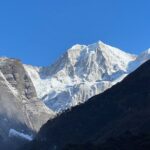
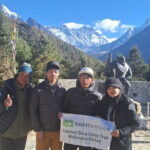
Everest Base Camp in 16 days feels unreal. You start in Kathmandu, fly to Lukla, trek through Sherpa villages and monasteries, then reach Everest Base Camp and finish with the early climb to Kalapatthar for sunrise.
I like how this trip is built for real-world logistics, not just pictures. The team’s organization and friendly support come through in past experiences, with names like Dinesh, Procas, Praksh Giri, Raju, Sushil, and Dipesh showing up again and again for caring guidance and smooth handling. I also like that you’re not left guessing: you get hotel pickup and clear pacing with acclimatization days.
One drawback to plan around is timing around flights. There’s an explicit heads-up that Lukla flights may depart and return from Ramechhap Manthali instead of Kathmandu during upgrades, with about a 4 to 5 hour drive and a very early start around 2:30 am, plus wind can affect late-morning flights home.
In This Review
- Key things that make this trek worth your time
- Everest Base Camp Trek: More Than a Hike to the Highest Mountain
- Price and What $1,600 Buys You in Real Terms
- Kathmandu Setup Days: Getting Oriented in Thamel and Beyond
- The Lukla Flight Reality Check: Why Timing Needs Backup Plans
- Namche Bazaar to Tengboche: Sherpa Settlements, River Crossings, and Monastery Air
- The Middle Days: Dingboche, Chukkung Valley, and the Long Look at the High Country
- Everest Base Camp Day: Reaching the Goal and Staying Steady
- Kalapatthar Sunrise: The Early Climb That People Remember
- The Return Route: Tengboche, Kyanjuma, Khumjung, and Hillary School
- Flight Home from Lukla: Wind Matters, So Plan for Early
- Guides and Organization: Why Safety and Comfort Keep Coming Up
- Who This Trek Fits Best (and Who Should Rethink It)
- Should You Book This Everest Base Camp Trek?
- FAQ
- How many days is the Everest Base Camp trek?
- Where does the tour start in Nepal?
- Is hotel pickup included?
- What meals are included during the trek?
- Do I need permits for the Sagarmatha National Park route?
- What happens if flights to Lukla change due to airport upgrades?
- How early do you wake up for Kalapatthar?
- Is the tour private?
- What is not included in the price?
- Meta Description: 16-day Everest Base Camp trek from Kathmandu to Lukla, with permits, lodges, guides, and Kalapatthar sunrise views. Private group.
Key things that make this trek worth your time
- Lukla to Phakding to Namche gives you a gentle start before the steep stuff
- Sagarmatha National Park permit check at Monjo keeps things official and straightforward
- Kalapatthar sunrise is the big payoff after early mornings and steady hiking
- Tengboche monastery and other Buddhist sites add meaning beyond the altitude
- Hillary School in Khumjung turns the return route into something memorable
Everest Base Camp Trek: More Than a Hike to the Highest Mountain
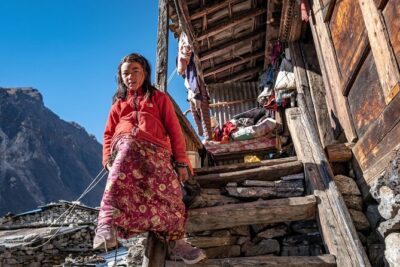
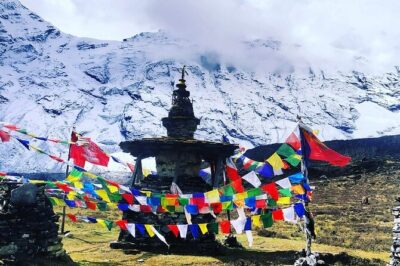
This isn’t only a trek to a dot on a map. It’s a route that connects high Himalayan scenery with Buddhist life in the Everest region, where monasteries aren’t side quests—they’re part of the daily rhythm. As you move through the Sherpa settlements, you’ll repeatedly see how faith and mountain living mesh, especially around places like Tengboche and the Khumjung area later on.
The itinerary also keeps you moving at a human pace. You get a true acclimatization day in Namche Bazaar, then you head higher with purpose. That matters because the Everest region is not forgiving if you rush. The plan builds in rest options too, like the flexible day where you can go to Chukkung Valley or simply recover at your lodge.
You can also read our reviews of more tours and experiences in Kathmandu.
Price and What $1,600 Buys You in Real Terms
At $1,600 per person for about 16 days, the value comes from what’s bundled in, not from the headline number. Here’s what you’re paying for that usually costs extra if you piece things together:
- Accommodation along the route, matched to the itinerary days
- Meals as listed (breakfast, lunch, and dinner)
- Driver/guide support plus coordination throughout the trek
- Hotel pickup and hotel pickup and drop-off in Kathmandu
- All taxes, fees and handling charges
That combination is the difference between a trek that feels stressful and one that feels like a plan you can trust. Also, it’s a private tour/activity, so it’s only your group. That can make a big difference for pacing, comfort, and how quickly questions get answered.
What’s not included is clearly spelled out: alcoholic drinks and souvenir photos you might want to buy. If you know you’ll want either, budget separately so your trek budget doesn’t get eaten by surprise extras.
Kathmandu Setup Days: Getting Oriented in Thamel and Beyond
Your journey starts in Kathmandu with an airport arrival pickup at Tribhuvan International Airport. After you’re received, you’re transferred to a hotel where you can rest and reset. This day-one buffer is helpful. Nepal travel can be jumpy—jet lag and airport nerves are real—and you’ll hike soon enough.
Day 2 is your adjustment day. You’ll check in at the office briefly so the trek plan is on your radar. If you need trekking gear, you can head into Thamel to shop. Thamel is where most visitors go for essentials, so it’s a practical place to fix gear issues early instead of scrambling while you’re already on trail.
You’ll also have a chance for an easy cultural unwind: a walk in the evening for food and sights. There’s also an optional half-day Kathmandu Valley sightseeing tour, which is a good use of time if you want to see a bit more without stealing rest from your trek.
The Lukla Flight Reality Check: Why Timing Needs Backup Plans
Day 3 is the turning point. You fly early in the morning to avoid bad weather, then land at Lukla Airport and start walking toward Phakding. This is short on paper—about a 35 to 40 minute flight—but it’s huge in feeling. The minute you step out, the mountains look closer and the air changes.
One important note you should take seriously: Lukla flights might be rerouted. During ongoing upgrades at Kathmandu airport, departures and returns to Lukla can switch to Ramechhap Manthali. That means about a 4 to 5 hour drive from Kathmandu, and the plan says you’ll start for the airport around 2:30 am. On the way back, expect a similar early-drive situation.
So, what should you do with this info? Treat the flight day as a flexibility day. Pack calmly, sleep when you can, and keep your mornings simple. You’ll still want to enjoy the ride, but you don’t want your whole day hinging on a late start.
Namche Bazaar to Tengboche: Sherpa Settlements, River Crossings, and Monastery Air
Once you reach the trail system, the trek starts feeling like it has rhythm. On day 4, you head toward Monjo, where your permits are checked at the Sagarmatha National Park authorized office. This is where the trip turns from travel into a sanctioned adventure. After that you walk through deep woods and Sherpa settlements, with the Dudhkoshi River in your mind as the valley shapes what’s ahead.
You finish day 4 by ascending to Namche Bazaar. Namche isn’t just a stop—it’s a base for acclimatization and a place to feel the “real” Everest region community. In the evening, you can take a short walk around the city area if you like.
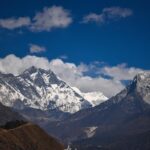
Day 5 is your acclimatization day, and it’s built around views and altitude management. You hike up to Hotel Everest Viewpoint for pictures and a sunrise moment. From there, you can see Mt. Everest and many surrounding summits, then you move on toward Khumjung village. If you want more monastery time, you can walk toward Thame Monastery in the same general area.
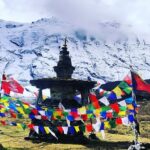
Day 6 keeps the focus on the mountains, especially Amadablam. You’ll spot mules and yaks carrying supplies as you follow a trail that includes a flatter stretch and then a descent to the riverside. After crossing the river, you climb up to Tengboche. The centerpiece is the Tengbouche monastery, which gives this day extra meaning. This is one of those moments where the scenery and the culture feel linked, not separate.
The Middle Days: Dingboche, Chukkung Valley, and the Long Look at the High Country
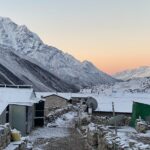
As you move deeper into the route, the days start to feel more spread out—in a good way. Day 7 brings more big views of Amadablam and takes you through the kind of deep forest that makes you slow down and look around. You cross the Dindboche Khola, then arrive at Dingboche, where the town vibe is quieter and more focused on rest and recovery.
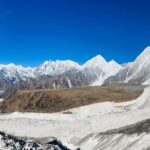
Day 8 is a fork in the road. You can simply relax at your lodge, or you can hike to Chukkung Valley after breakfast. That hike takes about 2 to 3 hours, with lunch at the valley and then a return to Dingboche for overnight. From Chukkung Valley, the views of high Himalayan peaks like Island Peak and other giants are part of the reward, and you’ll feel how close you are to the serious altitude zone.
Day 9 moves you to Lobuche. The route crosses ridges and passes through alpine bushes and dry, open areas. You’ll also pass the Sherpa people’s graveyard, which hits you in a quieter, more personal way. Lobuche sits by the riverside, so it keeps the trek grounded even as the altitude rises.
Everest Base Camp Day: Reaching the Goal and Staying Steady
Day 10 is the big push. You start by trekking to Gorekshep, the town below Kalapatthar, and stop for lunch. Then you continue on to Everest Base Camp.
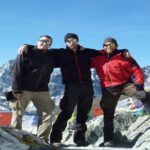
This is where the trek turns emotional for a lot of people: your footsteps finally reach the base camp of the highest peak. It’s also where you’ll want to keep your energy under control. Celebrating is great, but don’t turn it into a sprint. You still have to walk back to Gorekshep for overnight.
Kalapatthar Sunrise: The Early Climb That People Remember
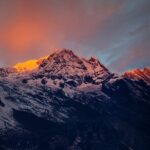
Day 11 begins before sunrise. You rise between 4:30 and 5:00 am and climb Kalapatthar, then wait for sunrise. This is one of those “this is why we booked” moments. You’re surrounded by other trekkers with cameras, and the entire setting snaps into focus as the light hits the peaks.
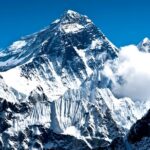
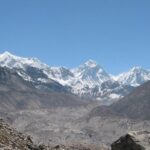
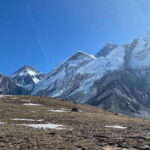
You’ll see Mt. Everest, plus Pumori, Nupse, Lhotse, and other surrounding giants. The views are the obvious highlight. The less obvious part is the way the morning forces patience—standing, waiting, and letting the mountain do the talking.
After sunrise and photos, you hike down to Gorekshep for breakfast, then continue trekking toward Periche via Lobuche.
The Return Route: Tengboche, Kyanjuma, Khumjung, and Hillary School
Heading back doesn’t feel like repetition if you pay attention. Day 12 moves downhill toward Kyanjuma, passing via Tengboche. After you cross the bridge, the trail branches in different directions toward Namche, Khumjung village, or Gokyo-style options, and you follow the route that takes you to Kyanjuma.
The day includes walks through rhododendron areas and time with big mountain views like Twache, Thamserku, and Amadablam along the way. It’s a reminder that this region isn’t only rock and ice—it has living variety even at high altitude.
Day 13 is one of the most meaningful days on the return. You ascend to Khumjung, visit Hillary School (built by Sir Edmund Hillary), and then visit K hunde village before trekking back down toward Namche. After that, you head to Monjo via Namche Bazaar for overnight in a local lodge.
Day 14 is your last hiking day to Lukla. You pass Phakding and then ascend up to Lukla town. You can walk around town and near the airport in the evening, and it feels like a celebratory decompression—still moving, but with the end clearly in sight.
Flight Home from Lukla: Wind Matters, So Plan for Early
Day 15 is all about getting back to Kathmandu smoothly. You board in the early morning because the plan notes that wind may disturb flights later in the day. Once you land in Kathmandu, you transfer to your hotel, refresh, and you’re free to shop or do other activities.
That evening includes a farewell dinner, which is a nice way to close the loop after days of simple routines.
Day 16 is departure day. You’re dropped at Kathmandu airport so you can catch your international flight.
Guides and Organization: Why Safety and Comfort Keep Coming Up
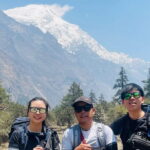
The most praised part of this trekking style is the human one: guides who treat your safety like a job, not an afterthought. In past experiences tied to this trek, names like Dinesh, Procas, Praksh Giri, Sushil, and Raju appear repeatedly in connection with friendly support, patience, and caring for wellbeing during altitude situations. That’s the kind of guidance that makes a difference when you’re tired, unsure, or just running low on motivation.
Another repeated theme is smooth coordination. One trek experience specifically called out that they had taxi support from hotel to the flight, which matters when you’re dealing with early departures and tight timing. Even if your exact transfer details vary day to day, it’s a good sign that the team understands you’re not just buying a guide—you’re buying reduced stress.
If you want to maximize your odds of a great experience, ask your organizer ahead of time how your group will be handled on the flight days—especially if there’s any rerouting to Ramechhap. Clear answers reduce the mental load.
Who This Trek Fits Best (and Who Should Rethink It)
This trek is described as possible for most travelers and also as private, meaning you won’t be stuck in a huge mixed group if you prefer your own pace.
You’ll likely love it if you want:
- a structured route with acclimatization built in
- culture stops that matter, like Tengboche monastery and Hillary School
- a clear rhythm of hiking days with lodge nights
- a guide team that’s praised for caring and organization
You should think twice if you strongly dislike early mornings and long travel days tied to flights. Between the early start on rerouted flight logistics and the very early Kalapatthar climb, this trek runs on a schedule that’s not designed for late sleepers.
Should You Book This Everest Base Camp Trek?
I’d book it if you want a straightforward path to Everest Base Camp with meaningful spiritual stops and a team that shows up for safety and comfort. The route has obvious highlights—Namche acclimatization, Tengboche monastery, Kalapatthar sunrise, and the Hillary School visit—but it also has practical structure that helps you keep going when the day gets long.
I’d hesitate only if you’re deeply uncomfortable with flight variability. The explicit note about Ramechhap rerouting during Kathmandu upgrades is a real factor, and wind can affect flights home. If you can roll with early mornings and schedule changes, this trek can feel like one continuous win.
If you want the best odds, confirm your flight pickup plan early, especially for the days tied to Lukla departures/returns, and be ready to keep mornings simple.
FAQ
How many days is the Everest Base Camp trek?
The trek is listed as about 16 days.
Where does the tour start in Nepal?
It starts in Kathmandu. You arrive at Tribhuvan International Airport, then get a transfer to the hotel.
Is hotel pickup included?
Yes. Hotel pickup is included, along with hotel pickup and drop-off.
What meals are included during the trek?
Meals are included as per the itinerary, with breakfast, lunch, and dinner listed.
Do I need permits for the Sagarmatha National Park route?
Yes. Your permits are checked at Monjo at the Sagarmatha National Park authorized office.
What happens if flights to Lukla change due to airport upgrades?
There is an important notice that Lukla flight departures and returns may be rerouted to Ramechhap Manthali due to upgrades at Kathmandu airport. The drive from Kathmandu is about 4 to 5 hours, and the start is around 2:30 am.
How early do you wake up for Kalapatthar?
You rise between 4:30 and 5:00 am to climb Kalapatthar and wait for sunrise.
Is the tour private?
Yes. It’s described as a private tour/activity, meaning only your group participates.
What is not included in the price?
Alcoholic drinks and souvenir photos are not included.