REVIEW · KATHMANDU
Annapurna Circuit Trek
Book on Viator →Operated by Ace the Himalaya · Bookable on Viator
Big days, big passes, small-team pace. This Annapurna Circuit Trek links Kathmandu temples and Pokhara downtime to serious high-mountain hiking, all run by Ace the Himalaya with a small group (up to 15). I like the built-in structure here: airport pickup, transport between trailheads, and a licensed English-speaking guide so you spend less time figuring things out.
My favorite parts are the trekking rest rhythms and the way the itinerary manages altitude. You get a true recovery day in Tatopani at the hot springs, plus an acclimatization day in Manang that includes walks and a visit to a monastery and Gangapurna Glacier Lake. One caution: the Thorong La crossing day starts before sunrise and can be affected by winds and snow, so you’ll want to be flexible about weather.
In This Review
- Key highlights I think you’ll feel fast
- Kathmandu temples first: Pashupatinath, Boudhanath, and Bhaktapur on rails
- From Kathmandu to the trail: the bus to Besisahar and that first river walk
- Chame to Upper Pisang: building views without burning your legs
- Manang acclimatization: monasteries, glacier lake walks, and a calmer pace
- Higher than before: Yak Kharka, Thorong Phedi, and preparing for a pass
- Thorong La crossing: early start, wind risk, and Muktinath’s stop
- Down into Mustang-side dryness: Jomsom, Kali Gandaki, and Kopchepani
- Tatopani hot springs: the rest you actually need
- Ghorepani and Poon Hill: sunrise hiking and rhododendron walking to Tikhedhunga
- Pokhara unwind: temples, Devi’s Fall, Gupteshwor Cave, and the Seti River Gorge
- Kathmandu wrap-up: a final dinner with cultural performances
- Price and logistics: where your $2,240 goes and what you still need
- Who should book this Annapurna Circuit Trek with Ace the Himalaya
- Should you book this Annapurna Circuit Trek?
- FAQ
- What is the duration of this Annapurna Circuit Trek?
- Where does the tour start and end?
- What time does the tour start?
- How large is the group?
- What permits and trek documents are included?
- What gear is provided for the trek?
- What kind of accommodation do you get during the trek and in the cities?
- What transport is included during the route?
- Are meals included throughout the trip?
- Is travel insurance required?
- What happens if the trek can’t run due to weather?
Key highlights I think you’ll feel fast
- Small group (max 15): easier pacing and less crowding during the trek.
- Real acclimatization in Manang: a full day for monastery time and a glacier lake walk.
- Thorong La pass day: early start to reduce weather risk, with views rewarded after the climb.
- Tatopani hot springs reset: two days to soak, shower, and calm your legs.
- Driver support between regions: public bus, shared 4WD segments, and a tourist bus to connect everything.
Kathmandu temples first: Pashupatinath, Boudhanath, and Bhaktapur on rails
You start in Kathmandu, and Day 1 is all about getting settled with pickup at Tribhuvan International Airport and a private tourist vehicle to your hotel. It’s a smart start if this is your first time in Nepal, because you get orientation fast instead of fumbling for transportation.
Day 2 is where you get cultural context quickly. You’ll visit Pashupatinath Temple on the Bagmati River (you can’t go inside, but you’ll see the activity clearly from the eastern bank). Then it’s on to Boudhanath Stupa, a key Buddhist site where pilgrims spin prayer wheels and you get that steady rhythm of daily devotion. Finally, there’s Bhaktapur Durbar Square, with its palace-quarter sights like Nyatapola in pagoda style and the famous Palace of 55 windows. It’s a compact best-of Kathmandu day, and it helps you understand what you’re walking through later—Nepal’s spiritual sites aren’t separate from daily life.
A detail I appreciate: you’ll have a pre-trek meeting either on Day 1 or Day 2 in Ace the Himalaya’s office. That’s where you meet your trek leader/guide, clear any remaining balance if needed, and handle paperwork. You’re asked to bring your passport, three passport-size photos, and a readable copy of your travel insurance policy. For many people, that’s the difference between a smooth trek start and a messy one.
You can also read our reviews of more tours and experiences in Kathmandu.
From Kathmandu to the trail: the bus to Besisahar and that first river walk
On Day 3, you switch from city to trail logistics. The day begins with a public bus from Kathmandu to Besisahar (about 6 hours), then a shared 4WD to Syange (about 2 hours). It’s not private comfort all the way, but it’s part of the value here: you’re using the same kinds of routes locals use, not paying for a fully private chain.
Day 4 starts the hiking rhythm. You’ll walk gradually along the Marsyangdi River, slightly ascending, with waterfalls along the way. You end in Tal. This is a good “warm-up” day in the overall plan—enough time on your feet to get used to altitude pacing, but not the kind of punishing trek that jumps too quickly into high elevations.
Day 5 keeps you moving and changes the scenery focus. You leave the Marsyangdi River behind and continue through villages like Danakyu, with chances to photograph mountains such as Annapurna II and Pisang Peak. This is also where older village life shows up more clearly because the trekking corridor connects communities, not just viewpoints.
Chame to Upper Pisang: building views without burning your legs
Day 6 is an easy day by trek standards, reaching Chame (about 4 hours of walking). Chame is the Manang district HQ, so it tends to feel a bit more developed than the smaller stops earlier on. If you’re the kind of person who likes a predictable town setup—cafes, guesthouse choice, and a clearer village center—this helps.
Day 7 brings the Upper Pisang payoff. You trek through dense forest and alongside the Marsyangdi River for panoramic moments and meadow views. A standout sight described on this leg is the Paungda Dada rock face, curved like a bowl. You arrive in Upper Pisang and get big south-facing views of Annapurna II.
Day 8 ups the altitude theme. You wake early to watch sunrise with first rays on Annapurna II, then trek to Ngawal. The trail climbs about 400 meters higher than the lower option, and you’ll be rewarded with high-altitude flora and fauna opportunities plus gorges and peak views. This is the kind of day where moving steadily matters more than sprinting for photos.
Manang acclimatization: monasteries, glacier lake walks, and a calmer pace
Day 9 continues to Manang through big hills, jungle edges, and wetlands. You also pass stupas and even a lama school area, which gives the day a “you’re not just walking through nature” feeling.
Day 10 is a true acclimatization day in Manang. You’ll do some walks and sightseeing, visiting a monastery, then going to Gangapurna Glacier Lake during the day. The key benefit here is timing: a full day at the right elevation before you push higher reduces stress on your body and helps you arrive at the later stages with more energy.
In the reviews I saw, one theme keeps showing up: guides who take acclimatization seriously help people feel safe and prepared. Past group leaders include names like Madan, Ram, Ganesh Khanal, Janardthan (Janu), and Nimesh. I can’t promise which person you’ll get, but the pattern is consistent: strong guidance around pacing and altitude readiness is part of what people credit most.
Higher than before: Yak Kharka, Thorong Phedi, and preparing for a pass
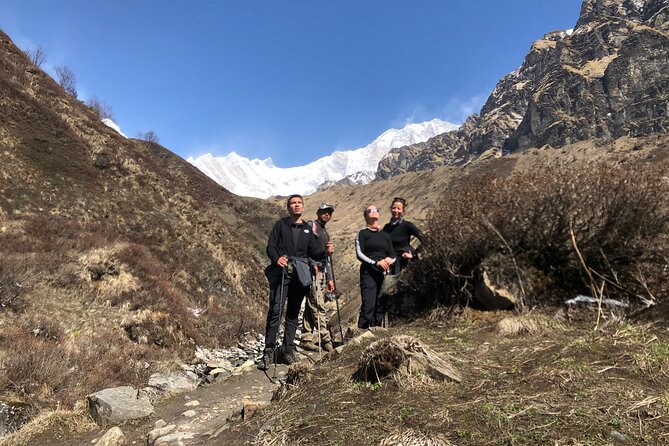
Day 11 takes you to Yak Kharka, ascending by about 500 meters to around 4,000 meters. You’ll notice the change as yaks appear and vegetation thins out. This isn’t just scenery—it’s your body feeling the altitude, too.
Day 12 pushes toward the pass corridor. After a two-hour ascent and a river crossing around 4,310 meters, you climb to Thorong Phedi at about 4,450 meters. Guesthouses exist here, which means you’re not camping in the dark. Still, it’s the kind of night where you’ll want to follow your guide’s advice on rest, hydration, and early timing.
Thorong La crossing: early start, wind risk, and Muktinath’s stop
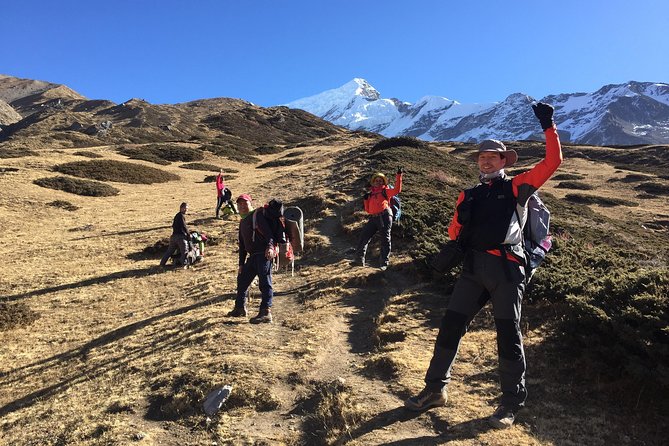
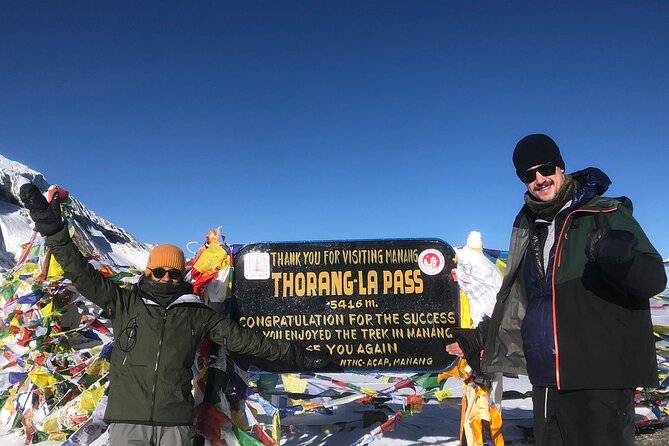
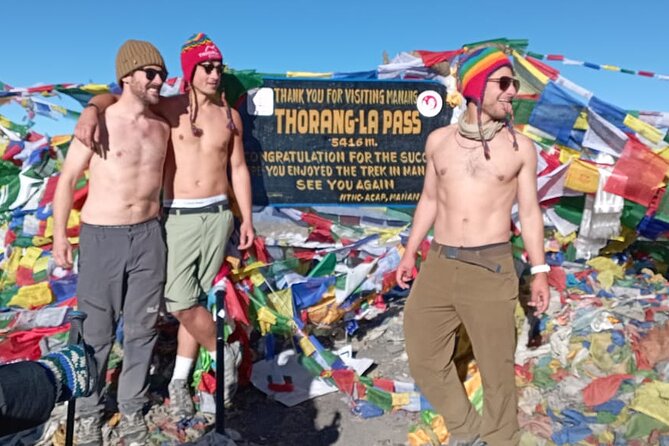
Day 13 is the big one: Thorong La Pass. You start around 4:00 am and aim to reach the pass by roughly 9–10 am. The itinerary specifically warns that strong winds can affect the journey, and if the pass is covered by heavy snow, people may have trouble crossing. That’s not fear-mongering; it’s basic mountain math.
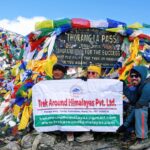
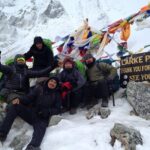
Once you reach the pass marked by chortens and prayer flags, you’re rewarded with stunning views from the top. After that, you hike about another four hours to Muktinath, described as a holy town and known for the meaning of its name.
This is also where the guidance quality matters most. In the feedback I read, people repeatedly praised guides for helping with acclimatization and safety planning for Thorong La, with names like Ganesh Khanal and Nimesh frequently cited alongside attentive porters. If you tend to get anxious in cold, windy conditions, I’d treat that as a major selection factor when choosing this trek.
Down into Mustang-side dryness: Jomsom, Kali Gandaki, and Kopchepani
Day 14 brings a change in terrain. You’re on the other side of Thorong La, and much of what you see is dry—described as almost desert-like. The trekking continues along the Kali Gandaki River, mostly descending. There are closer views of stupas and older traditional houses that point to Mustang district culture and settlement patterns.
You reach Jomsom, which is a larger town with more facilities and described as the official town for Mustang district offices. Even if you don’t plan to shop much, that means the logistics tend to be easier here—breakfast options, guesthouse choice, and clearer planning for the next transfer.
Day 15 is still descending along the Kali Gandaki Valley, with a special mention of Kopchepani, described as the world’s deepest gorge. Then you get to Tatopani, famous for hot springs and a perfect place for physical recovery after the pass days.
Tatopani hot springs: the rest you actually need
Day 15 and Day 16 are both centered on Tatopani. Day 15 positions it as the best spot to relax your body after a long trek, and Day 16 adds the practical side: you can shower and dip into natural hot springs, plus enjoy local food and drinks (drinks aren’t included, so budget for what you choose).
Two nights here is a gift. The circuit is long, and your legs will want this pause. It’s also a morale booster: you’ll likely be tired of steep climbs, and these days let you “reset” before the final push back toward higher viewpoints like Poon Hill.
Ghorepani and Poon Hill: sunrise hiking and rhododendron walking to Tikhedhunga
Day 17 takes you from Tatopani up to Ghorepani. The walking time is about 7 hours, including a climb of around 1,620 meters. You’ll get views toward Annapurna South, Himchuli, and Tukuche Himal. The trail passes Magar and Gurung villages, which adds human detail along the route instead of feeling purely mountain-only.
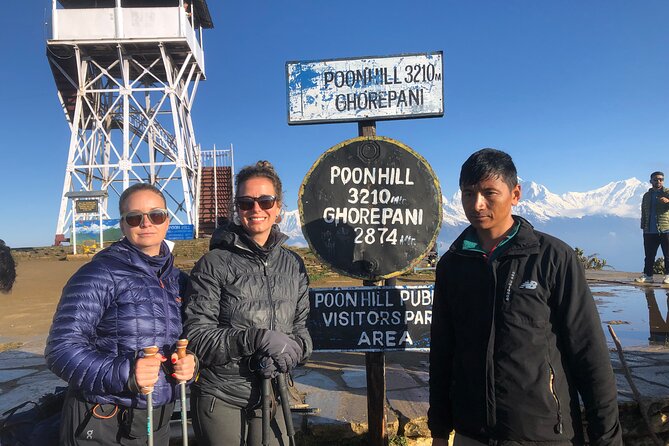
Day 18 starts early with a walk to Poon Hill at about 3,210 meters. The big payoff is sunrise views over the Himalayas, weather permitting. After spending about an hour there, you return for a hot breakfast and continue trekking down toward Tikhedhunga along ridges and through rhododendron forests.
This is the kind of day where timing matters more than speed. You’re chasing morning light, so your guide’s pacing and the group’s early departure plan affect whether the view feels magical or just rushed.
Pokhara unwind: temples, Devi’s Fall, Gupteshwor Cave, and the Seti River Gorge
Day 19 is a transition day. After light trekking to Nayapul (around 1,010 meters), you drive about an hour to Pokhara. This is your shift from trekking-only time to more relaxed sightseeing.
Day 20 is packed but still manageable because it’s spread across several short stops in Pokhara:
- Shree Bindhyabasini Temple in the religious old bazaar area
- Devi’s Fall (also known locally as Patale Chhango)
- Gupteshwor Mahadev Cave, about 3 km long with some crawl-through passages
- Seti River Gorge, carved by the Seti Gandaki River, viewed from bridges in the area
- Tibetan Refugee Camp area (Tashi Ling) known for woolen carpets and handicrafts
The mix here is useful. It gives you the chance to see cave geography, river carving, local devotional spaces, and human-made craft work without adding more altitude stress. It also helps you decompress mentally before returning to Kathmandu.
Kathmandu wrap-up: a final dinner with cultural performances
On Day 21, you drive back to Kathmandu in the morning. In the evening you get a farewell dinner at a traditional Nepalese restaurant with cultural performances. This is a nice period of closure, especially on a trek that can feel nonstop from the first day bus to the final steps of Poon Hill.
Day 22 ends with your drop-off at Tribhuvan International Airport, so you can fly out the same day.
Price and logistics: where your $2,240 goes and what you still need
This tour costs $2,240 per person and is priced like an organized, guided trek with a lot of included logistics. The value isn’t just the guide—it’s the full chain: airport transfers, Kathmandu and Pokhara hotels (3 nights in Kathmandu and 2 nights in Pokhara), trekking guesthouses (16 nights) with twin-share/dorm rooms, permits, and a porter system.
Here’s what you’re getting that reduces your guesswork:
- Licensed English-speaking trekking guide
- 1 porter for two clients
- ACAP and TIMS permits for trekking
- Down jacket and sleeping bag for the trek (to be returned)
- Airport transfers, and transport between major stages (public bus, shared 4WD, tourist vehicle, tourist bus)
- Most meals: breakfast is listed for 21 days, with dinners and lunches included on many days
- Sightseeing entrance fees in Kathmandu and Pokhara
- A free Ace the Himalaya duffel/kit bag and sun hat
What you should plan for beyond the price:
- Travel insurance that covers emergency high-altitude rescue/evacuation (explicitly not included)
- Your own personal trekking equipment
- Alcoholic and non-basic drinks
- Tips for trekking staff and driver (tipping is expected)
- Lunch and dinner in Kathmandu and Pokhara aren’t included
One practical note: guesthouses are twin-share and dormitory style on the trek. If you want private rooms, you may find that hard to control. If you’re okay sharing and want to keep the trip moving, this format usually works well.
Who should book this Annapurna Circuit Trek with Ace the Himalaya
This trip fits best if you:
- Want a guided Annapurna Circuit Trek that still includes Kathmandu and Pokhara sightseeing
- Prefer a small group size (maximum 15) over a huge crowd
- Are comfortable with day-to-day travel logistics (bus, shared 4WD, and internal transfers)
- Have moderate physical fitness and are okay with early starts, especially around Thorong La
It might not be ideal if you:
- Hate cold-weather uncertainty (the pass day is sensitive to wind and snow)
- Strongly require private rooms every night
- Are short on money for personal gear and tips
Should you book this Annapurna Circuit Trek?
If your goal is a full Annapurna Circuit experience with real structure—permits handled, transport connected, guide support for altitude, and meaningful recovery time in Tatopani—this is a solid choice. The recurring praise for guides like Aamod, Madan, Ram, Ganesh Khanal, Janu, and Nimesh also suggests that how the trek is managed matters here, not just where you hike.
I’d book it if you’re willing to play the weather and altitude game: start early, follow guidance on pacing, and pack smart for cold conditions. I’d hesitate only if you need private lodging, hate group trekking, or don’t have proper high-altitude insurance.
FAQ
What is the duration of this Annapurna Circuit Trek?
The trek is listed as 22 days (approx.).
Where does the tour start and end?
It starts at Tribhuvan International Airport in Kathmandu, Nepal, and ends back at the same meeting point.
What time does the tour start?
Start time is 8:00 am.
How large is the group?
The maximum group size is 15 travelers.
What permits and trek documents are included?
The tour includes ACAP and TIMS permits for trekking.
What gear is provided for the trek?
A down jacket and a sleeping bag are included for the trek, and you return them after the trek.
What kind of accommodation do you get during the trek and in the cities?
In Kathmandu and Pokhara, you get twin-share/double rooms in three-star hotels. During the trek you’ll stay in guesthouses in twin-share and dormitory rooms for 16 nights.
What transport is included during the route?
You take a public bus from Kathmandu to Besisahar, shared 4WD from Besisahar to Syange and from Jomsom to Tatopani, a tourist vehicle from Nayapul to Pokhara, and a tourist bus from Pokhara to Kathmandu.
Are meals included throughout the trip?
Breakfast is included for 21 days, and dinners (17) and lunches (16) are included on many trekking days. Lunch and dinner in Kathmandu and Pokhara are not included.
Is travel insurance required?
Travel insurance is not included, and the pre-trek meeting asks for a readable copy of your travel insurance policy. The tour also notes that you should have coverage for emergency high-altitude rescue and evacuation.
What happens if the trek can’t run due to weather?
This experience requires good weather. If it’s canceled due to poor weather, you’ll be offered a different date or a full refund.