REVIEW · KATHMANDU
12 Days Everest Base Camp Kala Patthar Trek
Book on Viator →Operated by Trekking Guide Team Adventure · Bookable on Viator
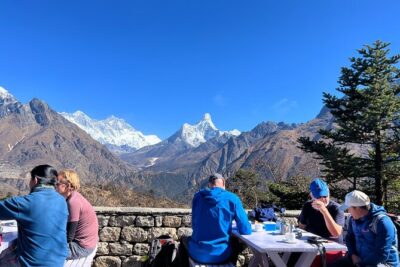
Everest feels close from day one. This private, fully serviced Everest Base Camp and Kala Patthar trek pairs big views with a practical setup: an experienced guide, meals, permits, and domestic flights from Kathmandu so you can focus on walking and breathing the mountain air.
I especially like that you sleep in family-run tea houses and lodges during the trek (10 nights, twin sharing). And you get a real cultural anchor, including a visit to Tengboche Monastery, not just a high-altitude checklist.
One drawback to plan around: the Lukla flight can be delayed or canceled due to weather, and if that happens, extra hotel nights and transport back to Kathmandu are not included. Hot showers aren’t part of the trek either, so you’ll want realistic expectations.
In This Review
- Key things I’d circle before you go
- The value question: what $1,799 actually buys you
- Private trekking with a guide and porters: what it feels like on the ground
- Kathmandu basics: pickup and getting set before the trek
- From Kathmandu to Lukla: plan for weather, not wishful thinking
- Tea houses and lodges for 10 nights: the comfort level you should expect
- Tengboche Monastery: the cultural pause that keeps the trek human
- Everest Base Camp and Kala Patthar: the payoff and the work
- The last day: a typical Nepali cultural dinner
- What’s included vs. what you must bring (so you don’t get stuck)
- Included during the trek
- Not included (the stuff that catches people)
- Gear reality check
- Group size, timing, and physical readiness
- How this trek compares to other EBC options (and who it suits best)
- Should you book this Everest Base Camp and Kala Patthar trek?
- FAQ
- Is this trek private?
- What’s included for meals and accommodation during the trek?
- Do I get a porter if I’m traveling solo?
- Are hot showers included during the trek?
- What about flights to Lukla if weather is bad?
- How much luggage is included on the Lukla flight?
- Do I need Nepal visa photos and money?
Key things I’d circle before you go
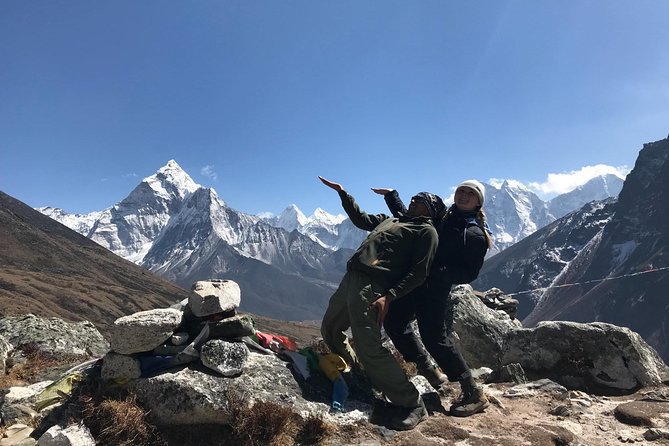
- Private guided pace with real support: you’re not on a self-guided route; a guide and porter plan your days and help keep things smooth.
- Sherpa culture stop included: Tengboche Monastery gives your trek meaning beyond scenery.
- Meals handled every trekking day: breakfast, lunch, and dinner are included during the hike days.
- Tea house living is the deal: expect twin-sharing lodges/tea houses with an outside toilet.
- Lukla weather can change the plan: you’ll need mental room for flight delays and possible helicopter rerouting.
The value question: what $1,799 actually buys you
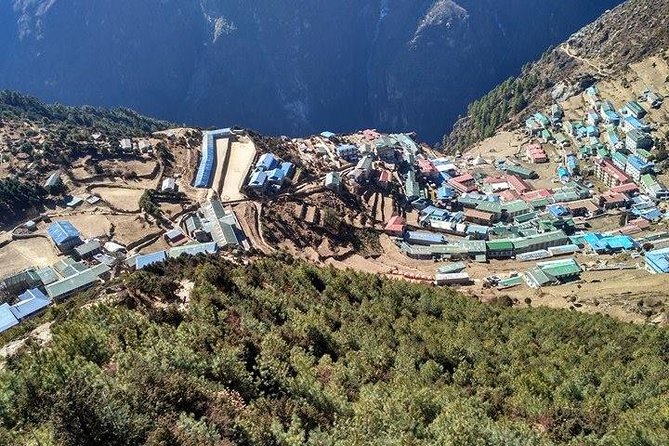
At $1,799 per person for a 12-day private Everest Base Camp and Kala Patthar trek, the price isn’t just for bragging rights. It’s largely paying for the heavy lifting: guide and porter staffing, trekking permits, domestic flights from Kathmandu to Lukla (and the return), and 10 nights of lodge/tea house accommodations during the trek.
Here’s what that means for you in plain terms:
- You’re not paying separately for the guide’s time, porter logistics, or the day-to-day meals on the trail.
- You’re not arranging permits and transport in a busy travel window while trying to manage jet lag and altitude worries.
- You’re paying for structure—useful on the Everest route, where one missing piece can create a domino effect.
Now, the “read this twice” part: several common add-ons are not included. You’ll still need to budget for:
- Visa fee (easy at arrival), travel insurance, and your own Kathmandu hotel
- Gear you bring yourself (they list what’s needed)
- Drinks like tea and coffee, and no hot showers during the trek
- Tips for the guide and porter
- Baggage costs on the Lukla flight if you exceed the included allowance
If you’re the type who wants everything lined up—meals, sleeping spots, guiding, permits—this price makes sense. If you’re a confident DIY trekker with gear already set, you might find cheaper options elsewhere, but you’ll lose the comfort of a fully serviced package.
You can also read our reviews of more tours and experiences in Kathmandu.
Private trekking with a guide and porters: what it feels like on the ground
This is a private tour, so only your group participates. That matters more than it sounds. On Everest routes, group dynamics can make a big difference—especially when you’re tired, cold, or just trying to keep a steady rhythm.
You’ll travel with:
- An experienced guide (helpful, friendly, and responsible for the plan)
- Porters arranged at a ratio of 1 porter for 2 people
- If you’re solo, a porter is not included, though it’s available for an additional $250
In the stories people share, guide names like Shambu (and people using the name Shambhuji), Ram, and Deepak Gurung come up with a pattern: patient, caring, and attentive daily guidance. You’ll also see how support from Kathmandu can matter—names like Kabi show up as someone monitoring from base, which is exactly what you want when weather or schedules shift.
A quick reality check: having a porter doesn’t remove the work. It mainly lets you carry less weight while you focus on hiking, pacing, and acclimatization choices.
Kathmandu basics: pickup and getting set before the trek
The trip is built around Kathmandu as your launch point. It includes:
- Pickup offered
- Mobile ticket
- Airport transfers tied to the trek and the Lukla flight timing
What’s not included is accommodation in Kathmandu. So you’ll want to plan at least one night in the city before your flight to Lukla (and possibly more if weather forces changes).
Also, don’t forget the practical travel bits:
- Nepal visa fee is about $30 USD per person, issued on arrival at Tribhuvan International Airport, with 2 passport-size photos required.
- International flights and airport departure tax are not included.
I like packages like this because they get you out of paperwork mode. But you still have to handle the passport and visa timeline like an adult professional—small task, big payoff.
From Kathmandu to Lukla: plan for weather, not wishful thinking
Your trek includes domestic flights from Kathmandu to Lukla and back, and the plan includes your luggage up to 12 kg on the Lukla flight. If you bring extra baggage, the cost is Rs 100 per kg.
Then comes the part you can’t ignore: Lukla weather is unpredictable. Sometimes flights are delayed or canceled.
Here’s what happens if the flight is canceled:
- You’ll have to return to the hotel
- The transportation and the extra accommodation night are not included
- If conditions improve, you’ll take either a 3rd or 4th flight attempt
- If weather still doesn’t cooperate, helicopter options may be available, but pricing isn’t fixed
The helicopter estimate given is about $300 total, described as roughly $150–$200 quoted by airlines plus additional around $150 tied to your flight ticket.
Weather issues are rare, but the whole point of knowing this now is so you don’t panic later. Bring a little cash buffer, keep your schedule flexible, and don’t lock yourself into other tight travel plans right after Everest.
Tea houses and lodges for 10 nights: the comfort level you should expect
During the trek, you get accommodations in lodges/tea houses for 10 nights on twin sharing. They note outside toilet during the trek (a common Everest-route detail), and you’ll share the room with your trek partner unless the booking is arranged differently.
A big inclusion:
- Breakfast, lunch, and dinner during the trekking days
A big exclusion:
- Hot showers during the trek are not included
Also excluded:
- All drinks (like tea and coffee)
So what does this mean for your day-to-day life?
- You’ll spend your energy walking, not negotiating menus.
- You’ll accept basic mountain comfort and learn to enjoy it—because the reward is waiting higher up.
- You’ll manage cold mornings and evenings with your own layers, not with a shower and a reset button.
If you’re expecting hotel-style bathrooms and spa hot water, you’ll be disappointed. If you’re fine with simple, functional comfort, you’ll be happy.
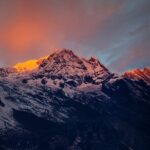
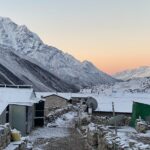
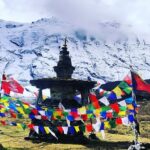
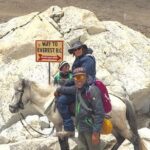
Tengboche Monastery: the cultural pause that keeps the trek human
This itinerary includes a visit to Tengboche Monastery. It’s one of those moments that breaks the monotony of just climbing and walking. You get a chance to slow down, notice the people, and connect with the Sherpa culture you’re surrounded by.
Why I like this stop:
- It gives you a reason to look up and look around beyond peaks
- It’s a “mountain life” experience, not just a “mountain accomplishment” experience
- It adds a spiritual and cultural rhythm to the trek days
Even if you’re not a big temple person, this stop helps you understand what the locals care about—especially when the altitude and fatigue start making everything feel the same.
Everest Base Camp and Kala Patthar: the payoff and the work
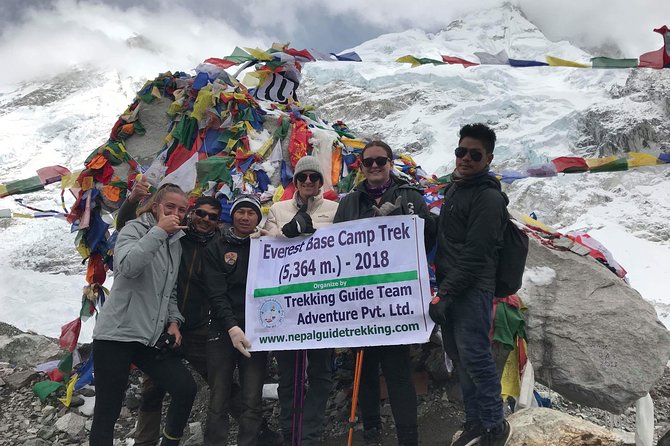
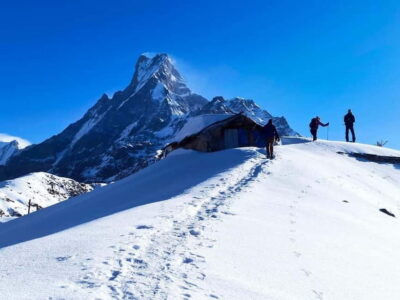
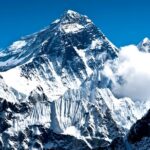
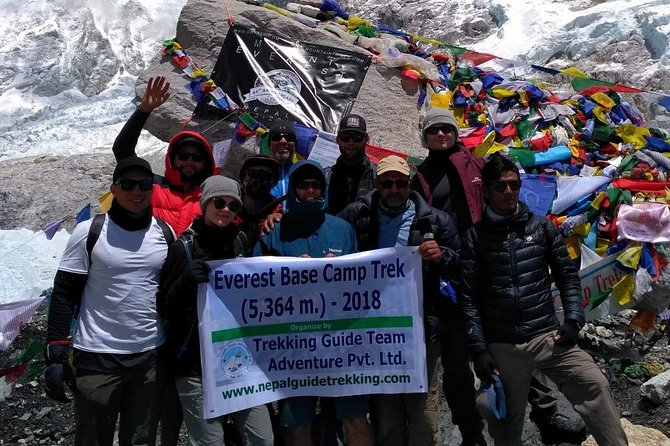
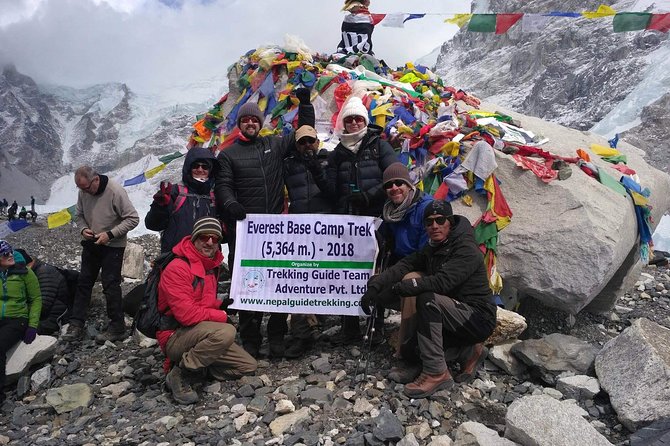
Your trek is designed to reach Everest Base Camp and Kala Patthar, which is the signature viewpoint moment many people dream about.
What matters most here is not the marketing name. It’s the emotional logic of the climb:
- Base Camp gives you the Everest project in one place—gear, trekkers, Sherpa support systems, and that unmistakable sense of arriving at something huge.
- Kala Patthar is the “look closer” reward, where the effort feels worth it because the mountains finally fill your whole field of view.
In the support stories, porters and guides are described as keeping belongings safe and taking care of people’s needs, including medical situations. That matters because Base Camp days can be long and chilly, and the route up to Kala Patthar is where you’ll feel the cold and effort most.
Practical expectation:
- You’ll be making small decisions all day—layer up, pace, drink water when you remember, rest when your body asks.
- Your guide’s job is to keep you moving without rushing. That’s where “patient and caring” guides show their value.
The last day: a typical Nepali cultural dinner
The tour includes a typical Nepali cultural dinner on the last day. I like this because it creates closure. You finish the hard part, then you get a warm, social meal that isn’t just fuel. It’s the moment where you can actually sit back, compare notes, and enjoy the fact that you did it.
It’s also a useful reset after cold trekking nights—simple comfort before you head back to Kathmandu life.
What’s included vs. what you must bring (so you don’t get stuck)
Included during the trek
- Experienced guide
- Porters (1 porter for 2 people; solo porter extra cost)
- Accommodation in lodges/tea houses for 10 nights
- Breakfast, lunch, dinner during the trek
- Permits
- All transportation as per itinerary
- Typical Nepali cultural dinner on the last day
- Food, drinks, insurance, salary, accommodation for guide and porter
Not included (the stuff that catches people)
- Kathmandu accommodation
- Visa fee and passport photos for the visa
- Personal travel insurance (they explicitly note it should cover helicopter rescue and medical bills)
- Your own trekking equipment (they list gear needs)
- International airfare and airport departure tax
- Extra baggage on Lukla if above 12 kg
- Hot showers during the trek
- Alcoholic and non-alcoholic drinks
- Tips for guide and porter
- Extra accommodation if Lukla flights are canceled and you must return to Kathmandu
Gear reality check
They provide gear guidance, including a sleeping bag rated (-15), down jacket, trekking shoes, warm clothes, gloves, torchlight, trekking stick, and personal medicines like bandage, pain killer, stomach-ache meds, diarrhea meds, and things like dimox (noting examples they list). If you don’t already own most of this, plan time and budget for rentals or purchases before you leave home.
Group size, timing, and physical readiness
The route is only for your group, which helps with pace and logistics. The trek also notes that you should have a strong physical fitness level.
That’s not a casual suggestion. Everest trekking is demanding, and the trail isn’t forgiving. The smartest way to meet this trek is to train your legs and stamina at home, then arrive in good health. If you have any medical conditions, talk to a travel clinician before you go. And once you’re on the route, follow your guide’s pacing and keep your focus on steady walking rather than speed.
How this trek compares to other EBC options (and who it suits best)
This package is built for people who want:
- A private guide experience
- Managed meals and sleeping logistics
- Included permits and trekking support
- Help carrying gear (with the porter arrangement)
It’s especially a strong fit if:
- You’re trekking for the first time at this altitude level
- You prefer comfort and clarity over decision-making every day
- You want Tengboche Monastery included, not just a summit-style checklist
- You’d rather pay for support than spend days arranging details
It’s not the best match if:
- You hate the idea of outside-toilet tea houses
- You strongly rely on hot showers
- You can’t handle potential Lukla flight disruptions (even with helicopter options)
Should you book this Everest Base Camp and Kala Patthar trek?
If you want Everest in a fully serviced, private format—guide, meals, permits, tea-house stays, Tengboche Monastery, and the core EBC/Kala Patthar goals—this is a solid choice. The price is mostly paying for the structure that makes the trek less stressful.
I’d book it if you can answer yes to three questions:
- Are you okay with simple tea-house living (twin sharing, outside toilet, no hot showers)?
- Are you ready for the “Lukla weather” reality and the possibility of extra hotel nights if things go sideways?
- Can you bring the right gear and handle your own travel insurance?
If those feel good, you’ll likely love the experience for what it is: hard walking, strong support, and a view that makes the effort feel real.
FAQ
Is this trek private?
Yes. It’s described as a private tour/activity, and only your group will participate.
What’s included for meals and accommodation during the trek?
You get breakfast, lunch, and dinner during the trek. Accommodation is provided in lodges/tea houses for 10 nights on a twin sharing basis (during the trek), with outside toilet.
Do I get a porter if I’m traveling solo?
Porters are included at a ratio of 1 porter for 2 people. If you are a solo traveler, a porter is not included, but you can add one for an additional 250 USD.
Are hot showers included during the trek?
No. Hot shower access is listed as not included during the trekking days.
What about flights to Lukla if weather is bad?
Lukla flights can be delayed or canceled due to unpredictable weather. If a flight is canceled, you may need to return to the hotel, and the extra transportation and accommodation night are not included. If weather improves, you may take the 3rd or 4th flight attempt, and helicopter options may be available at an extra cost.
How much luggage is included on the Lukla flight?
Your Lukla flight includes luggage up to 12 kg. Extra baggage costs Rs 100 per kg.
Do I need Nepal visa photos and money?
Yes. You can issue the visa on arrival at Tribhuvan International Airport. You’ll need 2 passport-size photos and about $30 USD per person.