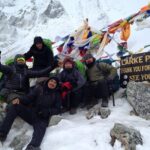
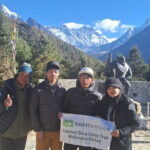
One week in Nepal, and your legs remember it. The Langtang Valley Trek is a short-time Himalayan trek that focuses on scenery, Tamang culture, and day hikes instead of extreme altitude. I like the small-group feel (max 15) and the fact that it’s designed for a steady pace with local guide support plus porters, so you’re not white-knuckling every step. One drawback to consider: you’ll still hike 6–7 hours a day, and mountain lodges are basic, not hotel-comfy.
The best part is how the route avoids the highest elevations you see on some other Nepal treks. In plain terms, that means you can spend your energy on moving, looking around, and absorbing the culture—without the long, high-altitude slog. I also like the included structure: 7 nights of teahouse accommodation and most trek meals are part of the package, which makes budgeting easier. Still, you’ll need to plan for food in Kathmandu and bring (or buy) your personal hiking gear.
A final consideration: the trip is active, with a moderate fitness requirement and daily lodge stays that are simple. If you want cushy rooms, long sightseeing stops, or zero hiking time, this is not that kind of vacation.
In This Review
- Key things to know before you go
- Why Langtang Valley is a smart Nepal trek for limited time
- Price and Logistics: what $700 includes and how the trip runs
- Your route in phases: Kathmandu, Syaprubesi, and teahouse trekking
- A typical day on the trail: 6–7 hours a day and mountain-lodge reality
- What you see and learn: Tamang culture, views, and Himalayan meadows
- Gear support and comfort: borrowed jackets, sleeping bags, and what to pack
- Guides, porters, and group size that keep things smooth
- FAQ
- How many nights of teahouse accommodation are included?
- How much does the Langtang Valley Trek cost, and what’s included?
- What’s not included in the $700 price?
- Is this trek high-altitude?
- How many hours will I hike each day?
- Are down jackets and sleeping bags provided?
- What if I need to cancel last minute?
- Should you book the Langtang Valley Trek?
Key things to know before you go
- Small group, real attention (max 15): You’ll get closer support than the big-group treks.
- 7 teahouse nights + most meals: Fewer meals to plan, less guesswork for daily costs.
- Licensed English-speaking guide and porters: You’re not doing this alone.
- Borrowable trekking gear: Down jacket and sleeping bag can be provided on request.
- Short drive/ride from Kathmandu to the trailhead: The trek starts without a huge relocation.
- Altitude kept reasonable: The route doesn’t go too high compared with other popular treks.
Why Langtang Valley is a smart Nepal trek for limited time
I like the way the Langtang Valley trek is built for travelers who want Himalayan views without committing to a huge, high-altitude itinerary. The route is known for stunning scenery and cultural encounters, but it stays at a comparatively gentle altitude level for Nepal trekking. That makes it a strong choice if your time in Nepal is short or if you’ve already done a tougher trek and want something more manageable.
Another reason I’m a fan: the trailhead is reached by a short drive/ride from Kathmandu. Instead of burning days just getting to the mountains, you spend more time actually trekking. The trip also leans into daily motion—active, but not extreme—so you’re out walking, then relaxing in simple mountain lodges each night.
You’ll also get a cultural angle that’s not just about checking boxes. This is where you see everyday Tamang life and the broader Tibetan cultural influence you’ll notice in the region. And yes, you may spot yaks grazing in high mountain meadows—one of those simple moments that sticks with you.
You can also read our reviews of more tours and experiences in Kathmandu.
Price and Logistics: what $700 includes and how the trip runs
At $700 per person for an ~8-day trek, the value is mainly in what’s packaged together. You’re not just paying for a guide—you’re paying for a whole operating system: 7 nights’ teahouse accommodation during the trek, meals during the hiking days, national park fees, and TIMS fees. Add in the included transportation by local bus (Kathmandu to Syaprubesi and back), and the price starts to look less like a “tour” fee and more like a bundled expedition plan.
Here’s what’s included that matters in real life:
- Most meals during the trek (breakfast, lunch, dinner as per itinerary while trekking)
- Licensed English-speaking trekking guide and porter support
- National Park fees + TIMS fees
- Down jacket, sleeping bag, and duffel bag provided on request, with return required after the trek
- Taxes, fees, and handling charges
What’s not included (and why it matters):
- Accommodation in Kathmandu and lunch/dinner in Kathmandu
- Personal insurance, including emergency evacuation costs if something goes wrong
- Personal trek equipment
- Drinks, snacks, and “personal nature expenses”
- Tipping for field staff
If you already own a solid set of hiking clothes and a sleeping system, the “borrow gear” part can reduce your upfront packing and purchase stress. If you don’t, you may save money and hassle by using what’s provided—just make sure your request happens early enough to fit properly.
Your route in phases: Kathmandu, Syaprubesi, and teahouse trekking
Think of this trek as three main parts: getting positioned in Nepal, hiking through the valley region, then returning to Kathmandu.
First, you’ll start in Kathmandu with pickup offered, and you’ll travel by local bus to Syaprubesi—the common trail gateway for this area. That bus ride is part of the deal, which is helpful because it removes one more logistics headache.
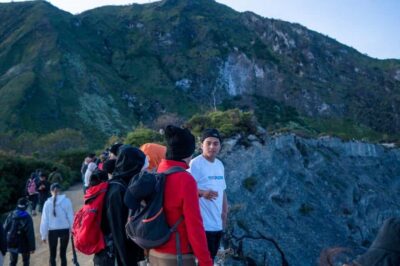
Next comes the trekking portion, where the trip settles into a rhythm. The expectation is roughly 6–7 hours of hiking per day. Each day you’ll be moving through valley scenery while your route exposes you to the cultural patterns of the region—Tamang communities and Tibetan-influenced ways of life. Your overnight stays are at mountain lodges with basic accommodation, so you’re trading luxury for simplicity and closeness to the trail.
Finally, you head back. The return also uses the same local bus connection to Kathmandu, so you’re not switching into a different transportation plan at the end of the trek (which matters when you’re tired and just want to get home).
This structure makes the whole experience feel direct: less time transferring, more time walking and living on the trail.
A typical day on the trail: 6–7 hours a day and mountain-lodge reality
On this trek, your day is built around walking. You should plan for about 6–7 hours of hiking while you explore high mountains and the lifestyle of people living in the region. It’s not a “stroll and pose” situation. The upside is that this kind of steady pace is exactly what helps you acclimate in a practical way—your body gets used to conditions without the extra drama of extreme altitude.
Each night, you’ll stop at a mountain lodge. These lodges are basic, so think along the lines of functional rooms and a warm meal rather than spa-level comfort. That’s why your mindset matters: you go for the walking, the views, the culture, and the simple rhythm of eating and sleeping near the trail.
One more thing I’d take seriously: your comfort at night depends heavily on what you bring (and what you borrow). Nepal mountain temperatures can be chilly, and your sleeping setup becomes part of your trekking success.
The trek also gives you time for observation. You’re not locked into nonstop travel. You’ll have those everyday moments—watching village life, seeing how people manage daily tasks at elevation, and noticing how the landscape shapes routines.
If you want a schedule that feels like real trekking rather than a parade of quick photo stops, this one fits.
What you see and learn: Tamang culture, views, and Himalayan meadows
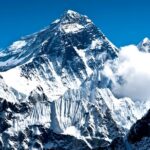
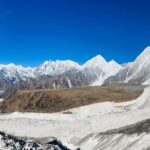
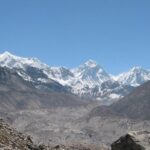
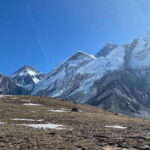
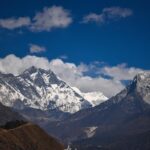
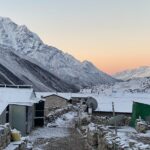
The Langtang Valley is a place where the scenery and the people are part of the same story. You’re here for the Langtang range views, but you’re also here to understand how the communities live in the shadow of big mountains.
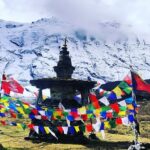
Culturally, you’ll encounter Tamang culture and the broader Tibetan cultural influence that shows up in daily life—religion, village patterns, and the overall feel of the communities you pass through. This isn’t just “see a temple, take a photo, move on.” The trek format gives you enough time to notice how people are connected to the mountains and weather.
And then there are those meadow moments. The trek description highlights seeing yaks grazing in Himalayan meadows, which is one of the most satisfying kinds of nature encounters. It’s not a big production. It’s just life happening at altitude.
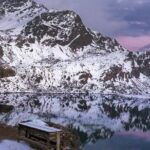
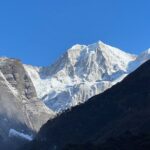
You should also expect high mountain scenery that feels close and immediate. The route is designed to be relatively easy in terms of altitude compared with some other Nepal treks, so the focus can stay on the experience instead of constant altitude anxiety.
Gear support and comfort: borrowed jackets, sleeping bags, and what to pack
This trip helps you out with key cold-weather equipment. Down jackets and sleeping bags can be borrowed during the trek (provided upon request), and you get a duffel bag. That’s a big deal if you’re traveling light or if you’re trying to avoid expensive gear purchases before you arrive.
But don’t treat the borrowed gear like magic. You still need to pack and dress for trekking. The only safe move is to assume the mountains get cold, especially at night. You’ll want your hiking clothes to handle sweat during the day and chill in the evenings.
Here’s the practical way I’d think about your packing:
- Use the provided down jacket/sleeping bag support if you need it
- Bring your own personal hiking equipment (as required and not included)
- Plan for basic lodge conditions, so wear what you’ll actually sleep in comfortably
Also remember: borrowed gear must be returned after the trek. That means you should keep it organized, not left floating around your day bag like an accidental sock donation.
If you have solid gear already, this trek won’t force you to replace anything. If you’re missing a key item, the option to borrow can help you keep costs down and start trekking with less stress.
Guides, porters, and group size that keep things smooth
What makes this trek feel more than “just a hike” is the human support built in. You’ll trek with a local guide and porters, and the plan follows a porter-to-trekker arrangement of about 2 trekkers for 1 porter. That matters because it reduces the weight you carry, and it helps you stay focused on walking and acclimating instead of hauling your whole kit up and down each day.
I also like the small-group approach. With a maximum of 15 travelers, you tend to get more attention if a pace adjustment is needed, or if someone has questions about the day’s conditions. That’s where a lot of trekking success comes from: people feel looked after, not lost.
The company’s feedback includes guide names like Ram Krisna and Lochan Gurung, and it also mentions porters such as John and Nabin. You can’t assume the exact same staff will work your dates, but it’s still a good sign that the guiding and porter team is consistently praised for care and support.
Finally, the included operating pace helps. You’re hiking 6–7 hours daily, sleeping in simple lodges, and moving on with structure—so you don’t have to be a logistics expert on top of being an athlete.
FAQ
How many nights of teahouse accommodation are included?
You get 7 nights of teahouse accommodation during the trek.
How much does the Langtang Valley Trek cost, and what’s included?
The price is $700 per person. It includes 7 nights teahouse lodging, meals during the trekking days, local bus transport between Kathmandu and Syaprubesi, park fees and TIMS fees, and a licensed English-speaking guide plus porters. Down jacket and sleeping bag can be provided upon request.
What’s not included in the $700 price?
Not included are accommodation in Kathmandu, lunch and dinner in Kathmandu, personal insurance (including emergency evacuation), personal trekking equipment, personal drinks/expenses, and tipping to field staff.
Is this trek high-altitude?
This route is designed so it doesn’t go too high in altitude compared with some other Nepal treks.
How many hours will I hike each day?
The expectation is about 6–7 hours of hiking per day.
Are down jackets and sleeping bags provided?
Yes. Down jackets and sleeping bags can be borrowed during the trek (provided upon request), and you must return them after the trek.
What if I need to cancel last minute?
There is free cancellation up to 24 hours in advance for a full refund. If you cancel less than 24 hours before the experience starts, you won’t get a refund.
Should you book the Langtang Valley Trek?
If you want a Himalayan trek that’s active but not built around extreme altitude, I think this is a smart fit. The combination of small group size, guide and porter support, 7 teahouse nights, and most trek meals included makes it easier to focus on the experience instead of daily logistics.
Book it if:
- you can handle 6–7 hours of hiking most days
- you’re okay with basic mountain lodges
- you want Tamang/Tibetan cultural encounters plus Langtang views without a huge altitude commitment
Consider a different option if you want more comfort, less hiking time, or a trip that doesn’t rely on cold-weather trekking gear planning (even with borrowed items available).