REVIEW · KATHMANDU
Annapurna Circuit Trek
Book on Viator →Operated by The Great Adventure Treks & Expedition - Private Day Tours · Bookable on Viator
This trek is about high passes and holy stops. You’ll cross Thorong La (5,416 m), catch Poon Hill sunrise, and visit the Muktinath temple area, all while moving through classic villages like Manang, Marpha, and Ghorepani. I love that the route mixes epic altitude moments with real Nepalese culture, and I also like the way the company supports you on the ground through professional guides and hardworking porters. One drawback to keep in mind: you do need a moderate physical fitness base and good weather matters for safe, enjoyable days at elevation.
For planning peace of mind, the trip is set up with airport pickup/transfer, a Kathmandu hotel, and the key trek documents handled (ACAP permit and TIMS card). The route also aims at conservation-minded trekking in the Annapurna Conservation Area Project (ACAP), where you might spot wildlife like snow leopards, musk deer, or Himalayan tahr. The main consideration is altitude exposure, so pacing and listening to your guide’s advice won’t be optional.
In This Review
- Key things that make this Annapurna Circuit stand out
- Why the Annapurna Circuit feels like more than a hike
- Kathmandu to Besisahar: start your trek with a scenic reset
- Village trekking through Manang, Marpha, and the ACAP world
- Ghorepani and Poon Hill: the sunrise morning you plan around
- The heart of the circuit: crossing Thorong La (5,416 m)
- Muktinath temple at 3,410 m: sacred stop after hard effort
- Kali Gandaki gorge: the world’s deep cut
- Return days: Tatopani, Tikhedhunga, Ulleri, and Nayapul to Pokhara
- What’s included in the price (and what you’ll pay extra)
- Guides and porters: the names you’ll remember
- Price and logistics: is this a good deal for an 18-day circuit?
- Should you book the Annapurna Circuit Trek?
- FAQ
- How long is the Annapurna Circuit Trek?
- Where does the trek start and how do you get there?
- What permits are included?
- What is the highest point on the trek?
- Do you visit Muktinath?
- What wildlife might you see?
- Do you include Kathmandu and Pokhara meals?
- What villages and places are on the route?
- What’s the group size?
- What happens if weather is bad?
Key things that make this Annapurna Circuit stand out
- Thorong La at 5,416 m: the highest point, where your mental game matters as much as your legs
- Muktinath at 3,410 m: a Shakti Peeth temple stop built into the route, not just a detour
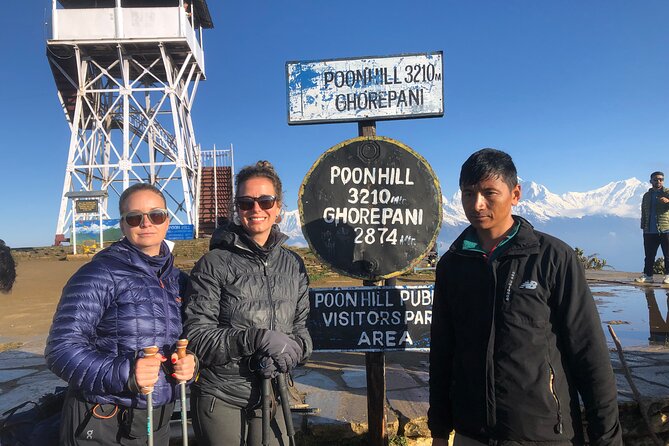
- Poon Hill sunrise: early-morning mountain views, including dramatic perspectives on the Annapurnas
- ACAP permit and TIMS included: you’re trekking with the right paperwork handled
- Small group size (max 10): easier logistics, less chaos on trail days
- Return to Pokhara: you finish with a valley finale, not an abrupt end
Why the Annapurna Circuit feels like more than a hike
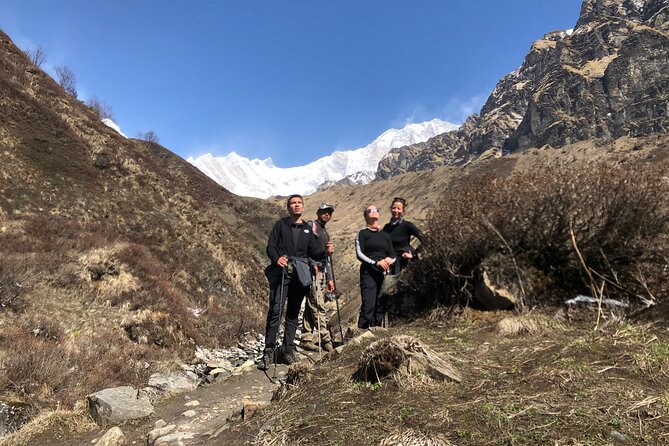
The Annapurna Circuit is famous for a reason: it strings together massive views, culture, and altitude in one continuous story. You’re not just walking from point A to point B. You’re moving through changing climate zones, different villages, and different ways of life, then you crest Thorong La like a real accomplishment.
What I like most is the mix of the sacred and the spectacular. Muktinath isn’t just a photo stop; it’s described as a Shakti Peeth, tied to primordial energy in Nepal’s sacred geography. Pair that with the physical climax of the pass, and you get a trek with meaning, not only bragging rights.
The other big win is variety. One day can feel like village trekking through stone and stair steps, and the next can throw you into the altitude mindset. If you go in expecting only scenery, you’ll still get it. But you’ll also get the slower, human parts that make the circuit memorable.
You can also read our reviews of more tours and experiences in Kathmandu.
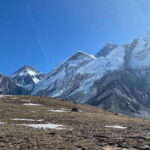
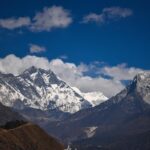
Kathmandu to Besisahar: start your trek with a scenic reset
Most circuits begin with a bus ride that helps you transition from city to mountains. Here, you’ll take a scenic bus ride from Kathmandu to Besisahar, which is the common gateway into the walking days. This is one of those practical moves that also sets the tone: you’re gently shifting altitude and atmosphere before your first proper hike.
If you’re the type who worries about logistics, this part helps. Pickup from the airport, hotel accommodation in Kathmandu (3-star level), plus Kathmandu sightseeing by car are included. So you’re not landing and immediately trying to figure out transport, tickets, and where to sleep.
One small caution: bus days can be tiring, even if they’re scenic. Plan to take it easy when you arrive, and keep your pack light enough that you won’t dread the first trekking day.
Village trekking through Manang, Marpha, and the ACAP world
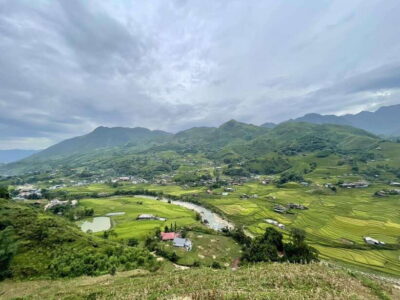
As the trek settles into rhythm, you move through villages like Manang and Marpha, and later onward toward Ghorepani. This is where the Annapurna Circuit earns its “real journey” feel. You’re not just climbing; you’re passing through communities that have adapted to high-altitude living.
A key element here is the Annapurna Conservation Area Project (ACAP). The trek includes an ACAP permit, and that matters because it supports conservation and regulated access. In this protected area, you’re told you may encounter exotic animals like snow leopards, musk deer, and Himalayan tahr. You shouldn’t treat wildlife sightings as guaranteed, but knowing you’re trekking in a conservation zone changes how you experience the trail.
This zone also helps explain why you’ll notice rules and guidance about travel behavior. If you want a trip that blends mountains with responsibility, ACAP is part of the reason the circuit feels more thoughtful than “just another trek.”
Ghorepani and Poon Hill: the sunrise morning you plan around
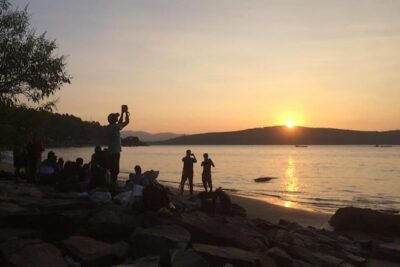
One of the signature highlights is Poon Hill. The trek includes a chance for mesmeric sunrise views over the mountains, which is exactly the kind of payoff that makes early starts worth it. Poon Hill is often where you get a classic “wow” moment, with the day’s light revealing depth and distance in a way midday simply can’t match.
You’ll also visit Ghorepani, a village that functions like a base for sunrise logistics and a rest point for walkers. The practical part: sunrise days tend to mean you wake up early, move fast, and then use the rest of the morning to recover. If you’re going to be strict with anything, be strict with your pace and your hydration early.
What you’ll likely enjoy here is the mix of atmosphere. You’re with trekkers from different countries, but the early-morning timing keeps things focused. Even if your group chats, it usually fades into the background once the mountains start lighting up.
The heart of the circuit: crossing Thorong La (5,416 m)
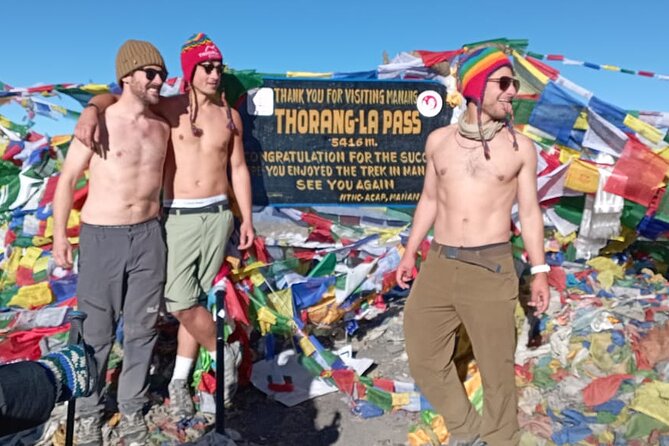
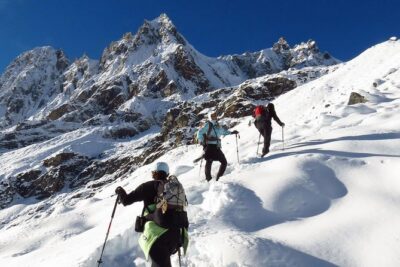
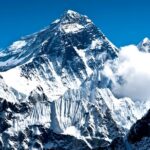
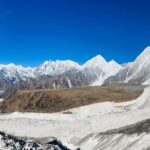
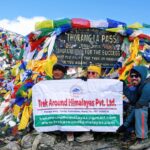
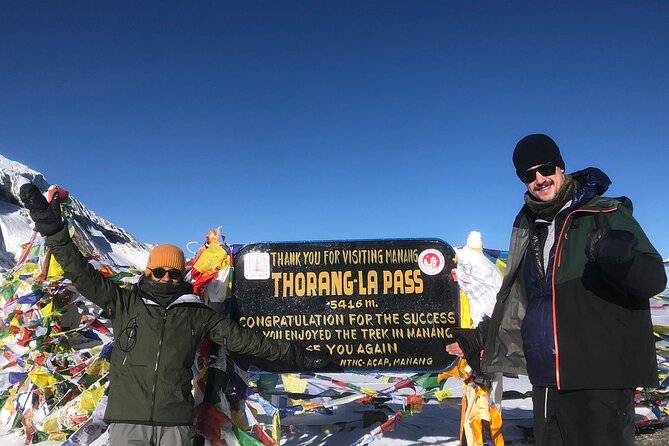
This is the main event: you cross Thorong La, the highest point on the trek, at 5,416 meters. This isn’t just a number on a map. It’s where breath and rhythm become your two best friends. The climbs and rocky stretches are the kind of trail that tests both physical and mental strength, and the views at every turn are the trade you earn.
So how do you think about it day-to-day? You should go in expecting a long, demanding effort and plan to move steadily rather than hero-speed. Your guide’s job here is pacing and safety, not pressure. This is also where being in a small group helps. A group of up to 10 is easier to manage if someone needs time or a slower rhythm.
The other consideration is weather. Your cancellation terms note the experience requires good weather, and that’s especially true at high altitude. If weather shifts, your guide may adjust plans to keep you safe, and that kind of flexibility is part of what you’re paying for.
Muktinath temple at 3,410 m: sacred stop after hard effort
After the toughest altitude section, you reach one of the trek’s most meaningful cultural stops: Muktinath. The temple sits at about 3,410 meters, at the base of the Thorong La mountain pass. It’s considered one of Nepal’s holiest temples and is described as a Shakti Peeth, a source of primordial energy sources.
This is the kind of place where the trek’s physical effort actually improves the experience. You arrive from altitude exertion, and suddenly you’re in a spiritual atmosphere shaped by pilgrims, rituals, and devotion. Even if you’re not deeply religious, it’s hard not to feel the significance of a stop that’s been part of the Himalayan spiritual map for generations.
The practical side: temple days still require hiking, and elevation means you’ll want to keep moving at a safe pace. Your guide and team help you plan so you don’t waste energy in the wrong places.
Kali Gandaki gorge: the world’s deep cut
The circuit also features the Kali Gandaki gorge, described as the world’s deepest gorge. This isn’t a “drive past it” moment. You’ll experience it as part of the route, where the valley’s scale and steep walls change how everything looks.
Why it matters: gorge geography can make distances feel different, and it can influence how the light falls on the mountains. It also gives your trekking brain variety after long climbs. Your eyes keep getting new information, which helps pass the monotony that can creep in on steep days.
If you’re a photographer, this is a great area to take your time. If you’re not, you’ll still appreciate it because it adds drama to the trek’s overall arc.
Return days: Tatopani, Tikhedhunga, Ulleri, and Nayapul to Pokhara
On the way back, the route brings you through places you might recognize from other classic Annapurna trekking itineraries. You’ll go to Tatopani, Ghorepani, Tikhedhunga, Ulleri, and finally Nayapul. From there, you connect to the beautiful valley of Pokhara.
This portion is important because it’s not just “the way down.” It’s where you recover and process the experience. The trail can still be demanding, but you’re shifting back toward lower elevations and village life. You also get time to see how people live where tourism and local routines meet.
Pokhara is a strong ending choice. It’s the moment you can exhale after altitude effort. Even though lunch and dinner in Pokhara aren’t included, you’ll likely appreciate having meal freedom while you decompress.
What’s included in the price (and what you’ll pay extra)
This trek costs $1,074.88 per person for an 18-day itinerary (approx.). That sounds like real money, but value comes from what’s included, not just the sticker.
Included:
- Airport pickup and transfer to your Kathmandu hotel
- 3-star hotel accommodation in Kathmandu
- Kathmandu sightseeing by car
- ACAP permit and TIMS card
- Program as per itinerary
- Drop to the airport
Not included:
- Lunch and dinner in Kathmandu and Pokhara
- Drinks (soft or hard)
So where does the value land? The permits and TIMS are not optional extras, and they’re handled. Transportation to and from Kathmandu is handled. And the itinerary-based trek support (guide/porters as part of the program) is what keeps the circuit functioning smoothly.
One more practical detail: this activity has a maximum of 10 travelers. For most big treks, that’s a sweet spot. Enough people for shared energy, not so many that the logistics become a circus.
Guides and porters: the names you’ll remember
The best part of many Nepal treks isn’t the mountains. It’s the people who keep you moving well and feeling human at altitude.
In the experience you’re considering, the guide quality shows up repeatedly in real feedback. Sudam is praised as professional, patient, and caring, especially for making trekkers comfortable. Mani is highlighted as a supportive point person who organizes smoothly and helps with practical needs like communication and local matters (including exchange and NCell). Other guides mentioned include Binod, Jayaram, Pasang, and Rajesh Barakoti, with support also coming from porters such as Dinesh, Majhi, Rajan, Golkun, Raju Gurung, and Rajesh’s porter team.
The consistent theme: flexibility and support. People describe teams as responsive, supportive, and able to adjust schedules when needed. That matters a lot on a trek where weather can shift and bodies don’t all move at the same pace.
Price and logistics: is this a good deal for an 18-day circuit?
At $1,074.88, you’re paying for a structured trek that includes core documentation (ACAP and TIMS), Kathmandu lodging, and key transfers. For a circuit with major altitude moments, that’s a reasonable setup if you like having fewer moving parts.
The exclusions also matter. Lunch and dinner in Kathmandu and Pokhara, plus drinks, are on you. If you eat out often or drink a lot, budget for that. But if you’re mostly planning simple meals and keeping hydration sensible, those exclusions won’t surprise you.
I also like that the group size is limited to up to 10 travelers. Smaller groups tend to mean smoother timing around sunrise and less friction when trail conditions change.
Should you book the Annapurna Circuit Trek?
You should book if you want:
- The full circuit feeling, with big altitude and iconic stops
- A trek that includes the key permits (ACAP and TIMS)
- A strong chance of sunrise views at Poon Hill
- A route that combines mountain effort with meaningful culture at Muktinath
You might skip or think twice if:
- You don’t have a moderate fitness base and aren’t ready for a serious altitude challenge around Thorong La
- You’re aiming for a trip with guaranteed weather, because the experience depends on good conditions and plans can shift
If you’re choosing between “DIY treking” and a guided setup, this one leans toward the comfort-with-structure side. And if you care about having a guide and porters who show up with professionalism and flexibility, that human support is a big part of the value.
FAQ
How long is the Annapurna Circuit Trek?
It’s listed as 18 days (approx.).
Where does the trek start and how do you get there?
You start in Kathmandu, with airport pickup and transfer to a hotel. The trek begins with a scenic bus ride from Kathmandu to Besisahar.
What permits are included?
You get an Annapurna Conservation Area Project (ACAP) permit and a TIMS card.
What is the highest point on the trek?
The highest point is Thorong La pass at 5,416 meters.
Do you visit Muktinath?
Yes. You visit the Muktinath temple at 3,410 meters.
What wildlife might you see?
The trek is within ACAP, where you may encounter animals such as snow leopards, musk deer, and Himalayan tahr.
Do you include Kathmandu and Pokhara meals?
No. Lunch and dinner in Kathmandu and Pokhara are not included, and drinks are not included.
What villages and places are on the route?
The route includes villages such as Manang, Marpha, Ghorepani, Tatopani, Tikhedhunga, Ulleri, and Nayapul, plus Pokhara at the end.
What’s the group size?
The tour has a maximum of 10 travelers.
What happens if weather is bad?
The experience requires good weather. If it’s canceled due to poor weather, you’ll be offered a different date or a full refund.