REVIEW · KAMPALA
5-Day Pearl of Africa Chimps and Gorilla Trekking Safari
Book on Viator →Operated by Home To Africa Tours and Travel · Bookable on Viator
Five days in Uganda can feel like a wildlife greatest-hits album. This safari lines up chimp tracking in Kyambura Gorge, a Kazinga Channel boat trip with big-game sightings, then drops you into Bwindi for gorilla trekking, with Ishasha tree-climbing lion chances on the way.
I love the mix of guided structure and personal pace, especially because you’ll have a full-time English-speaking driver-guide in a comfortable 4×4. I also like the downshift at Lake Bunyonyi, where the trip stops being about checklists and turns into viewpoints and breathing room.
The main thing to plan is cost: the gorilla trekking permit is not included (USD 600 per person), so your total bill is higher than the base tour price.
In This Review
- Key highlights before you commit
- Why this 5-day “Pearl of Africa” route works
- Day 1: Entebbe to Queen Elizabeth and the first lodge night
- Day 2: Kyambura chimp trekking plus a 2-hour Kazinga Channel cruise
- Day 3: Queen Elizabeth to Bwindi via Ishasha and the tree-climbing lion odds
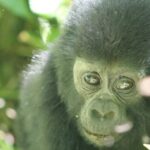
- Day 4: Bwindi gorilla trekking and the hour with your gorilla group
- Day 5: Bunyonyi views, then back to Entebbe for your flight
- Price and value: what the $2,171 really turns into
- The guides and the comfort factor that people actually praise
- What I’d pack and how I’d prepare for each wildlife day
- Who this safari is best for
- Should you book it? My straight answer
- FAQ
- What is the tour price?
- How long is the safari?
- Where does the safari start and end?
- What permits are not included in the price?
- What activities are included?
- What meals and accommodation are included?
- Are drinks included?
- What’s the minimum age and fitness level?
- Do I need a visa for Uganda?
- Is there a cancellation policy?
Key highlights before you commit
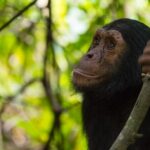
- Chimp tracking in Kyambura Gorge: Morning hours when activity is often best, plus a serious wild-primate experience.
- Kazinga Channel launch trip: A 2-hour cruise where hippos and elephants often show up close to shore.
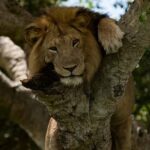
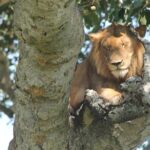
- Ishasha tree-climbing lions: Real chance at seeing resident lions up in the branches, with about a 70% sighting likelihood.
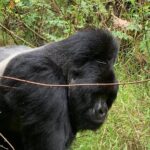
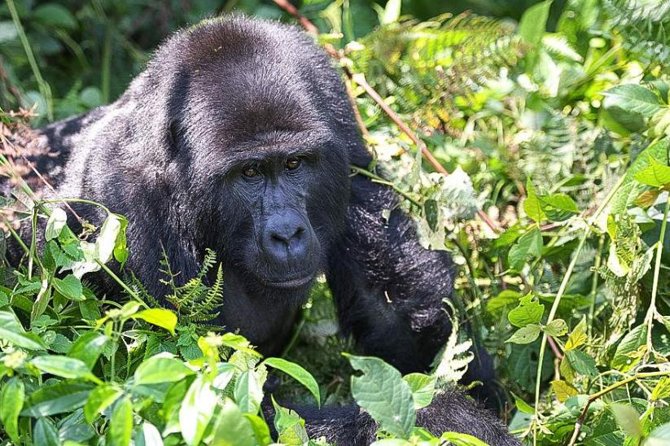
- Bwindi gorilla trekking: A ranger-led briefing, then one guided hour with your assigned gorilla group.
- Lake Bunyonyi unwind time: Sightseeing and relaxation after the hardest walking day.
- A private format: Only your group participates, so the schedule feels tailored even when the roads aren’t.
Why this 5-day “Pearl of Africa” route works
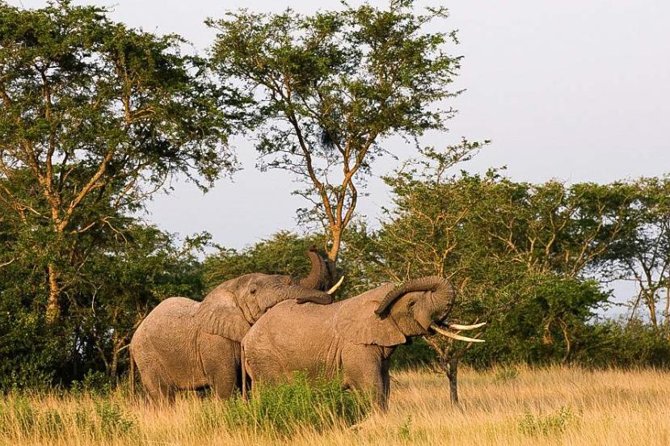
This is a tight route, but it avoids the common problem of rushing past the places that matter. Instead of trying to cram every park into every day, it concentrates on three wildlife anchors: Kyambura (chimps), Queen Elizabeth (classic big mammals plus the Kazinga Channel), and Bwindi (gorillas). Then it adds Ishasha as the road-side wildcard for tree-climbing lions.
You’ll also get a sensible rhythm: early starts for trekking and prime wildlife windows, followed by time to eat, reset, and sleep. That sounds basic, but on safaris it’s the difference between enjoying the day and feeling like you’re always one step behind.
Another practical win: you’re not expected to manage transfers, vehicle logistics, or activity timing on your own. You’ll be picked up from the hotel or airport, handled in a comfortable 4×4, and guided throughout with a full-time English-speaking driver-guide. That matters even more because Uganda’s driving can be long and bumpy.
You can also read our reviews of more tours and experiences in Kampala.
Day 1: Entebbe to Queen Elizabeth and the first lodge night
Your safari begins with pick-up at Entebbe (hotel or airport), then a drive to Queen Elizabeth National Park. If your flight lands early, you’ll feel the benefit immediately: more daylight for settling in, a smoother check-in, and less stress the next morning.
Overnight is at Irungu Forest Safari Lodge, with lunch and dinner included. That first day is intentionally lighter in terms of pressure. You’ll get your briefing and then just start moving into the safari mindset: relax, eat well, and sleep enough for the early primate day.
What to watch for here: the long drive is part of the experience. Even before you reach the headline wildlife areas, you’re transitioning into Uganda’s “roads-to-wildlife” reality—land changes, vegetation changes, and eventually the parks start to feel different under your wheels.
Potential drawback: since Day 1 isn’t packed with activities, you’ll want to arrive with a clear plan for jet lag. If your body is slow to wake up, it can make the early start on Day 2 feel tougher than it needs to be.
Day 2: Kyambura chimp trekking plus a 2-hour Kazinga Channel cruise
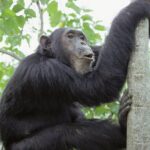
This is the day that turns the safari into a primate story. You’ll get up early, have breakfast, then head to Kyambura Gorge for chimpanzee tracking. The goal is simple: find a chimp group, then spend time observing them under ranger guidance.
A key point for expectations: chimp trekking is not a guaranteed “walk to chimps in five minutes” situation. It’s real tracking. You may walk, you may wait, and you’ll work with what the forest gives you. That uncertainty is part of what makes it feel authentic, not staged.
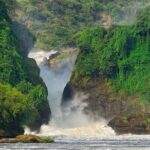
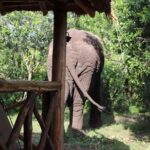
After tracking, you return for lunch at Irungu Forest Safari Lodge and then head out again for the launch trip on the Kazinga Channel. The cruise is listed as about two hours, and it’s famous for concentrations of giant hippos, plus elephants and crocodiles.
What I like about stacking chimps and the boat cruise on the same day is the contrast. One activity is alert, forest-focused, and human-scale. The other is open water, big mammals, and a calmer rhythm once you’re aboard. It keeps the day from feeling like one long grind.
Practical consideration: you’ll want to pace yourself between the tracking and the boat. Chimp trekking can use energy, and the boat ride is more relaxed but still outdoors.
Day 3: Queen Elizabeth to Bwindi via Ishasha and the tree-climbing lion odds
Today is the classic Uganda “road day with drama.” You leave Queen Elizabeth and travel to Bwindi through the Ishasha area, stopping for an en route game drive.
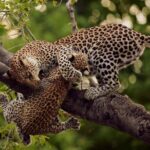
Ishasha is specifically known for resident tree-climbing lions. The sighting chance here is given as about 70%, but the real-world note is also honest: lions can be hard to spot—especially when they’re down in the grasslands looking for prey.
This is one of those times where your best tactic is mindset. Don’t spend the drive angry about missed sightings; spend it watching details. When lions are around, you’ll often notice the landscape changing first—people’s body language shifts, vehicles stop, and then someone spots the movement you missed.
When you arrive in Bwindi, the day softens. You’ll check in at Broadbill Forest Camp, with breakfast, lunch, and dinner included. Because gorilla trekking is the next morning, your schedule keeps the evening quieter so you’re not exhausted before the big day.
Why this buffer matters: gorilla trekking is the most physically demanding element on the calendar. Even if you’re “moderately fit,” you’ll feel it more the day after a long drive. This setup helps you show up fresh enough to enjoy it.
Day 4: Bwindi gorilla trekking and the hour with your gorilla group
This is the headline experience. After an early breakfast, you’ll get a briefing by a ranger guide and then enter the gorilla sanctuary for trekking.
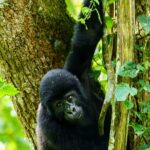
Once you locate a gorilla group, you’ll spend up to one hour with them. That time limit isn’t a flaw—it’s the structure that protects both you and the gorillas. It also means the experience stays focused. You’re not chasing them all day. You’re watching them, learning their routines, and taking in the fact that you’re in close proximity to endangered animals.
What I appreciate most about this setup is that it makes the experience feel grounded. You’re not just “seeing” gorillas like it’s a photo stop. You’re there with a ranger’s guidance, then given a concentrated block of time to observe.
After trekking, you return to the lodge for lunch, then check out and transfer to Lake Bunyonyi for relaxation and sightseeing. Your overnight is at Lake Bunyonyi Rock Resort, with breakfast, lunch, and dinner included.
This change of scenery is more important than it sounds. Bwindi is intense. Bunyonyi is calmer. If you go straight from gorillas to more tracking pressure, you’d miss the emotional digestion that comes after meeting wild animals up close.
One more practical note: the day is early and active. If you’re sensitive to altitude or fatigue, plan for slower pacing in the evening rather than trying to “make up time” with extra activities.
Day 5: Bunyonyi views, then back to Entebbe for your flight
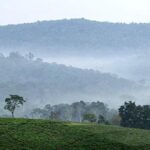
Your last morning starts relaxed. You’ll have breakfast at the accommodation with views over the Lake Bunyonyi islands, then head to Entebbe for your outbound flight.
The trip ends back at the meeting point area in Kampala/Entebbe route terms, but for most people the key is this: you’re not scheduled for another big hike. That’s a smart way to end, because gorilla day is the kind of experience that sticks with you. A quiet final day helps you remember it properly, not just survive it.
Meals include breakfast and lunch on Day 5, and no accommodation is provided beyond that final travel day.
What makes this ending good: it gives you a chance to process without rushing to pack for an all-night bus or chasing one last tour add-on. It’s a clean finish.
Price and value: what the $2,171 really turns into
The base price is USD 2,171 per person. That’s the “safari package” cost, and it covers a lot of the heavy lifting: all meals and accommodation listed in the route, all ground transportation in a 4×4, a full-time English-speaking driver-guide, water during safari, and the boat trip. It also includes airport/hotel pick-up and drop-off, plus fuel surcharge and landing/facility fees.
But the big line-item that changes the math is permits. Gorilla trekking permit costs are listed separately at USD 600 per person, and chimp trekking permit costs are USD 50 per person. So even if you love the package price, you should budget for the permits on top.
A quick way to think about value:
- The base price covers logistics and comfort on the move (vehicle, lodges, meals, and included activities).
- The permits cover access to the primate experiences themselves.
- Airfare and personal insurance are not included.
When you compare this to doing Uganda “piecemeal” on your own, the package price starts to make sense. Hunting down 4×4 transport, lodge bookings across multiple regions, correct timing for each wildlife day, and getting boat timing right is a lot to manage. Here, you get a driver-guide and an organized flow, which is worth money when you’re short on time.
My advice: calculate your total with permits immediately so there are no surprises at the moment you’re most excited.
The guides and the comfort factor that people actually praise
One theme that comes through clearly in the experience feedback is how much the guide can shape the whole safari. Names that have been mentioned include William, Derek, Danny, Eli, Karim, and Karin. Across those mentions, the compliments are consistent: guides who are friendly, patient, and quick to answer questions, and who keep things organized without turning the trip into a rigid schedule.
That matters because your days are stacked with nature uncertainty. Chimp trekking success depends on where the chimps are that day. Lion sightings can vary even with good odds. Gorilla trekking depends on locating a group safely and within rules.
A strong guide helps you respond well when wildlife doesn’t read your calendar.
Comfort also gets attention. Lodges are described as clean and comfortable, and safaris like this often succeed or fail based on whether you sleep well after a long drive. Irungu Forest Safari Lodge, Broadbill Forest Camp, and Lake Bunyonyi Rock Resort are all part of the included nights, and you’ll feel the difference during the early days.
What I’d pack and how I’d prepare for each wildlife day
I can’t tell you exactly what to pack without seeing your travel style, but here’s the practical approach that fits this route.
For chimp trekking in Kyambura and gorilla trekking in Bwindi:
- Plan for uneven ground and a trek pace that can change fast.
- Bring sturdy shoes with good grip.
- Wear layers. Early mornings can feel cooler, and later you can warm up fast.
For the boat trip on the Kazinga Channel:
- Bring something for sun and water spray.
- If you’re sensitive to wind, a light layer helps.
For the drive days and lodge nights:
- Keep one small daypack ready, because you’ll switch locations and meals without time for long stops.
- Bring a reusable water plan only if you already know how you’ll handle refills. Regular bottled water is provided as part of the safari.
And the most important prep: start hydrating early. These days run on early wake-ups and active time.
Who this safari is best for
This is a great fit if you want:
- A compact route with chimps + gorillas in one trip.
- Real wildlife variety: boat cruising on Kazinga plus big cats odds in Ishasha.
- A private format where only your group participates.
- Moderate physical fitness, since tracking and trekking involve walking and time outdoors.
It’s also a strong choice for first-time Uganda visitors. You get an overview of multiple regions without feeling like you missed the headline acts.
If you’re chasing a super-luxury, slow-moving style of travel, this may feel busy. The upside is that you also get more animal time per day than a “soft safari” itinerary.
Should you book it? My straight answer
Yes, I’d book it if your top priorities are chimp tracking, gorilla trekking, and seeing Uganda’s wildlife in two of its best-known regions, with time to relax afterward at Lake Bunyonyi.
Do it with two conditions:
1) You budget for permits right away (gorillas at USD 600 per person is the big one).
2) You show up ready for early starts and a bit of physical effort, since tracking is active and wildlife timing can be unpredictable.
If that sounds like your kind of trip, this route is a smart, high-impact way to spend five days in the Pearl of Africa.
FAQ
What is the tour price?
The tour price is USD 2,171.00 per person.
How long is the safari?
It runs for 5 days (approx.).
Where does the safari start and end?
It starts in Kampala (Central Region) and ends back at the meeting point.
What permits are not included in the price?
Gorilla trekking permit is not included (USD 600 per person), and chimp trekking permit is not included (USD 50 per person).
What activities are included?
The included activities are chimp trekking in Kyambura Gorge, the boat trip on the Kazinga Channel, an en route game drive in the Ishasha area, and gorilla trekking in Bwindi.
What meals and accommodation are included?
Meals and accommodation are included as per the itinerary, including stays at Irungu Forest Safari Lodge, Broadbill Forest Camp, and Lake Bunyonyi Rock Resort. Breakfast, lunch, and dinner are included on the days listed in the plan.
Are drinks included?
Only water is included during the safari. Other drinks are not included.
What’s the minimum age and fitness level?
Minimum age is 15. Travelers should have a moderate physical fitness level.
Do I need a visa for Uganda?
Yes, a tourist visa is required.
Is there a cancellation policy?
Free cancellation is available. You can cancel up to 24 hours in advance of the experience for a full refund.