REVIEW · MOUNT AGUNG
Bali: Mount Agung Sunrise Trekking Experience
Book on GetYourGuide →Operated by PT. Gorilla Adventures Bali · Bookable on GetYourGuide
Mount Agung is Bali at its most demanding. You’ll climb the island’s highest volcano in the dark, aim for sunrise at the top, and refuel with breakfast while you soak in massive views.
I like this experience because it blends real mountain time with solid support: private pickup in an air-conditioned car, a guide, flashlight and sticks, plus breakfast and insurance. In the best cases, guides also handle the little details that make cold waiting more bearable, like fires and hot drinks before dawn.
One drawback: this is a tough, long hike, and the descent can be harder on your knees than the climb. If you’re not in good physical shape, or if cold night hiking feels like a bad idea, you’ll feel it.
In This Review
- Key things to know right away
- Choosing the Right Route: Besakih vs Pasar Agung
- Night Pickup to Dawn Summit: How the Timing Feels
- Entering the Trail: Jungle Steps, Flashlights, and Temple Area Starts
- The Climb Itself: Steep Jungle to the Final Scramble
- Besakih route: the last hour can be real scrambling
- Pasar Agung route: steep but shorter and less technical
- Sunrise Views Over Rinjani and the Batur Caldera
- Breakfast, Fires, and Staying Warm Before Dawn
- Descent Is the Real Test: Slippery Steps and Knee Care
- What You Get for $95: Value Breakdown and Inclusions
- Who Should Book and Who Should Skip This Sunrise Trek
- Should You Book This Mount Agung Sunrise Trek?
- FAQ
- What time do you start on each Mount Agung route?
- How long does it take to reach the summit area?
- What is included in the $95 price?
- Is lunch included?
- What should I bring?
- Is this trek suitable for everyone?
Key things to know right away
Choose your route by fitness. Besakih is longer and gnarlier; Pasar Agung is shorter and climbs less.
Sunrise is the main event. You’re timing your summit push to reach the top before dawn.
Cold is real. Even if Bali is warm during the day, the peak area can feel freezing while you wait for light.
Guides make a huge difference. Many groups praised guides like Gede, Koman, Budi, and Ardi for patience and confident navigation.
Downhill is slippery work. Trekking sticks help, but go slow and plan for sore legs.
Choosing the Right Route: Besakih vs Pasar Agung
Mount Agung has two common ways up, and which one you pick changes the whole feel of the night.
Route 1: via Besakih Temple (west). This is the challenging option. The ascent takes about 6 to 7 hours, starting around 11:00 PM so you reach the highest area before dawn. You hike through dense jungle near the Mother Temple of Bali, and the last stretch can require climbing on all fours. If you’re chasing a serious mountain challenge and you know you can handle steep scrambling, this route is the one.
Route 2: via Pasar Agung Temple (south). This is shorter and generally easier. You start around 2:00 AM and climb for roughly 3 to 4 hours, gaining about 2,000 meters. You finish about 100 meters below the actual summit, but the views still open up in multiple directions, including down into the crater. If you want sunrise and epic scenery without spending quite as long in the steep parts, Pasar Agung is the better match.
If you’re unsure, think like this: Besakih asks for stamina and scrambling comfort. Pasar Agung asks for commitment too, just in a more manageable time window.
Night Pickup to Dawn Summit: How the Timing Feels
This trek is built as a long day-with-a-mountain-night inside it. The total duration is listed as 750 minutes, which lines up with the typical flow you’ll experience: late pickup, hours of night hiking, sunrise at the top, then a descent and return.
Private pickup matters here. You’ll ride in an air-conditioned car with an English-speaking driver, and pickup is covered in areas like Ubud, Sanur, Kuta, Canggu, Seminyak, Legian, Kintamani. If your hotel is outside those areas, expect an extra charge paid directly to the driver.
Once you arrive near the starting point, you’ll get the trekking tools and you’ll be set up for the dark. The experience includes hiking sticks and a flashlight, which makes a real difference on uneven ground when you’re concentrating on foot placement.
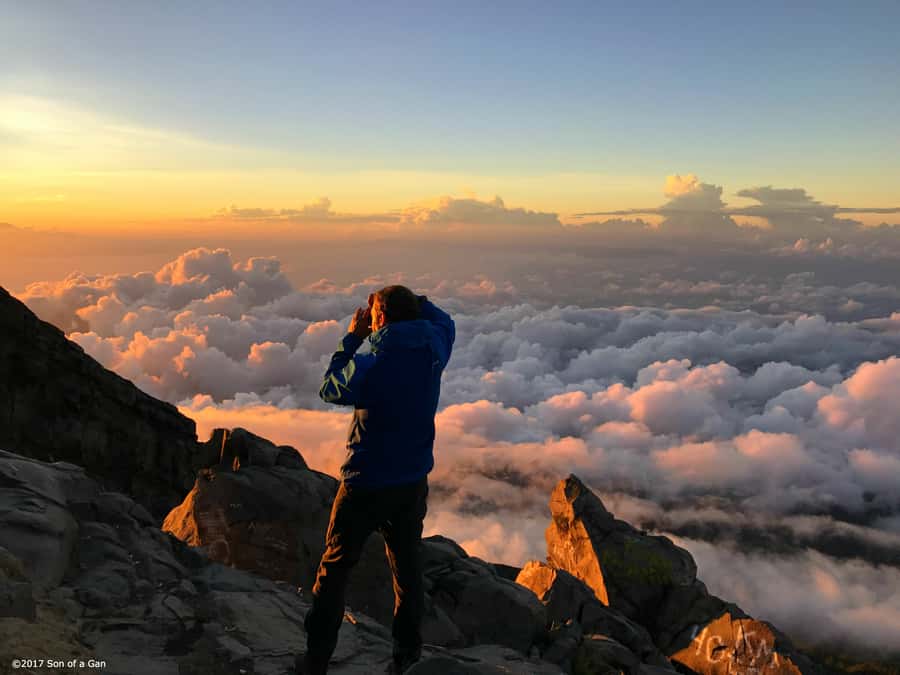
Timing is the whole strategy. The guides push for summit arrival before dawn so you can see sunrise on the volcano. If you’re early, that means you might wait in cold conditions for the sky to change. One hiker noted they arrived early and spent time warming up while waiting for sunrise—so don’t underestimate the value of gloves and a warm layer.
Entering the Trail: Jungle Steps, Flashlights, and Temple Area Starts
Both routes start from temple-area paths, which gives the trek a more grounded feel than a random hike trail.
From Besakih, the trail starts near the Mother Temple of Bali and moves into dense jungle. That “enclosed” darkness can feel cozy at first—until you realize the steep sections are still waiting. This route is long enough that your pacing really matters. You’ll be relying on your guide’s rhythm, plus your own ability to stop when needed rather than sprinting for momentum.
From Pasar Agung, the climb starts later (around 2:00 AM) and is shorter. It’s still steep, just more direct. You’ll focus on steady steps, and you’ll likely find the physical challenge comes in waves: climb hard, rest briefly, climb again.
On either route, the included trekking guide is a core part of the value. People highlighted guides such as Gede, Koman, Wayan, Budi, and Ardi as patient, motivating, and strong at navigating. That matters because night hiking is about more than effort—it’s about safety and knowing where you’re going when the path isn’t obvious.
The Climb Itself: Steep Jungle to the Final Scramble
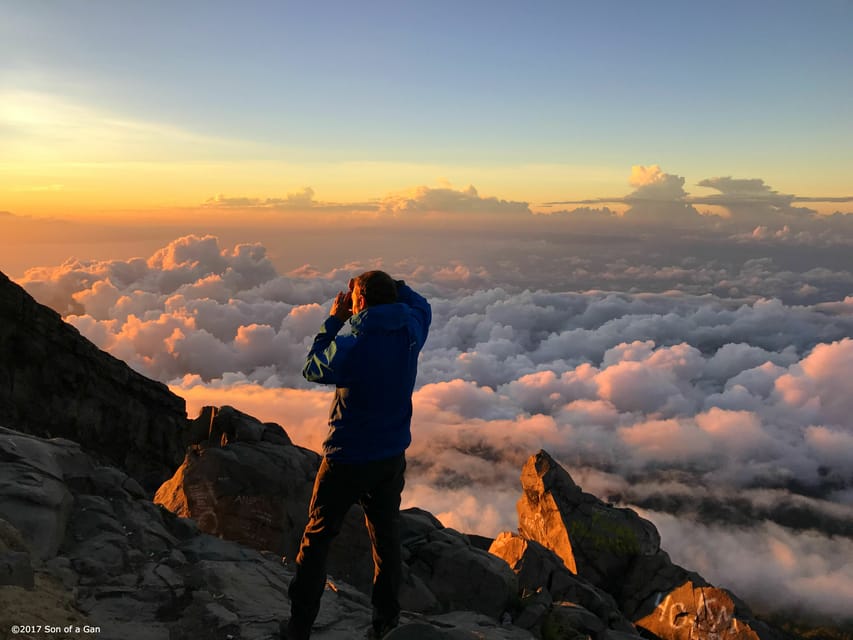
Mount Agung isn’t a walk-up. You’re climbing a volcano, and the trail is steep enough that you’ll feel it in your legs and your breathing.
Besakih route: the last hour can be real scrambling
The most intense part is often the final hour on Besakih. Expect sections that are so steep you may need to climb on all fours. That isn’t “scary” in the sense of chaos—it’s “scary” in the sense of requiring technique, good grip, and slow movement.
This is where hiking shoes and gloves earn their keep. In the cold, gloves help your hands stay usable. On slippery, uneven steps, proper footwear reduces the frantic foot re-positioning that burns time and energy.
Pasar Agung route: steep but shorter and less technical
Pasar Agung is still challenging, but the shorter route means you’ll likely spend less time battling the steepest stretches. You also end just below the highest point, yet the views still feel huge—especially the crater angles and the open direction changes around dawn.
Either way, recognize a pattern: night hiking is slower than daytime hiking. Even if you’re fit, you’ll move carefully. One hiker even described that getting down felt like the bigger test—so treat the climb as the beginning of the workout, not the only workout.
Sunrise Views Over Rinjani and the Batur Caldera
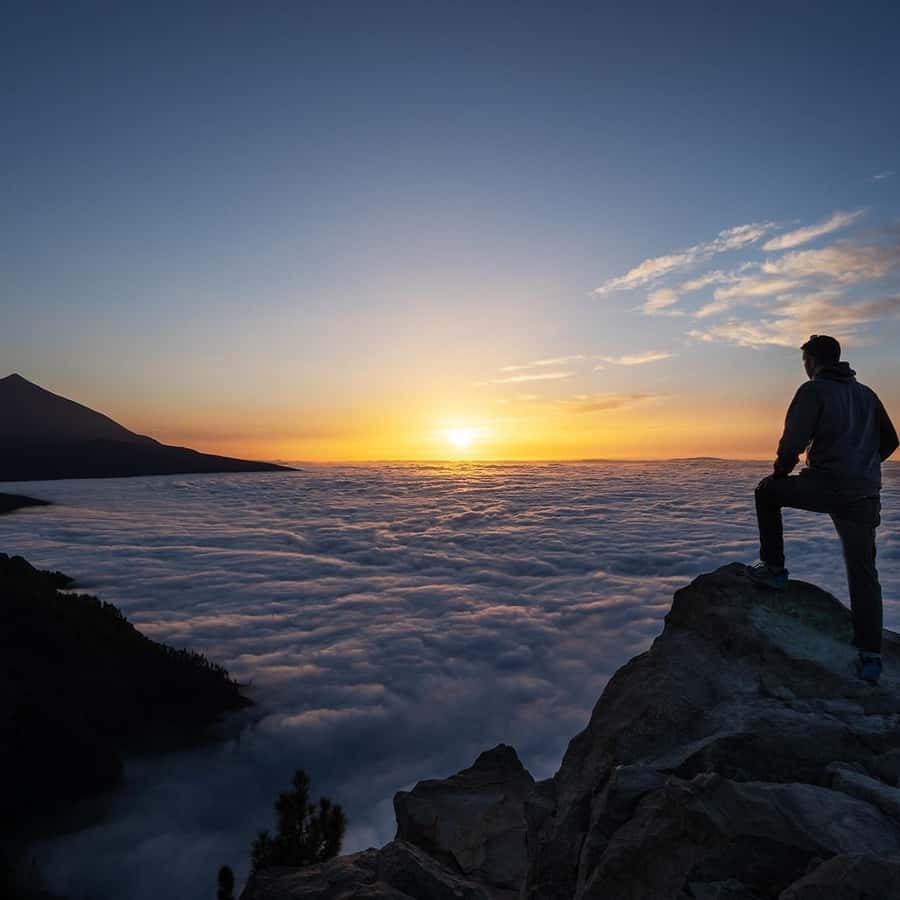
When the sky turns, the whole trek clicks into place.
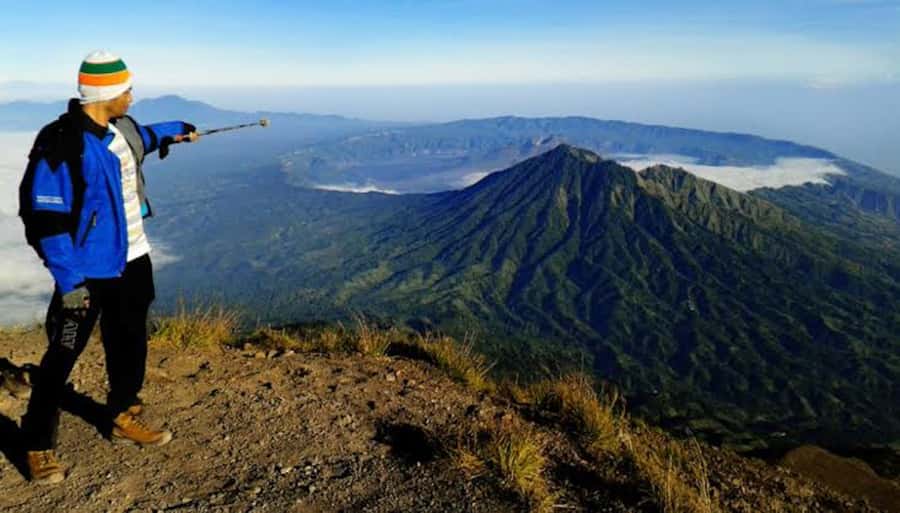
On the Besakih route, the summit is timed for sunrise overlooking Mount Rinjani in Lombok. You’ll also see the giant crater of Caldera Batur and Lake Batur. Those are not tiny “maybe you’ll see it” views. The mountain geometry is the point: you’re high enough to look outward across Bali’s volcanic neighbor scenery.
On the Pasar Agung route, you finish about 100 meters below the summit, but the view angles are still excellent in every direction, including down into the crater. That matters because it gives you the sunrise moment and crater drama without committing to the final summit push.
One more nice detail from experience descriptions: you often get stars while you’re still waiting in the night. Several accounts called out how clear the sky felt up there, which turns the waiting time into part of the magic instead of just a shiver session.
Breakfast, Fires, and Staying Warm Before Dawn
Breakfast is included, and it’s part of why this trek feels more complete than a simple summit chase.
You’ll have breakfast on top as you’re waiting for the sunrise and the light shift. Soft drink is also included. In some cases, guides have added extra warmth and comfort—people described bonfires and hot drinks like coffee or tea during the pre-dawn period. That’s not something you should count on, but it does reflect the way many guides manage cold waiting.
Staying warm is your responsibility too. The experience recommends you bring:
- a hat
- hiking shoes
- a jacket
- gloves
- cash
Also, plan for the cold being more noticeable than you expect. One account mentioned it was very cold up there and waiting at the top required real warm gear. If you tend to pack light because Bali is warm, this is where you adjust.
Descent Is the Real Test: Slippery Steps and Knee Care
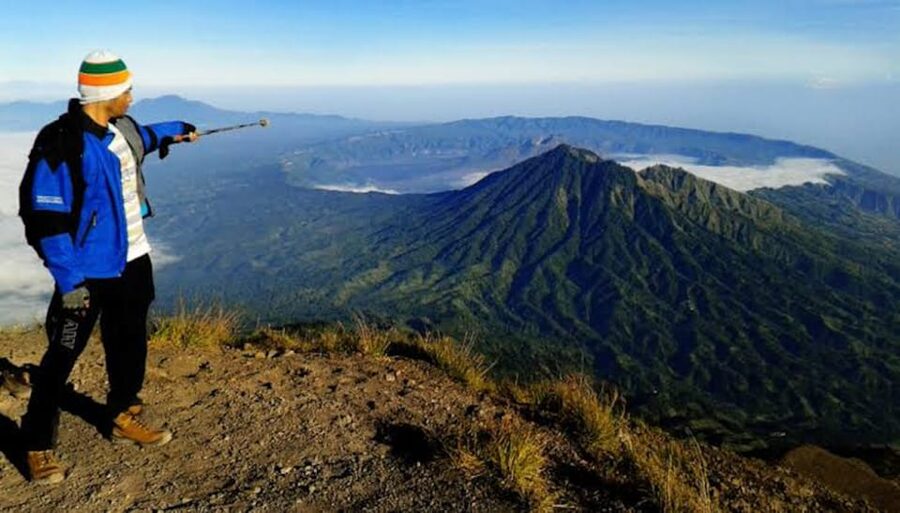
If you only train for the climb, you’ll get humbled on the way down. Multiple accounts flagged it: “hard getting down” is a theme.
Descending can be painful, especially for knees. One hiker said the way down was extremely painful even after they felt okay on the way up. Another described care needed because sections were slippery.
This is why the included trekking sticks matter. They won’t eliminate knee strain, but they help you shift weight and keep balance. Your guide can also slow the pace and choose safe foot placement rather than rushing.
Practical advice:
- Take your time and keep steps short.
- Use the sticks immediately on steep, wet, or loose sections.
- If you feel knee pain escalating fast, tell your guide early so the pace can adjust.
Also note that pace can vary by guide. One hiker said the ascent was conservative and slower than they expected; that helped arrive well-timed for sunrise and avoided overheating, but it might feel long if you crave faster hiking. If you want a more athletic tempo, say so at the start.
What You Get for $95: Value Breakdown and Inclusions
The price is listed at $95 per person, and the value depends on what you’d otherwise pay to stitch together transportation, guide help, and summit support.
Here’s what you’re getting included:
- private hotel pickup and drop-off
- entrance fee to Karangasem
- trekking ticket
- hiking sticks and flashlight
- trekking guide
- breakfast and a soft drink
- insurance
That combination is a big deal in Bali. Many people can find transport and a guide separately, but the package reduces stress, especially for late-night timing. You also avoid worrying about whether you’re showing up with the right gear for night conditions.
A few people praised drivers for punctual pickup and smooth, safe rides—names that came up included Dewa, Herry, Eka, Krisna, Soma, Raka, and Jhon. That doesn’t guarantee your driver will be one of them, but it does hint at a service level where drivers take the job seriously.
One thing not included: lunch. You’ll want to plan around that by eating before the hike (if your schedule allows) and handling any extra snacks on your own. Personal expenses are also on you.
Who Should Book and Who Should Skip This Sunrise Trek
This trek is for people who like mountains, not just views.
It’s described as challenging, and the basics say you should be physically fit and have some trekking experience. One of the clearest signals from the experience notes is that it can take 4 to 6 hours to reach the top of the volcano, which means stamina matters even before you count cold waiting and descent.
It’s not suitable for:
- pregnant women
- people with heart problems
If any health issue could limit strenuous night activity, take that seriously and skip this one.
Who will love it:
- You want sunrise with a real hike, not a short viewing spot.
- You’re comfortable moving slowly over steep terrain in the dark.
- You’ll prioritize safe pacing and good footwear.
Who might struggle:
- You don’t like cold or waiting outside before dawn.
- You have knee issues or you’re prone to leg pain after exercise.
- You prefer routes that are steady and even. This is steep and uneven.
One extra tip from real-world experience: bring your own warm layers even if you think you packed enough. Gloves are on the list for a reason.
Should You Book This Mount Agung Sunrise Trek?
Book it if you want a genuine Bali highlight that combines night adventure, summit timing, and serious payoff. This is the kind of trip that turns sunrise into a full experience—hike first, then reward.
Don’t book it if your idea of hiking is flat paths and short walks, or if you’re likely to get discouraged by a steep, slippery descent. In that case, you’ll probably feel beaten up more than inspired.
If you do book, choose your route honestly. Pick Besakih for the full challenge and long jungle climb. Pick Pasar Agung if you want sunrise with a shorter route and less technical scrambling. Either way, pack for cold, move carefully, and listen to your guide. That’s when Mount Agung stops feeling like a chore and starts feeling like a win.
FAQ
What time do you start on each Mount Agung route?
Besakih Temple route typically starts around 11:00 PM. Pasar Agung Temple route starts about 2:00 AM, aiming to reach the peak just before dawn.
How long does it take to reach the summit area?
For Besakih, the ascent takes about 6 to 7 hours. For Pasar Agung, it’s about 3 to 4 hours up (ending around 100 meters below the actual summit).
What is included in the $95 price?
The package includes private pickup and drop-off, entrance fee to Karangasem, trekking ticket, hiking sticks and flashlight, trekking guide, breakfast, a soft drink, and insurance.
Is lunch included?
No. Lunch is not included, so you’ll need to plan for it separately.
What should I bring?
Bring a hat, hiking shoes, a jacket, gloves, and cash. Even though Bali can feel warm, the trek is at night and early morning.
Is this trek suitable for everyone?
It’s not suitable for pregnant women or people with heart problems. The hikes are challenging, so you should be physically fit and have some trekking experience.