REVIEW · MOUNT ETNA
Mount Etna: scenic Summit Trek with a volcano Guide and Gear
Book on GetYourGuide →Operated by Kemedia · Bookable on GetYourGuide
A volcano trek with real summit views is hard to beat. You’ll climb into the active crater zone of Europe’s highest active volcano, with an alpinist guide calling out geology and what you’re seeing. The big payoff is standing over smoking craters while you look out across eastern Sicily’s strange, lunar-looking terrain.
I love two things about this tour: the guided, safety-first approach (you’re not just wandering around) and the fact you’re riding up by cable car, so the day feels like a focused hike instead of a whole travel saga. You also get meaningful time at the craters, not a quick stop-and-go photo moment.
One drawback to plan for is the physical effort and the weather dependence. This is a hike on uneven ground with cold wind possible near the top, and the volcano must be calm enough for the tour to run.
In This Review
- Key things to know before you go
- Why Mount Etna’s Central Craters Feel Different
- Getting Oriented at Piazzale Rifugio Sapienza
- The Cable Car Ride: quick altitude, less fatigue
- The 2,500-Meter Start to Cratere Centrale: what the hike feels like
- How Your Alpinist Guide Changes What You See
- The crater views and the “recent eruption” descent
- What the tour includes (and what you’ll likely need anyway)
- Price and value: why the base price may not be the final number
- Safety, calm volcano conditions, and who should skip this trek
- Timing, group rhythm, and how to avoid feeling rushed
- Practical packing tips for cold wind and sulfur air
- Should You Book the Mount Etna Summit Trek?
- FAQ
- How long is the Mount Etna summit trek?
- Where do we meet for the tour?
- Is the cable car included in the price?
- What gear is included?
- What should I bring?
- Is the tour guaranteed to run?
Key things to know before you go
- Cratere Centrale dell’Etna is the main target, with a guided route built around current volcanic features.
- You start from Piazzale Rifugio Sapienza and gain altitude quickly via cable car.
- The schedule is tight but reasonable: about 4 hours of hiking, then back down.
- You’ll be supplied with helmet and trekking shoes, and in practice you may also get extra hiking kit.
- It’s weather- and volcano-conditions dependent, so visibility can change fast.
Why Mount Etna’s Central Craters Feel Different
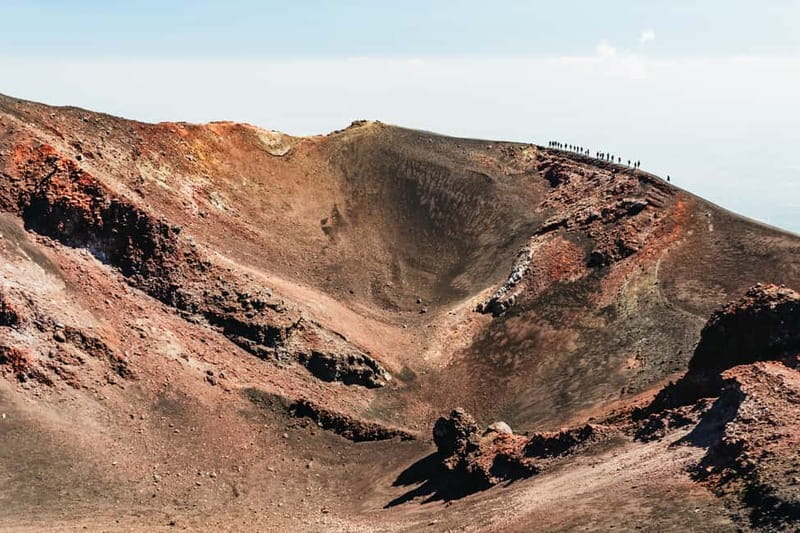
Mount Etna doesn’t feel like a “viewpoint hike.” It feels like you’re walking through a living system. You’re heading toward the highest active volcano in Europe, where the ground shows ash, rocks, and the scars of recent activity.
What makes the tour especially satisfying is the combination of altitude and focus. You’re not just admiring from far away. With your guide, you’ll look at active craters and watch the volcano’s moods—steam, gas, and smoke—while learning how the landscape got that way.
You can also read our reviews of more tours and experiences in Mount Etna.
Getting Oriented at Piazzale Rifugio Sapienza
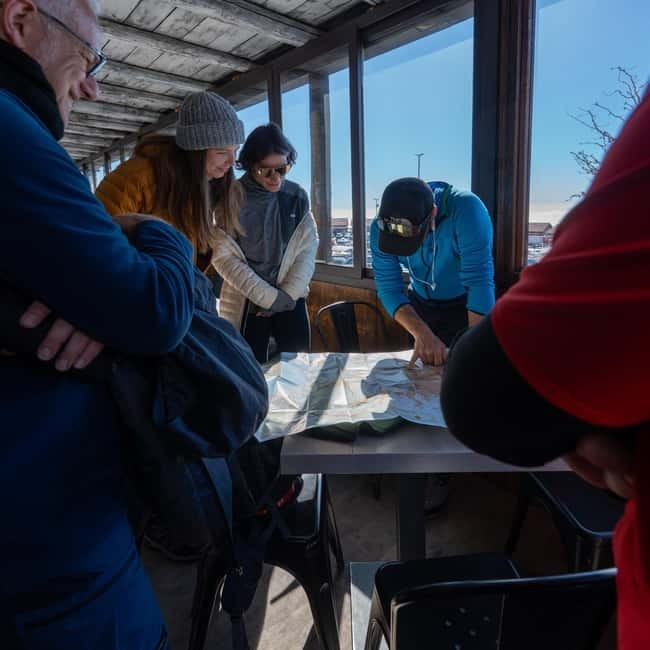
Your day starts at Piazzale Rifugio Sapienza. Keep your voucher handy, because the meeting point is where everything clicks into place—gear check, group sorting, and the final handoff to the guide.
One practical note: this area can feel a little chaotic up close, and it may take you a moment to find your group or confirm you’ve been issued the gear. I’d show up early and give yourself time to spot your guide before you’re rushed.
The Cable Car Ride: quick altitude, less fatigue
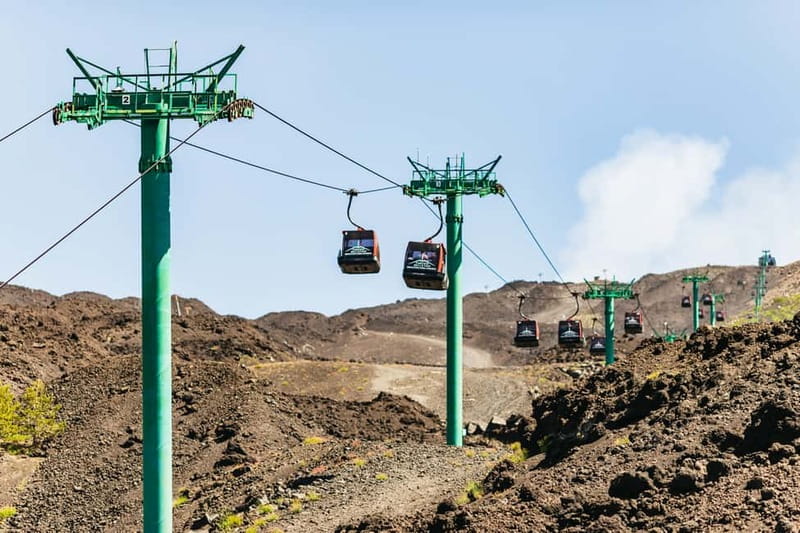
From Sapienza, you take a cable car for around 30 minutes. This matters because you begin trekking at a serious elevation—roughly 2,500 meters—without spending half your day wrestling with long uphill access roads.
The ride is also part of the experience. The higher you go, the more the terrain turns stark: darker volcanic rocks, scuffed slopes, and a sky that can feel closer. Once you’re up top, the hike becomes the main event.
The 2,500-Meter Start to Cratere Centrale: what the hike feels like
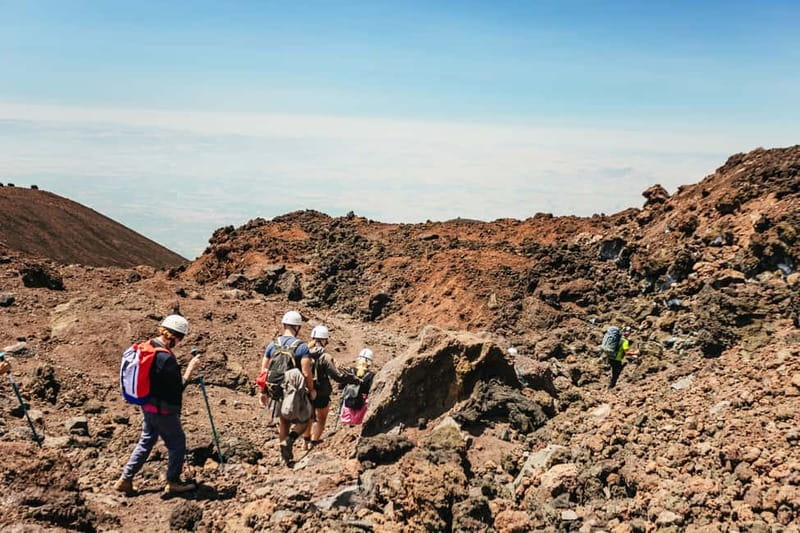
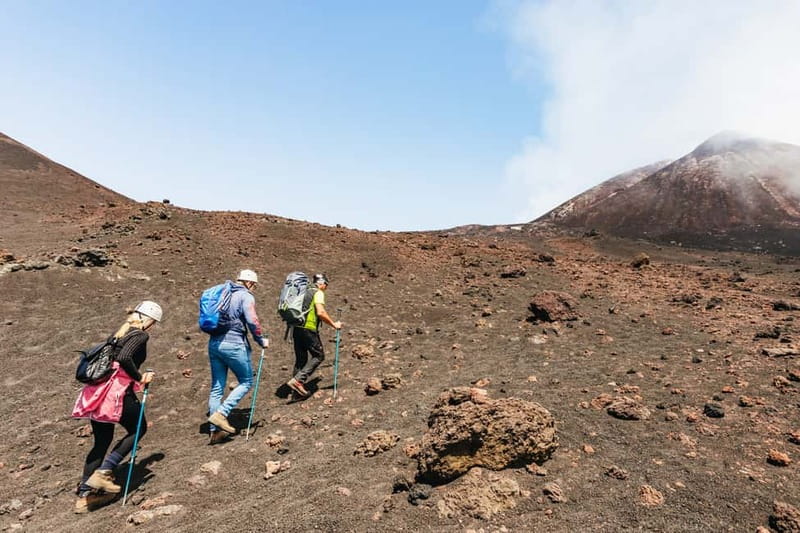
Once you start trekking, you’ll head toward Cratere Centrale dell’Etna. Expect a real climb that’s challenging but not built for total beginners. The tour requires a reasonable level of fitness, and you’ll be walking on rocky, uneven ground.
The upside is how quickly the views ramp up. As you gain height, you’ll start seeing the broader shape of Etna’s summit area and the ways different craters and formations sit alongside each other. Even when visibility isn’t perfect, the textures and colors still tell a story.
This portion is about 4 hours of guided hiking. That pacing is one reason the day feels worthwhile: you get time to slow down, look closely, and still make it back without sprinting.
How Your Alpinist Guide Changes What You See
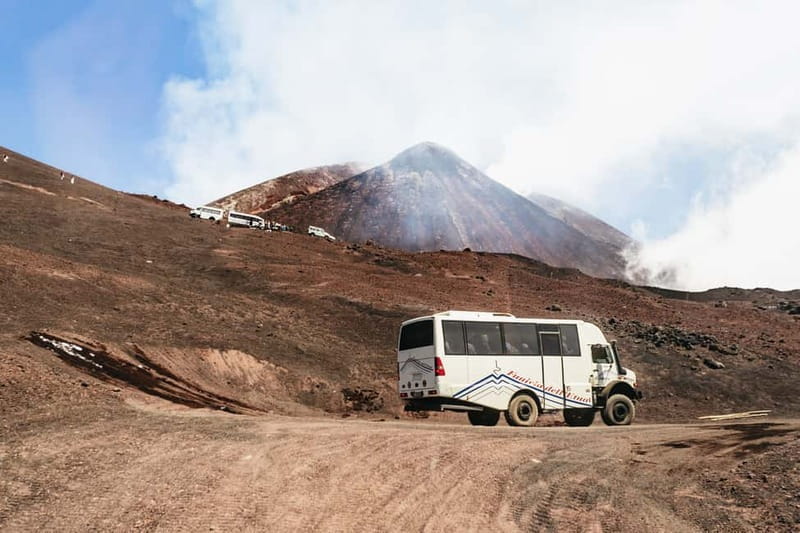
The heart of this tour is the alpinist guide. They’re there for more than directions. You’ll learn history and geology as you walk, and you’ll get help reading what you’re seeing—crater formations, active areas, and why certain zones look the way they do.
In real-world terms, a strong guide also makes the trek feel more doable. You’ll follow along at a pace that works for the group, and you’ll get clear explanations about what’s safe to approach and what to observe from your position. Guides like Vicenzo and Pietro show up in past groups as examples of what this experience aims for: patient, professional, and detail-focused.
The crater views and the “recent eruption” descent
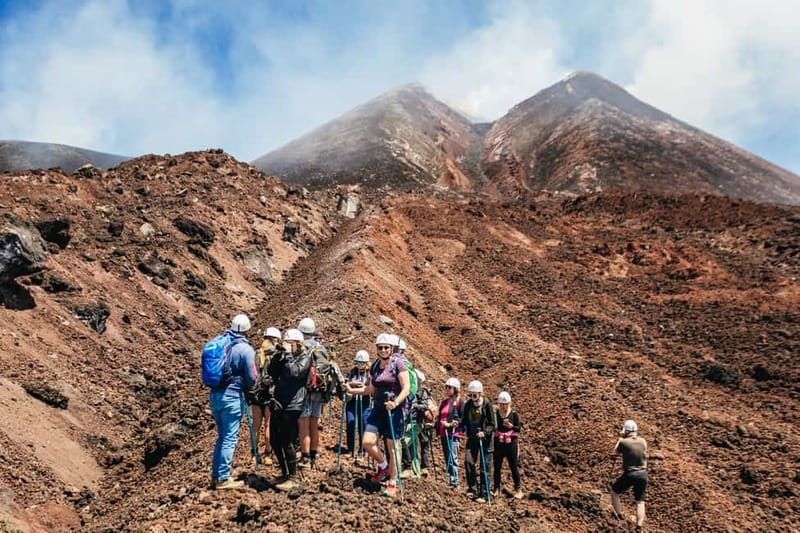
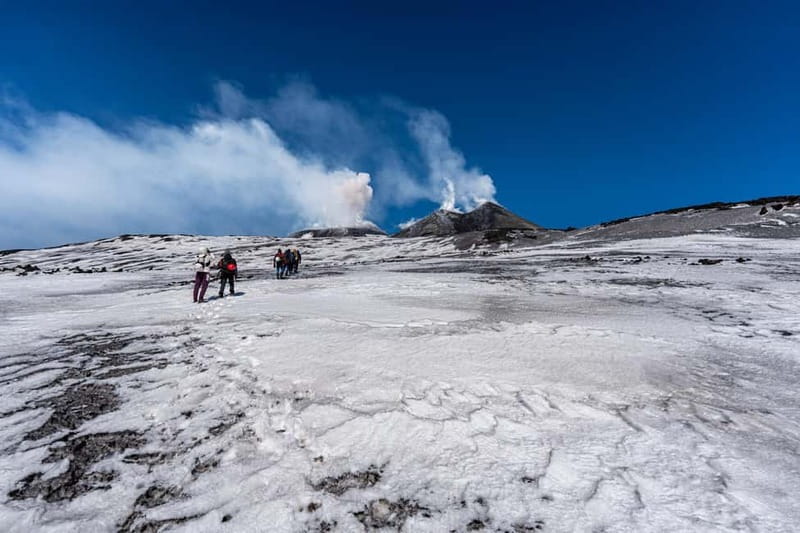
At the summit area, you’ll reach the craters and take a break. This pause matters because the summit environment can shift fast—wind and cold can show up even when the rest of Sicily feels warm. Taking a short recharge break before the next stretch is smart, especially if you’re sensitive to temperature changes.
Then comes the descent on foot. This isn’t just walking downhill to be done with it. As you head back, you’ll explore crater zones linked to recent eruptions, which adds a direct sense of how Etna keeps changing. You’re seeing volcanic activity not as a distant news headline, but as physical features you can point at.
At the end, you walk back toward the cable car and ride down comfortably to the meeting area. The contrast is nice: you go from dramatic crater focus to a calmer return, without turning the day into an all-day slog.
What the tour includes (and what you’ll likely need anyway)
What’s included:
- Alpine/volcano guide
- Hiking tour
- Trekking shoes
- Helmet
- Insurance
From experience-style details, you should also plan as if you may receive extra hiking help on the ground. Some past participants reported being given items like jackets and walking sticks in addition to boots and helmets. Still, don’t assume everything will be perfect for you—think in layers and bring your own basics.
What you should bring (this is the stuff that keeps you comfortable):
- Windbreaker
- Hat
- Water
- Weather-appropriate clothing
- Passport or ID card (copy accepted)
Also, socks matter more than people think. Some hikers recommend bringing long socks for comfort on rocky terrain. If you have the option, pack for cold wind rather than only for sunny Sicily.
Price and value: why the base price may not be the final number
At about $41 per person, the listed price looks like a steal for a guided active-volcano trek. But here’s the key: the cable car (and possibly a 4×4 bus, depending on your option) is not included in the base. That’s normal for Etna tours—transport to the right starting zones costs extra.
You should also expect an add-on range. Past groups noted additional cable car payments such as €33 per person for cable cars and a 4×4 bus option, while another group described a total around €100 per person once add-ons were included. The exact amount depends on the option you select.
So does it still feel like good value? In my view, yes—if you’re treating it as a guided crater hike, not just a scenic trip. You’re paying for:
- a professional guide who can take you to the summit area (where access is restricted),
- insurance,
- and the experience of being in the crater zone with correct safety behavior.
Just budget for the transport add-on so there are no surprises.
Safety, calm volcano conditions, and who should skip this trek
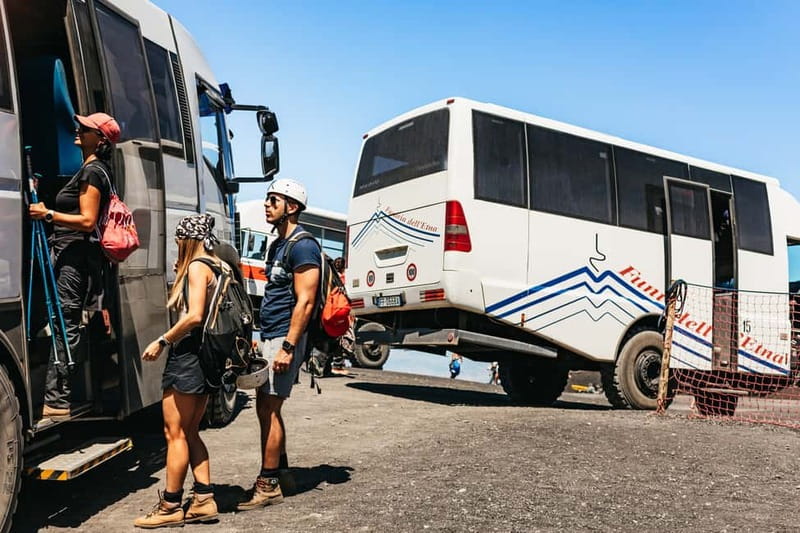
This tour depends on weather conditions and the volcano being calm. That’s not just fine print—it’s the difference between a crater experience and a canceled day. If Etna isn’t quiet enough, you can’t force it.
It’s also not right for everyone. It’s not suitable for:
- pregnant women
- people with mobility impairments
- people with heart problems
- people with high blood pressure
Even if you’re generally active, keep your expectations realistic. Past hikers described the hike as physically hard for them, especially with rocky steps and loose stones. You can take it at a gentle pace, but it’s still a real climb and a real descent.
Timing, group rhythm, and how to avoid feeling rushed
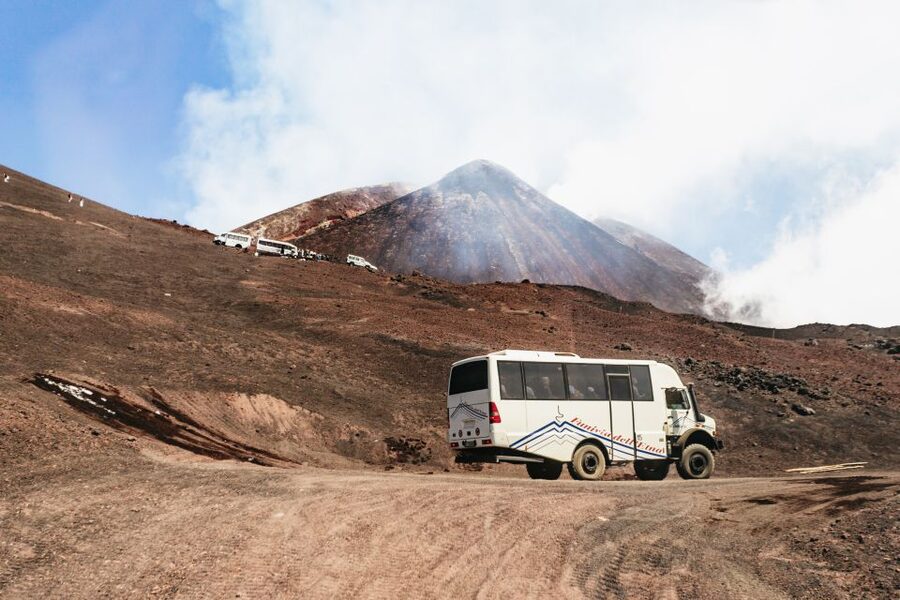
The tour duration is listed as 4–6 hours. In practice, that can vary based on weather, visibility, and how your group moves. The cable car rides bookend the day with about 30 minutes each way, leaving the bulk of time for the hike.
One practical advantage: the guides can support different hiking speeds. Some people reported enough guides to accommodate varying paces, so slower hikers aren’t left behind without support.
Still, it helps to show up ready to move. If you’re the type who likes long, frequent photo stops, build in extra time for slower moments so you don’t feel stressed at the descent.
Practical packing tips for cold wind and sulfur air
Etna summit conditions can be colder and windier than you expect. Even in warmer months, the top can feel chilly once you’re among the clouds or near higher exposure zones. A windbreaker is more useful than a light sweatshirt.
If you’re sensitive to smells or air quality, consider a simple protective option. One participant suggested bringing a paper mask for sulfur. The exact need varies day to day, but it’s a smart “just in case” item if you tend to react to strong odors.
Also, wear footwear you trust. Even though trekking shoes are included, rocky terrain punishes poor fit. If you’ve got sturdy boots, you might prefer using your own. At minimum, check how your feet feel during the first stretch.
Should You Book the Mount Etna Summit Trek?
Book it if you want a guided crater experience with real geology talk and real summit access, not a casual walk. It’s a strong choice for active travelers who can handle rocky trails and want the thrill of seeing Europe’s highest active volcano up close.
Skip it if you have mobility limits or medical conditions listed by the tour, or if you’re looking for something easy. Also think twice if you hate cold wind and uneven footing—because even when visibility is good, the ground can be unforgiving.
If you’re on the fence, do this: budget extra for the cable car/transport option, pack for wind and chill, and plan to go with the weather flow. When Etna is calm and you get clear visibility, the central craters deliver the kind of memory you’ll still talk about back in Sicily’s cities.
FAQ
How long is the Mount Etna summit trek?
The total experience is about 4–6 hours. The hike portion is roughly 4 hours, with about 30 minutes on the cable car at the start and 30 minutes at the end.
Where do we meet for the tour?
You meet at Piazzale Rifugio Sapienza. Keep your voucher with you.
Is the cable car included in the price?
No. The cable car (and possibly a 4×4 bus, depending on your option) is not included in the base price and is paid separately.
What gear is included?
The tour includes an alpine/volcano guide, a hiking tour, trekking shoes, a helmet, and insurance.
What should I bring?
Bring a windbreaker, a hat, water, and weather-appropriate clothing. You also need a passport or ID card (a copy is accepted).
Is the tour guaranteed to run?
It depends on weather conditions and whether the volcano is calm.