REVIEW · MOUNT ETNA
Mount Etna: Summit Trekking Tour
Book on GetYourGuide →Operated by Luca Cosma · Bookable on GetYourGuide
Etna does not do quiet. This trek takes you right to the summit craters of Europe’s most active volcano.
I especially like how the day mixes off-road 4×4 access with a hike that actually gets you into the volcanic terrain. And I also like the way your route can shift based on volcanic activity and weather, so the plan stays safety-first.
One possible drawback: your full summit might not happen on every day. Even when the goal changes, you should still expect a great experience, just not a guaranteed top-to-bottom repeat of the same route.
You meet at Sole-neve Souvenirs at Piano Provenzana, gear up, and head toward the north side of Etna. From there, you’re aiming for summit-area craters around 3,400 meters, with dramatic views toward Sicily, the Aeolian Islands, and the Italian coast when conditions allow.
In This Review
- Key things to know before you go
- Starting at Sole-neve Souvenirs in Piano Provenzana
- Gear you can trust: boots, jacket, and helmet
- Why the 4×4 to 2,900 meters changes the whole day
- The trek to the summit area: what it feels like
- Cratere Centrale visit: guided walking and crater-scale views
- Picnic time on Etna: why the break matters
- Valle del Bove and Pizzi Deneri: where the views get real
- The return via off-road: back down without rushing
- Price and logistics: what the $65 really covers
- Safety and route changes you should expect
- What to bring (and what to do with your face and feet)
- Who this tour is best for
- Should you book the Mount Etna summit trekking tour?
- FAQ
- Where is the meeting point for the tour?
- How long is the Mount Etna summit trekking tour?
- What altitude does the trek start from?
- Does the tour include hiking boots, jacket, and helmet?
- Is the 4×4/Unimog ticket included in the $65 price?
- What languages are the guides available in?
- What should I bring with me?
- Can the route change due to volcanic activity or weather?
Key things to know before you go
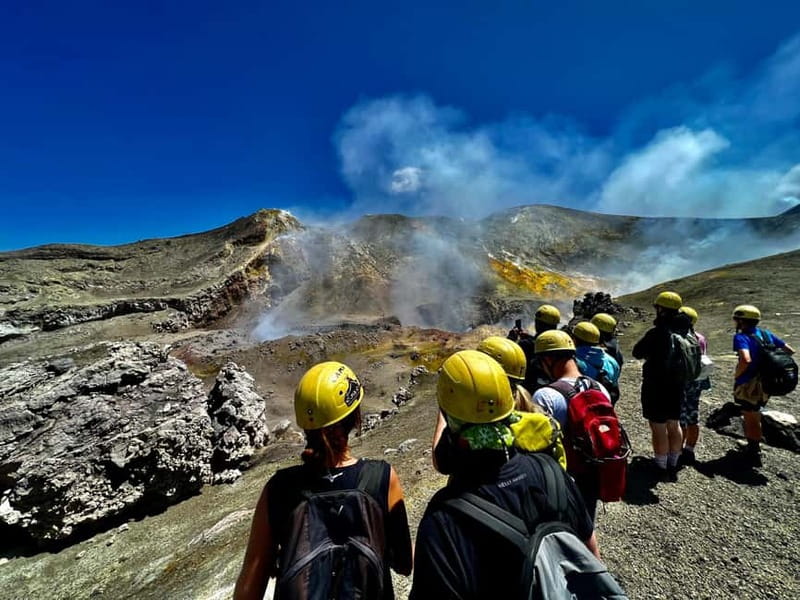
- Summit craters at about 3,340–3,400 meters: you’ll feel the altitude and the wind quickly
- 4×4 on the north side: you’re not stuck on one boring viewpoint road
- Small group (up to 10): easier pace control and more personal attention from the guide
- Helmets, boots, and jackets included: you’re not fighting the weather with the wrong gear
- Route can change for safety: volcanic activity and meteo conditions can alter the hike
Starting at Sole-neve Souvenirs in Piano Provenzana
The day kicks off at the Sole-neve Souvenirs shop, where there’s parking right there. It’s convenient in the very practical way you want for a half-day tour: you can drive in, park, check in, and get going without a complicated hunt for buses or a hidden pickup point.
Before anything physical happens, you get a short safety briefing and equipment checks. Then the guide group forms up and you move to the off-road vehicles. The guide team is led by Luca Cosma, and you may also hike with guides like Marco, Arturo, Paolo, or Basileio. In the best moments, you’ll feel like you’re being watched over, not just herded along.
You can also read our reviews of more tours and experiences in Mount Etna.
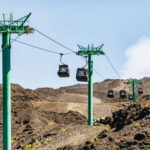
Gear you can trust: boots, jacket, and helmet
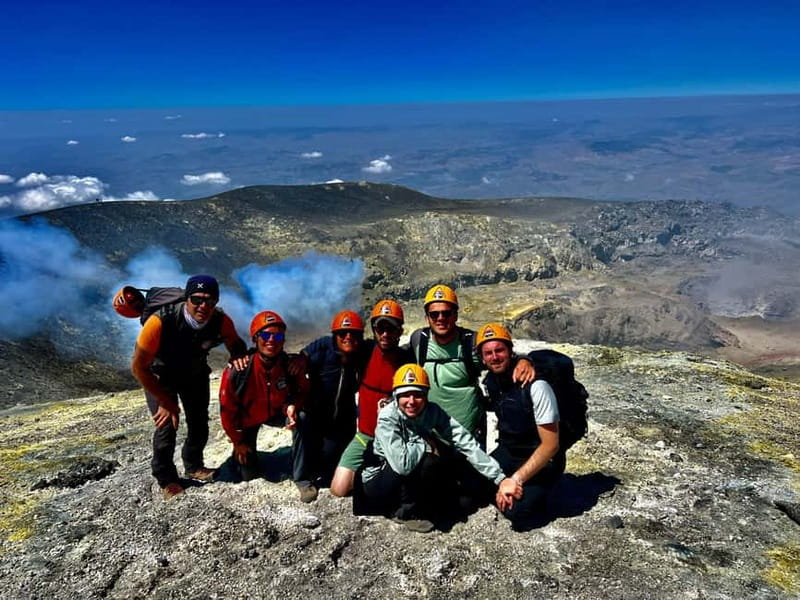
This tour is one of the better deals on Etna because the gear isn’t left to chance. Hiking boots, a jacket, and a helmet are included, along with a volcanological or alpine guide and insurance.
That matters because conditions on Etna can change fast. You can start the day warm, then end up needing layers once you’re higher and exposed. In multiple guide stories, people mention it gets cold up top even in summer, and wind can cut straight through. The included jacket helps, but you should still dress in layers so you can adjust as the temperature and wind shift.
If you don’t have long pants and proper socks, plan to improvise smart. I’d treat this like a rocky trail day where dust and sharp little stones can find their way into your shoes. Some hikers recommend high socks and even gaiters, especially on loose sections.
Why the 4×4 to 2,900 meters changes the whole day
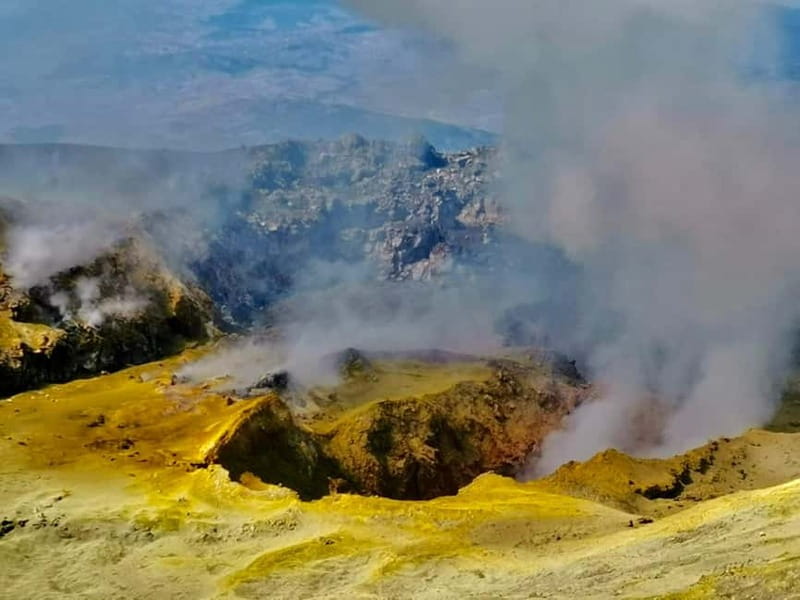
Your trekking starts after you reach about 2,900 meters, after the north-side ride. That 4×4 segment isn’t just transportation. It’s part of the experience because it gets you away from the usual routes and into the wilder zones where the volcano shows its work more directly.
You’re dealing with areas destroyed from recent eruption activity, plus off-road terrain that normal roads never touch. That means you spend more time on the actual summit-area hike and less time waiting around at generic viewpoints.
Also, you’re not alone with the challenge. The guides check pacing and footing, and they adjust for the group. Several hikers mention the guides help anyone who gets nervous on steeper or looser parts. That’s a big deal here, because the terrain can feel less predictable than a normal hiking trail.
The trek to the summit area: what it feels like
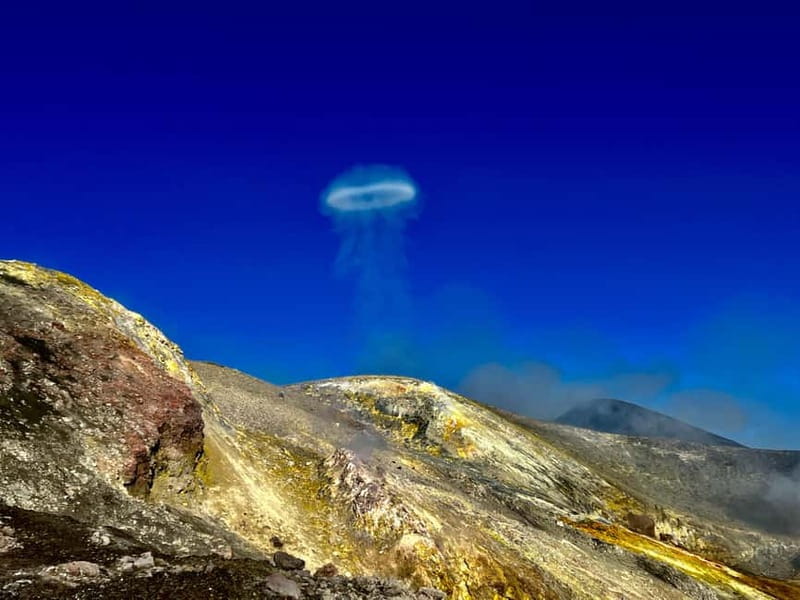
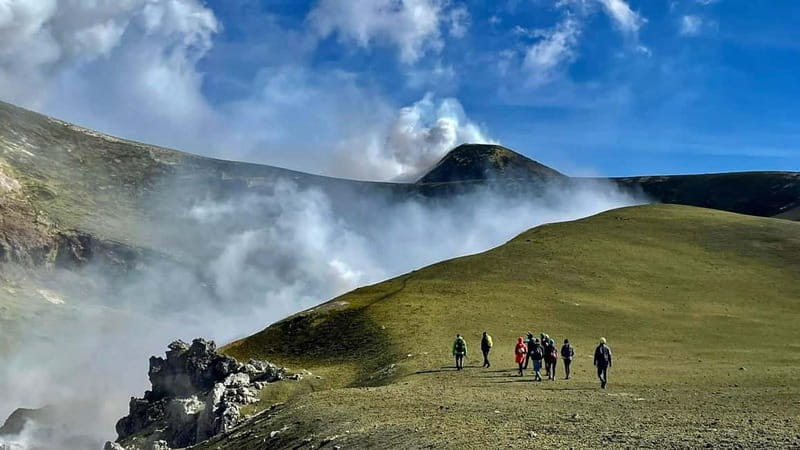
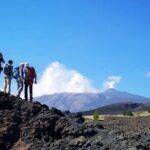
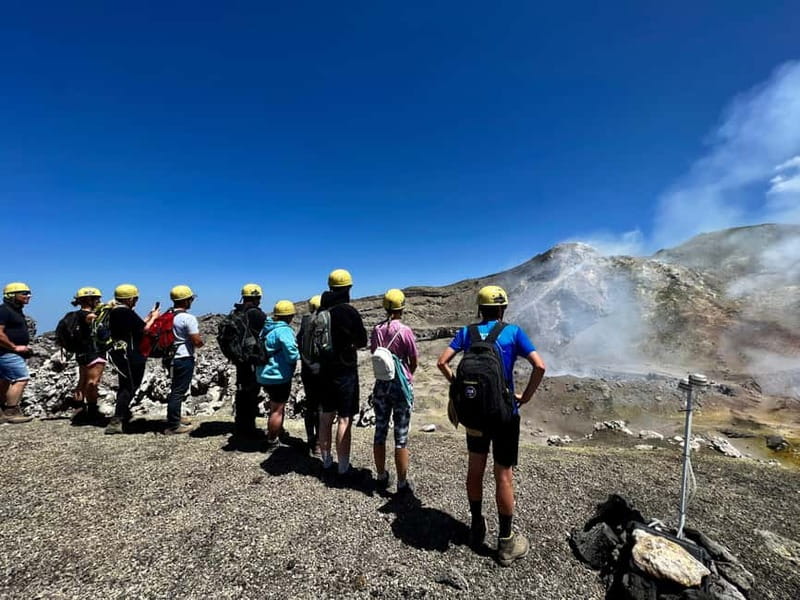
Once the trekking starts, you move through volcanic terrain on the north side. Crossing lava fields is part of the day, and the terrain can feel like it’s from another planet. The hike is not a flat stroll. You’ll likely feel altitude and wind early, especially once you near the summit zone.
The upside is the payoff. This is where the summit craters and the scale of Etna’s activity come into view. At around 3,340 meters, you’re high enough to see Sicily in a wide panorama. When visibility is good, you can look across toward the Aeolian Islands and parts of the Italian coast. When visibility isn’t great, you still get that eerie, emptied-out feeling of being on the least touristic side.
One thing that comes up in real-world experiences: sulfur gas or sulfur clouds can drift into the area. It can be enough to trigger coughing for some people. I’d pack a small scarf or face covering so you can protect your face if the air turns harsh.
Cratere Centrale visit: guided walking and crater-scale views
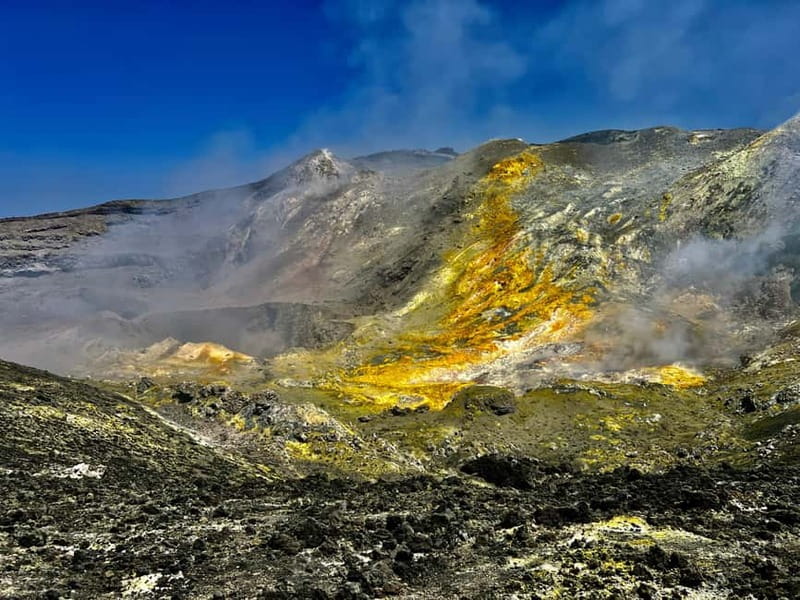
At the summit area, you’ll reach the Cratere Centrale dell’Etna for a guided visit and walk. This portion is designed for crater views on the way, with time set aside to look, learn, and understand what you’re standing near.
This is where the guides’ passion really shows. Many people highlight the guides’ patience and the way they explain volcanology and Etna’s behavior in a way that actually sticks. If you ask questions, you’ll usually get more than a quick answer. Some guides even show materials to help you connect what you’re seeing with how Etna behaves.
Expect a mix of looking and walking. The route and the exact craters visited can depend on volcanic activity and weather, but the goal remains the same: get you to the most impressive crater views that are safe that day.
Picnic time on Etna: why the break matters
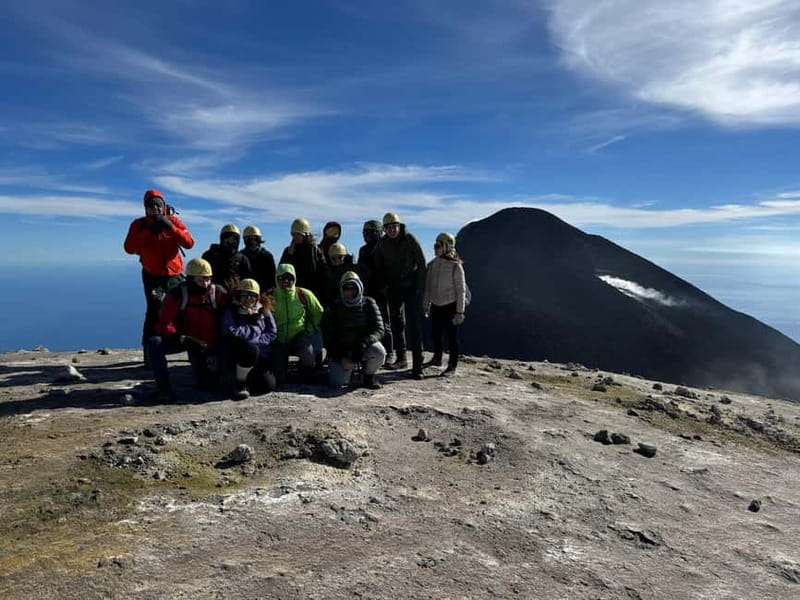
You get a break window with sightseeing and a planned walk/hike segment afterward. Even if you don’t feel like eating, this pause is useful because it helps you reset before the descent.
Important practical note: food and drinks are not included. You should bring your own. The included gear covers cold and trail comfort, but it won’t cover your lunch. If you want energy for the descent, snack during the break instead of waiting until you’re already tired.
On a day with wind, you also need time to control your pace and make sure everyone stays together and steady. Guides often keep an easy, non-rushed flow, and that makes the whole day more enjoyable and less stressful.
Valle del Bove and Pizzi Deneri: where the views get real
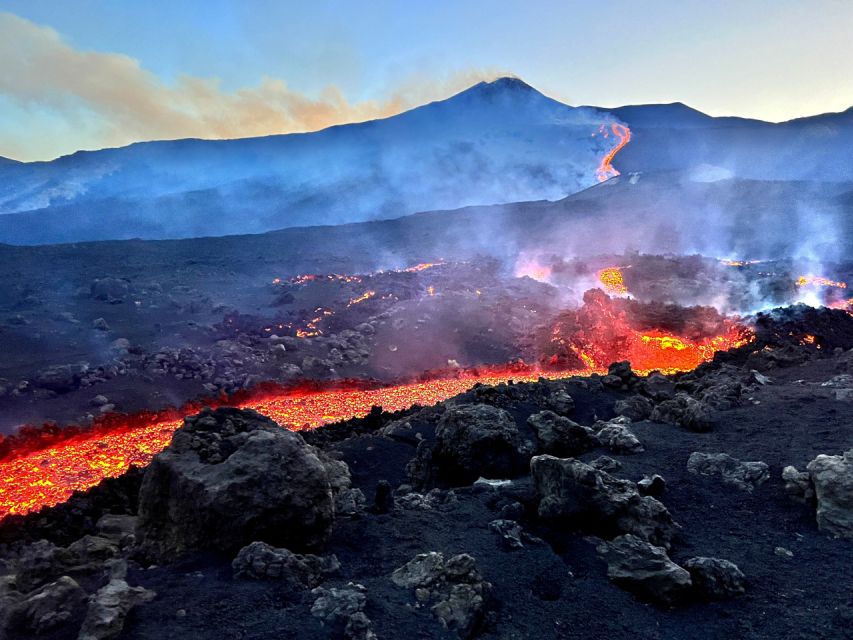
After crater time, you’ll head toward the Valle del Bove area. Part of the descent includes sand gullies that lead into the Pizzi Deneri area, which is known for the view across the Valle del Bove.
The descent is steep in places and the footing can be loose. That’s when good hiking shoes matter. It’s also when your breathing and balance matter more than your speed. The people who enjoy this most tend to go slow, keep their weight centered, and let the group pace carry them.
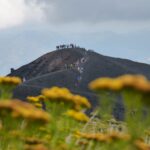
When you reach Pizzi Deneri, the view can feel huge and dramatic. You’re looking over the structure created by Etna’s activity, not just a pretty panorama. This is the kind of view that makes you understand why locals treat Etna like a living force.
The return via off-road: back down without rushing
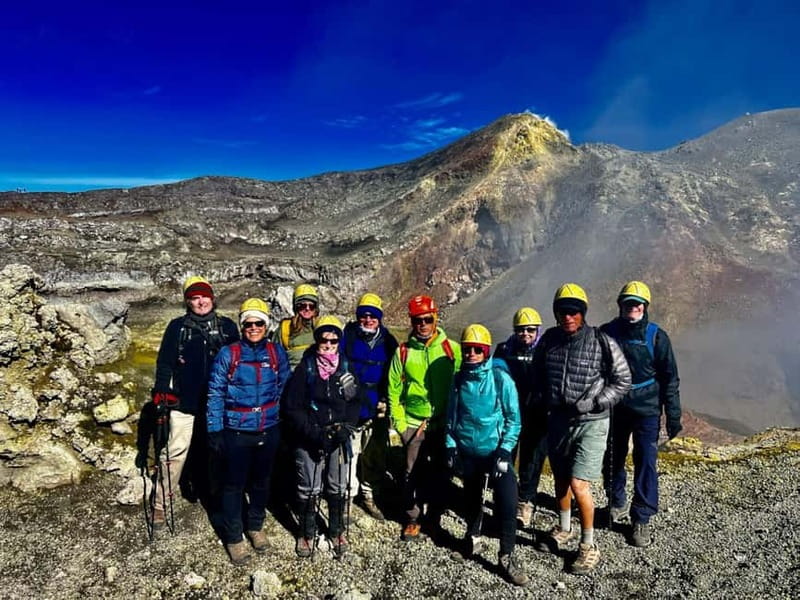
After the Valle del Bove hike, you return by off-road 4×4 back toward the starting point in Piano Provenzana. The ride is the payoff after the day’s physical effort. It also helps you avoid extra downhill time that could otherwise eat into the half-day schedule.
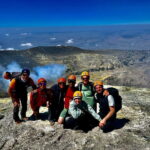
Because the group is small (up to 10), you’re not fighting the pace of a big crowd. That’s one reason people rate this highly: the guides keep time and safety under control while giving you enough moments to take it all in.
Price and logistics: what the $65 really covers
The listed price is $65 per person for the summit trek experience, but you should budget for an extra transportation cost. The Unimog 4×4 round trip ticket is 50 EUR per person, paid in cash on the spot.
That means your true day cost is higher than the headline price. Is it still good value? For Etna, yes, if you want a real summit hike and not just a bus-and-photo outing. You’re getting small group access, guide expertise, and included hiking gear (boots, jacket, helmet). The 4×4 component is a major reason you’re able to reach the higher start point and spend time on the crater terrain.
If you hate surprises, plan ahead and bring enough cash. And if you’re traveling from the coast, remember drive time can be longer than map apps assume because roads near Etna can be slow and winding.
Safety and route changes you should expect
Etna’s summit trekking follows safety rules that depend on volcanic activity and meteo conditions. That’s not a marketing line. It’s a real part of the experience, and it’s why the tour can modify the hike.
On some days, the team may not bring everyone all the way to the summit craters. When that happens, the operation can still offer an adjusted route, such as reaching around 3,000 meters for views and then hiking a bit lower. In other cases, they may keep you within safer boundaries based on wind and gas direction.
Also, the guide team is clearly used to handling group needs. Several experiences mention watching for lagging hikers, assisting nervous people on steeper parts, and adjusting pace to match conditions.
One more safety angle: this tour isn’t suited for everyone. It’s not recommended for pregnant women, people with heart problems, people with low fitness, or anyone with respiratory issues. If breathing is an issue for you, the possibility of sulfur gas drift and wind exposure matters.
What to bring (and what to do with your face and feet)
Use the included boots and jacket, but don’t show up in summer sandals and hope for the best. You should bring:
- hiking shoes
- weather-appropriate clothing and layers
- sunglasses and a sun hat
- a daypack
- food and drinks
- cash (for the 50 EUR ticket)
- a jacket even if it seems warm at the start
I’d also add a couple optional items based on real conditions people described: a face covering or scarf for sulfur dust, and long trousers plus long socks to protect your ankles and reduce grit in your shoes. Also, avoid contact lenses if you’re sensitive to wind and dust.
Who this tour is best for
This is best for you if you want Etna as an active, physical experience, not a quick stop. You’ll likely enjoy it most if you like geology, big views, and walking over volcanic ground.
It also works well if you want a guide who’s calm and hands-on. People repeatedly mention patience, careful route marking, and guides who stick with the group. If you’re coming solo or in a mixed-language group, small group size helps because the guides can manage pacing without turning it into a parade.
If you’re not comfortable with altitude, steep sections, and loose volcanic material, choose a gentler Etna option. This is real hiking, not just a walk to a crater edge.
Should you book the Mount Etna summit trekking tour?
Yes, if your priority is reaching the summit craters area on the north side and you’re okay with some uncertainty. Etna is a working volcano, and that’s part of the honesty of this tour: you’re planning for safety first, not forcing a rigid itinerary.
Book it if you want good value for money in the Etna universe—small group size, real crater access, and included boots/jacket/helmet—plus the kind of guide support that helps people feel steady even when it gets steep or windy.
Skip it if you have respiratory issues, heart problems, or you can’t manage steep and loose footing at high altitude. Also skip if you hate variable routes; even though many days still deliver summit-area experiences, the plan can adjust when conditions change.
If you’re ready for wind, dust, and that unmistakable feeling of being on the edge of an active volcano, this is one of the most direct ways to experience it.
FAQ
Where is the meeting point for the tour?
You meet at the Sole-neve Souvenirs shop at Piano Provenzana Etna North, which has parking.
How long is the Mount Etna summit trekking tour?
The total duration is about 4.5 hours.
What altitude does the trek start from?
After briefing and equipment checks, you reach around 2,900 meters and that’s where trekking starts.
Does the tour include hiking boots, jacket, and helmet?
Yes. Hiking boots, a jacket, and a helmet are included, along with a volcanological or alpine guide and insurance.
Is the 4×4/Unimog ticket included in the $65 price?
No. A Unimog 4×4 round trip ticket costs 50 EUR per person and is paid in cash on the spot.
What languages are the guides available in?
The live tour guide is available in English, Italian, and French.
What should I bring with me?
Bring sunglasses, a sun hat, food and drinks, hiking shoes, a jacket, weather-appropriate clothing, a daypack, and cash for the 4×4 ticket.
Can the route change due to volcanic activity or weather?
Yes. The trek can be modified depending on volcanic activity and meteo conditions, and safety rules apply in the summit area.