REVIEW · KATHMANDU
Manaslu Circuit Trek (15 Days)
Book on Viator →Operated by Sole Encounters Adventures · Bookable on Viator
This trek starts with mountains that feel off-limits. Manaslu’s quieter trail and Tibetan-flavored villages make it a strong alternative to Nepal’s busiest routes. You’ll be walking toward the heights of Larkya Pass with a team that prioritizes safety and keeps logistics clear from day one.
Two things I really like: the group size cap (15 trekkers max) means you don’t feel swallowed by crowds, and the support structure is built for confidence—licensed guides, an assistant guide, and porters with a 2 trekkers to 1 porter ratio. The trip also leans practical and responsible, using local teahouses and aiming to reduce waste.
One thing to consider before you book: the price covers core services, but meals during the trek and drinking water are not included, so you’ll want to budget for day-to-day food and water purification. Also, you’ll need your own travel insurance that covers medical and helicopter evacuation up to the trek’s highest altitude.
In This Review
- Key highlights at a glance
- Why the Manaslu Circuit feels calmer than Nepal’s big trek routes
- Price and logistics: what $1,657.50 covers, and what you must add
- Kathmandu start: Thamel base, airport transfer, and permit setup
- Machha Khola to Jagat and Deng: Budhi Gandaki river days
- Namrung, Lihi, and Shyala: Tibetan stone, yak pastures, and steady climbs
- Samagaun and Pungyen Gompa: acclimatization that doesn’t feel like a chore
- Samdo and Dharamsala: the high-altitude pause before the big crossing
- Dharamsala to Bimthang: starting before dawn and earning Larke Pass
- Bimthang to Dharapani: forest return and the feeling of legs “coming back”
- Back to Kathmandu: shared jeep from Dharapani area and time in Thamel
- Teahouses, water, and power: what comfort looks like on this circuit
- Who should book this Manaslu Circuit Trek
- Should you book Sole Encounters Adventures for the Manaslu Circuit?
- FAQ
- Do I need a visa for Nepal, and how much is it?
- Does the trek require travel insurance?
- What permits are included in the trek price?
- Are meals included during the trek?
- Is drinking water included?
- What’s the group size for this trek?
Key highlights at a glance
- Licensed, first-aid trained trekking leadership plus an assistant guide for extra on-trail support
- Permit handling with passport collection and photo requirements so you’re not chasing paperwork in Nepal
- A quieter circuit that avoids the classic noise of Everest and Annapurna-style trails
- Teahouse nights in standard rooms with extra-charge add-ons like hot showers and battery charging
- A well-paced acclimatization flow with side hikes like Pungyen Gompa to help you get ready
Why the Manaslu Circuit feels calmer than Nepal’s big trek routes
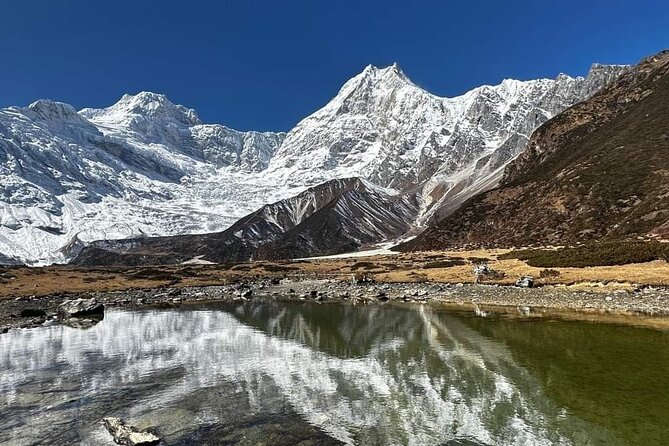
Manaslu’s circuit gives you the same big-Himalaya feeling without the same crowds. From the first days walking along the Budhi Gandaki River, the trail stays intimate—small villages, narrow footpaths, and stretches where you’re mostly listening to wind, water, and your own footsteps.
Culture is a big reason this route works. You’ll see Tibetan-influenced stone houses and mani walls, and the high-altitude settlements feel more like a living borderland than a tourist strip. That’s why I think this trek is a good match if you want the mountains and the people—not just photos from the same viewpoint as everyone else.
It’s also a trek where “scenic” doesn’t mean constant postcard moments. You’ll earn views with steady effort: ridges, switchbacks, river corridors, and then the alpine feel as you climb. The trade-off is that you need to respect the effort. This is not a stroll, even on easier days.
You can also read our reviews of more tours and experiences in Kathmandu.
Price and logistics: what $1,657.50 covers, and what you must add
Let’s talk value first. At $1,657.50 per person, you’re paying for the backbone of the trip: government fees and permits, Kathmandu lodging, teahouse accommodation, and trained crew support. The package also includes private airport transfers and some private transport segments, plus a shared jeep portion later in the journey.
More importantly, it includes the safety and staffing layer that many cheap treks skip. You get a professional, government-licensed, first-aid trained guide, porters (with a 2 trekkers to 1 porter ratio), and one assistant guide per 5 trekkers. There’s also insurance coverage for the trek crew (guides/porters), which matters for operational risk.
Now the costs that you should plan for:
- Trek meals are not included (you’ll handle lunches/dinners at teahouses). The package includes 2 breakfasts and 2 dinners, plus Kathmandu hotel breakfast and welcome/farewell dinners.
- Drinking water is not included; you’ll want a filter bottle or purification tablets.
- You still need your own travel insurance, explicitly covering accidental/medical needs and helicopter evacuation up to 5200 m.
- Nepal visa fee is not included (listed as USD 30 per person).
- Hot showers, charging, and Wi‑Fi are usually extra at teahouses.
If you budget for those items early, the price starts to feel fair for a protected, permit-based, staffed trek.
Kathmandu start: Thamel base, airport transfer, and permit setup
Your trek begins in Thamel, Kathmandu, with pickup offered and a transfer to a 3‑star hotel (breakfast included). This first day is basically your reset: check in, get supplies, and let Kathmandu’s pace wear off.
The second day is the practical one, and it’s worth paying attention to. Permits for the Manaslu area require paperwork that can’t be improvised at the last minute. Your representative collects your original passport plus two passport-sized photos so immigration can issue the trek permits. That means you should keep your passport secure, and you should also avoid showing up with unclear photo details.
This is also when you’ll want to do the “boring but smart” prep: confirm you have purification supplies, review your clothing layers, and make sure you can move comfortably with your planned packing strategy.
Then, once the paper work is handled, you shift from city planning to trail living. Kathmandu days can feel like they stretch, but for permit-dependent treks, this step is what keeps the rest smooth.
Machha Khola to Jagat and Deng: Budhi Gandaki river days
The trek proper starts with a long scenic drive from Kathmandu to Machha Khola. Once you’re on the trail, the Budhi Gandaki River becomes your constant companion. You’ll walk narrow, rocky paths and pass through early villages where the pace is slower and the views open up in bursts rather than all at once.
A couple of details make these days special:
- You pass Tatopani, a natural hot spring near the riverbank. Even if you don’t stop to soak, it’s a memorable landmark.
- You move through settlements like Dobhan and then into Jagat, with today’s walking listed around 15 km (6–7 hours) and roughly 600 m ascent.
- Next is Deng, about 18 km (7–8 hours). The route totals meaningful uphill work (listed around 1,050 m ascent) with sections of flatter walking.
This section of the circuit is where you should focus on rhythm. Your goal isn’t to “win” the mountains. It’s to find a pace you can repeat tomorrow: steady steps, regular water (filtered), and a calm start each morning.
If you go too hard early, the later days will feel harsher than they need to.
Namrung, Lihi, and Shyala: Tibetan stone, yak pastures, and steady climbs
By the time you reach Namrung, the trek starts to feel more altitude-led than river-led. You’ll trek about 19 km (7–8 hours) on the route to Namrung, with strong ascent listed around 1,100 m. Expect forested travel with moments where the trail tightens into switchbacks and then opens into village views.
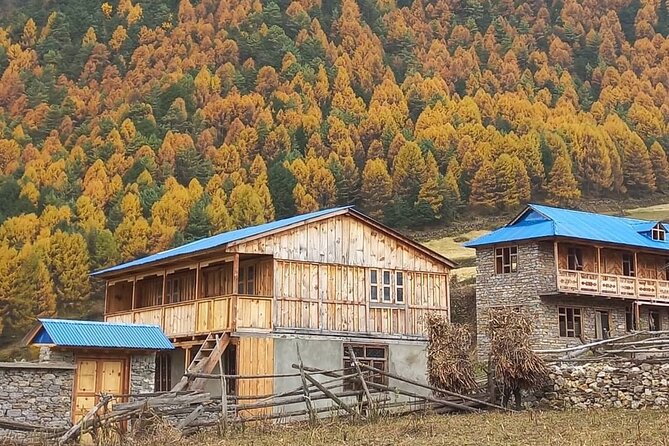
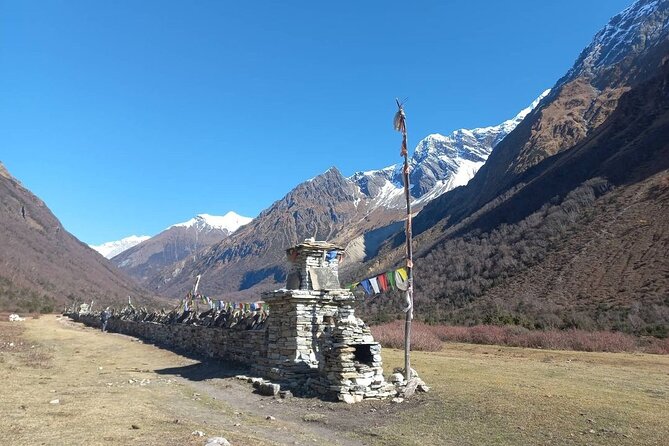
From Namrung onward, you’ll notice the culture shift. Tibetan-influenced stone houses show up more often, and the settlements feel less like “transit stops” and more like places with routines. You’ll also reach Lihi after a day of walking that includes about 700 m of ascent (with less descent), plus terraced fields and yak pastures in the mix.
Then comes Shyala, a higher village surrounded by Himalayan giants in the route description, including Manaslu, Himalchuli, Peak 29, and Ngadi Chuli. Even if clouds come and go, the air changes here—thinner, sharper, and more focused on the climb ahead.
If you like “feels different today” travel, this is the stretch. The terrain keeps changing, and so does how you breathe.
Samagaun and Pungyen Gompa: acclimatization that doesn’t feel like a chore
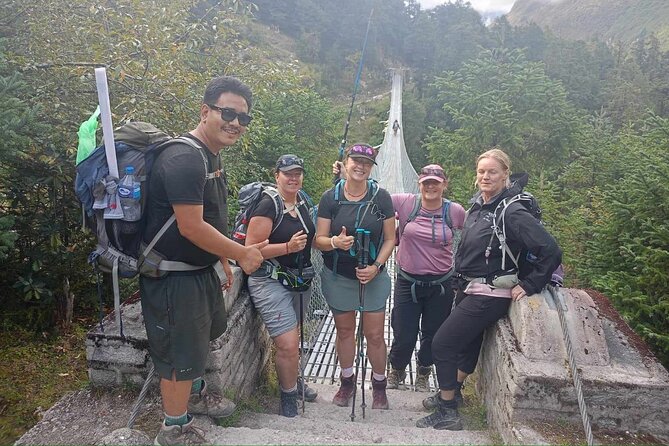
After Shyala, you head toward Samagaun, trekking around 17 km with about 500 m ascent listed for that day. This is the part of the circuit where yak pastures and scrubland appear more often, and where mornings can feel extra clear—though you should still plan for weather swings.
Samagaun is also where you get an acclimatization break that’s actually interesting. You’ll do a 3–4 hour roundtrip hike to Pungyen Gompa, a monastery perched on a ridgeline with panoramic views of Mt. Manaslu and surrounding peaks. The hike starts with forest ascent and then steepens, which helps you adjust without turning acclimatization into wasted days.
That monastery visit is also culturally meaningful. You’re not just chasing altitude. You’re seeing how people relate to these mountains—through prayer flags, stone walls, and the calm logic of a place built for endurance.
From a trekking standpoint, this is smart planning: you’ll gain elevation, then settle back into village life. That pattern matters when you’re preparing for the hardest part of the circuit.
Samdo and Dharamsala: the high-altitude pause before the big crossing
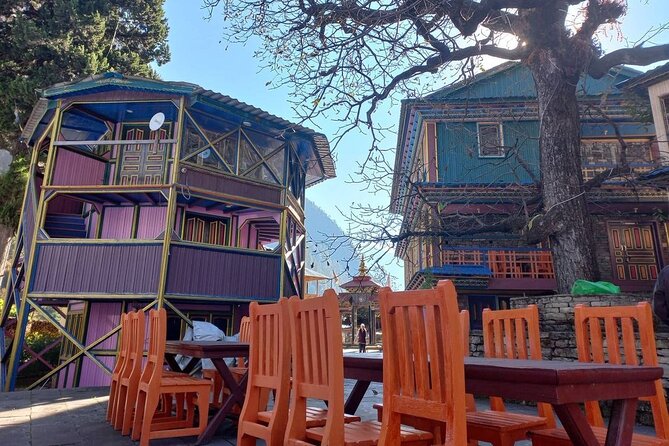
Next you move toward Samdo, with the day starting gentle descent to a wooden bridge over the Budhi Gandaki River, then climbing past dry yak pastures and mani walls. This transition is where the environment starts to look harsher, but also more open.
The day after is about Samdo to Dharamsala, described as a short but crucial acclimatization hike before tackling the Larke Pass crossing. The route is rocky alpine terrain with sparse vegetation. That detail matters: you may not walk forever, but you’ll walk on surfaces that feel more demanding underfoot than earlier muddy river paths.
This “pause day” style is exactly what keeps the trip feeling safer. You’re not just throwing yourself into the pass. You’re preparing your body for the rhythm changes of late ascent: higher effort, slower pacing, and a stronger focus on breathing control.
Dharamsala to Bimthang: starting before dawn and earning Larke Pass
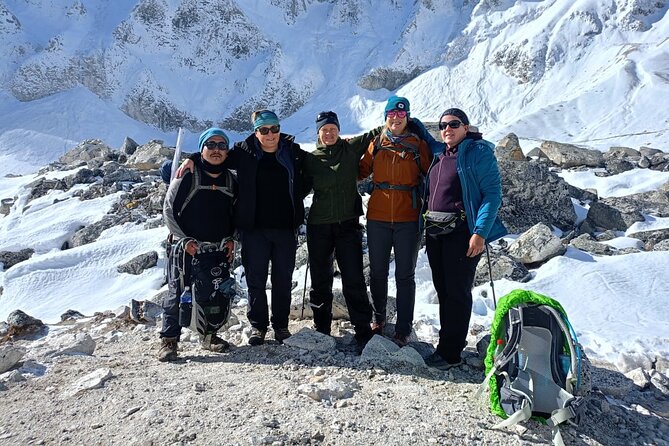
The most demanding day is Dharamsala to Bimthang, and it starts before dawn. That early start is not just tradition; it’s about timing the crossing and managing weather. The trek climbs over rocky moraine and glacier-draped terrain, and the description emphasizes that the day is both challenging and rewarding.
If you take only one lesson from this section, make it this: you need a calm head. When you start in low light at high elevation, panic is your enemy. A good guide will keep the group moving steadily, not aggressively.
I also like that this trek’s support system is structured. With a licensed guide, an assistant guide, and porters, you’re not trying to self-manage everything on the steepest day. In past trek feedback connected to this operator, people have specifically praised the team’s attention to safety and organization—names like Raj Rai and Tshering came up for smooth trail management and careful group care.
After the crossing day work, Bimthang is where you land after effort. Even if the views hit you hard, you’ll still need to treat it as recovery: early night, careful hydration, and simple walking the next morning.
Bimthang to Dharapani: forest return and the feeling of legs “coming back”
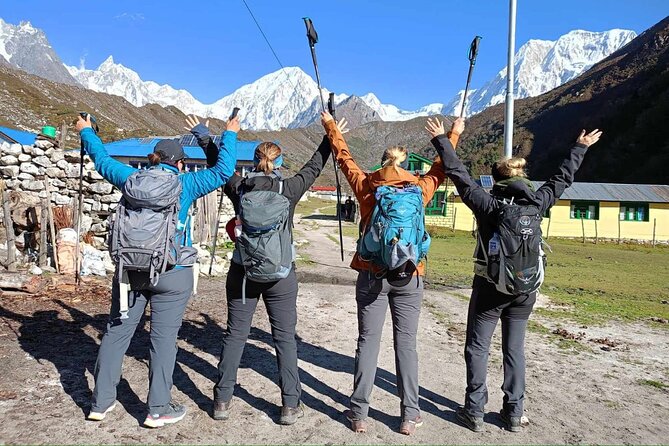
Once you’re through the hardest section, the circuit turns toward Dharapani. The route descends through varied terrain—transitioning from alpine scrub into denser forests of pine, rhododendron, and oak.
You’ll also pass Yak Kharka, described as a seasonal grazing area where herders bring live yaks. This part of the circuit helps you shift back into a more human-paced setting. You’re moving through zones that still operate for animals and herders, not just trekkers.
Walking days near the end are often psychologically tricky. Your body starts to feel better, and that can tempt you to walk faster than you should. Keep the same discipline: don’t sprint downhill, and don’t skip breaks just because you think you’re done with altitude stress.
Back to Kathmandu: shared jeep from Dharapani area and time in Thamel
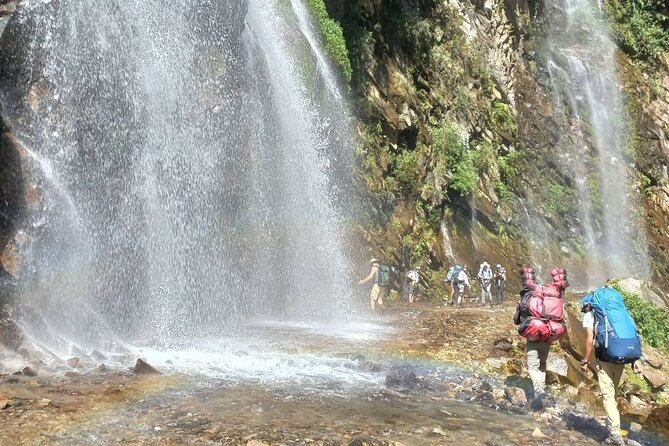
On the return day, you board a shared jeep from the Dharapani side and travel toward Besisahar, then continue with private transport back to Kathmandu. The drive is described as bumpy but scenic, with river-side motion along the Marsyangdi River and passing through Tal village with cascading waterfalls noted along the way.
When you reach Kathmandu again, you’re not just “ending.” You’re switching modes. This is where I’d plan a low-pressure afternoon: revisit Thamel streets, get a final meal, and focus on sleep quality. If you have time depending on your flight, you can do last-minute souvenir shopping or a quiet café moment—something Kathmandu does well.
This is also when you’ll appreciate that the package starts and ends back at Thamel, so you don’t need to reorganize your day with extra transfers.
Teahouses, water, and power: what comfort looks like on this circuit
You’ll sleep in standard teahouses during the trek. That usually means simple rooms, practical dining, and warm enough blankets—though you should expect cold at higher elevations. In the included items, you get accommodation, but you’re not buying luxury.
Two comfort points to plan for:
- Hot showers, battery charging, and Wi‑Fi are available for an extra fee at most teahouses, so don’t assume you’ll stay fully powered every day.
- Drinking water is not included, so build your hydration routine around purification. A filter bottle or purification tablets are specifically recommended.
For most hikers, this is where “good trekking” becomes more important than “perfect comfort.” If you pack smart layers and keep your water routine consistent, teahouses become a warm reset rather than a hassle.
Who should book this Manaslu Circuit Trek
This works best for you if:
- you can handle multi-hour hiking days and want a route with less crowd pressure
- you prefer villages and Tibetan-influenced culture, not only viewpoint chasing
- you want a guided trek with safety structure, including licensed leadership and an assistant guide
It also fits well if you like clear communication. In trek feedback tied to this operator, people highlighted strong pre-arrival information and attentive support from the operations side—Prashant and Prem were named for pre-arrival support, and Ishwor Rai was mentioned in connection with professional on-the-ground operations.
If you’re unsure about fitness, the provided guidance says you should have moderate physical fitness. That doesn’t mean “easy.” It means you should be able to hike consistently and recover between days without needing constant reassurance.
Should you book Sole Encounters Adventures for the Manaslu Circuit?
I’d book this trek if you want a supported, permit-based Manaslu experience that’s built for real conditions—not just marketing photos. The biggest strengths are the staffing ratio, the licensed leadership, and the way acclimatization is folded into the route through meaningful hikes like Pungyen Gompa.
Also, the eco-leaning approach matters for a circuit trek. Using local teahouses and aiming to reduce waste is the kind of choice that helps keep these communities functioning. And with a maximum of 15 trekkers, you’re more likely to feel the circuit than get lost in a big group shuffle.
Just be honest about the non-included items: trek meals and water, plus your own travel insurance. If you treat those as part of the plan, the trip’s value makes sense. If you’re hoping the package covers everything down to lunch and purified water, you’ll want to adjust your expectations.
FAQ
Do I need a visa for Nepal, and how much is it?
Yes. The Nepal visa fee is listed as USD 30.00 per person. It can be paid on arrival at the airport or arranged online in advance.
Does the trek require travel insurance?
Yes. Travel insurance is not included in the package, and you need coverage for accidental and medical needs plus helicopter evacuation, up to the trek’s highest altitude of 5200 m.
What permits are included in the trek price?
The package includes entrance fees for the Manaslu Conservation Area Permit, Annapurna Conservation Area Permit, and a Special Restricted Area Permit issued through Nepal’s immigration department.
Are meals included during the trek?
Not fully. Meals during the trek are not included, though the package lists 2 breakfasts and 2 dinners. Hotel breakfast in Kathmandu and welcome/farewell dinners are part of that included meal support.
Is drinking water included?
No. Drinking water is not included, and you’re advised to bring a filter bottle or purification tablets.
What’s the group size for this trek?
The tour/activity has a maximum of 15 travelers.