A good walk in Sapa beats a bus ride. This 1-day Hidden Trail trek strings together mountain viewpoints, short forest paths, and village life along the Muong Hoa valley, with guides who explain what you’re seeing as you go.
I love the way it mixes big panoramic stops with real culture time in villages like Hang Da and Giang Ta Chai. You also get a simple, organized flow for a day that can feel long on the hills.
The main thing to consider is that this is not a gentle stroll. Expect steep steps, uneven ground, and sometimes mud, so you’ll want moderate fitness and good shoes if the weather turns.
In This Review
- Key Highlights You’ll Notice Fast
- The Route: Why This Trek Feels More Personal Than a Typical Sapa Tour
- 9:00am Start and the Real-Time Pace (5 to 6 Hours on Paper, Longer in Practice)
- Ham Rong Mountain: Your First Big Views (and a Good Warm-Up for the Day)
- The Viewpoint Payoff: Dragon Jaw and the Moment the Valley Opens
- Hang Da Village: H’Mong Culture, Big Rocks, and Real-World Context
- Bamboo Forest + Village Lanes: The Middle Stretch That Keeps It Interesting
- Giang Ta Chai Village: Dao and Black H’Mong, Plus a Small Museum Stop
- Lunch on the Trail: Not Fancy, but It Often Feels Like the Real Point
- Price and Value: Why Around $35 Can Make Sense Here
- What to Pack (Because Sapa Will Humble Your Shoes)
- Who This Trek Fits Best (and Who Might Prefer a Simpler Day)
- Weather Reality Check: Rainy Season Can Change Everything
- Final Thoughts: Should You Book This 1-Day Hidden Trail Trek?
- FAQ
- What time does the trek start, and where do we meet?
- How long is the trek?
- Is pickup included?
- What’s included in the price?
- Do I need to pay for villages entry fees?
- Is this tour private or shared?
- Can I cancel for free?
Key Highlights You’ll Notice Fast
- Dragon Jaw-style viewpoints for those wide Sapa-and-valley views
- Village stops with culture explanations, including traditional clothing and local customs
- A short bamboo forest stretch that breaks up the hiking rhythm
- Local lunch and rice-territace context that makes the day feel more than scenery
- Guides who pace for you (I’ve seen names like Nhu, Zo, Chu, and TJ get praised for patience)
The Route: Why This Trek Feels More Personal Than a Typical Sapa Tour
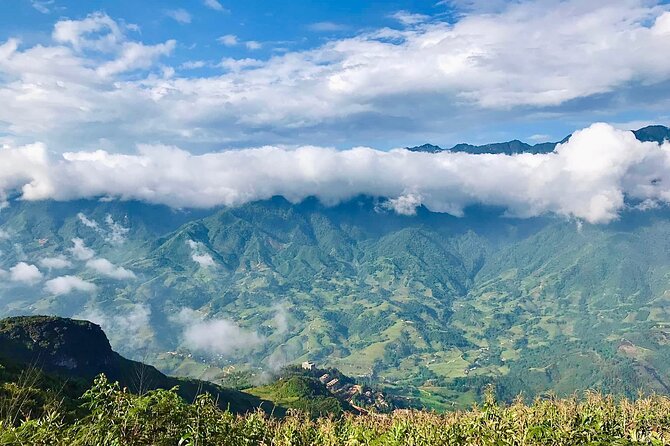
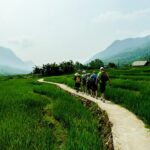
This is the kind of Sapa day trip that works because it’s not only about seeing from far away. You start in town at 9:00am, then move upward and through rural paths where the views keep opening in small, earned steps. Instead of racing through checklists, you’re guided from viewpoint to village to valley, with time to look, ask questions, and take photos when the light hits.
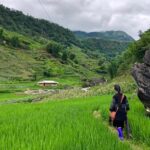
What makes this trek stand out is the balance: mountain air at the top, then quieter village lanes as you descend. The Muong Hoa valley portion matters because it’s where Sapa’s patchwork of terraces, homes, and footpaths makes sense in human scale.
You’ll also feel how much your guide shapes the experience. Multiple people highlighted guides by name—Nhu, Zo, Chu, Phenh, TJ, Jacob, and Fin came up for patient pacing and clear explanations. That’s a big deal when you’re walking uphill for hours.
9:00am Start and the Real-Time Pace (5 to 6 Hours on Paper, Longer in Practice)
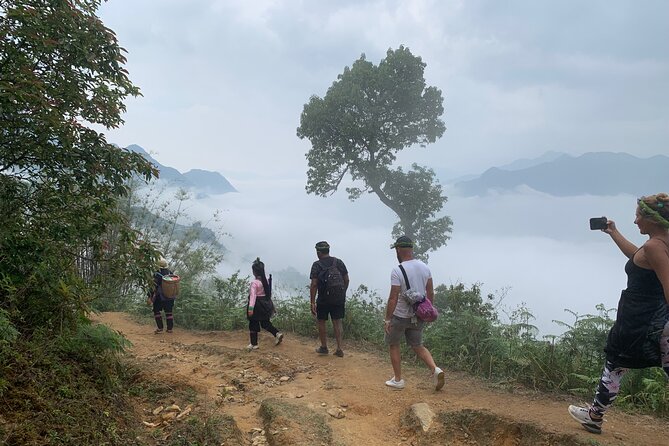
The scheduled trek runs about 5–6 hours, but plan like a realistic hiker. Some guides keep breaks short and moves steady; in wetter conditions, footing slows you down. One review described about 6–7 hours of hiking with inclines and uneven surfaces. Another mentioned roughly 20,000 steps in a full day.
So here’s the practical mindset: treat it as a full morning-to-mid-afternoon hike, not an easy half-day. If you’re new to trekking, take your time on the uphill sections. If you’re a stronger walker, you’ll still want the breaks—views at the right moment beat speed.
Also, you’ll be back around town at the end. Transportation back to the center is included, which keeps the day from turning into an extra logjam.
Ham Rong Mountain: Your First Big Views (and a Good Warm-Up for the Day)
The day begins at Ham Rong Mountain with either pickup from your hotel or meeting at Sapa Church. After a quick briefing, you head out from the town center and start getting altitude in your legs early.
This first mountain stop matters because it sets expectations. You’ll quickly understand what kind of walking the rest of the trek will involve: uphill effort, narrow paths, and the need to keep your footing when the ground is uneven. It also gives you an early reward—Sapa’s scenery starts showing itself in layers, not all at once.
If you’re prone to getting winded, this is where you learn your pace. Several reviews praised guides for hiking patiently, including when someone needed slower steps or a different route. That kind of flexibility is what keeps the day fun instead of frustrating.
The Viewpoint Payoff: Dragon Jaw and the Moment the Valley Opens
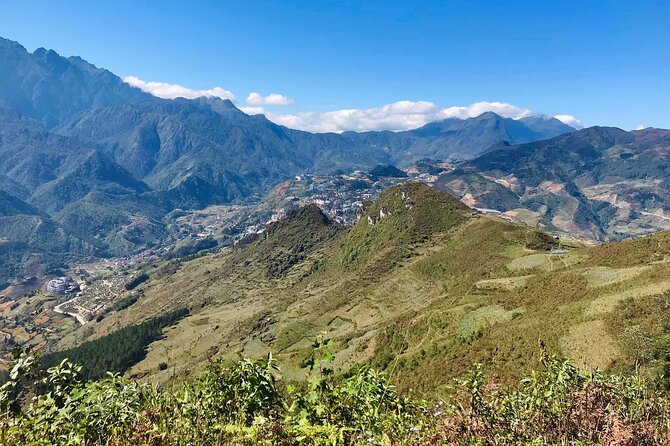
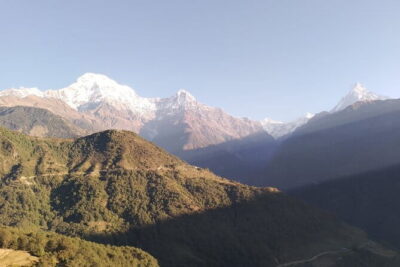
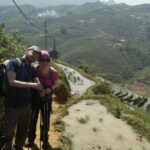
The headliner is the Dragon Jaw mountain area (listed at 1,970m in the experience overview). This is the stop where you’re aiming for the sweeping Sapa-and-village panorama—people describe it as phenomenal when the weather cooperates.
One key reality check: weather can make or break these high viewpoints. In rainy season, clouds can roll in and hide the valley, even if you reach the right spot. That’s why I’d treat visibility as part of the itinerary, not a guarantee.
If you want the best odds, pick the season wisely. One review warned that June is often rainy, and another suggested March–April and September–October as better windows for visibility and hiking conditions.
Hang Da Village: H’Mong Culture, Big Rocks, and Real-World Context
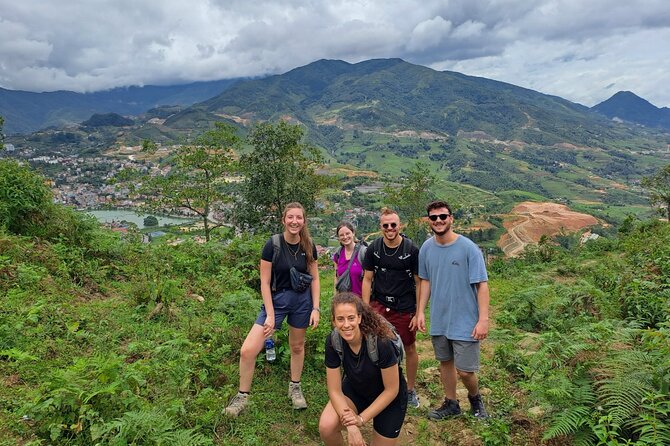
After the mountain time, you descend toward Hang Da village, home to the H’Mong community. This isn’t just a photo stop. The village is known for natural features like huge rocks, and from Hang Da you can look out over the broader Sapa region.
The value here is context. When a local guide explains how people live here—why the houses sit where they do, how daily life connects to the land—it turns the trek into something more meaningful than a scenic hike.
If you’re the kind of traveler who likes to ask questions, this is your opening. Guides such as Nhu and Chu were praised for sharing information about the H’Mong people and daily life, and that kind of talk makes the village feel like a living place rather than a stop on a route.
Bamboo Forest + Village Lanes: The Middle Stretch That Keeps It Interesting
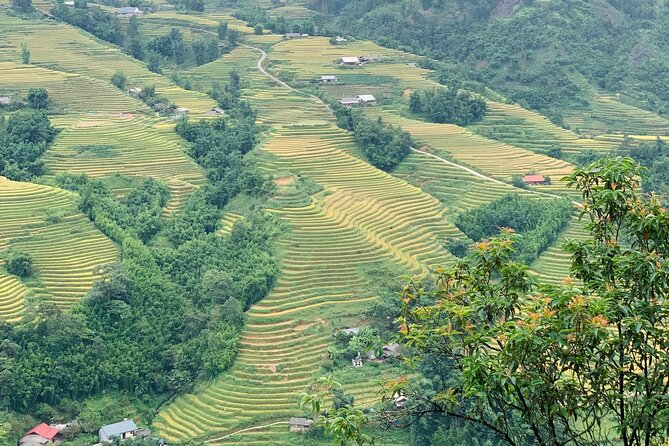
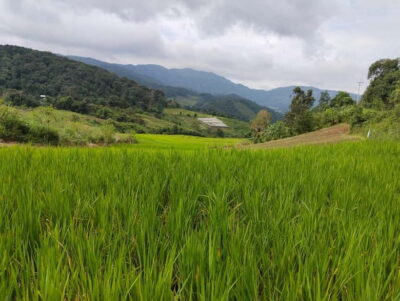
You’ll continue trekking after lunch toward Hau Chu Ngai and then toward Giang Ta Chai. Along the way, there are short bamboo forest trails and extremely scenic village roads that take you down into the valley.
This “middle” portion is where trekkers often decide if a day is worth repeating. The uphill slog is behind you, the ground can get slick, and the path becomes more about rhythm than stamina. Bamboo stretches also give your eyes a break from open hillsides and keep the hike from feeling like one long straight line.
One review even described how muddy conditions were part of the fun—so long as you’re prepared. Good shoes matter here. If your feet slip, the whole day becomes a safety exercise instead of a sightseeing walk.
Giang Ta Chai Village: Dao and Black H’Mong, Plus a Small Museum Stop
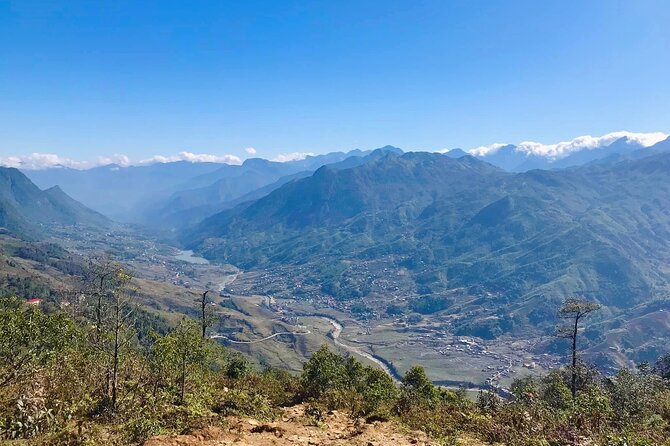
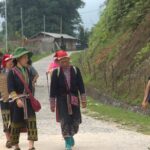
Next comes Giang Ta Chai village, associated with the Black H’Mong and Dao communities. Here, you visit a small museum where the local guide shows you traditional clothes, plus customs and local practices.
This part is valuable because clothing and daily routine are often hard to understand from a distance. Up close, you can see details that don’t register in a quick glance. Even if you’re not an expert on ethnic groups, a guided explanation helps you connect what you’re seeing to how people actually live.
The museum stop also gives your legs a mini reset. After hours of hiking, it helps to sit, learn, and then move on with fresh energy for the last stretch back through the area.
Lunch on the Trail: Not Fancy, but It Often Feels Like the Real Point
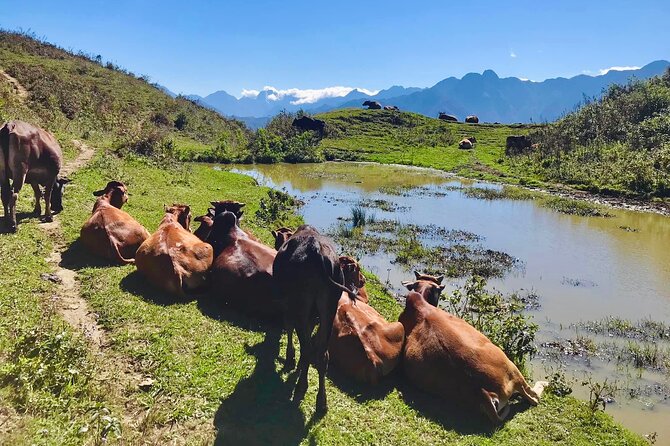
Lunch is included, and it’s typically local fare. Multiple reviews mentioned the lunch being good, including a comment about the food and rice linked to Sapa’s terraces.
Important expectation-setting: the meal might not be served in someone’s home exactly as you imagine it, but it’s still part of the local rhythm. One review flagged lunch as less impressive than hoped, so if you’re a super picky eater, you should still keep expectations grounded.
What I like about an included lunch on a trek is the timing. You don’t lose time hunting for food, and you’re less likely to skip the meal and fade on the uphill sections.
Price and Value: Why Around $35 Can Make Sense Here
At $35 per person, this trek is priced like a day hike with real guiding, not just a walking route. What you get matters:
- Local guide
- Village entry fees
- Lunch
- Bottled water
- Transportation back to town
For Sapa, that combination is often where value hides. Paying separately for a guide, entry fees, and lunch usually adds up fast—especially when you’re trying to build the day yourself.
Also, the experience notes pickup offered and group discounts, which can improve value if you’re traveling with friends. And it’s listed as a private tour/activity, meaning your group stays together rather than getting shuffled into a larger mix.
So the main cost trade-off is simple: you pay for convenience and local interpretation, not for luxury.
What to Pack (Because Sapa Will Humble Your Shoes)
This trek is described as having step inclines and uneven surfaces, with a good chance of mud depending on the day. To keep the experience enjoyable, pack for the conditions, not the brochure.
At minimum:
- Comfortable hiking shoes with grip
- A light rain layer or poncho (even if rain isn’t guaranteed)
- Water (you’ll get bottled water, but you’ll still want steady hydration)
- A small day bag for snacks and a dry layer
If you’re over 40, consider walking poles. One review specifically suggested them for steep areas and general ease near the end. Poles don’t make you slower; they help you stay steady when steps and slopes start to tire your knees.
Who This Trek Fits Best (and Who Might Prefer a Simpler Day)
This works best for:
- Travelers who like walking plus learning, not just sightseeing
- People with moderate physical fitness
- Anyone who enjoys meeting locals and asking questions about village life
- First-time trekkers who are willing to go slow with a patient guide
It might not fit as well if you want:
- Flat, easy walking
- A guaranteed clear view from the top (weather can hide the valley)
- A short outing that feels like a casual stroll
If your group includes different fitness levels, you’re in luck. Several guide stories included patience and pacing adjustments—sometimes even switching routes for someone who needed an easier option.
Weather Reality Check: Rainy Season Can Change Everything
Sapa is famous for clouds and quick weather shifts. One review called out that June tends to be rainy, which can mean the views are limited from the high points and the trail gets slippery.
You can still have a good day in rain. Clouds can create a different mood, and villages stay worth visiting. But if your main goal is maximum valley views, aim for March–April or September–October as suggested by that experience.
My practical advice: pack for rain and assume the trek could slow down. If visibility is poor, focus on the village parts, the guide explanations, and the walking experience itself.
Final Thoughts: Should You Book This 1-Day Hidden Trail Trek?
I’d book this if you want a single day in Sapa that gives you views, village culture, and guided explanations without needing to plan logistics. The price-to-inclusions ratio is solid for what you get, especially with lunch, village fees, and transport covered.
I’d think twice if:
- You’re not comfortable with uneven footing and inclines
- You’re expecting a purely scenic day with effortless walking
- Your priority is guaranteed panoramic visibility from the highest points
If you’re deciding between options in Sapa, this one is a strong choice as a first or early trek because it gives you a clear sense of how the mountain and villages connect—then you can choose your next day based on whether you want more hiking or more town time.
FAQ
What time does the trek start, and where do we meet?
It starts at 9:00am. You can be picked up from your hotel, or you may meet at Sapa Church.
How long is the trek?
The duration is listed as about 5 to 6 hours (approx.), though the actual walking can run longer depending on pace and conditions.
Is pickup included?
Yes. Pickup is offered, and transportation back to town is also included at the end.
What’s included in the price?
Included items are bottled water, villages entry fees, a local guide, lunch, and transportation back to town.
Do I need to pay for villages entry fees?
No. Village entry fees are included.
Is this tour private or shared?
It’s listed as a private tour/activity, so it’s only your group.
Can I cancel for free?
Yes. Free cancellation is available up to 24 hours in advance of the experience start time for a full refund.