REVIEW · KAMPALA
8-Day Murchison Falls, Chimp and Epic Gorilla Trekking Safari
Book on Viator →Operated by Home To Africa Tours and Travel · Bookable on Viator
Seeing chimps and gorillas in one trip is rare. This private 8-day Uganda safari stacks the big wildlife moments—chimp trekking in Kibale, gorilla trekking in Bwindi, plus savannah and river time in Murchison Falls and Queen Elizabeth.
I really like how the route is built for sightings, not just check-the-box driving. You get game drives, boat trips, and primate treks, with day-by-day movement handled by a full-time English-speaking driver/guide.
One drawback to plan around: the two hardest permits are extra—chimp trekking (USD 150) and gorilla trekking (USD 600)—so the sticker price can look lower than what you’ll budget total.
In This Review
- Key highlights you’ll feel right away
- Why this Uganda route makes sense for wildlife lovers
- Entebbe start and the Zziwa Rhino Sanctuary warm-up
- Murchison Falls National Park: game drive mornings and river thunder by boat
- Morning game drive: savannah mammals and birds
- Afternoon boat trip to the base of the falls
- Day 3: leaving Murchison with a top-of-falls view (if you didn’t hike)
- Kibale Forest: chimp trekking with a strict 8:00am start
- What your chimp trek day feels like
- Queen Elizabeth National Park and the Kazinga Channel launch trip
- Morning game drive: classic safari variety
- Kazinga Channel: why boat time is different
- Isasha transfer through Queen Elizabeth: tree-climbing lions en route to Bwindi
- Bwindi gorilla trekking, then Lake Bunyonyi for a reset
- Price and value: what you’re really paying for at $3,598
- The guide effect: why people name Derrick, Benon, Vianney, Augustine, and Karim
- Comfort, pacing, and fitness: what moderate means on a gorilla/chimp trip
- Who should book this safari (and who should consider something else)
- Should you book the 8-Day Murchison Falls, Chimp and Epic Gorilla Trekking Safari?
- FAQ
- What is the duration of the safari?
- Does the tour include airport pickup and drop-off?
- Are chimp and gorilla permits included in the price?
- What’s included with the tour besides activities?
- What are the minimum requirements for travelers?
- What if I need to cancel?
Key highlights you’ll feel right away
- Rhino tracking at Zziwa Rhino Sanctuary as a smart start to your safari
- Murchison Falls game drives + a 3-hour boat trip to the base of the falls
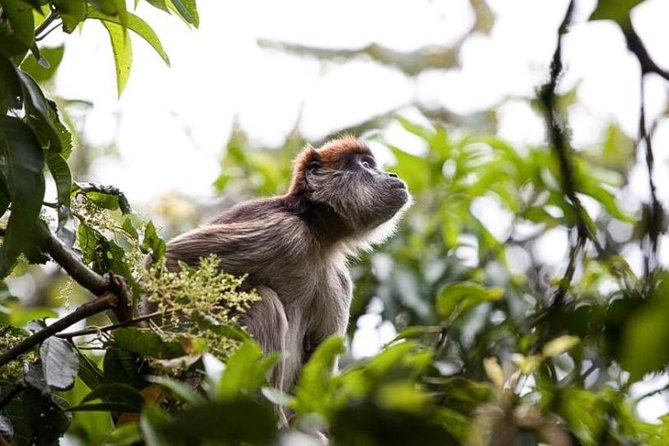
- Chimp trekking in Kibale starts at 8:00am with ranger briefings and a one-hour time window after you find them
- Kazinga Channel boat time paired with Queen Elizabeth game viewing
- Isasha sector transfer through Queen Elizabeth for a shot at tree-climbing lions
- Gorilla trekking in Bwindi, then downtime at Lake Bunyonyi to reset your body and mind
Why this Uganda route makes sense for wildlife lovers
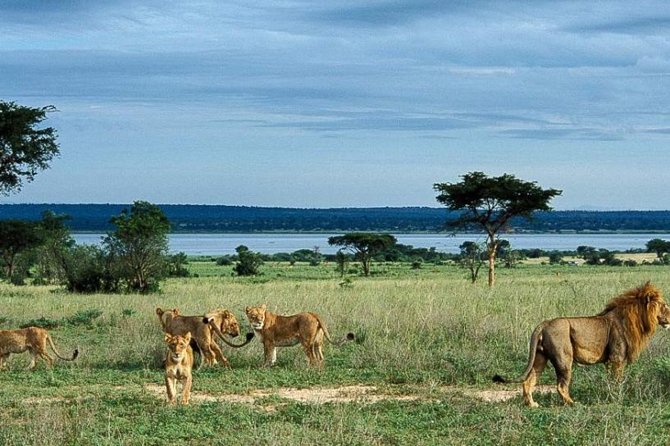
Uganda can feel like a choose-your-own-adventure country: forest primates here, classic savannah there, and big river energy when you reach the national parks. What makes this safari work is that it groups the wildlife “types” into a short window: savannah mammals in Murchison, primates in Kibale, more safari action in Queen Elizabeth, then mountain gorillas in Bwindi.
The best part is that you’re not relying on luck alone. This itinerary keeps changing the viewing format—vehicle game drives, boat rides, and on-foot primate trekking. That matters because animals don’t show up on cue. Mixing methods improves your odds and keeps every day from feeling repetitive.
Also, it’s private (only your group participates), so you’re not stuck matching your pace to strangers. That flexibility is especially useful on days with early departures and activities that follow strict timing.
You can also read our reviews of more tours and experiences in Kampala.
Entebbe start and the Zziwa Rhino Sanctuary warm-up
Your trip begins with pickup from Entebbe International Airport and transfer toward Murchison Falls National Park. Along the way, you stop at Zziwa Rhino Sanctuary for about an hour of rhino tracking.
Why I like this stop: it gets you into safari mode immediately. You’re not waiting two days for your first real wildlife moment. It also gives you a baseline for the way tracking works in Uganda—quiet focus, ranger-led guidance, and patience.
A practical note: you’ll be switching from road travel into a guided tracking style. Wear shoes you’re comfortable walking in, since tracking is still a physical experience even if it’s not a long hike.
Murchison Falls National Park: game drive mornings and river thunder by boat
Murchison Falls is the kind of place that makes you understand why people keep coming back. Day 2 is split in a great way: a morning game drive in the northern section (where savannah wildlife concentrations can be strong), followed by a long boat trip.
Morning game drive: savannah mammals and birds
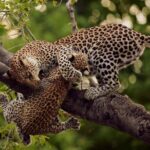
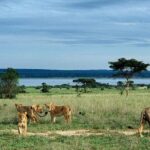
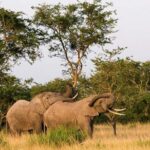
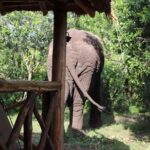
After breakfast, you head out for game viewing and photography. This is where you have a fair shot at elephants, buffalo, waterbucks, giraffes, Uganda kobs, and lions. The itinerary also includes chances for leopards if you’re lucky, plus lots of bird species.
This is one of the big value points of the whole trip. Vehicle time is efficient: you cover distance while staying with a driver who knows where wildlife tends to show up.
Afternoon boat trip to the base of the falls
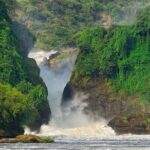
Later, you return for lunch and then go on a 3-hour boat trip to the base of the falls. This is not a quick photo stop. It’s long enough to settle in and watch how animals move along the river edge.
Tip I’d give you: treat boat time as part viewing, part patience. That’s where you often feel the safari shift from animals you spot on a horizon to animals you see acting out normal life—feeding, moving, calling, and sometimes hanging around longer than you expect.
Day 3: leaving Murchison with a top-of-falls view (if you didn’t hike)
On Day 3 you exit Murchison and head toward Kibale Forest National Park. There’s a built-in moment for scenery: you’ll either drive to the top of the falls if you didn’t hike, or you’ll depart right away depending on how the day is going.
This is a good design for different travel styles. Some people want steps and views up close; others prefer to keep energy for the forest trek later. Either way, you get a memorable handoff between the river park and the primate-focused days.
Kibale Forest: chimp trekking with a strict 8:00am start
Day 4 and Day 4’s lead-in are where this safari turns from savannah to primates. Kibale Forest National Park is known for chimpanzees as well as other primates like colobus monkeys, mangabeys, and red-tailed monkeys.
What your chimp trek day feels like
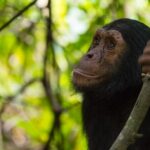
Chimp trekking begins at 8:00am. You’ll get a briefing on the rules, then you set out with an experienced ranger to search in the forest. Once you locate the chimpanzees, you’ll have one full hour with them.
That hour matters. It’s not just a quick look. You’re watching behavior—movement, feeding, social interactions—while staying within the rules that protect both animals and people.
How to prepare mentally: forest trekking can mean slow progress and sensory overload—vines, damp air, and constant small sounds. If you keep calm and follow the ranger lead, it becomes less about speed and more about attention.
Queen Elizabeth National Park and the Kazinga Channel launch trip
After Kibale, you head to Queen Elizabeth National Park. Day 5 is a two-part safari day: a morning game drive and then an afternoon boat trip along the Kazinga Channel.
Morning game drive: classic safari variety
The itinerary doesn’t lock in a single species list for Queen Elizabeth the way Murchison does, but the structure is clear: game drive time for mammals and birds, then you switch to water-based viewing later. This gives you a second chance at big sightings after Kibale, without losing a whole day to transit.
Kazinga Channel: why boat time is different
Boat trips on the Kazinga Channel change the whole pace. Animals come close to the waterline, and you often see feeding and movement patterns that you can miss from a vehicle viewpoint.
Practical angle: bring layers if you run cold on open water. Even in warm climates, breezes can surprise you, and you’ll want to stay comfortable for the full trip.
Isasha transfer through Queen Elizabeth: tree-climbing lions en route to Bwindi
Day 6 moves you from Queen Elizabeth into Bwindi Impenetrable National Park, with an en route game drive in the Isasha area.
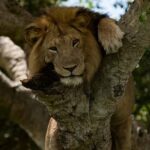
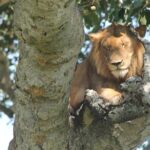
Isasha is famous for resident tree-climbing lions. That detail alone makes this transfer day feel important, not just a moving day. You’re crossing regions, but you’re still treating wildlife viewing like a priority.
Real-talk drawback: transfer days often involve long hours in the vehicle. The upside is that you’re not just sitting. You get that Isasha viewing block, which helps the day feel productive instead of wearying.
Bwindi gorilla trekking, then Lake Bunyonyi for a reset
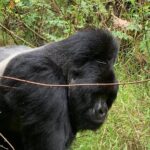
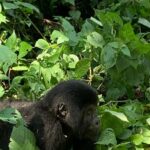
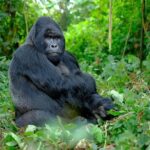
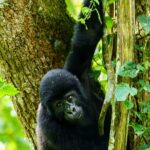
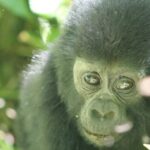
Day 7 is the big one: gorilla trekking in Bwindi. Like chimps, gorillas come with a briefing and ranger-led rules. You’ll head into the gorilla sanctuary after your early breakfast and ranger briefing, then return to your lodge for lunch.
After that, you check out for your transfer to Lake Bunyonyi.
This second part is smart. Gorilla trekking is emotionally intense and physically demanding. Ending with a quieter lakeside environment helps your body recover and helps your brain process what you just saw.
Day 8 then brings a relaxed breakfast with views over Lake Bunyonyi’s islands, followed by your return to Entebbe for your flight.
Price and value: what you’re really paying for at $3,598
At $3,598 per person for an 8-day private safari, you’re paying for more than a lineup of parks. You’re paying for reduced friction: transport, lodging, meals, guiding, and multiple activity types in a tight schedule.
Here’s what’s included (and why it matters):
- All meals and accommodation as per the itinerary
- Ground transportation in a comfortable safari vehicle
- Full-time English-speaking driver/guide
- Airport and hotel pickup/drop-off in Entebbe
- Boat trips (including the Murchison Falls base-of-falls cruise and the Kazinga Channel launch/boat day)
- Entrance/landing/facility fees included
- Water during safari plus coffee and/or tea
What’s not included is important for budgeting:
- Chimp trekking permit: USD 150
- Gorilla trekking permit: USD 600
- Travel insurance, air fare, and personal expenses
- Gratuity for your driver/guide
So the true value comes from the fact that most heavy-lift costs are already wrapped into the package, while the permits act like the add-on that you must plan for separately. If gorillas and chimps are your top priorities, this kind of structure helps you lock in the experience while keeping fewer unknowns.
The guide effect: why people name Derrick, Benon, Vianney, Augustine, and Karim
This kind of safari lives or dies by the guide/driver. The operation provides a full-time English speaking driver/guide, and the praise in safari stories tends to focus on two practical skills: spotting more and keeping the day on track.
If you end up with guides like Derrick, Benon, Vianney, Augustine, or Karim (names repeatedly associated with excellent experiences), look for the same strengths:
- Reading animal behavior and pointing out things you might miss from the vehicle
- Running a schedule that actually works with early starts and activity timing
- Helpful guidance like knowing where to sit on a boat for better viewing angles
You don’t need a guide to be flashy. You need one who makes sure you see what you came for—and gets you to the next activity without chaos.
Comfort, pacing, and fitness: what moderate means on a gorilla/chimp trip
The trip asks for moderate physical fitness, and that’s honest. Chimp trekking involves time on your feet in forest terrain. Gorilla trekking in Bwindi is typically the more demanding day, and it’s done early enough that you’ll want to sleep well beforehand.
What I recommend for you:
- Pack comfortable hiking shoes with grip.
- Bring light rain protection and a layer for cooler moments.
- Expect early mornings and follow ranger instructions closely; your progress will be driven by the animals, not your personal timetable.
Also note the minimum age is 15. If you’re traveling with teens, this itinerary can work well, especially if everyone is ready for long game-drive days and early starts.
Who should book this safari (and who should consider something else)
This is a strong fit if you:
- Want primate highlights without adding extra travel days
- Like a mix of game drives and boat time, not just one style of safari
- Prefer private guiding rather than merging into a bigger group
You might reconsider if you:
- Are trying to keep the total cost as low as possible without adding permit fees
- Don’t enjoy early starts or long vehicle days between parks
- Have very limited tolerance for on-foot treks, especially the gorilla day
Should you book the 8-Day Murchison Falls, Chimp and Epic Gorilla Trekking Safari?
If chimps and gorillas are on your must-see list, I’d lean yes. The itinerary is built to give you multiple “shots” at wildlife: savannah viewing in Murchison, primate focus in Kibale, game viewing plus Kazinga Channel water time in Queen Elizabeth, and then the gorilla goal in Bwindi. The private format also adds value because your pacing and comfort become part of the plan.
The only real reason not to book is budgeting shock from the permits. If you plan for USD 150 for chimps and USD 600 for gorillas up front, the rest of the trip reads like a well-packaged way to see Uganda’s most famous animals in one efficient loop.
FAQ
What is the duration of the safari?
It runs for about 8 days, from pickup in Entebbe to return at the end of the trip.
Does the tour include airport pickup and drop-off?
Yes. There are all airport/hotel pick-up and drop-off services included in the itinerary.
Are chimp and gorilla permits included in the price?
No. Chimp trekking permits cost USD 150, and gorilla trekking permits cost USD 600, and both are listed as not included.
What’s included with the tour besides activities?
The package includes meals and accommodation, ground transport in a safari vehicle, a full-time English-speaking driver/guide, and the boat trips listed in the itinerary, plus water while on safari and coffee/tea.
What are the minimum requirements for travelers?
The minimum age is 15, and the tour requires moderate physical fitness. The experience confirmation is received at booking, and it is private (only your group participates).
What if I need to cancel?
You can cancel for a full refund if you cancel at least 24 hours in advance of the experience start time, based on local time.