REVIEW · UBUD
Mount Agung Sunrise Trekking Private Tours
Book on Viator →Operated by Mount Agung Sunrise Trekking · Bookable on Viator
Mount Agung sunrise is one of those Bali adventures that feels serious. You’ll climb through the night with a private guide to watch the sun come up from the crater rim, with views stretching toward Lombok and Mt Rinjani. I like that the tour builds in real hiking support—trekking poles, flashlight, and rain protection—so you can focus on the climb instead of the logistics.
My main caution is the difficulty and cold. This is a very steep, rocky hike in the dark, and the included raincoat is not the same thing as warm layers.
In This Review
- Key things I’d zero in on before you go
- Mount Agung at sunrise: what you’re really signing up for
- Price and value: the $55 question
- Pickup, start area, and how the “long day” works
- Night hike to the crater rim: darkness, fires, and pace control
- Besakih Temple route: the “mother temple” detour
- Sunrise at the crater rim: breakfast, timing, and the first light show
- The descent: narrow trail, loose rock, and why grip matters
- Gear checklist: what to bring since warm layers are not included
- Who this trek fits best (and who should pass)
- Guide quality is the whole experience: Darta, Gede Darta, and the calm factor
- Should you book Mount Agung Sunrise Trekking Private Tours?
- FAQ
- How long is the Mt Agung sunrise trekking tour?
- Where does the tour start?
- Is this tour private?
- What’s included for the hike and sunrise?
- What should I bring since warm clothing isn’t included?
- Does the tour include pickup from my area?
- Can I cancel for a full refund?
Key things I’d zero in on before you go
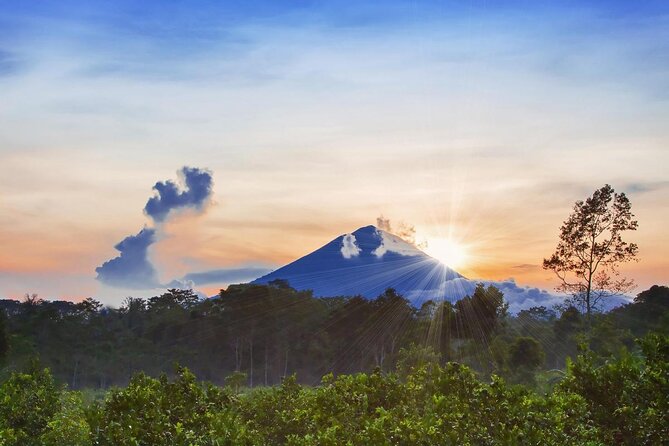
- Crater-rim sunrise views that look out over Bali and toward Lombok’s Mt Rinjani
- Private guiding (only your group), which matters on a steep, slippery volcano trail
- Included cold-weather basics: hiking poles, flashlight, and raincoat, but no warm jacket
- Besakih area start plus a route that may pass the big temple complex as you trek
- Rugged timing: you’re hiking in darkness, then you might spend extra time waiting for the perfect light
- Bring your own grip: good shoes and extra water are repeatedly called out as what makes or breaks the day
Mount Agung at sunrise: what you’re really signing up for
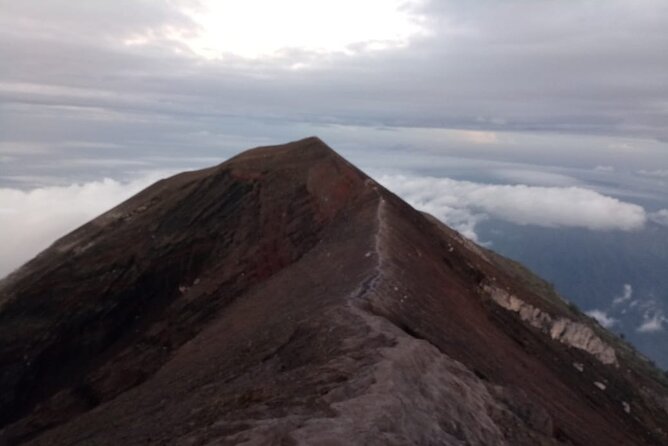
Mt Agung is Bali’s highest and most sacred peak, and the sunrise trek plays right into that drama. You’re not doing a casual sunset walk—you’re climbing in the dark up a steep, uneven route, then taking a long look from above the clouds and the island haze.
What I like most is the payoff is specific, not vague. From the crater rim you’ll watch the sunrise and see wide panorama views that include the direction of Lombok, including mention of the three peaks of Mt Rinjani. The guide-led pacing also turns this from a brute-force workout into a controlled effort, especially on the rocky sections where form matters.
The other reality check: you’ll feel the altitude and the cold more than you expect. One minute you’re sweating in humid forest, the next the wind hits you high up, and you’ll be glad you planned for layers.
You can also read our reviews of more tours and experiences in Ubud.

Price and value: the $55 question
The price is listed at $55 per person, and for Bali, it’s a fair number for what you’re getting: private guiding, pickup and drop-off (in multiple areas), included trekking equipment (poles, flashlight, raincoat), and a proper breakfast setup at the top area.
Here’s where the “value” math gets real. This tour includes food and drinks during the hike (bread, hardboiled egg, seasonal fruit, biscuits, tea or coffee, plus water during the hike), but it does not include the things that keep you comfortable and safe on a long night trek:
- Warm jacket or warm layers
- Hiking shoes (and you’ll want grippy soles)
- Other personal items
So yes, $55 can feel like a deal—but only if you budget for the gear you’ll need. If you show up in runners or sandals, the tour cost won’t change. Your suffering will.
Also, the overall rating is strong (4.7) with a high recommendation rate (94%). That pattern usually means most people get what they paid for: guidance, safety focus, and sunrise timing.
Pickup, start area, and how the “long day” works
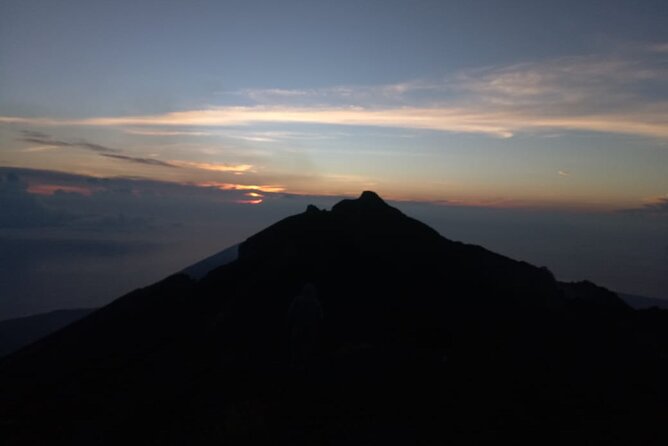
You start in the Besakih area at Pura Pengubengan Besakih, Rendang, Karangasem Regency. The tour ends back at the meeting point, after the hike and descent. The schedule is long by design because Mt Agung sunrise requires a late start and enough time to reach the rim before daylight.
Pickup is offered across a wide slice of Bali. The listed pickup/drop-off areas include south Bali, Ubud, Amed, Lovina, and Candidasa. That matters because most people want one fewer thing to worry about at midnight.
Real-world pacing is the big question. Many people describe pickup late evening and then hiking starting in the night around midnight. From there, you’re looking at hours uphill, a sunrise window, then a descent that can take a similar chunk of the day. Plan on a full day even if you’re only “doing the hike” for a portion of it.
Night hike to the crater rim: darkness, fires, and pace control
The ascent starts in the dark. Included flashlights help light your way along a path that’s often just trail, roots, and rock—no easy “scenic highway” hiking here. The early section can feel easier, then the grade tightens as you move higher.
A big plus is how often the guides manage cold and energy. Several accounts mention a warming stop where sticks are gathered and a small fire is set. That’s not luxury; it’s smart temperature control when wind and cold are creeping in. At that stop you’ll have breakfast items—typically bread, boiled eggs, tea/coffee, and fruit—served as fuel for the final push.
Pacing is where the experience can swing. When the guide keeps a steady rhythm, the night feels like a climb you can trust. When pacing is too fast or the timing isn’t well-managed, you can end up waiting below the summit longer than you planned, still cold, while sunrise time approaches. My advice: treat your guide as the whole plan, not just the person leading you forward. Ask questions, clarify how long to the top, and make sure everyone in your group is moving safely.
Besakih Temple route: the “mother temple” detour
On your way through the area, you may pass the mother of temple route if you trek via Besakih Temple. Pura Besakih is described as Bali’s biggest Hindu temple complex, and it’s also one of the reasons this hike doesn’t feel like a copy-paste volcano tour.
What’s practical here: the temple area can give you a mental landmark. It also means the hike connects with something local and meaningful, not just a mountain you’re trying to conquer. The chance to pass by a major temple complex is worth paying attention to, even if sunrise is your main goal.
Just remember: temple time doesn’t replace the hike. You’re still going hard at night. If you want the most efficient route to sunrise, you still need to take the climb seriously.

Sunrise at the crater rim: breakfast, timing, and the first light show
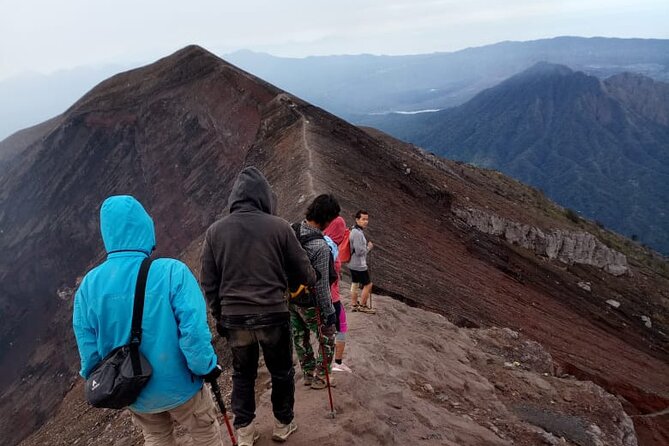
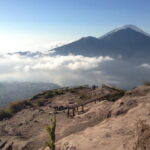
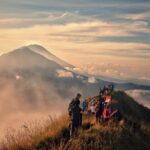
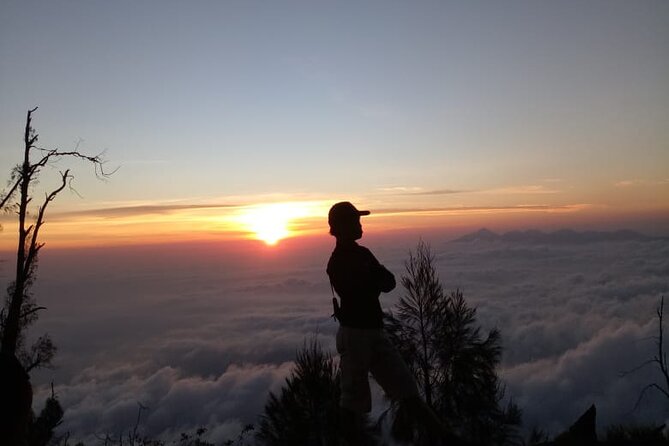
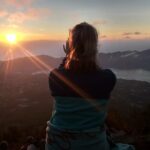
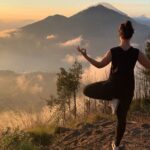
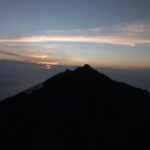
The moment you reach the crater rim is why people do this trek. You’ll watch sunrise from a high vantage point, with panoramic views over Bali and toward Lombok’s mountainous skyline.
Breakfast is part of that timing. You’re not just staring at the horizon hungry. The trek includes bread, hardboiled egg, seasonal fruit, biscuits, and tea or coffee, usually served at a point before or around the final push. That matters because the next phase is often waiting for the sky to open up—so you need energy and warmth.
One realistic note: you might arrive early. When that happens, some guides set up warmth while you wait, while others may keep moving and then you’ll wait later. If you’re someone who runs cold easily, ask your guide about the plan for warmth and timing. It’s a small conversation that can save a lot of discomfort.
And yes, sunrise quality can vary with clouds and fog. Even so, the cloud layer itself can be the show. Mt Agung doesn’t just give you a sunrise; it can give you a dramatic “above the weather” view.
The descent: narrow trail, loose rock, and why grip matters
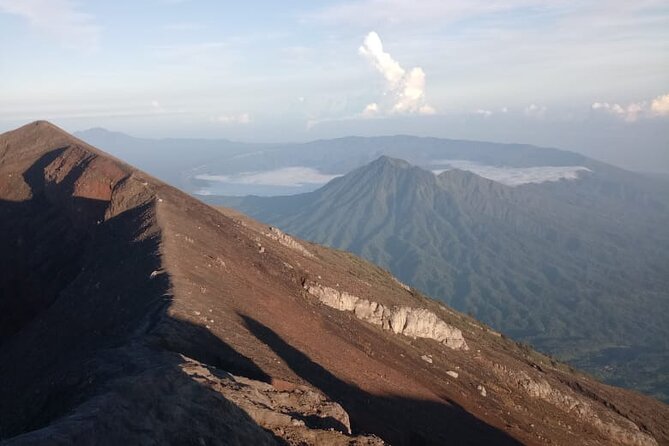
Going down is often harder than people expect. It’s not just distance; it’s footing. The descent can involve narrow trail sections with loose stones and slippery surfaces, especially after mist or light rain in the forest.
Footwear is a recurring lesson. One key tip that comes up clearly is to avoid sandals and to use shoes with good tread. Even if your ascent felt manageable in runners, the descent can turn into a slip-and-save situation.
Water and care still matter on the way down. You’ll be colder, sometimes damp from the environment, and tired from hours of uphill work. Go slow. If your guide stops to check someone’s footing, take it seriously; that’s not “pause culture,” it’s risk management on a volcanic trail.
Gear checklist: what to bring since warm layers are not included
The tour includes trekking poles, a flashlight, and a raincoat. That covers rain and basic support on the climb. But it does not include warm layers, so you need to build your own “cold-proof” kit.
Here’s the checklist I’d treat as non-negotiable for comfort and safety:
- Warm layers (wind can feel brutal near the summit)
- Hiking shoes with grip (not sandals, not smooth soles)
- Gloves if you get cold easily
- Plenty of water—one strong recommendation is at least 3 liters per person
- A way to carry snacks if you like extra calories beyond the provided breakfast
- Optional: a headlamp if you want your own backup system, even though flashlights are included
Also note this: rain can make trails muddy even if it isn’t actively raining during your climb. Plan for slick conditions in the forest. If you pack gear for dry hiking only, you’ll regret it on the descent.
Who this trek fits best (and who should pass)
This tour is for people with moderate physical fitness who can handle a steep, rocky night hike. It’s described as challenging, and the elevation gain and sustained uphill effort are very real.
It’s also not for everyone in terms of timing and comfort. The tour is specifically not recommended for menstruation period travelers. If that applies to you, skip this one or ask for alternatives that match your comfort and needs.
If you love a challenge and you’re excited by sunrise views more than an easy stroll, this is your style. If you want guaranteed comfort, minimal physical strain, or a relaxed schedule, you’ll likely feel stressed by the cold, dark, and footing.
Guide quality is the whole experience: Darta, Gede Darta, and the calm factor
Because this is a private tour with a single guide for your group, you feel the guide’s decisions more than on big group treks. The best experiences highlight a calm, attentive guide who manages safety, pacing, and timing.
Names that came up with strong praise include guides like Darta (including Gede Darta), plus drivers like Ketut Bude and Rodih for transport comfort and professionalism. You don’t need those exact people to have a great trek, but it’s a good reminder of what to look for: clear safety focus, matched pace, and enough communication to keep you confident during long stretches.
If you can request a guide, I’d consider asking for someone known for calm leadership and good mountain knowledge—especially for safety on the steep, narrow sections.
Should you book Mount Agung Sunrise Trekking Private Tours?
Book it if you match the vibe: you’re fit enough for a tough night climb, you want crater-rim sunrise views in a way that feels local and serious, and you’re willing to prep for cold and slippery footing. At $55, you’re paying for a guided, gear-supported sunrise attempt with food and transport included—good value as long as you bring the missing comfort items (especially warm layers and grippy shoes).
Skip it if you want an easy walk, hate cold, or you’re not confident with steep rocky descents. In that case, the sunrise is still beautiful—but this particular approach will likely stress you more than it excites you.
FAQ
How long is the Mt Agung sunrise trekking tour?
It runs about 12 to 16 hours.
Where does the tour start?
The meeting point is Pura Pengubengan Besakih in the Rendang/ Karangasem area, Bali.
Is this tour private?
Yes. It’s private, meaning only your group participates.
What’s included for the hike and sunrise?
You get breakfast items (bread, hardboiled egg, seasonal fruits, biscuits, plus tea or coffee), water during the hike, and trekking support like hiking poles, a flashlight, and a raincoat.
What should I bring since warm clothing isn’t included?
Warm layers or a warm jacket, hiking shoes (with grip), and personal items. Also plan to bring extra water; a frequent recommendation is at least 3 liters per person.
Does the tour include pickup from my area?
Pickup and drop-off are offered in south Bali, Ubud, Amed, Lovina, and Candidasa.
Can I cancel for a full refund?
You can cancel up to 24 hours before the experience starts for a full refund.