REVIEW · UBUD
Sidemen Trekking: A Walk from a Different Perspective
Book on Viator →Operated by Sidemen Trekking · Bookable on Viator
Sidemen has a way of slowing you down. A short walk among rice terraces and village streets turns into a real lesson in how people live, work, and pray—especially with guides like Adidas, Adi, Darya, and Wayan who know the place and tell the stories. I love the Mount Agung views and the route along irrigation paths farmers use; the one catch is the ground can get narrow, elevated, and a bit slippery, so you need good balance and shoes.
At $13.75 per person for roughly 2 hours, this is good value if you want “real Bali” without a long day. You also get bottled water, and the group stays small (up to 10), which makes it easier to stop for photos and questions. The trek is described as not taxing, but it still asks for moderate fitness and careful footing.
Best part: you’ll see Sidemen from the walking level—not the postcard level—after meeting at the traditional market. The finish is at Warung Ume Anyar Restaurant, so you can cool off with a drink or meal right away.
In This Review
- Key things that make this Sidemen walk worth it
- Why Sidemen trekking beats the “photo-only” Bali routine
- The 2-hour route: what you’ll do step-by-step
- Start at Pasar Sidemen, right by Upa Boga
- Climb into village lanes, then follow the irrigation lines
- Temples and daily life along the way
- Rice terraces viewpoints: seeing from a different height
- The bridge moment and the footing reality
- Guides in Sidemen: why names matter (and why it affects your day)
- Price and value: what $13.75 buys you in real terms
- Getting there and leaving: the part people forget
- What to bring so the walk feels easy (not annoying)
- Water and pace
- Who should book this Sidemen trekking experience
- Where it leaves you: Warung Ume Anyar after the trek
- Should you book Sidemen Trekking?
- FAQ
- How long is the Sidemen trekking tour?
- Where do I meet the guide?
- Where does the trek end?
- Is hotel pick-up and drop-off included?
- What’s included in the price?
- What should I bring for the walk?
- What fitness level do I need?
- How many people are in a group?
- Can I explore the market before the trek?
- Is the tour affected by weather?
Key things that make this Sidemen walk worth it
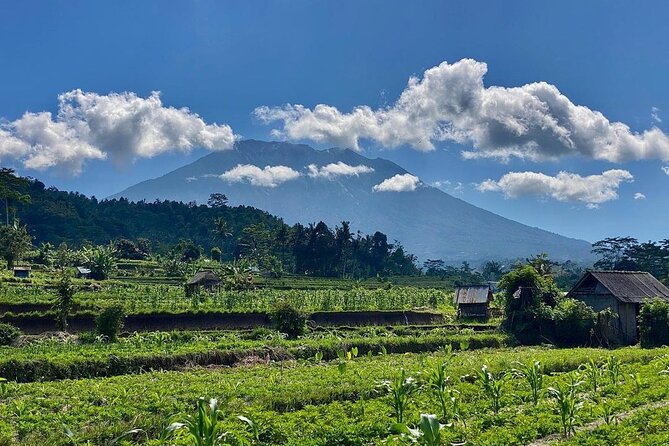
- Rice-terrace viewpoints you reach by walking local paths, not by rushing past them
- Mount Agung comes into view as you follow the irrigation routes and hanging bridge
- Local-style guidance with real names (Adidas, Adi, Darya, Wayan), often funny and story-driven
- A small-group feel (max 10 travelers), so you’re not stuck in a long conga line
- Seasonal farming details, including what’s planted and what’s being harvested (like December timing)
Why Sidemen trekking beats the “photo-only” Bali routine
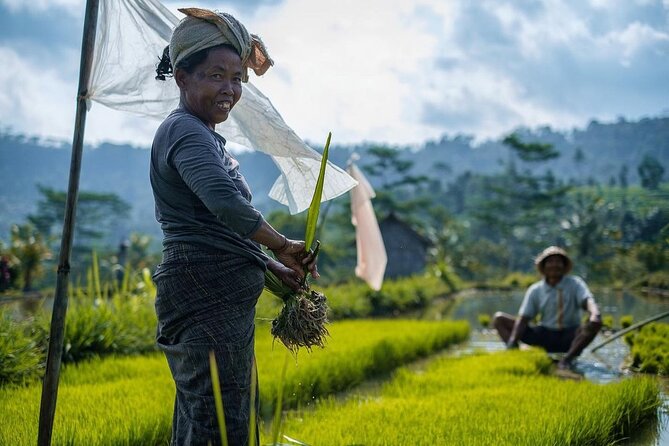
Ubud is often where people base themselves. But when you head to Sidemen, you trade crowds for rhythm. This trek is designed as an easy, local walk through working rice fields and the village edges that sit behind the scenery you see from roads.
The value isn’t just in the green views. It’s in the perspective shift: you’re walking along water channels and paths that farmers use, then stepping into the bits of everyday life that connect to the landscape. That means temple stops, village lanes, and small “how it works” moments tied to rice farming and local Hindu practice.
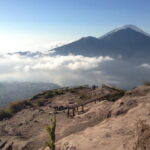
And yes, you’ll still get the views. Mount Agung is the big backdrop here, but it shows up along the way in a way that feels earned—around corners, over terraces, and across open stretches where the paths open up.
You can also read our reviews of more tours and experiences in Ubud.

The 2-hour route: what you’ll do step-by-step
This is a roughly 2 to 2.5-hour experience, built for an easy pace with stops for viewpoints and explanations. Expect some up-and-down walking on streets and on rice-field edges.
Start at Pasar Sidemen, right by Upa Boga
You meet at Pasar Sidemen (Sidemen Traditional Market), at the shop marked with the sign Upa Boga. If you’re staying in Sidemen, plan on getting yourself there with your hotel’s help. Grab can be tricky for pickup in some places, and drop-offs may be more common than pick-ups.
If you want to see the market first, the market runs about 5:00 AM to 10:00 AM. In the morning session, you can build in some extra time before you start walking.
Climb into village lanes, then follow the irrigation lines
After the market area, you head toward rice paddy land. The route moves from village streets into farming paths, including stretches where there’s no obvious “tourist step.” That’s part of the magic. It’s also why your footwear matters: surfaces can be uneven and sometimes slick.
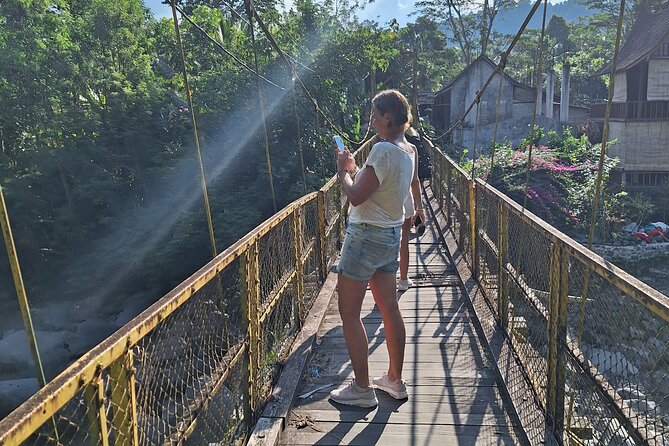
You’ll walk in the direction of Mount Agung, and you’ll follow the irrigation system—water routes that guide how the fields are managed. The trek includes a hanging wooden bridge that’s used by motorbikes and humans, so you’re crossing something functional, not just scenic.
Temples and daily life along the way
The route also passes a temple used for local praying. This isn’t a quick “look and leave” stop. It’s tied into the guide’s explanation of how daily life, religion, and farming are connected here.
Along the walk, you also move up and down through streets and then transition back into the rice sections, staying close to irrigation where possible. It’s a steady rhythm of village-to-field-to-village, which helps you understand how the community sits within the agriculture.



Rice terraces viewpoints: seeing from a different height
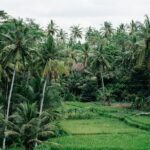
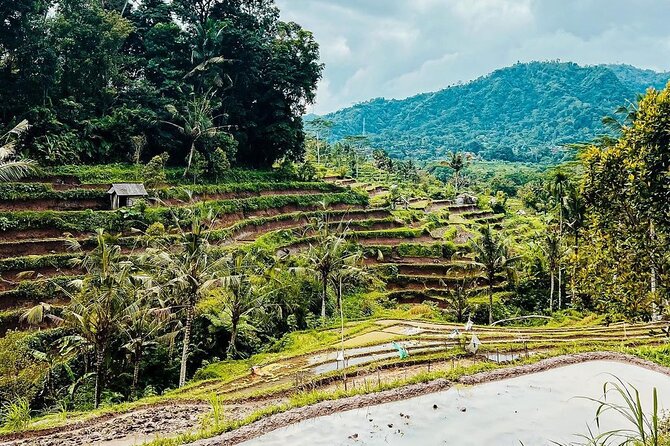
Most people come to Sidemen for views. This gives you views with context. The rice terrace paths include elevated sections and narrow waterways—exactly the kind of spots that make photos look better because you’re standing where farmers stand, not where roads place you.
You’ll get viewpoints from afar, but the “different perspective” is that you’re also close enough to notice how the cultivation works: where water flows, how paths connect, and where the day’s work likely happens.
The bridge moment and the footing reality
The hanging bridge is a highlight for a reason. It’s built for daily movement—by motorbikes and people—so it feels practical. You’re not just looking at a structure; you’re crossing a working link in the system that ties the fields together.
Now, the reality check: part of the trek goes along narrow, elevated rice edges and irrigation pathways. Reviews consistently point out two things:
- walking isn’t long or brutal, but it demands balance
- you need to watch your step, especially where paths can be slippery
So I’d treat this as an easy hike with a careful-footing requirement. Hiking boots or sturdy shoes aren’t optional here. If you show up in soft sandals, the trek will feel more stressful than it should.
Guides in Sidemen: why names matter (and why it affects your day)
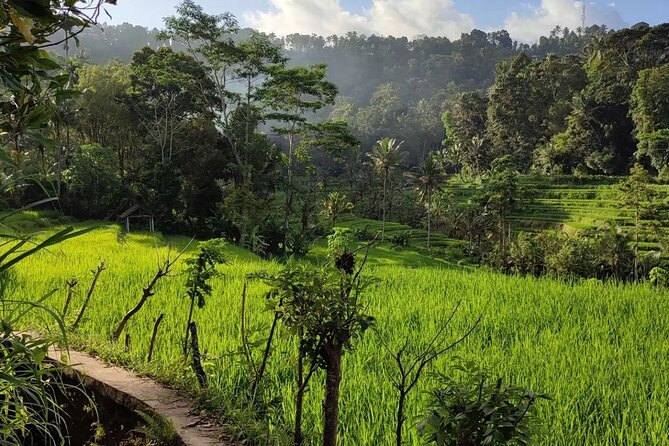
One reason this tour scores so well is that the guide experience tends to be personal. You may meet Adidas, Adi, Darya, or Wayan—and the pattern across names is consistent: they’re locals, they know people you pass, and they explain what you’re seeing.
What you’ll likely get beyond basic directions:
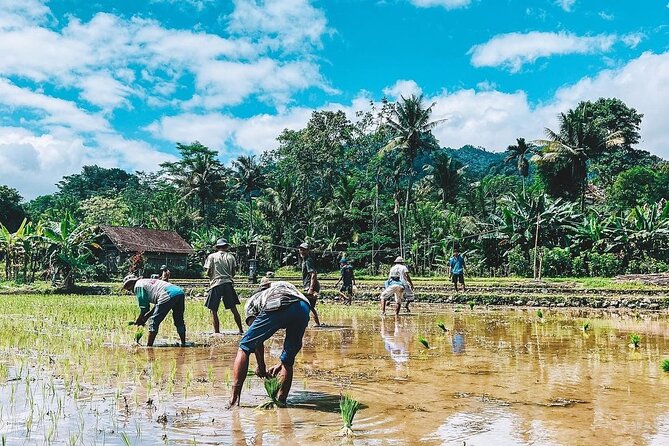
- rice farming processes and how planting/harvesting works across seasons
- cultural context around Hindu practice and offerings
- local stories that make the walk feel like a conversation, not a lecture
In December, for example, rice crops may be harvested, and guides can explain what’s in the ground after that and how local cuisine connects to it. If your visit lines up with harvest time, you may notice more of the farming cycle on the walk.
And if you like funny, relaxed storytelling, you’re in the right place. Multiple guides described in the experience are known for humor and easygoing pacing, which keeps things light even when you’re concentrating on where you place your feet.
Price and value: what $13.75 buys you in real terms
$13.75 for a roughly 2-hour small-group walk is a strong deal if your goal is culture plus scenery, not just one or the other.
Here’s what you’re paying for, in practical terms:
- a guide who leads you along paths you wouldn’t easily find alone
- access to rice terraces viewpoints and irrigation routes
- a route that combines village life, temple area time, and farming context
- bottled water included for the walk
What you’re not paying for: tips and hotel pick-up/drop-off. The lack of hotel logistics is common for local walks, but it does mean you should plan your start and finish transport ahead of time.
If you’re comparing options, this one makes sense when you want a short morning or mid-day activity and you prefer authentic, local walking over a bus-and-back day.
Getting there and leaving: the part people forget
This tour ends at Warung Ume Anyar Restaurant in Ogang Village. That’s a helpful detail: you’re not stranded in the middle of nowhere. Grab drivers are available, but there are only a few locally, and some may request offline or extra payment. The best plan is to arrange a driver or have your hotel help line up transport.
Duration-wise, plan on 2 to 2.5 hours after the trek starts for pickup timing. If you have an afternoon plan, build in a buffer.
If transport falls through, there’s an optional walk back: about 3 km or 30–40 minutes along the main road. That gives you a fallback, but I’d still treat it as backup, not plan A—especially in hot sun.
What to bring so the walk feels easy (not annoying)

The walk asks for comfort and basic protection from the Bali sun. Bring:
- a sun hat
- hiking boots/shoes
- sunscreen
- sunglasses
I’d also add one practical approach: if you’re the type who hates muddy shoes, this is your moment to accept you might get a little dirt on them. Paths can go through working areas, and the best views often sit along those farmer routes.
Water and pace
Bottled water is included. The trek runs about 2 hours, with stops for viewpoints and explanations. The pace should feel relaxed, but you’ll still be walking and stepping around small changes in terrain.
Who should book this Sidemen trekking experience

This tour is a good fit if:
- you want an easy walk with local context, not a strenuous hike
- you like rural life and want to see rice fields up close
- you’re comfortable with uneven, narrow paths and can keep your balance
- you want a small-group format (max 10 people)
It may not be ideal if you:
- have mobility issues that make narrow or uneven footing hard
- dislike heights or narrow edges, since parts of the rice-field pathways can feel exposed
- expect hotel pick-up as part of the standard package
The sweet spot is active travelers who want a real morning in Sidemen and don’t mind getting a bit dusty.
Where it leaves you: Warung Ume Anyar after the trek
Finishing at Warung Ume Anyar Restaurant is convenient. You can sit, cool down, and reset without having to instantly solve transportation. It’s a “day rhythm” ending: walk, learn, then eat.
If you’re pairing this with other plans, treat it like a standalone morning activity. You’ll be done soon enough to keep the rest of your day flexible, as long as you’ve arranged your ride.
Should you book Sidemen Trekking?
Book it if you want a short, authentic rural Bali experience with rice terraces, Mount Agung views, and a route that takes you where tourists don’t usually walk. The price feels fair for what you get: local guidance, irrigation-path access, and a small group with time to ask questions.
Skip it (or at least think hard) if you don’t handle narrow, uneven paths well. This is not a long, hard trek, but it does require careful steps and solid shoes.
If you’re heading to Ubud and want to balance out beaches and temples with real farming life, this is one of the better bets in the area.
FAQ
How long is the Sidemen trekking tour?
The trek lasts about 2 hours, with some guidance to expect around 2 to 2.5 hours total from start to finishing.
Where do I meet the guide?
You meet at Pasar Sidemen (Sidemen Traditional Market) at the shop with the sign Upa Boga.
Where does the trek end?
The trek ends at Warung Ume Anyar Restaurant in Ogang Village.
Is hotel pick-up and drop-off included?
No. Hotel pick-up and drop-off are not included, so you’ll need to arrange transport on your own.
What’s included in the price?
Bottled water is included.
What should I bring for the walk?
Bring a sun hat, hiking boots/shoes, sunscreen, and sunglasses.
What fitness level do I need?
The tour is for travelers with moderate physical fitness.
How many people are in a group?
The tour has a maximum group size of 10 travelers.
Can I explore the market before the trek?
Yes. Pasar Sidemen is open from about 5:00 AM to 10:00 AM, and you can choose a morning session if you want to see it first.
Is the tour affected by weather?
Yes. This experience requires good weather. If it’s canceled due to poor weather, you’ll be offered a different date or a full refund.