REVIEW · HANOI
Sapa: 3-Day, 3-Night Trek and Hotel with Overnight Train
Book on GetYourGuide →Operated by Crossing Vietnam Tour · Bookable on GetYourGuide
One early-morning hike, one night at home.
This Sapa trip strings together a full Muong Hoa Valley trek with village time and a Ta Van homestay, plus the fun of riding an overnight train from Hanoi to Lao Cai. I especially like the day-by-day pacing: a downhill walk to Sin Chai on Day 1, a longer valley trek into terraced rice country on Day 2, then the waterfall + rattan bridge style sights on Day 3. One thing to keep in mind: the trek is not a walk-in-the-park, and the overnight train can be a bit noisy and bumpy, which matters if you’re a light sleeper.
In This Review
- Key Things That Make This Sapa Trek Worth It
- Why the Overnight Train + Sapa Trek Combination Works
- Day 0: Hanoi to Lao Cai on the Overnight Train (Set Yourself Up for a Smooth Day 1)
- Day 1: Sapa Center to Sin Chai Village (Black H’mong) and a Cozy Night in Town
- What to expect on the Sin Chai walk
- Lunch, rest, and a Sapa evening plan
- Day 2: Muong Hoa Valley Trek to Y Linh Ho, Lao Chai, and Ta Van (Zay Homestay)
- Y Linh Ho and Lao Chai: seeing the H’mong villages in motion
- The Ta Van homestay night (what it actually means for your trip)
- Your reality check: prepare for sale attempts
- Day 3: Red Dzao + H’mong Village Visits, Waterfall, Rattan Bridge, and Bamboo-Forest Walking
- Why these stops feel different (and why you’ll want photos ready)
- Returning to Sapa and then Hanoi
- How Hard Is the Trek, Really? Fitness, Weather, and Altitude Stuff You Should Not Skip
- A quick note on solo travelers and group flow
- Price and Value: Is $212 a Fair Deal for This Sapa Package?
- Train Comfort, Hotel Reality, and What to Pack So You’re Actually Happy
- Overnight train: what to expect
- Sapa hotel and timing
- What to bring (the practical list)
- The Human Part: Guides, Village Conversations, and How to Handle Selling Without Being Rude
- How to deal with the buying pressure
- Should You Book This Sapa 3-Day Trek + Ta Van Homestay?
- FAQ
- How long is the trip?
- Does the package include the overnight train?
- Where do you sleep in addition to the train?
- What meals are included?
- Is pickup included in Hanoi?
- What should I bring for Sapa weather?
- Can this trek work for kids or older travelers?
- Is there an English guide?
Key Things That Make This Sapa Trek Worth It

- Muong Hoa Valley route that focuses on village life rather than just viewpoints
- Ta Van homestay night with the Zay hill tribe experience
- Hands-on village stops, including time around terraced rice areas and local craft skills
- Small-group feel (with an English-speaking guide to keep the day moving)
- Practical pacing: early start, then recovery time back at the hotel between trekking days
- A real return plan to Hanoi via limousine after the last village visit
Why the Overnight Train + Sapa Trek Combination Works
If you want Sapa without wasting a full day traveling, this format is smart. You leave Hanoi at 10 PM on an overnight train to Lao Cai, then roll into Sapa the next morning. The upside is clear: you gain more trekking hours in Sapa itself.
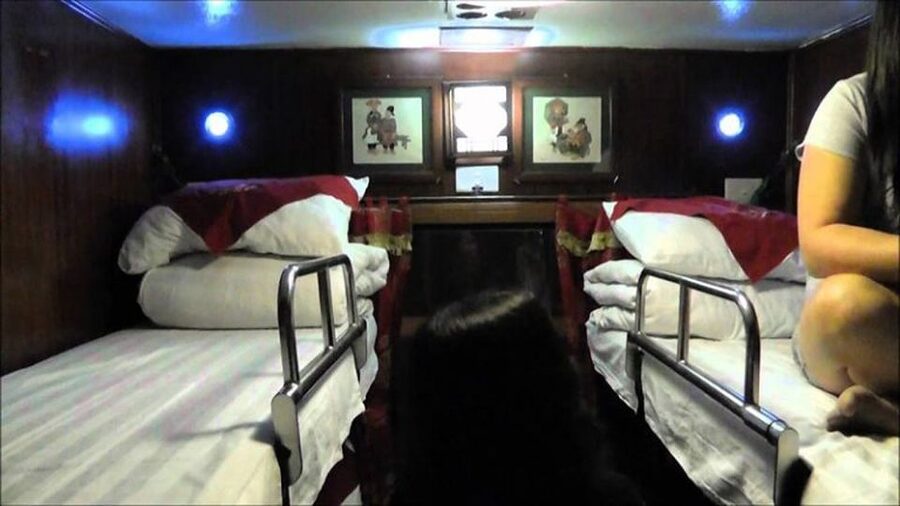
I also like that the trip doesn’t treat the train like an afterthought. You sleep in a shared 4-bed air-conditioned cabin, which is exactly the kind of setup that helps you wake up ready for a hike instead of turning the first day into a jet-lag fog.
The trade-off is also real. You’ll be on a train with berths, and you may find it noisy and bumpy depending on your luck and the carriage. The toilet area can be tricky on moving trains too, so plan your time and don’t treat it like a hotel bathroom. Bring patience—and if you’re sensitive to motion, pack accordingly.
You can also read our reviews of more tours and experiences in Hanoi.

Day 0: Hanoi to Lao Cai on the Overnight Train (Set Yourself Up for a Smooth Day 1)

Your Day 0 is basically travel-with-purpose. You’ll head to Hanoi Railway Station, board at 10 PM, then arrive in time to start the Sapa program next morning. There’s optional pickup from the Hanoi Old Quarter, but the cleanest plan is to get to the station on your own if you prefer to control the timing.
What helps most on this kind of night ride is knowing how it feeds into the next morning:
- You’ll meet your guide after arrival and get transported back toward Sapa.
- Luggage is handled before you start Day 1 activities.
- Even though room check-in is later, the schedule is built so you can start early and still eat breakfast.
If you hate late mornings, this is your style: you’re up early, you’re moving, and you’re not paying a “wasted day” travel tax.
Day 1: Sapa Center to Sin Chai Village (Black H’mong) and a Cozy Night in Town
Day 1 begins with an early meet-up and a transfer back toward Sapa so you can drop luggage and get breakfast. The program starts at 6 AM, and you’ll have time for a proper meal at your hotel before trekking.
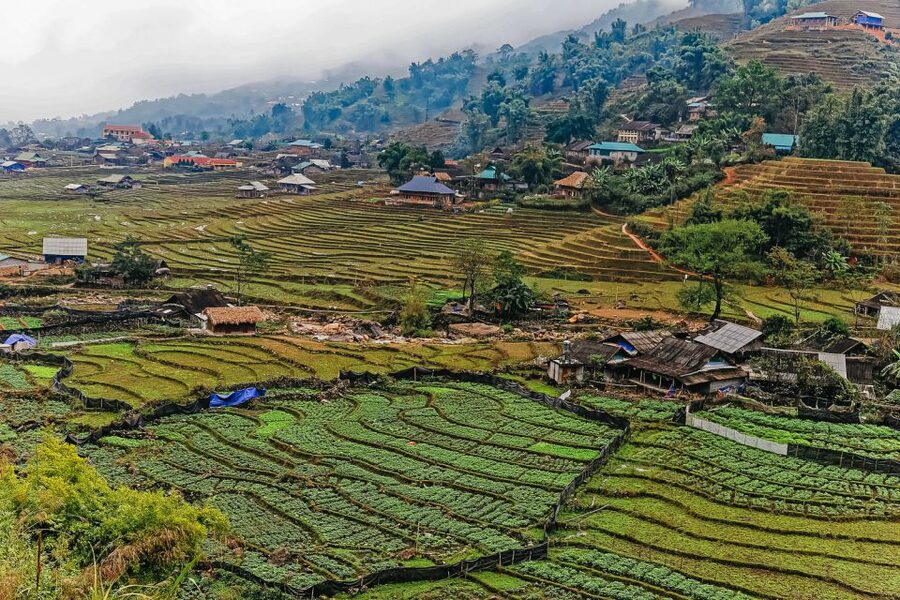
Then comes the first village walk: Sin Chai Village, home to the Black H’mong. This isn’t just a quick stop near the road. Sin Chai is more than 2 km from Sapa town center, and the area is described as simple and rustic, with daily village routines that feel less staged than some tourist-heavy areas.
What to expect on the Sin Chai walk
You’ll walk down toward the southwest of Sapa. You’ll likely pause for photos and get a guide-led sense of how life looks outside the main tourist lanes. The biggest value here is contrast. Sapa town can feel like a hub; Sin Chai feels like highland routines continuing the same way they always have.
Lunch, rest, and a Sapa evening plan
After trekking, you return to the hotel for lunch and free time to rest or explore. You’re not stuck in constant motion, which matters because the next day’s valley trek is longer.
Dinner is timed at 6 PM, and you can expect local-style food choices. One example in the schedule is roasted corn and baked eggs by a charcoal fire, which is the kind of simple meal that often becomes the highlight of a first night in a new place.
I also like that this evening is flexible. If you want a calm night, you can keep it low-key. If you want to browse, Sapa is set up for that.

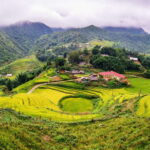
Day 2: Muong Hoa Valley Trek to Y Linh Ho, Lao Chai, and Ta Van (Zay Homestay)
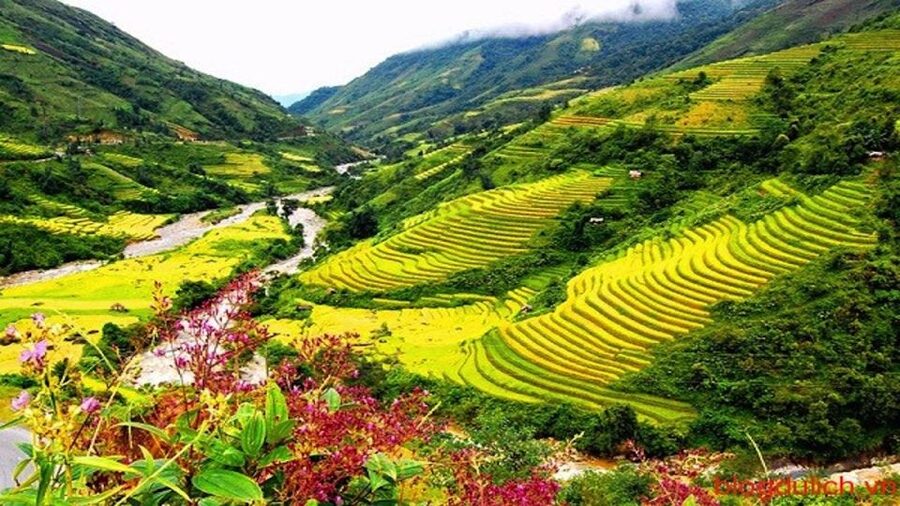
Day 2 is the heart of the whole trip. You’ll start with breakfast, then trek along the side of the Muong Hoa Valley toward multiple hill tribe village areas.
Y Linh Ho and Lao Chai: seeing the H’mong villages in motion
First stop: Y Linh Ho Village, again tied to the Black H’mong. Then you continue down toward Lao Chai Village. This day is structured to show you how different village areas connect through the valley and rice-growing terrain.
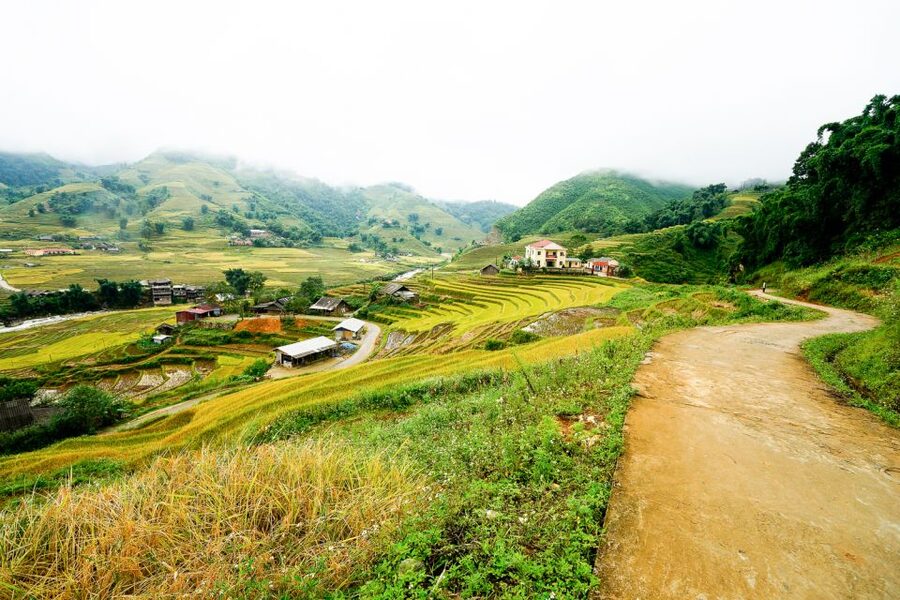
You’ll have lunch partway through, then continue walking through terraced rice fields as you head to Ta Van Village, home to the Dzay minority people. The point isn’t just the view—it’s that terraces are part of work, not decoration. Even if you’re just passing through, your guide can help you understand what you’re seeing and why it matters locally.
The Ta Van homestay night (what it actually means for your trip)
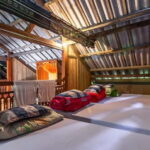
You’ll stay overnight in Ta Van at a homestay, and this is the moment the trip shifts from “tour” to “experience.” The value here is that you sleep in the rhythm of a village household rather than a standard hotel schedule.
The program calls out a clean homestay stay experience, and that’s important. Comfort and cleanliness can vary in rural stays, so it’s good that this one is set up with a real standard.
Your reality check: prepare for sale attempts
One practical note: Sapa villages can involve constant selling. You should expect that local ethnic people may try to accompany you during the trek, asking for money or attempting to sell items—sometimes persistently. Your best move is exactly what the tour warns about:
- Ignore unwanted haggling while you’re walking
- Stick close to your guide, so you stay on the intended path
- Keep your tone calm. This is how some families try to survive.
A key balance: you can be polite without feeling pressured. If you want to buy something, buy it because you genuinely like it—not because you feel cornered.
Day 3: Red Dzao + H’mong Village Visits, Waterfall, Rattan Bridge, and Bamboo-Forest Walking
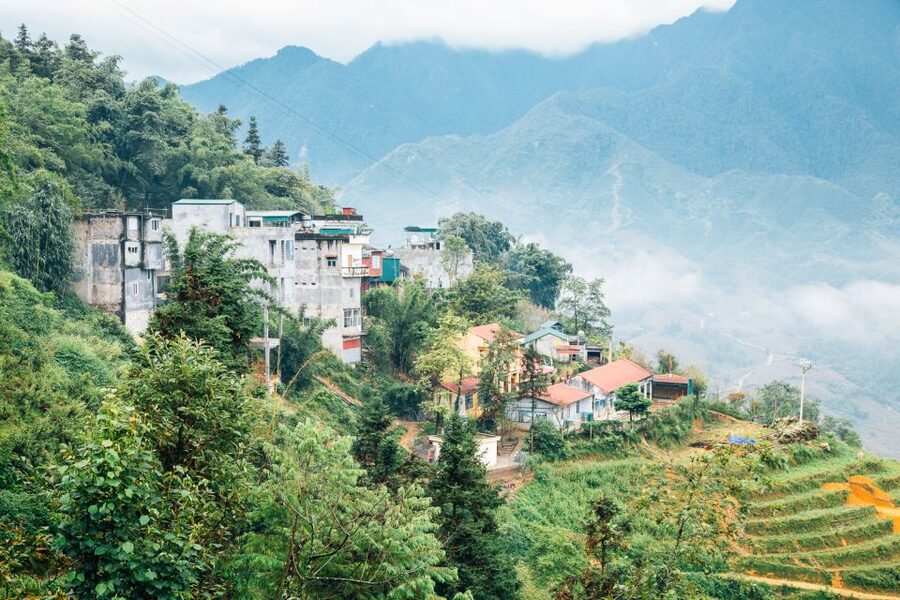
Day 3 keeps the trekking going but with a satisfying arc toward Sapa and back to Hanoi.
After breakfast in Ta Van, you trek to two villages linked to the Red Dzao and H’mong communities. You’ll also have time for specific nature stops: a waterfall, a rattan bridge, and walking through a bamboo forest.
Why these stops feel different (and why you’ll want photos ready)
A rattan bridge tends to be a great photo moment because it’s both small and scenic—something you can frame quickly without needing a long hike detour. The waterfall works similarly: it’s a natural “reward” stop that helps you mentally reset as the morning trekking finishes.
The bamboo forest adds texture. Even if the weather is foggy or changing, bamboo tends to create a changing light effect and a cooler walking feel. Bring a scarf or layer you can pull on and off quickly.
Returning to Sapa and then Hanoi
Once you reach the main road area, you’ll catch a car back to Sapa. Around 2 PM, you pack and head to Hanoi by limousine, with drop-off at your Hanoi hotel around 8–9 PM.
That timing is efficient. You’re back in the city the same day, which helps a lot if you need to connect to flights, meetings, or onward travel.
How Hard Is the Trek, Really? Fitness, Weather, and Altitude Stuff You Should Not Skip
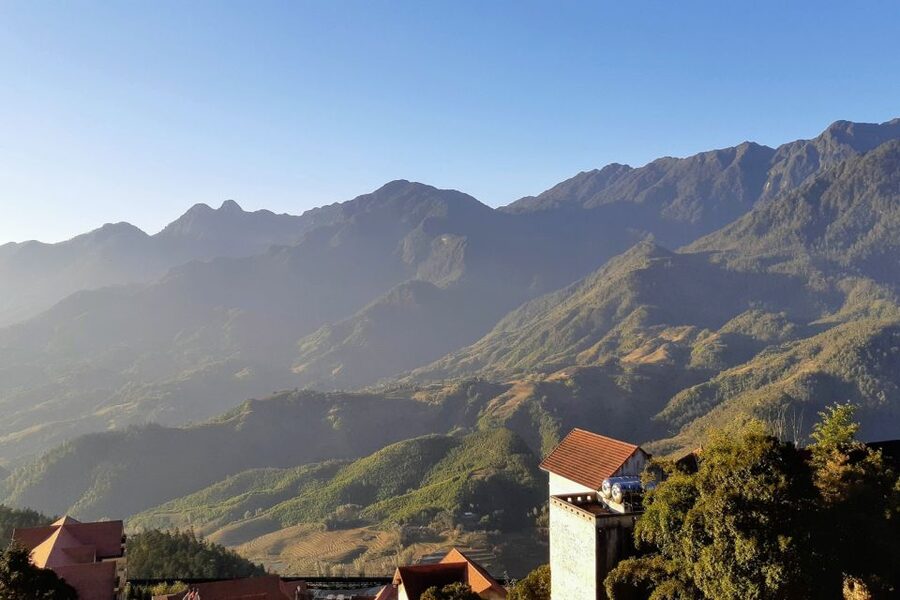
The schedule includes a trekking distance called out as 9 km, and it says it’s not recommended for older guests or children. That doesn’t mean it’s extreme mountaineering—it means the climb and footing can wear you down.
Here’s what that means in real-life terms:
- Bring comfortable shoes with grip.
- Expect cold or sudden weather changes. Sapa is often cold from September to March.
- Fog can show up in December through March, which can affect visibility and make mornings damp and slippery.
Because Sapa sits at altitude, weather can shift fast even when Hanoi feels warm. That’s why you’re told to bring warm clothing, including a scarf and hat or cap. I also suggest you pack a lightweight rain layer even if the forecast looks mild—your best day is the one where you don’t feel miserable.
A quick note on solo travelers and group flow
If you’re traveling solo, you can still do this. But you should know that group dynamics can change day to day depending on numbers and guide assignments. You might meet different guides across the three days, and it helps to confirm meeting points early with the guide team so you don’t feel lost.
Price and Value: Is $212 a Fair Deal for This Sapa Package?

For $212 per person, you’re not just paying for walking. You’re paying for the full logistics stack:
- Overnight train from Hanoi to Lao Cai (shared 4-bed air-conditioned cabin)
- Minibus transfer from Lao Cai to Sapa
- A 3-star hotel night in Sapa center
- A homestay night in Ta Van
- All meals listed in the itinerary (breakfast, lunch, dinner on trekking days)
- Local guide and sightseeing fees/taxes/service charges
- Hanoi Old Quarter pickup and drop-off (and your return into Hanoi late day 3)
That’s why the price can feel fair: you’re buying time and planning effort, not just “a guide for a few hours.” Trekking in rural areas is hard to organize without local help, and the overnight train + lodging costs add up.
What’s not included is also important for budgeting:
- Drinks at meals aren’t included.
- Personal expenses aren’t included.
So you’ll want some cash for water, snacks, and anything else you decide to buy.
Train Comfort, Hotel Reality, and What to Pack So You’re Actually Happy
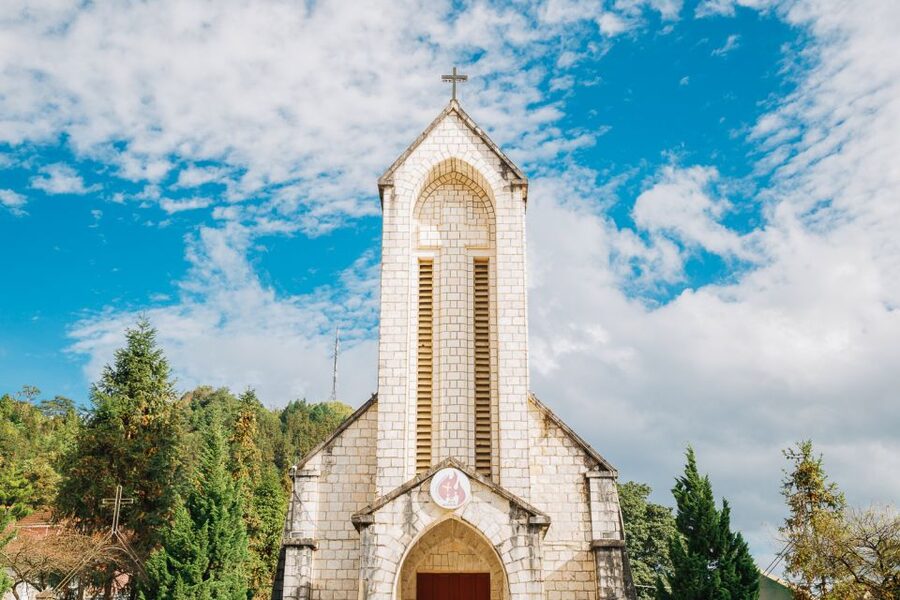
Overnight train: what to expect
The train experience can be genuinely interesting—think of it as part of the journey, not dead time. Berths are described as comfortable by some past participants, and the ride is air-conditioned.
But the real caution is the “night travel” part:
- It can be noisy
- It can feel bumpy
- The toilet can be challenging on the move
- You might not get to choose your top vs bottom bunk, and that can affect comfort if you’re claustrophobic or restless
If you sleep lightly, pack earplugs and consider a scarf you can wrap around your neck for comfort.
Sapa hotel and timing
You’ll spend one night in a 3-star Sapa hotel in the center. Check-in timing is noted as 2 PM, so don’t count on early room access. The trip schedule works around it by using meals and trekking windows.
What to bring (the practical list)
At minimum, bring:
- Trekking shoes
- Warm clothes (Sapa can be cold even when Hanoi isn’t)
- Scarf + hat/cap
- Sunglasses and sun cream
- Insect repellent
- Medicine in case of illness
- Cash in Vietnam Dong (banking can be unreliable in Sapa)
US Dollars, Euros, and Australian Dollars are accepted in Sapa, but carrying some Dong is still a good safety net.
The Human Part: Guides, Village Conversations, and How to Handle Selling Without Being Rude
This trip is heavily shaped by your guide. The program uses an English-speaking guide, and the types of guides you might run into are often personable and chatty, with a real interest in explaining daily life.
Some guide names you may hear around this route include Chu, Mai, and others like Su Su and Ai. You’ll usually get more than route facts if your guide is in that style: the “why” behind rice growing, clothing, and daily routine.
How to deal with the buying pressure
You’ll likely see people trying to sell items, and some may follow during walking stretches. The best approach is simple:
- Let your guide handle the main interaction
- Decide your boundaries before you start (for example: I’m okay with photos, not okay with being delayed)
- If you do talk, keep it friendly and short
This isn’t about you being mean. It’s about respecting the situation. Some families rely on sales to earn money, and your guide is there to keep the trek on schedule.
Should You Book This Sapa 3-Day Trek + Ta Van Homestay?
Book it if you want:
- A structured Sapa experience with real village visits across multiple hill tribe communities
- A true homestay night in Ta Van (not just a quick photo stop)
- An efficient travel plan using the overnight train from Hanoi
Skip (or switch to an easier version) if:
- You’re sensitive to motion and expect the overnight train to bother you
- You don’t want a trek that can feel demanding (9 km is noted and it’s not recommended for older guests or children)
- You’re uncomfortable with the reality of ongoing selling attempts around villages
If you’re fit enough for a few solid walking days and you can handle cold weather layers and some sales pressure with patience, this is a high-value way to experience Sapa beyond the main town streets.
FAQ
How long is the trip?
It runs 3 to 3.5 days, depending on the starting time availability.
Does the package include the overnight train?
Yes. You take an overnight train from Hanoi to Lao Cai, staying in a shared 4-bed air-conditioned cabin for one night.
Where do you sleep in addition to the train?
You have one night in a homestay in Ta Van Village and one night in a 3-star hotel in Sapa center.
What meals are included?
Meals included are the ones listed in the itinerary: breakfast, lunch, and dinner on the trekking days, plus any meals noted for Day 1.
Is pickup included in Hanoi?
Yes. Hotel pickup and drop-off from the Hanoi Old Quarter is included, and pickup is optional depending on your chosen option.
What should I bring for Sapa weather?
Bring warm clothing, including a scarf and hat/cap, plus comfortable shoes. Weather is often cold from September to March, and fog can happen in Dec–March.
Can this trek work for kids or older travelers?
The itinerary notes that the 9-km trek is not recommended for older guests or children.
Is there an English guide?
Yes. The tour includes a live English-speaking guide.