REVIEW · SA PA
Sapa 3-Day Trekking Adventure from Hanoi
Book on GetYourGuide →Operated by NEW LAND INTERNATIONAL TOURIST COMPANY LIMITED · Bookable on GetYourGuide
Mud and rice terraces, plus real village days.
This small-group Sapa trek (up to 10–12 people) is built around local ethnic guides and walks through Muong Hoa, with village visits like Cat Cat, Lao Chai, Ta Van, Giang Ta Chai, and Su Pan. I like the balance of cultural time and hiking, plus the fact you can adjust certain stops based on fitness and preferences. I also love the Ta Van homestay night, including dinner and a cooking class with locals. One drawback to plan for: the day 2 hiking can get muddy and slippery, so your shoes and your pacing matter.
From Hanoi, you ride a VIP cabin bus about 5.5 hours to Sapa, check in, and then start walking right away with an easy-to-understand plan. You’ll end back in Hanoi late evening (around 10:00–10:30pm), with drop-off at Tran Quang Khai in Hoàn Kiếm rather than at your exact hotel.
You’ll also pass places that show up in Sapa’s French-era story—Cat Cat includes the old hydroelectric power plant built in the early 1900s. And yes, you’ll see the familiar village-stall selling along the routes, so I recommend a calm “no thanks” and moving on with your day.
In This Review
- Key highlights worth your attention
- Why This Sapa Trek Actually Feels Organized
- The main “be ready” point
- Price and What $116 Buys You (Not Just a “Hike”)
- Day 1: Hanoi to Sapa and the Cat Cat Village Loop
- Real-world tip for Cat Cat
- Day 2: Muong Hoa Rice Terraces, Lao Chai, and Ta Van Homestay
- The hard part: slippery mud
- Lunch and homestay rhythm
- Homestay comfort level
- Day 3: Short Trek to Red Dao Villages and Back to Hanoi
- Why these village stops matter
- A practical comfort issue
- How to Pack for Sapa Mud, Steps, and Village Stops
- The selling-factor reality
- Getting the Most From the Hikes (Without Stress)
- Transport reality check
- Who This Trek Is Best For
- Should You Book This Sapa 3-Day Trek?
- FAQ
- Where do you get picked up in Hanoi?
- How long is the bus ride from Hanoi to Sapa?
- How much hiking do you do across the three days?
- What meals are included in the price?
- Is a cooking class included?
- What kind of lodging is included?
- When does the tour end in Hanoi?
- What should I bring for the trek?
Key highlights worth your attention
- Small group, capped around 10–12 people, so the guide can actually keep track of the group
- Ethnic local guiding, with cultural context tied to the villages you walk through
- Muong Hoa terrace trekking, including a long day into Black H’Mong and then Ta Van
- Ta Van homestay night, plus a hands-on cooking class
- Multiple village stops across H’Mong and Red Dao areas, not just one photo stop
- One set price with no add-on charges, so you can budget without guesswork
Why This Sapa Trek Actually Feels Organized
I like tours that reduce stress, and this one is built that way. The itinerary flows in a clear rhythm: bus in from Hanoi, one afternoon village walk, one full trekking day ending in a homestay, then a shorter final trek before the ride back.
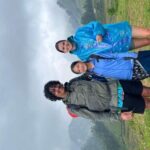
A big part of the “it works” feeling is the guide setup. The group is led by English-speaking local ethnic guides, not just a generic city guide reading facts. The difference shows up when you ask basic questions like how people farm, how daily life works, or why certain paths and markets exist. Guides such as Su and Dinh are mentioned as locally based and very familiar with the area, which matters because Sapa’s hills are full of context.
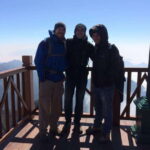
Group size also helps. You’re not stuck in a line of dozens. The cap listed at 10–12 means you get more time for the small moments: stopping when someone needs to rest, asking what a family is doing, and getting help when the trail gets messy.
You can also read our reviews of more tours and experiences in Sa Pa.


The main “be ready” point
The route includes uneven, muddy sections in wet weather. One reason the trek can feel intense on day 2 is that the footing can turn slippery in clay-like mud for stretches. The good news: you’re not left alone when it gets hard. You may see local women from the community walking alongside part of the group to help keep people steady at tricky moments.
Price and What $116 Buys You (Not Just a “Hike”)
At $116 per person, the value comes from what’s included—not just the trekking. Here’s what you’re paying for:
- VIP cabin bus round-trip from Hanoi (about 5.5 hours each way)
- Hotel in Sapa for one night (Sapa Retreat Condotel or Delta Sapa Hotel, 3-star category)
- One night homestay in Ta Van (private homestay night is stated)
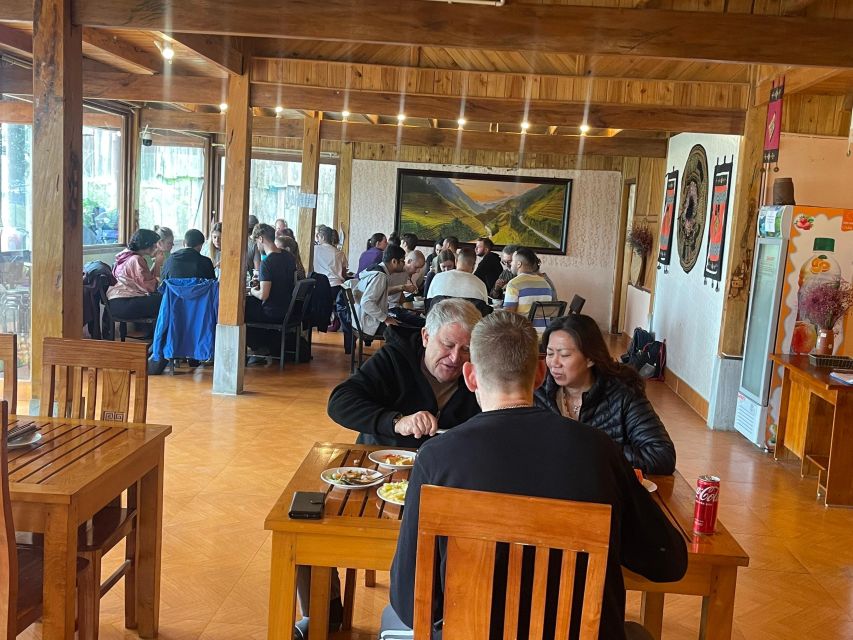
- Meals you actually need: 2 breakfasts, 2 dinners, and 3 lunches
- Entrance fees and permits
- Cooking class at the homestay on day 2
- Hotel pickup and drop-off within Hanoi is included, with pickup specified at Hoàn Kiếm/Old Quarter
The hidden value is the full package of logistics. If you try to do this on your own, you’ll spend real time arranging transport, guides, village permissions, and where to sleep. Here, those moving parts are handled, and that’s a big deal when you’re juggling limited time.
What’s not included is also important: drinks during meals, personal expenses, and anything outside the plan. So if you want bottled water beyond what’s practical, budget for that separately.
Bottom line: this is priced like a proper guided 3-day experience with food, sleep, and transport built in, not like a budget day trip where you pay for everything twice.
Day 1: Hanoi to Sapa and the Cat Cat Village Loop
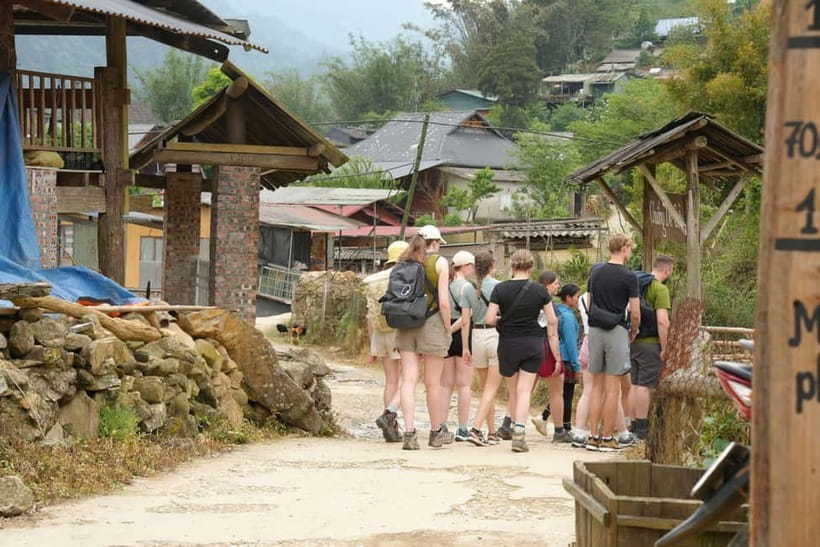
Day 1 starts with a morning pickup in Hanoi’s Hoàn Kiếm/Old Quarter zone. The bus ride takes about 5 hours on the highway, and then you arrive in Sapa in the early afternoon.
What you do once you get there:
- Check in and lunch at the hotel/restaurant setup for the group.
- Afternoon walk to Cat Cat Village with the guide.
- Dinner and then free time to explore Sapa town.
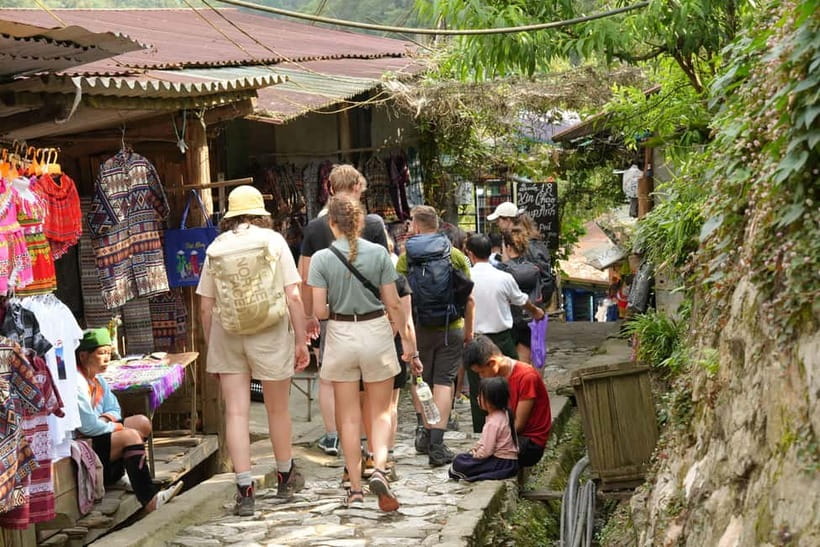
Cat Cat is a H’Mong village area that visitors know, but it’s still worth it for two specific reasons. First, it’s a quick way to get oriented to the local culture and customs. Second, you’ll see the Cat Cat waterfall area and the hydroelectric power plant built by the French in the early twentieth century. That French-era infrastructure is one of those details that helps you understand why Sapa’s development took the shape it did.
Real-world tip for Cat Cat
The walk can pass through parts that are more tourist-facing. That can soften the “authentic village” feeling compared with the deeper trekking days. Still, it’s a good warm-up, and it gets you moving before the longer Muong Hoa day.
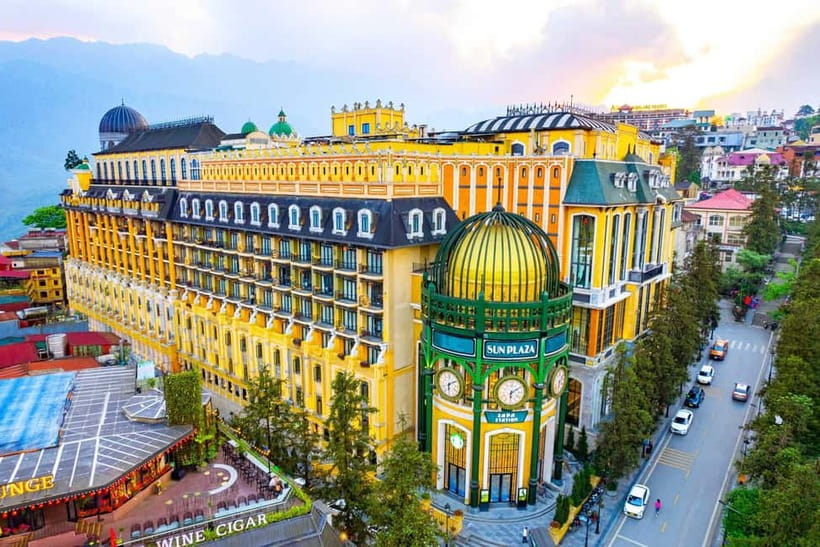
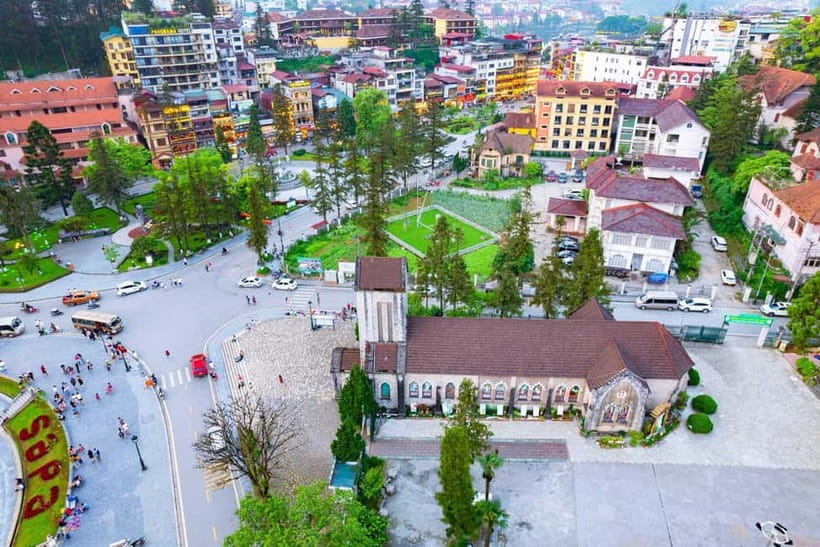
After dinner, you’re free to roam Sapa town. Just remember this is a mountain town that’s busy in its own way, so if you want quiet, set your expectations accordingly.




Day 2: Muong Hoa Rice Terraces, Lao Chai, and Ta Van Homestay
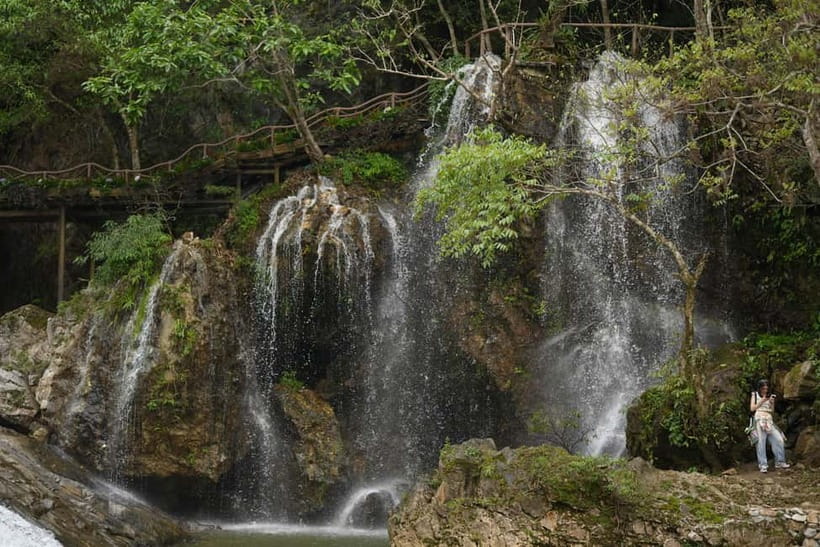
This is the day you came for.
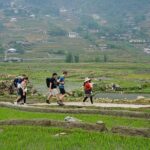
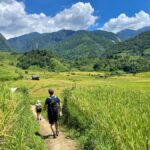
The day starts with breakfast, then you begin trekking around late morning. The trek is roughly 9 km, and the route takes you:
- Toward Y Linh Ho
- Along the Muong Hoa Stream area
- To Lao Chai (a village associated with the Black H’Mong community)
- Then onward to Ta Van Village, where you rest and stay overnight
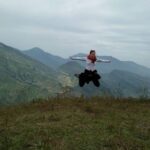
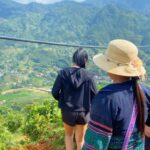
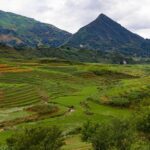
Along the way, you get broad mountain views tied to the Hoàng Liên Sơn area. Even if clouds roll in, the trail has frequent “look up and pause” moments. The terraces matter here. You’re not just walking past a backdrop; you’re walking through the farming lines people rely on.
The hard part: slippery mud
Day 2 can include about 1.5 hours of very slippery clay-like mud in wet conditions. This is where footwear and balance are everything. If it rained recently, expect the trail to feel more like an uneven slide than a hike.
A key piece of reassurance from past experiences: local women from the community may support part of the group on the toughest sections. That doesn’t make the trek effortless, but it does make it safer and less scary.
Lunch and homestay rhythm
At around midday you eat lunch at Ta Van and then check in. The afternoon is slower on purpose. You get free time to relax at the homestay.
Then comes one of the most memorable parts for many people: a cooking class with the locals around late afternoon. Dinner follows, and you eat what you helped prepare.
A small note that can help your expectations: the cooking activity is hands-on, but some parts may be simple tasks with pre-prepared ingredients. The value isn’t fancy technique—it’s spending time in the home rhythm and learning how people actually make familiar dishes.
Homestay comfort level
The homestay experience is described as friendly and substantial for dinner, but accommodation is also noted as fairly basic for the price. If you’re coming from a hostel with modern amenities, plan on rustic. Bring a practical mindset and you’ll enjoy it more.
Day 3: Short Trek to Red Dao Villages and Back to Hanoi
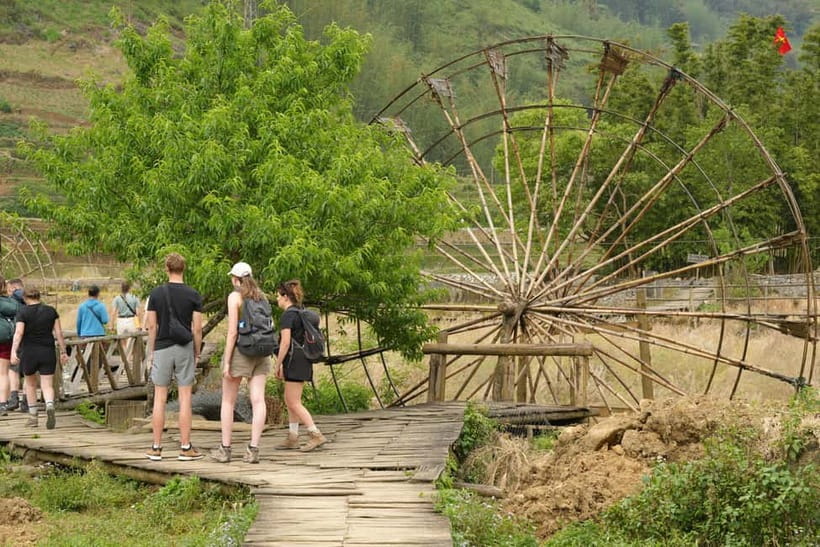
Day 3 is shorter than day 2, but it’s still a real walk.
After breakfast at the homestay, you start trekking around late morning. The plan is about 4 km and includes:
- Giang Ta Chai Village (Red Dao)
- Su Pan Village (another Red Dao stop)
You then return toward Sapa for lunch, rest briefly, and take a vehicle back to Hanoi. The pickup from the Sapa area happens around early afternoon, and you reach Hanoi late night—around 10:00–10:30pm.
Why these village stops matter
This day continues the ethnic variety theme—so you’re not repeating the same kind of walk. Visiting Giang Ta Chai and Su Pan gives you a second look at Red Dao traditions and village life, with the walking still keeping you close to everyday reality.
A practical comfort issue
Because the bus ride runs long both ways, don’t assume you’ll feel fresh by the end. If you’re sensitive to long travel, bring what helps you settle: a warm layer, a neck pillow if you use one, and a plan for restroom stops. The itinerary doesn’t promise extra breaks beyond what’s built into the schedule, so in real life you may have to be flexible.
How to Pack for Sapa Mud, Steps, and Village Stops

If you do one thing right for this trek, make it footwear.
You’ll want:
- Comfortable shoes, plus hiking shoes/boots if you have them
- Hiking pants and comfortable clothes
- Insect repellent
- Something for warmth: from October to March, bring warm layers
- Sunscreen, since you still get sun at altitude and on open paths
- A practical ID option: passport or an ID card is mentioned
What you should avoid:
- High-heeled shoes
- Alcohol and drugs
The selling-factor reality
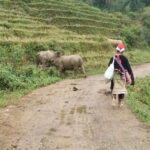
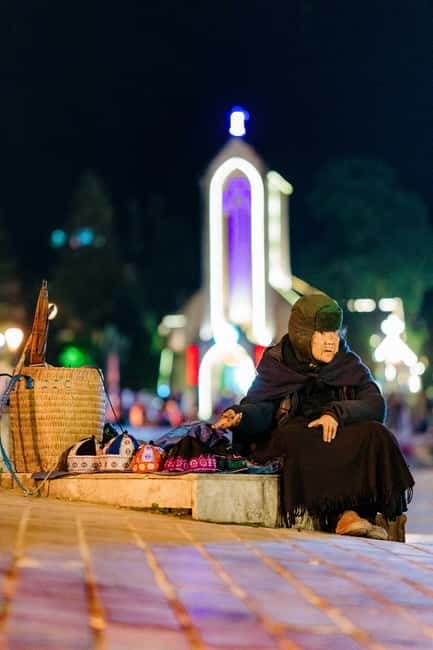
On the way to villages, some locals follow to sell items they made. You don’t have to buy anything. I suggest you treat it like part of the environment, not a personal negotiation. A simple, polite refusal and a steady pace keeps things from hijacking your mood.
Getting the Most From the Hikes (Without Stress)
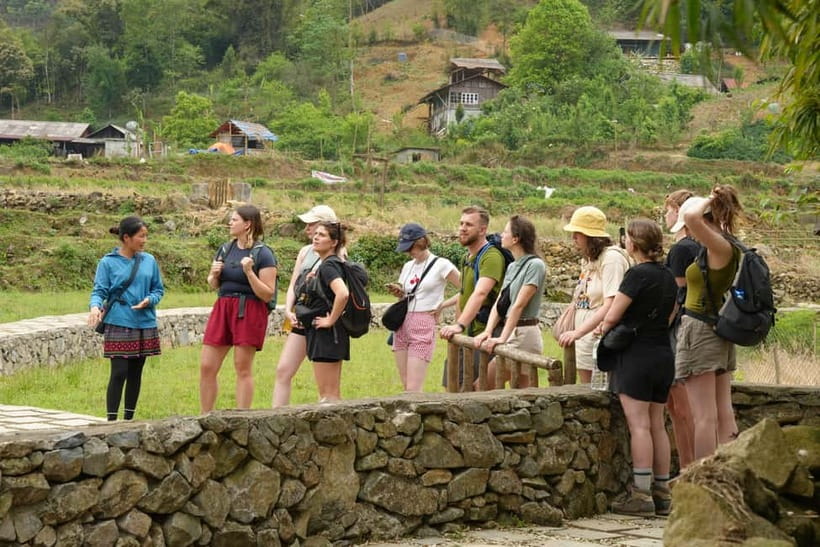
This trek is not a “stroll with pretty views.” Day 2 especially can feel physically demanding because of mud and uneven footing.
Here’s how you make it easier on yourself:
- Start the day with slow energy. If you go fast early, mud fatigue hits sooner.
- Keep your eyes on your feet. The best views often come after a careful step.
- Accept that you may slip. That’s not failure; it’s weather math in the hills.
Also pay attention to how your guide works with the group. Stops can be added or removed based on preferences and fitness level, which is a smart setup for mixed groups. If you need a slower pace, say so early rather than waiting until your legs are already done.
Transport reality check
Hotel storage for bulky items until the end is handled, which helps you travel light on the trek days. On the bus, you’re packed in more than you might like, and one person noted no working toilet on the sleeper coach experience. Even if you don’t get that exact setup, it’s wise to plan as if you’ll need to make do with restroom stops when the driver stops.
Who This Trek Is Best For
This Sapa 3-day trekking adventure fits best if you want a guided mix of culture and real walking and you’re okay with basic accommodations on the homestay night.
It’s a good match for:
- People who like village visits tied to daily life, not just quick photo stops
- Folks who enjoy terraced trekking and mountain views
- Anyone comfortable with 2 serious walking days (day 2 is the hardest)
You might want to skip it if:
- You have back problems or mobility limitations
- You’re over 75
- You’re traveling with children under 3
Should You Book This Sapa 3-Day Trek?
I’d book it if you’re seeking a structured, small-group trek with real village interaction—plus the practicality of transport, permits, meals, and lodging already handled. The biggest “yes” reasons are the local ethnic guides, the Ta Van homestay with cooking, and the fact the plan is designed to fit different fitness levels without turning into a chaos-fest.
I wouldn’t book it if mud makes you miserable or if uneven trails make you nervous. Day 2 can get seriously slippery in wet weather, and you’ll feel it in your legs. Also, if you expect a soft, tourist-only walk, Cat Cat may feel more market-and-stalls than pure village life.
If you can handle some rough footing and you’re excited for Muong Hoa terraces plus H’Mong and Dao village time, this tour is a strong value for a full 3 days.
FAQ
Where do you get picked up in Hanoi?
Pickup is in the Hoàn Kiếm area, with the itinerary noting Old Quarter pickup/methods, and the tour ends with drop-off at 160 Đ. Trần Quang Khải, Hoàn Kiếm.
How long is the bus ride from Hanoi to Sapa?
The bus/coach travel time is listed as about 5.5 hours each way.
How much hiking do you do across the three days?
The trek totals about 14 km: roughly 9 km on day 2 and about 4 km on day 3 (plus a shorter day 1 village walk).
What meals are included in the price?
Meals included are 2 breakfasts, 2 dinners, and 3 lunches, matching the itinerary schedule.
Is a cooking class included?
Yes. There is a cooking class activity at the homestay on day 2.
What kind of lodging is included?
You get one night in a homestay in Ta Van village and one night in Sapa town at a 3-star property (Sapa Retreat Condotel or Delta Sapa Hotel).
When does the tour end in Hanoi?
It ends with arrival in Hanoi at around 10:00–10:30pm, and the bus drops you off at Tran Quang Khai street in Hoàn Kiếm.
What should I bring for the trek?
Bring a passport or ID card, comfortable shoes plus hiking shoes if you can, comfortable clothes, hiking pants, insect repellent, and warm clothes (especially October to March). Sunscreen is also recommended.