REVIEW · HANOI
Sapa 3-Day Trekking Adventure from Hanoi
Book on GetYourGuide →Operated by NEW LAND INTERNATIONAL TOURIST COMPANY LIMITED · Bookable on GetYourGuide
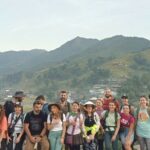
A packed itinerary can still feel personal. This small-group Sapa trek (max 12) takes you from Hanoi into the rice terraces of Muong Hoa and on walks through H’Mong, Dao, and Giay villages with local ethnic guides like Dinh. It’s the kind of trip where the scenery is great, but the real draw is how close you get to daily village life.
What I really liked: you’re guided by local ethnic guides, not just a translator with a clipboard, so you hear the right stories in the right tone. And the Ta Van homestay night includes a cooking class with the locals, plus a solid homestay dinner and group games that make the evening feel social instead of awkward.
One thing to plan for: the trek can be steep and slippery, especially in wet or muddy conditions. The views are worth it, but you’ll want proper shoes and a calm head when the trail turns into clay.
Key things I’d watch for (and why they matter)
- Max 12 guests means you can actually hear your guide and move at a human pace
- Ethnic guides (including Dinh) help the village visits feel grounded, not staged
- Muong Hoa day 2 is the main trek day (about 9 km) and can get muddy on the first stretch
- Cat Cat Village is interesting, but it can feel more touristy than the other village stops
- Homestay in Ta Van gives you a village-night rhythm, with a cooking class built in
- You end in Hanoi around 10:00–10:30pm and you may need to get from the drop-off point to your hotel
In This Review
- Sapa Trek Reality Check: What You’re Buying for $126
- Day 1: Hanoi to Sapa, then Cat Cat Village (Easy Start, Tourist Energy)
- Sapa town and your first hotel night
- Cat Cat Village: French-era power history + H’Mong village life
- Day 2: The Muong Hoa Trek (9 km) and Why Mud Changes Everything
- Y Linh Ho → Lao Chai: Black H’Mong village views
- The tricky section: slippery clay and trail conditions
- Ta Van: lunch, homestay check-in, then a village evening
- Day 2 Homestay Tips: What “Staying in a Village” Really Means
- Day 3: Red Dao Villages (Giang Ta Chai + Su Pan) and the Walk Back to Sapa
- The morning route: about 4 km total
- Lunch and the return to Sapa
- The Trek Styles: Who This Fits Best (and Who Should Skip It)
- Logistics and Comfort: VIP Bus, Group Size, and Included Meals
- Cat Cat vs. the Village Trek: A Simple Way to Set Expectations
- Should You Book the Sapa 3-Day Trek from Hanoi?
- FAQ
- What’s the group size like on this Sapa trek?
- How much trekking is involved across the 3 days?
- Are meals included?
- What should I pack for the trek?
- Will the trail be muddy or slippery?
- Where do you end in Hanoi?
Sapa Trek Reality Check: What You’re Buying for $126
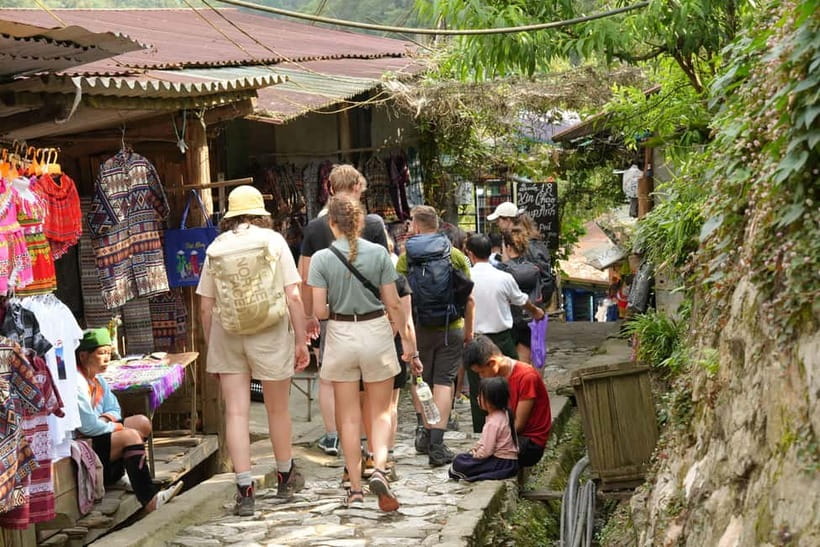
At $126 per person for a 3-day experience from Hanoi, the price only makes sense if you look at what’s actually included. This tour is set up as an all-in package: VIP cabin bus transfers, 1 night in a Ta Van homestay, 1 night in a 3-star hotel in Sapa, plus meals and entrance fees/permits. On top of that, you get an English-speaking local guide and a cooking class at the homestay.
That “all-inclusive” piece matters in northern Vietnam because the trip isn’t just walking. It’s logistics: transport to the mountain, overnight stays in the right places, and village access. If you tried to piece this together yourself, you’d spend time negotiating and sorting meals, homestay arrangements, and permits—often ending up paying more for less certainty.
The big value also comes from the structure: you’re not just dropped in a town and told to explore. You follow a route between villages like Y Linh Ho → Lao Chai → Ta Van, then visit Giang Ta Chai and Su Pan before heading back to Hanoi. That route is where the experience happens.
Day 1: Hanoi to Sapa, then Cat Cat Village (Easy Start, Tourist Energy)
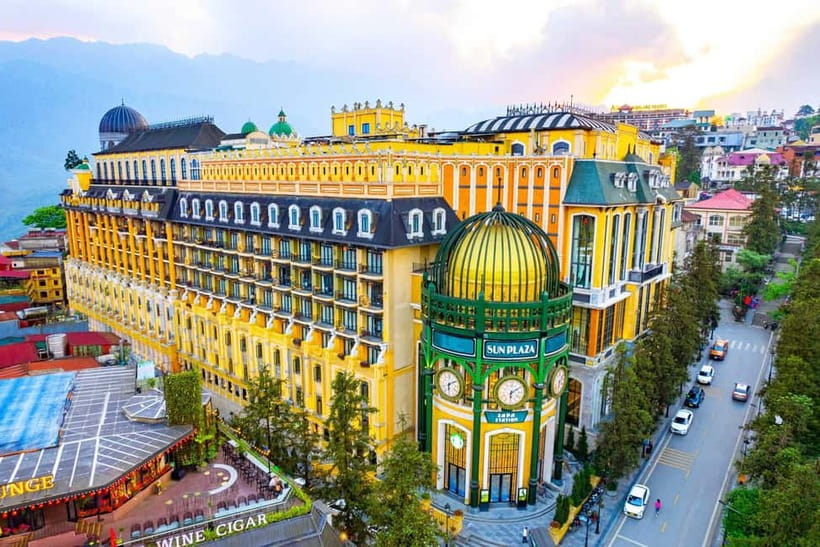
You start early, with a pickup in the Hanoi Old Quarter area (or a meeting point). After about 5 hours on the highway, you arrive in Sapa around the early afternoon. Then the day shifts from travel to “see something right away” mode.
You can also read our reviews of more tours and experiences in Hanoi.



Sapa town and your first hotel night
Once you reach Sapa, you check in and have lunch. The itinerary keeps your pacing gentle—there’s no heavy hike on Day 1. You’ll likely have time to wander a bit in Sapa after dinner, but this is the “city base” portion of the trip.
Cat Cat Village: French-era power history + H’Mong village life
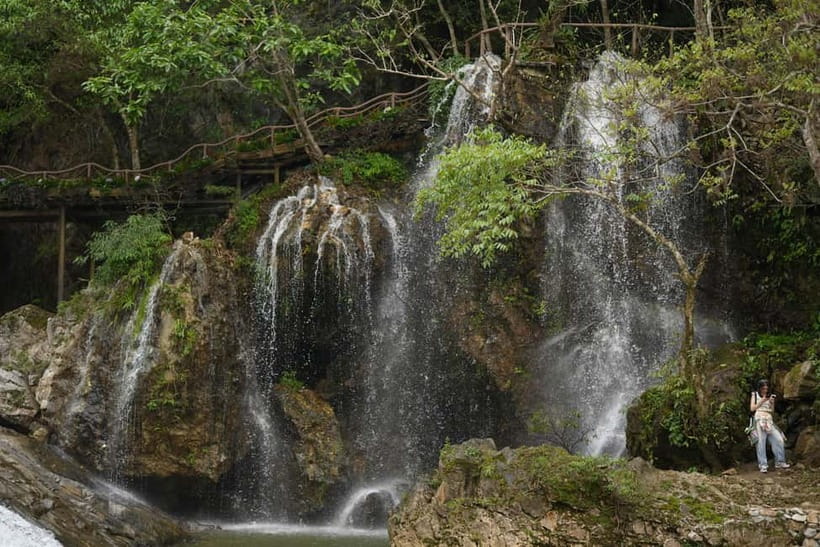
In the late afternoon, you walk to Cat Cat Village with your guide. This stop typically includes a look at H’Mong customs and habits, plus the Cat Cat waterfall and a hydroelectric power plant built by the French in the early 20th century.
Here’s the honest trade-off: Cat Cat Village can feel more touristy than the deeper village areas. If you’re hoping for total solitude, you might be disappointed. If you want an easy first taste of H’Mong culture and a straightforward warm-up before the bigger trek, it works well.
Also, keep an eye out for the constant village selling. You don’t have to buy anything—set your expectation early and you’ll enjoy the walk more.
Day 2: The Muong Hoa Trek (9 km) and Why Mud Changes Everything
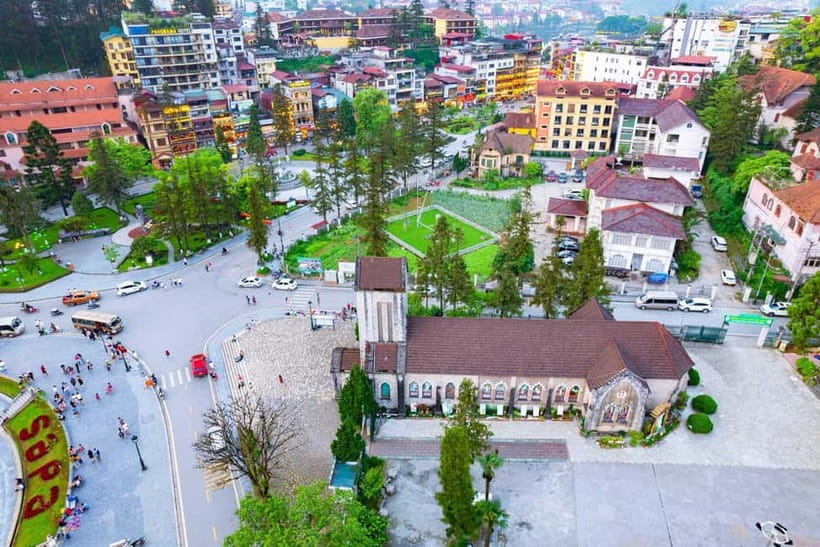
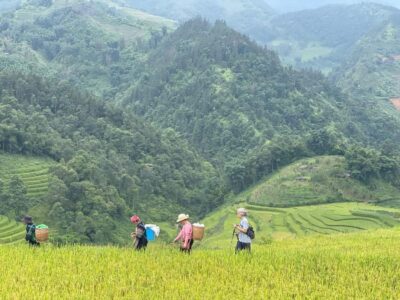
Day 2 is the main event. After breakfast, you start around 8:30am and trek through terraced areas along the Muong Hoa Stream.
Y Linh Ho → Lao Chai: Black H’Mong village views
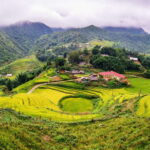
Your first village walk runs through Y Linh Ho, then on to Lao Chai, home to the Black H’Mong. This part of the route is all about getting your eyes on the Hoang Lien Son mountain ranges and the stepped rice fields.
This is where the trip turns physical. Even when the total distance is “only” about 9 km, the terrain can be tricky.


The tricky section: slippery clay and trail conditions
In wet weather, the first stretch can become a slippery mess of mud and clay-like ground. I’m not sugarcoating this: it can feel scary when traction disappears.
The good news is that this tour is designed with real-world mountain reality in mind. People on the trail often help each other, and you’ll see locals—especially women—offering practical support to keep hikers upright. That’s not a gimmick; it’s exactly how these paths get navigated day-to-day.
If you’re going in shoulder season or in rain, bring gear that can handle real ground:
- good traction hiking shoes (not just sneakers)
- hiking pants
- and insect repellent (bring enough for the whole day)
Ta Van: lunch, homestay check-in, then a village evening
Around 12:30pm, you have lunch at Ta Van village, then you check in and rest. The afternoon is intentionally lighter: you’re not cramming another long hike.
At 17:00–17:30, you do a cooking class at the homestay. Then you eat dinner made by your own hands, which is one of those experiences that’s genuinely satisfying because it connects you to what you tasted and what you saw.
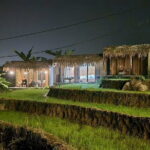
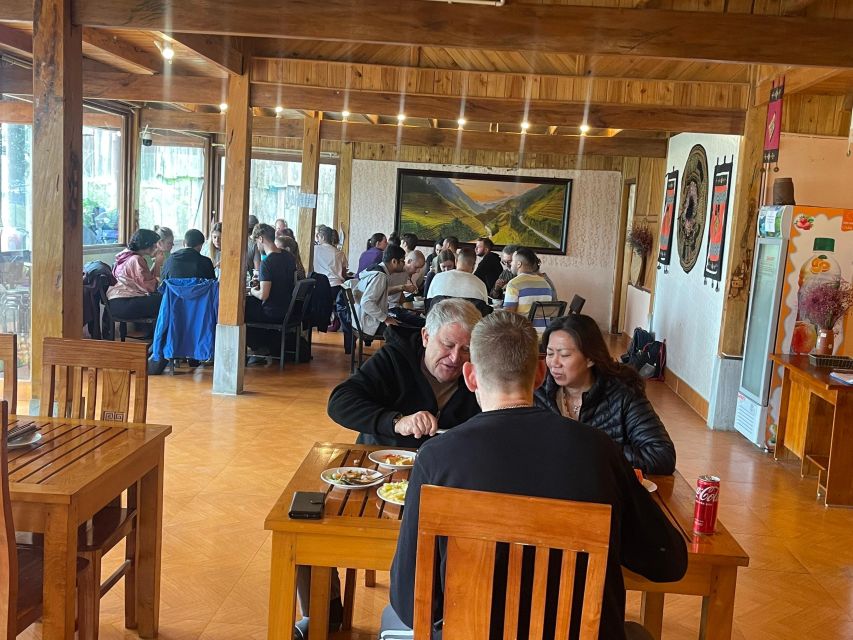
The best part is that the evening feels communal. Group games happen, the dinner is substantial, and the homestay setup tends to be clean and comfortable—down in the valley, away from the loud “tour town” feel.
Day 2 Homestay Tips: What “Staying in a Village” Really Means
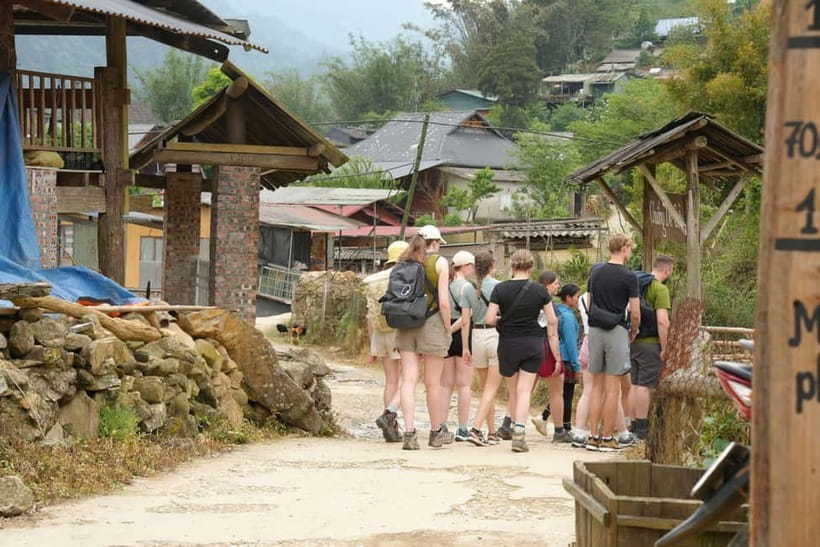
A homestay is not a hotel with room service. You’re sleeping in a village setting with a simpler pace. That’s the point, and it’s also what makes it memorable.
From what this tour delivers, you can expect:
- solid meals included (breakfast and dinner are part of the package)
- a real sense of daily rhythm in Ta Van
- a cooking class that turns food into an activity, not just a meal
One balanced note: if you’re a picky eater, you might notice the food style isn’t always what you expect. Still, the experience is less about matching your usual taste and more about eating in context.
If you want a smoother night, bring a sense of flexibility. You’re there to learn how life works, not to run a luxury schedule.
Day 3: Red Dao Villages (Giang Ta Chai + Su Pan) and the Walk Back to Sapa
Day 3 is shorter and more relaxed. You’ll wake up in the homestay, have breakfast, and start trekking in the morning.
The morning route: about 4 km total
Around 9:00–9:30, you begin the next walk. This part focuses on Giang Ta Chai and Su Pan, villages of the Red Dao. The hike total is about 4 km, built for sightseeing without exhausting you after the Day 2 effort.
Giang Ta Chai is one of the attractive Red Dao village stops, and the visit is designed to help you understand their traditions through what you see and what you’re told by your guide.
Lunch and the return to Sapa
Around 12:00, you have lunch and then rest at the homestay. Later, you get picked up and return to Sapa. Then it’s back to Hanoi by bus, arriving around 10:00–10:30pm.
This timing can feel late, especially if you’re tired from the walking. Plan for a slow evening in Hanoi. Also note the practical detail: the bus doesn’t necessarily drop you at your exact hotel address. You’re dropped around Tran Quang Khai Street in Hoan Kiem, so build in a little buffer to get to where you’re staying.
The Trek Styles: Who This Fits Best (and Who Should Skip It)
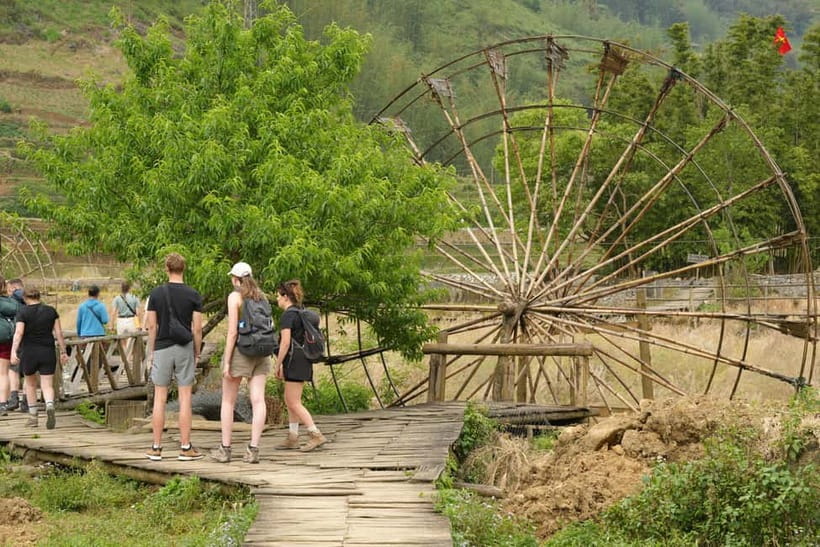
This isn’t a “flat walk with a photo stop” kind of trip. You’ll hike a total of about 14 km across Day 2 and Day 3, with muddy or dirty paths possible in wet weather. The trails can be steep.
So, this tour is best if you:
- enjoy walking in mountainous terrain
- can handle steep steps and uneven ground
- want a village-focused experience with real guides
- like the idea of a homestay night
It’s not a good match if you have:
- back problems
- mobility impairments
- you’re traveling with small children (it’s not suitable for kids under 3)
- or if you’re older with limited stamina (it’s not suitable for people over 75)
If you’re on the fence, think about traction first. Even strong hikers can get stressed on slick clay.
Logistics and Comfort: VIP Bus, Group Size, and Included Meals
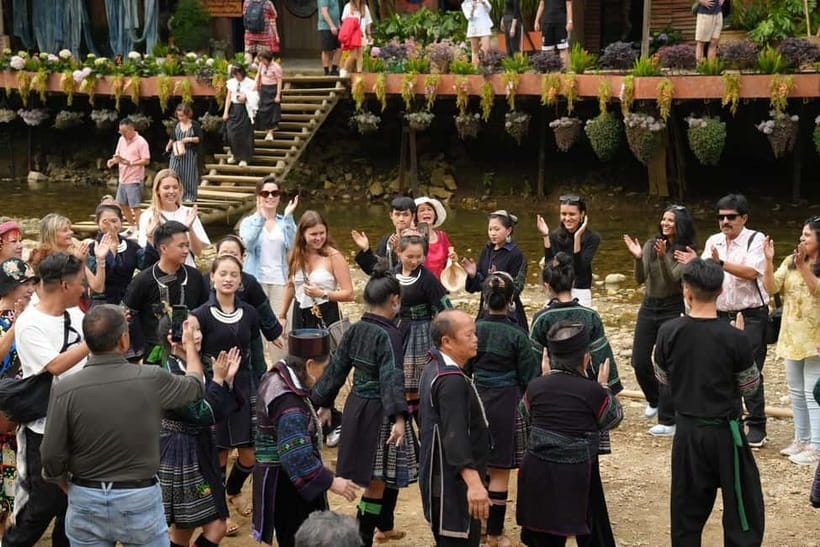
The transport is a big part of why this feels smooth. You get VIP cabin bus for round-trip transfers, plus hotel pickup and drop-off for the starting side. You’ll also have 2 breakfasts, 2 dinners, and 3 lunches according to the itinerary, so food isn’t something you must scramble for during trekking.
A couple of practical notes you should take seriously:
- Drinks in meals are not included
- Alcohol is not allowed
- Bring insect repellent and warm layers (especially from October to March)
- You should avoid high-heeled shoes
- For safety, focus on hiking shoes or suitable shoes, not fashion footwear
And about stopping flexibility: the tour says stops can be adjusted based on preferences and fitness levels. That’s a comfort factor, especially if you’re feeling cautious about trail conditions.
Cat Cat vs. the Village Trek: A Simple Way to Set Expectations
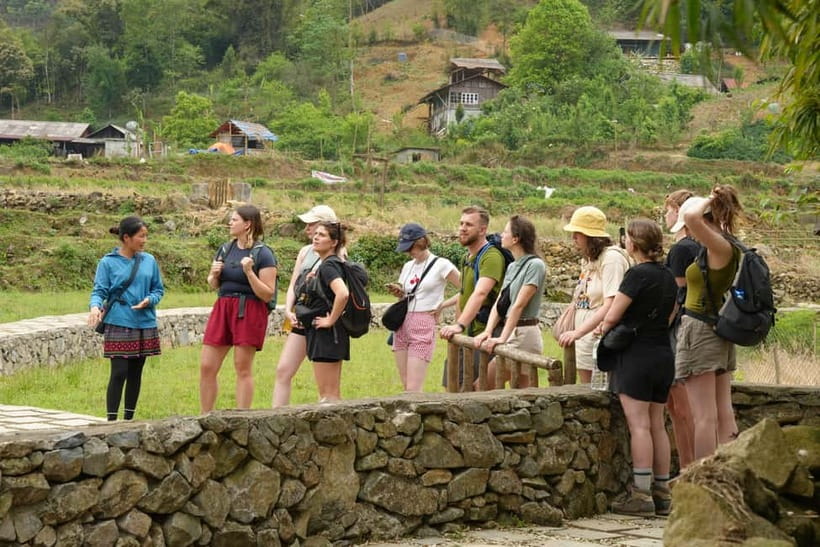
If you’re deciding whether this tour delivers the kind of Sapa experience you want, here’s a clean way to judge it:
- Cat Cat Village (Day 1) is a gentle start with cultural sights and a famous waterfall/power history, but it may feel more touristy.
- Muong Hoa + Lao Chai + Ta Van (Day 2) is where the real village trek rhythm kicks in, especially with the rice terraces and the terraced valley walk.
- Giang Ta Chai + Su Pan (Day 3) keeps the cultural village focus strong while tapering the effort after the longer Day 2 trek.
If your top goal is real walking, Day 2 and Day 3 are the core. If you want a first easy taste of the area plus a landmark-style visit, Day 1 does that job.
Should You Book the Sapa 3-Day Trek from Hanoi?
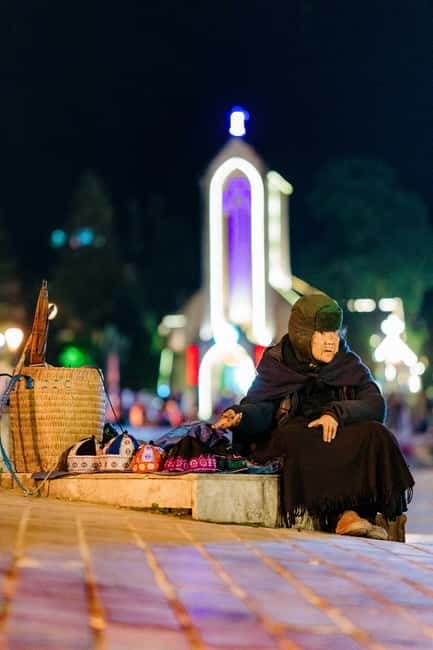
I’d book this if you want a structured, guide-led trek that includes everything that usually causes headaches: transport, stays, meals, permits, and a homestay cooking class. The local ethnic guides and the small max-12 group setup make it feel more human than mass tour options.
Skip it if you’re uncomfortable with steep, slippery trails or if you can’t manage muddy conditions. Also, if you hate any kind of market selling pressure, note that village routes can involve locals following you to sell handmade items. You don’t need to buy, but you should be ready for the interaction.
If you’re fit, curious, and willing to take the hike seriously (traction first), this is a strong Sapa value: $126 buys you more than walking. It buys you a night living the rhythm of Ta Van, plus a Day 2 trek through the Muong Hoa area that’s the reason most people come to northern Vietnam in the first place.
FAQ
What’s the group size like on this Sapa trek?
This tour limits the group to a maximum of 12 guests, and it’s guided by English-speaking local ethnic guides.
How much trekking is involved across the 3 days?
On Day 2 and Day 3, you’ll hike a total of about 14 km. Day 2 covers around 9 km, and Day 3 covers around 4 km.
Are meals included?
Yes. The tour includes 2 breakfasts, 2 dinners, and 3 lunches as listed in the itinerary, plus a cooking class dinner at the homestay. Drinks during meals aren’t included.
What should I pack for the trek?
Bring passport or ID, comfortable shoes/hiking shoes, hiking pants, insect repellent, and warm clothes from October to March. The tour also advises sunscreen.
Will the trail be muddy or slippery?
It can be. The tour notes that Day 2 and Day 3 hikes may include muddy and dirty roads in wet weather, and some sections can be steep.
Where do you end in Hanoi?
You return to Hanoi by bus and arrive around 10:00–10:30pm, with the bus dropping you off around Tran Quang Khai Street, Hoan Kiem. The tour notes it does not include drop-off to your exact hotel.