REVIEW · HANOI
Hanoi – Sapa 3 Day 2 Night Trekking With Hotel & Homestay
Book on Viator →Operated by Sapa May Travel · Bookable on Viator
Sapa feels close on a tight schedule. This 3-day trek from Hanoi links classic village stops like Cat Cat with short-but-real hikes and overnight stays in a hotel plus a Tavan-area homestay setup. I especially like the hassle-free round-trip bus plan, because you trade logistics stress for more time looking at the hills and terrace views.
I also like the way this tour mixes photo stops with actual walking routes through terraced countryside and ethnic villages like Lao Chai, Ta Van, Giang Ta Chai, and Su Pan. Meals are included (seven in total), and the pace gives you downtime in Sapa town at the end of Day 1. A key consideration: weather matters, and if clouds roll in, you lose some of the best photo lighting and “wow” viewpoints.
In This Review
- Key points before you go
- A 3-day Hanoi to Sapa plan that actually works
- The value question: is $125 a bargain or a stretch?
- Getting to Sapa: the sleeping bus that sets the tone
- Day 1 in Sapa: Cat Cat + a real Sapa town evening
- Day 2 trek: Lao Chai and Ta Van through the rice-terrace world
- How much walking is this, really?
- Day 3 trek: Giang Ta Chai + Su Pan and the final return
- What the included meals and cooking classes mean for your trip
- The guide and small-group advantage (and why it matters on trails)
- Weather: the one variable you can’t control
- Footprints and luggage: the small-bag rule
- Who this tour is best for
- Should you book Sapa May Travel’s Hanoi–Sapa trek?
- FAQ
- How long is the Hanoi to Sapa trek tour?
- Where do you meet in Hanoi?
- What do I get for the price?
- What’s the hiking difficulty and fitness level?
- What is the homestay like at Tavan Village?
- How big is the group?
- Is free cancellation available?
Key points before you go
- Small-group size (max 15): easier questions, more time with your guide, and less crowding on trails.
- Round-trip VIP sleeping-bus transfers: less hassle from Hanoi to Sapa than self-planning.
- Hotel + Tavan homestay style room: one night in town, one private room in the Tavan village area.
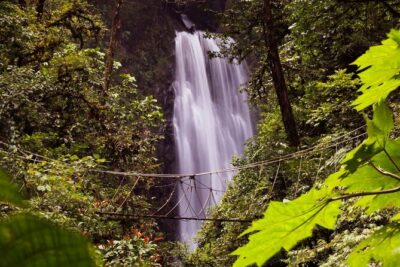
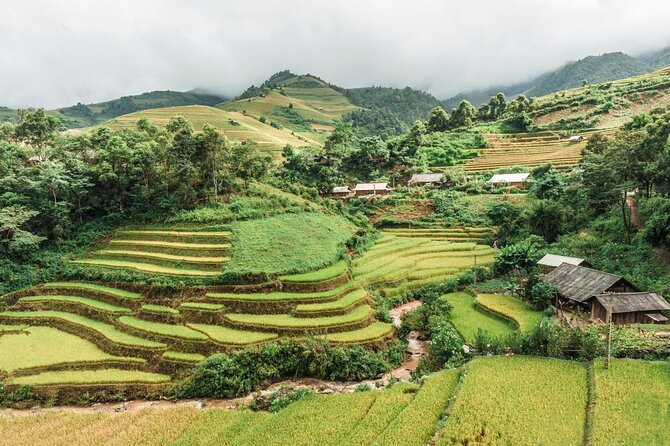
- Village highlights in a tight loop: Cat Cat, Lao Chai, Ta Van, Giang Ta Chai, Su Pan, plus viewpoints and waterfalls time.
- Meals included, but food expectations vary: hotel meals tend to be stronger than the homestay/lodge portion.
- Fitness level really matters: treks can be slippery, and you’ll carry only a small day bag.
A 3-day Hanoi to Sapa plan that actually works
Sapa tours can fall into two traps: either they feel rushed with too many checkpoints, or they’re laid-back but you waste time figuring out schedules on your own. This one lands closer to the first bucket—organized, efficient, and clear—while still giving you real village time and actual walking.
From Hanoi, the trip starts with an early pickup in the Old Quarter area and then shifts into overnight-travel mode on a sleeping bus. That matters because Sapa is far enough north that “day-only” travel turns into a long, tiring push. With this structure, you arrive in the early afternoon, settle into Sapa, and still get a proper first village visit the same day.
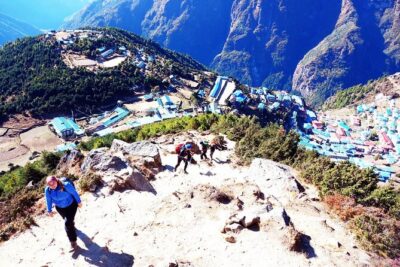
The heart of the experience is the route through ethnic communities and terraced valleys around the Hoàng Liên Sơn mountain range. You won’t just be watching from a bus window—you’ll move on foot, stop at villages, and see how the landscape changes as you go.
You can also read our reviews of more tours and experiences in Hanoi.

The value question: is $125 a bargain or a stretch?
At $125 per person for a 3-day/2-night guided trek with transfers, accommodation, entrance tickets, meals, and a small group, the price is easiest to judge by what you’re not paying for separately.
If you try to piece this together yourself, costs stack fast:
- Sapa transport (round trip, often the biggest ticket item)
- a guided hike (otherwise you’re on your own on routes that can be confusing)
- village entry fees and guide time
- meals (especially when you’re in remote areas)
This tour includes a local English guide, all transportation, lodging (1 night in a town-centre 3-star hotel and 1 night in a private room at Tavan Village), and seven meals (breakfasts, lunches, and dinners). That’s a lot packed into one package.
That said, one review flagged that the experience can feel like “more than you’d pay locally.” Translation for you: you’re paying for certainty—pre-arranged logistics and guide-led pacing. If you love DIY travel and don’t mind negotiating your own details, you might find a cheaper local option. If you’d rather spend energy on hiking and village time instead of planning, the package price starts to make more sense.
Getting to Sapa: the sleeping bus that sets the tone
The first leg is handled for you. Around 06h00–06h30, a small shuttle picks you up at hotels in Hanoi’s Old Quarter and brings you to the meeting point at the Hà Nội Văn phòng Xe G8 Open Tour area (Ly Thái To, Hoàn Kiếm). Then you board the sleeping bus for Sapa.
Timing is tight but not chaotic. You typically leave Hanoi in the early morning and arrive in Sapa around 13h00–13h30. From there, you transfer by car from the bus station into Sapa town.
A practical note: because you’re riding overnight, bring a small bag you’re comfortable keeping close. The trekking portion later is built around the idea that you’ll carry only essentials.
Day 1 in Sapa: Cat Cat + a real Sapa town evening
After you arrive and check into your Sapa-side 3-star hotel town centre stay, your first structured village visit is Cat Cat Village—the H’mong community area.
Your guide picks you up from the hotel lobby, and you spend time learning about local customs and daily habits. This is one of those stops that helps you “get your bearings fast” for Sapa life: markets, fabrics, and the way families interact with the mountains and streams around them.
Later, after dinner, you get a chance to wander Sapa town on your own. You can visit the stone church and the night market, where locals sell traditional products. This is a nice balance: you get a guided cultural stop, then you freestyle for your own pace.
What I like about this first evening: it keeps you from feeling like you arrived and immediately disappeared into a mountain trail. You have time to walk around, snack, and settle in before tomorrow’s trekking.
Day 2 trek: Lao Chai and Ta Van through the rice-terrace world
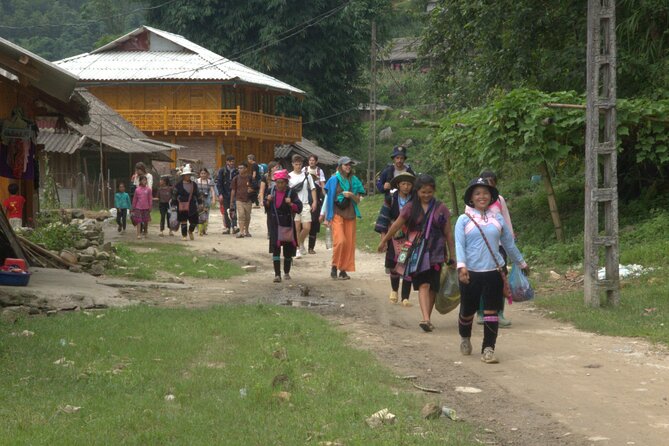
Day 2 starts with a breakfast buffet at the hotel restaurant, then checkout instructions that matter for your hike. You leave big luggage at the hotel lounge and carry a small bag with what you need for the trail and day.
You head into the villages with early morning timing (breakfast around 07h00–08h00) and reach the first hiking/village areas from there. The schedule includes Y Linh Ho (with admission ticket included), and then you continue toward the signature viewpoints and valley villages.
Around 11h00, you reach Lao Chai, known for being surrounded by terraced rice fields between the Hoàng Liên Sơn and Ham Rong mountain areas. Then you keep going along the Mường Hoa stream area and pass Lao Chai before arriving at Ta Van Village around 12h30.
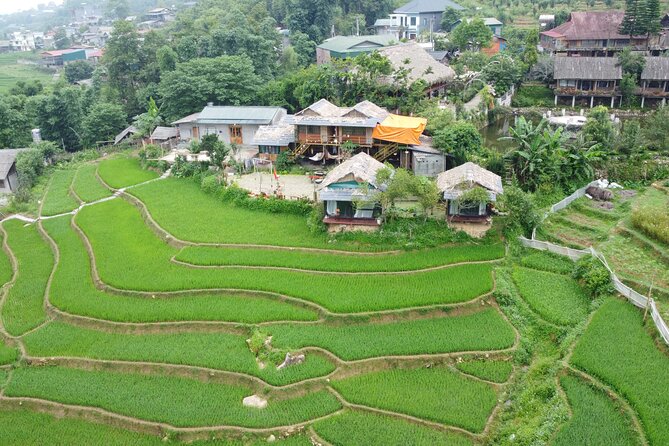
Lunch happens at the homestay. After that, you check in and rest.
Here’s the part that can make or break your enjoyment: the “homestay” label. One review described it as not a strict home-stay in the traditional sense—more like a lodge setup. In practice, that means you should expect simple but functional rooms rather than a hands-on “live with a family” experience every second of the day. The key benefit is location and convenience for the trek—not luxury.
If you want a smoother second day: keep your hiking shoes tight on your feet. A separate review mentioned slick conditions at times. Slippery paths happen in Sapa, and good footing is half the comfort.



How much walking is this, really?
The trekking length isn’t just “some walking.” In feedback you’ll see numbers like about 6 miles first day and about 4 miles second day, with slopes that can get slick. Even if you’re not obsessed with mileage, that tells you the hike is meaningful.
Day 3 trek: Giang Ta Chai + Su Pan and the final return
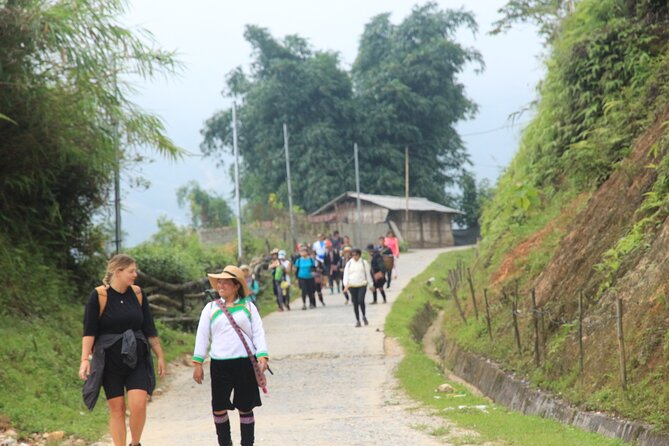
Day 3 starts with breakfast at the homestay (around 07h30–08h30), then checkout. You’re set up for a longer morning trek.
At 09h00, you trek about 8 km to Giang Ta Chai Village and Su Pan Village. Giang Ta Chai is linked with the Red Dao community. The morning is built for viewpoints and village arrival moments, not constant back-to-back photo stops.
By 12h30, you arrive at Su Pan Village and have lunch at a local restaurant. Su Pan is described as a mix of small villages of Black H’mong and Red Dao people on rocky slopes overlooking the landscape around the mountains.
Then comes the downhill shift back to town life. Around 13h30, a bus picks you up and returns you toward your Sapa Retreat Condotel area for a break. There’s time for a quick 30-minute foot massage, plus you can browse souvenirs before heading back.
The return to Hanoi is late. The bus reaches Hanoi Old Quarters around 22h00–22h30, dropping you near the bus station. From there, you get yourself back to your hotel.
What I like here: the day doesn’t end with a rushed, one-shot “last stop and go.” You get a little decompression time in Sapa town before the long ride back.
What the included meals and cooking classes mean for your trip
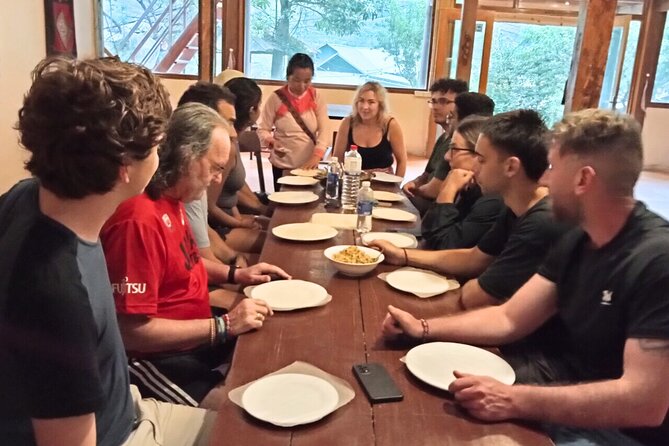
This tour includes:
- Breakfast (2)
- Lunch (3)
- Dinner (2)
and it also lists cooking classes as part of the package.
Those two facts shape your budget and your energy. When meals are included, you don’t waste time hunting for food after hikes. It also means you’re less likely to run into the common Sapa problem of paying premium prices in the wrong places because you’re tired.
Balance note: one review flagged that hotel food was great, but homestay/lodge food wasn’t as strong. So if you have strict preferences, keep your expectations flexible during the homestay night. The hotel portion tends to carry the “comfort meal” advantage.
The guide and small-group advantage (and why it matters on trails)
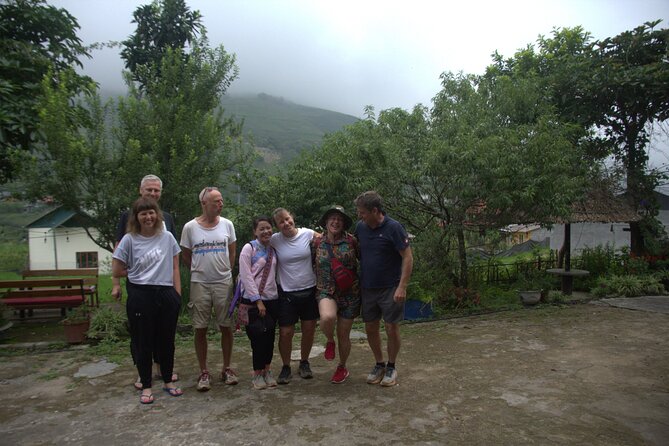
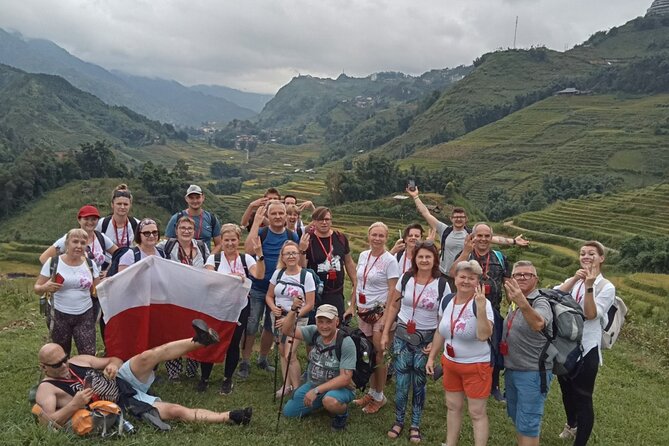
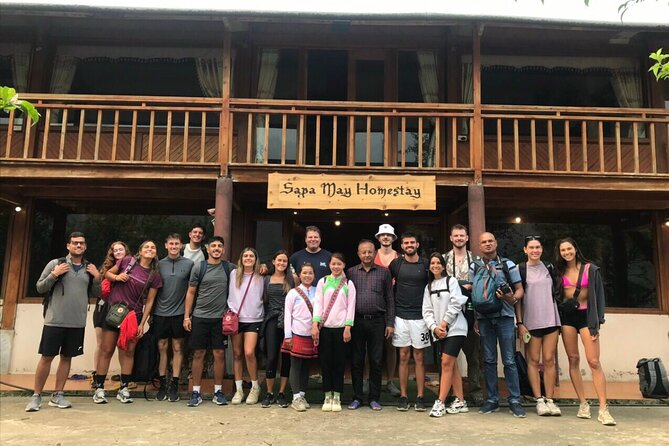
The tour is listed as a small-group tour, with a maximum of 15 travelers. That matters when your hike involves multiple villages and your schedule includes transfers, waiting time, and guidance at key points.
In a larger group, you spend more time syncing up and less time asking questions. Here, your guide has more room to explain what you’re seeing—customs, daily routines, and village life. You also get practical support when the trail gets slippery or when timing tightens.
Also, you’ll have a local English guide in Sapa. That’s a big deal if you want meaning, not just scenery.
Weather: the one variable you can’t control
Sapa weather can change fast. One review specifically said to check the weather first, because if it’s not sunny, you lose a lot of photo potential.
So here’s how I’d play it:
- If skies look good, plan to prioritize short walks and viewpoints when you have free time.
- If skies look grey or rainy, treat the trek as a culture and village day, not a “perfect light” photo day.
- Pack for rain and cold even when forecasts look optimistic.
The tour gives you the route no matter what. The difference is how good the light is when you arrive at viewpoints along the rice terraces and village edges.
Footprints and luggage: the small-bag rule
This tour expects you to manage luggage smartly. On Day 2, you leave big luggage at the hotel lounge and carry only a small day bag. That’s normal for multi-day treks and keeps you from hauling unnecessary weight.
A smart approach is to separate:
- essentials for hiking and village stops
- a change of clothes for evenings
- items you need during the bus ride back
If you bring a heavy pack, it will show up later in your legs. If you travel light, you’ll feel the difference by the second half of the trek.
Who this tour is best for
This works best if you want:
- guided village exploration in Sapa without planning stress
- a mix of hotel comfort and a more basic village-room stay
- a moderate fitness level (the program states strong physical fitness is needed)
- small-group pacing with a local English guide
It may feel less ideal if you want a hardcore adventure, because the overall tone is “organized and scenic,” not extreme trekking. It’s also less ideal if you expect the homestay to be like living inside a family home in the strictest sense.
Should you book Sapa May Travel’s Hanoi–Sapa trek?
I’d book this tour if you value structure: getting from Hanoi to Sapa smoothly, having meals handled, and walking village routes with a guide. The included transfers, meals, and the small group size make it a good value for people who want to enjoy the trip without juggling details.
I’d think twice if your priority is maximum independence or if you’re chasing dramatic clear-sky views. Weather can blunt the photo payoff, and the homestay portion is more lodge-like than “true home life” in the strict sense.
If you’re comfortable with moderate hiking, want the famous Sapa village loop (Cat Cat, Lao Chai, Ta Van, Giang Ta Chai, Su Pan), and like the idea of a guided schedule, this is a solid way to do it.
FAQ
How long is the Hanoi to Sapa trek tour?
It runs for 3 days (about 3 days) with 2 nights total, including 1 night at a town-centre 3-star hotel and 1 night in a private room at Tavan Village.
Where do you meet in Hanoi?
Pickup is offered from hotels in the Hanoi Old Quarter area, and the listed meeting point is the Hà Nội Văn phòng Xe G8 Open Tour on Ly Thái To, Hoàn Kiếm.
What do I get for the price?
You get round-trip VIP cabin bus transfers, a local English guide in Sapa, accommodation (hotel + private room in Tavan Village), entrance tickets, a cooking class, and 7 meals total (2 breakfasts, 3 lunches, 2 dinners).
What’s the hiking difficulty and fitness level?
The tour lists a strong physical fitness level as required. The trekking includes a longer morning route of about 8 km on Day 3, and other walking days include several miles of trekking with terrain that can be slippery.
What is the homestay like at Tavan Village?
You stay in a private room at Tavan Village. Based on the program descriptions and feedback, it’s more like a lodge/guesthouse setup than a strict traditional home-stay.
How big is the group?
The tour has a maximum of 15 travelers, which is intended to keep the experience more personal.
Is free cancellation available?
Yes. You can cancel up to 24 hours in advance for a full refund.