REVIEW · SHARM EL SHEIKH
From Sharm: Mount Moses Trekking, Sunrise & Monastery Visit
Book on GetYourGuide →Operated by OceanAir Egypt · Bookable on GetYourGuide
Mount Sinai at dawn is pure drama. This tour is a long night-to-morning push that ends with sunrise from the summit and time at St. Catherine’s Monastery. I like the sense of purpose here, especially once the steps start and the sky begins to change.
What I love most is how the experience is built for real pacing: a Bedouin trekking guide is with you for the climb, and the summit wait is worth it once the light spreads across the mountains. The one drawback to plan around is simple: it’s a hard, cold, night trek that isn’t for everyone, and you should expect some waiting and group momentum depending on pickup timing.
In This Review
- Key points to know before you go
- Why Mount Sinai Sunrise Feels Different From a Typical Day Trip
- Getting to Moses Mountain: Sharm Pickup, Long Drive, and Timing Stress
- The Night Trek Up: Uneven Paths, Camel Options, and the Real Meaning of 750 Steps
- Summit Strategy: How to Stay Comfortable While You Watch the Sky Change
- Coming Down and Getting to Breakfast Without Feeling Destroyed
- St. Catherine’s Monastery: What You’ll Actually See and Why It Matters
- Price and Value: Is $50 Worth This Much Walking?
- Guides Make the Difference: What I’d Watch For on Your Trip
- What to Pack for a Cold Summit and a Long, Rocky Night
- Who Should Book This, and Who Should Sit This One Out
- Should You Book This Mount Moses and Monastery Tour?
- FAQ
- What time do they pick me up in Sharm El Sheikh?
- How long is the full tour?
- How long is the trek up and down Mount Sinai?
- Is there a camel option during the hike?
- What languages are guides available in?
- What should I bring for the cold on top?
- Is St. Catherine’s Monastery open every day?
Key points to know before you go
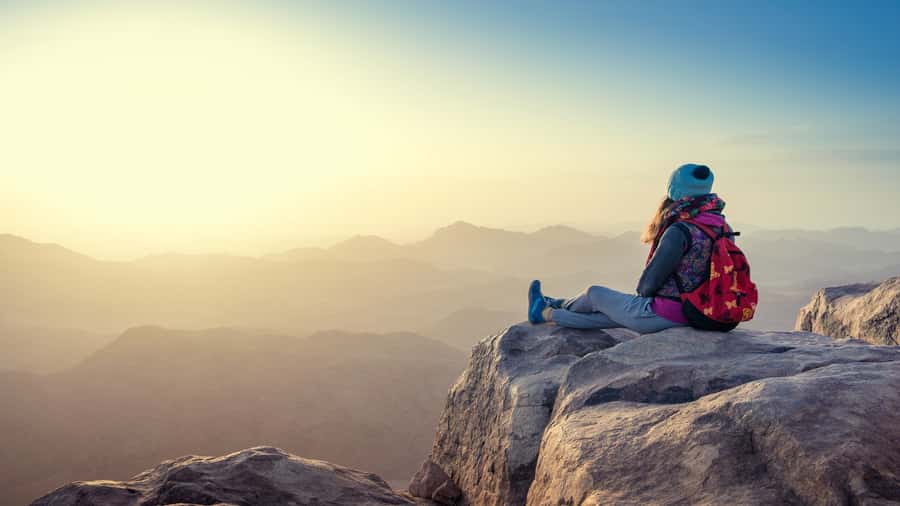
- 750 steps to the summit after a steep night hike, with a final push that feels steeper than it sounds
- Bedouin guide support takes over once you leave the base camp area, so you’re not doing it alone
- Cold summit reality: bring serious layers for wind and sub-freezing temps
- St. Catherine’s Monastery visit includes a museum/library focus with rare artifacts and icons
- Cash helps: snacks, warm drinks, and basic toilet stops cost extra along the route
Why Mount Sinai Sunrise Feels Different From a Typical Day Trip
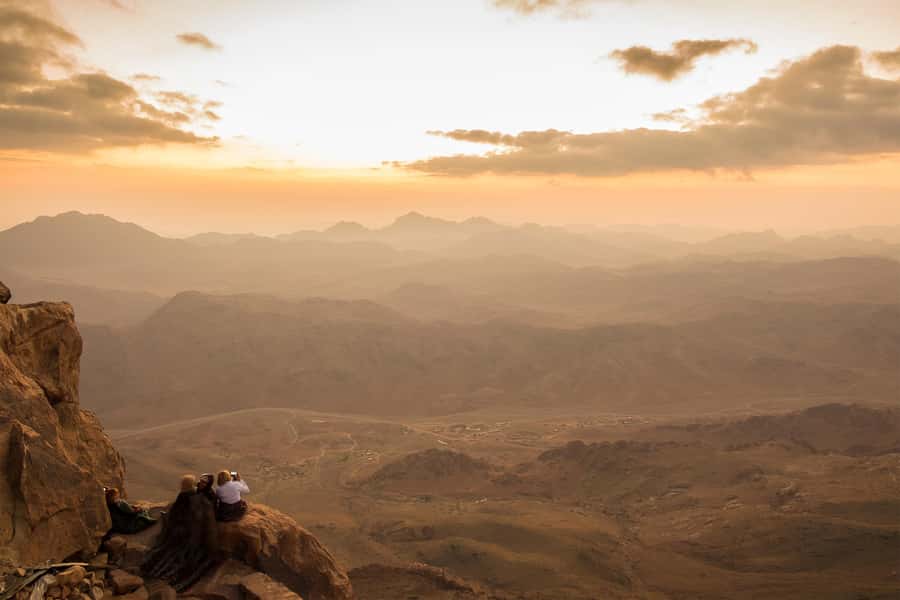
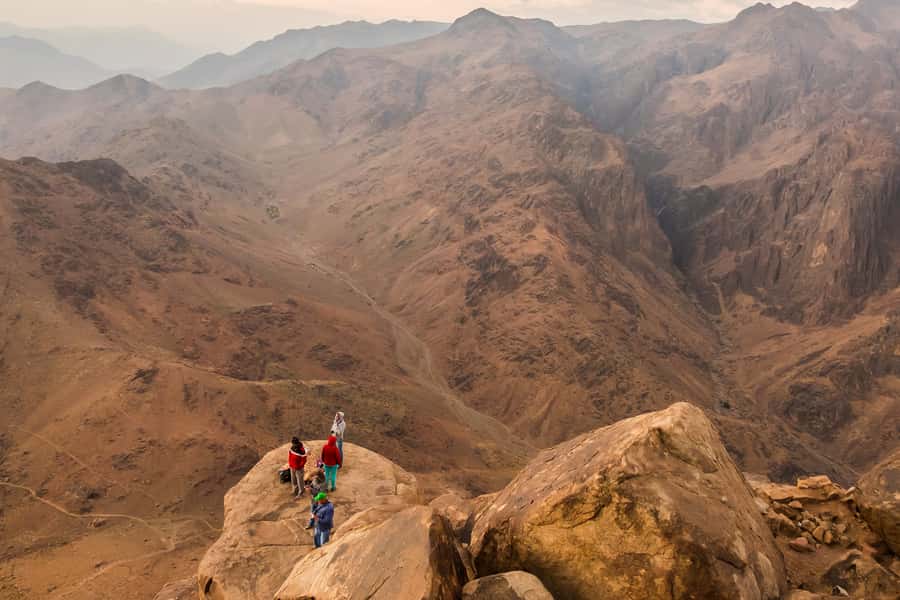
This is not a quick “see a view” excursion. It’s a night climb that turns into a sunrise viewing session you’ll remember, mostly because you earn it with effort. Reaching the top requires endurance and attention on uneven ground, then you get that wide-open moment where the desert and mountains look stretched and unreal.
Sunrise on Mount Sinai also has a built-in emotional weight. You’re trekking toward the sacred area connected with Moses and the Ten Commandments, and then you follow that with a monastery visit that’s tied to early Christian history. Even if you don’t treat it as a religious pilgrimage, the setting makes the experience feel bigger than a standard sightseeing stop.
The other big “feel” factor is the wait at the summit. You’ll likely arrive earlier than expected, which means you’re not just sprinting to catch the exact second. You can settle in, take photos, watch the sky shift from dark to gray to gold, and soak up the stillness before people start moving.
Getting to Moses Mountain: Sharm Pickup, Long Drive, and Timing Stress
Pickup from Sharm El Sheikh typically happens between 8:00 PM and 9:00 PM. Then you ride about four hours in an air-conditioned vehicle to reach the mountain area. The tour is scheduled as a 16–17 hour day, including the drive, trekking, monastery visit, and the return to Sharm.
Here’s the practical thing to know: the pickup process can involve several hotel stops, and timing can vary. Some guides are organized and the timing runs smoothly, but other trips report confusion around pickup times and extra waiting for certain passengers. So if you’re the type who hates uncertainty, mentally prepare for a late-night start that might not be precise to the minute.
Once you reach the mountain area, the experience becomes more structured fast. The trekking portion has its own rhythm, with pauses on the way up and a descent plan once sunrise is handled.
The Night Trek Up: Uneven Paths, Camel Options, and the Real Meaning of 750 Steps
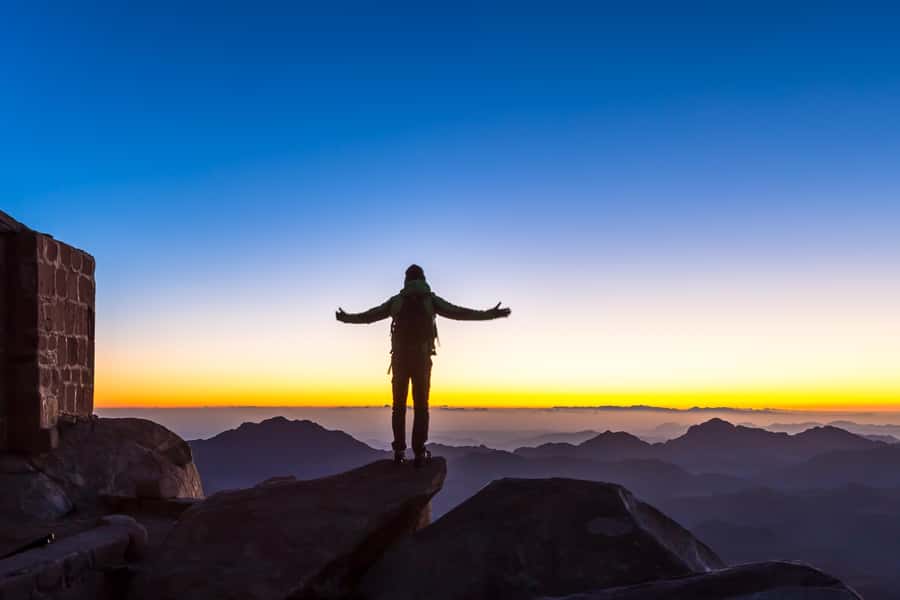
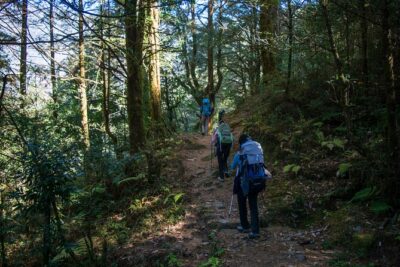
After arriving at Mount Sinai, you start the trek in the night. The climb builds in stages: first, a steep, uneven path over rough terrain, then the signature 750 steps near the summit area. Total time for the ascent is typically 2–3 hours, depending on the group and conditions.
Even if you’re reasonably fit, this is the kind of hike where “I can do it” becomes “Okay, I need to pace.” Several people found the trail harder than they expected because you’re walking at night over rocky, uneven ground and you’re dealing with crowds and noise. You also need to watch your footing carefully since the trail is shared with camels for at least part of the route.
Camel riding is part of the option early on. The activity provider notes the camel trek is available only at the start of the route, up to the section tied to those 750 steps. They also say they don’t recommend using camels, but in real life, you might find camel assistance helpful if you have breathing limitations or know you’ll burn out before the steps.
Most important: bring light. A phone flashlight works, but many hikers strongly prefer a proper flashlight or headlamp so you can keep both hands free and avoid missing steps.
Summit Strategy: How to Stay Comfortable While You Watch the Sky Change
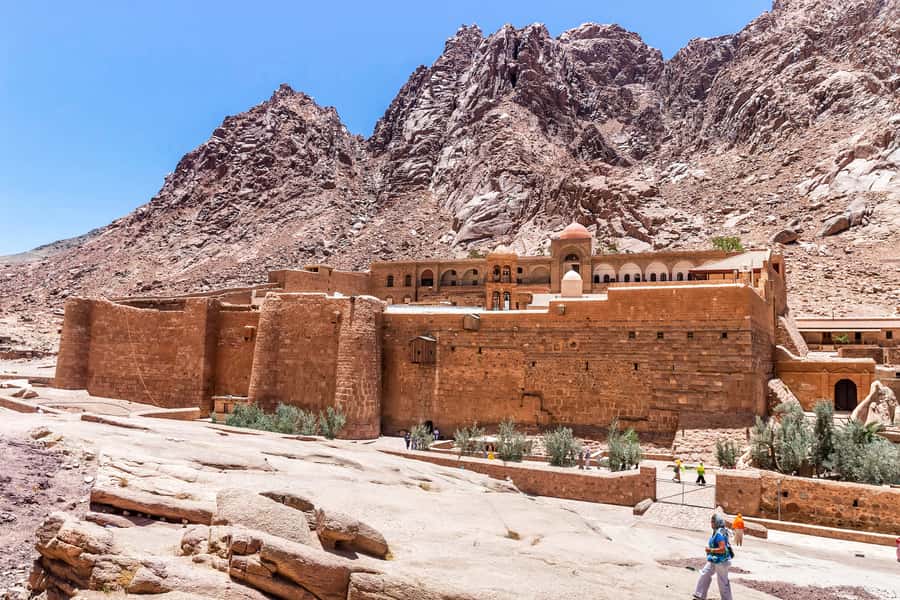
The summit is where the tour turns from effort to reward. Temperatures can drop fast at the top, especially with wind. People reported summit readings around -2°C in mid-February, and even colder estimates like -5 to -10°C for winter nights. In other words: dress for real cold, not just “cool.”
Once you reach the top, you’ll typically have time to wait for sunrise. This wait is part of the value. Arriving early means you can pick a good spot, settle in, and watch the first light spread slowly instead of feeling rushed.
Comfort hacks that actually matter:
- Layers: long underwear base, fleece, and a windproof jacket is the kind of combo people used successfully
- Head/hand coverage: a hat and gloves help with wind chill
- Warm rentals: blankets are often available on-site up top, and some hikers recommend renting them if you tend to get cold
- Toilets are basic: there are basic facilities along the route, and they can be spaced out, so plan for quick stops when you can
Also, yes—expect crowds. You’ll be sharing the summit and routes with other hikers, including people doing similar sunrise treks. That doesn’t ruin it, but it does mean your goal should be patience. Find a spot, keep warm, and enjoy the show.
Coming Down and Getting to Breakfast Without Feeling Destroyed
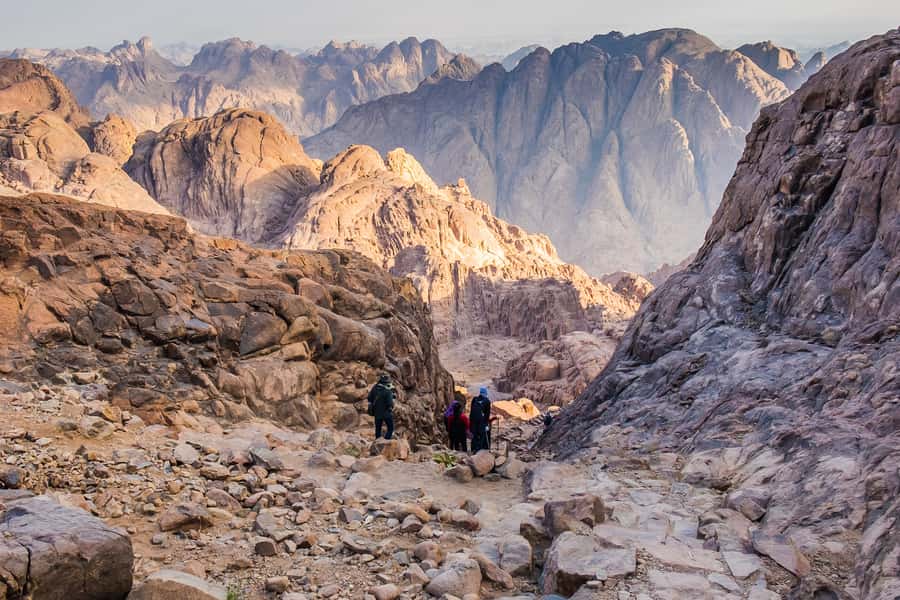
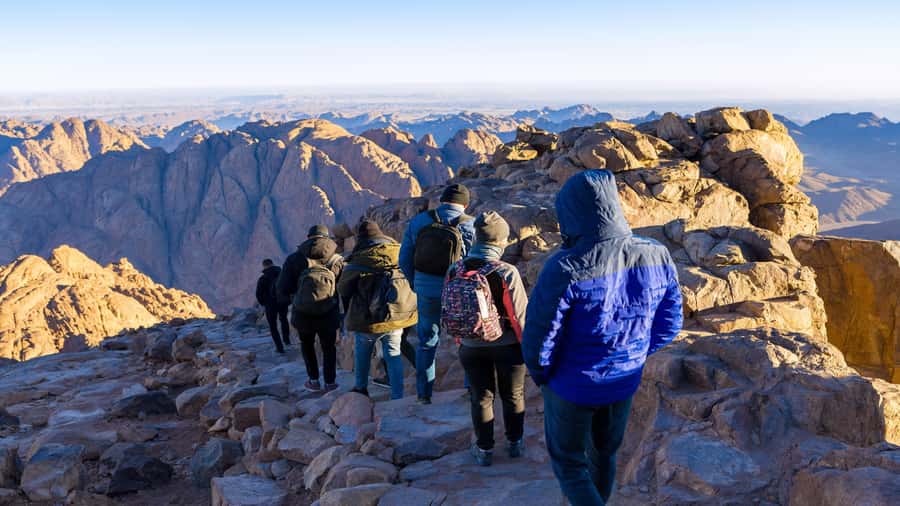
Descent starts after sunrise and typically takes about 2 hours to reach the bottom. Going down is often easier than the climb, but it can still be rough because your legs are tired and the ground can be uneven.
The tour includes time to rest and then breakfast at the bottom area. If your stomach likes real food, plan for a simple meal after the workout. If you prefer snacks, pack a few extras because you may spend time waiting in the cold and you’ll burn more energy than you expect.
One useful reality check: the tour day is long and start-to-finish fatigue is real. Even if you nail the climb, you might find you don’t have endless energy for extra museum time at St. Catherine’s afterward. That’s normal. If you do have the energy, the monastery part is worth your attention.
St. Catherine’s Monastery: What You’ll Actually See and Why It Matters
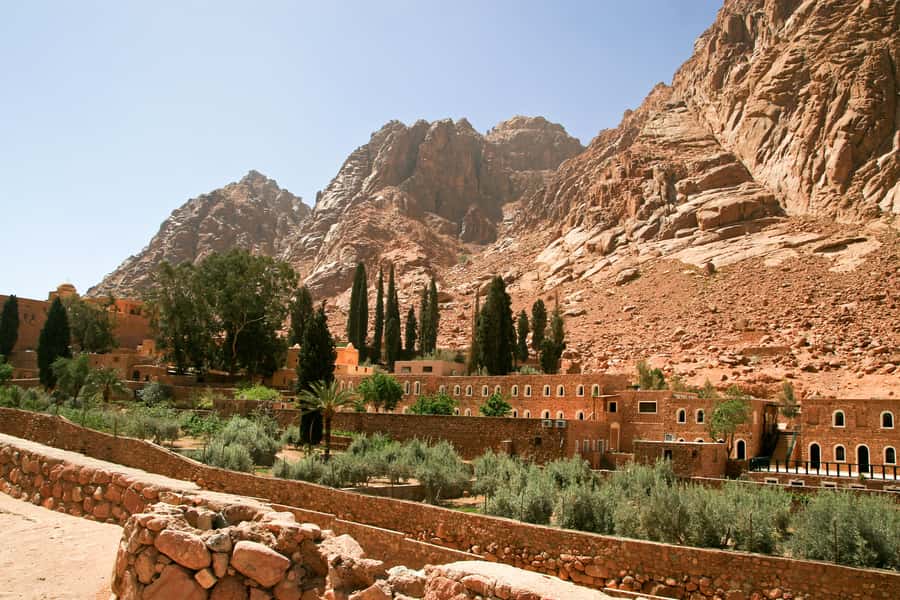
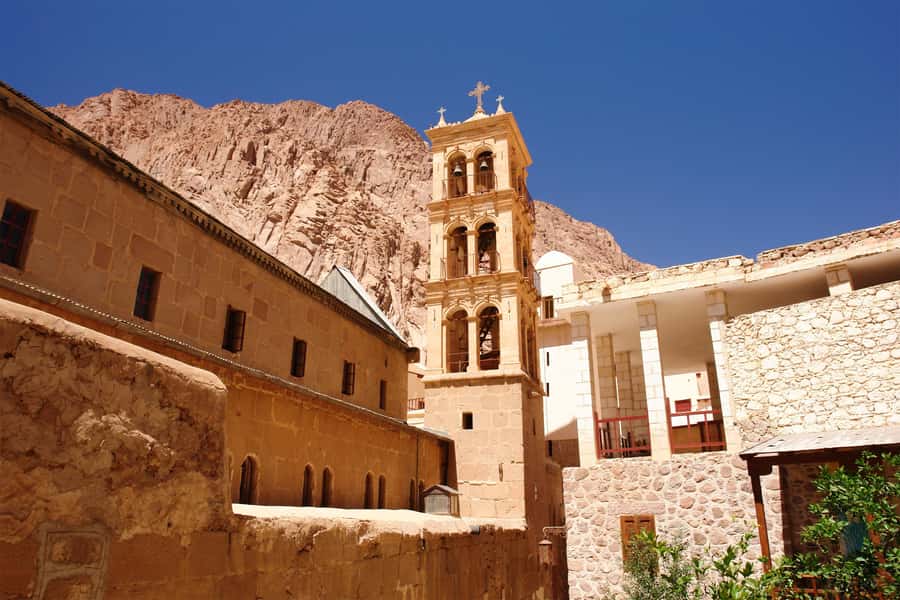
After the trek, you drive to St. Catherine’s Monastery, a UNESCO World Heritage site on the Sinai Peninsula. This isn’t just a quick glance at old walls. The visit often includes a focus on relics, manuscripts, and icons, including items displayed in the library and museum areas.
One highlight is the chance to see religious artifacts connected to early Christian tradition. People also mention the 6th-century church located by the site associated with the burning bush. That detail matters because it links the natural “story setting” people have heard about to a specific, preserved site you can stand near.
What’s especially valuable here is the monastery’s age and continuity as a functioning religious center. You’re seeing a place with deep roots—more than a tourist stop with a curated photo corner. Even if you’re tired, slowing down for the museum/library stops helps you feel what makes the site important.
There’s also a schedule note. The monastery is open every day except Sunday and certain Christian holidays (exact dates can vary by year). So if you’re traveling around a religious holiday season, check current opening times before you lock your plan.
Price and Value: Is $50 Worth This Much Walking?
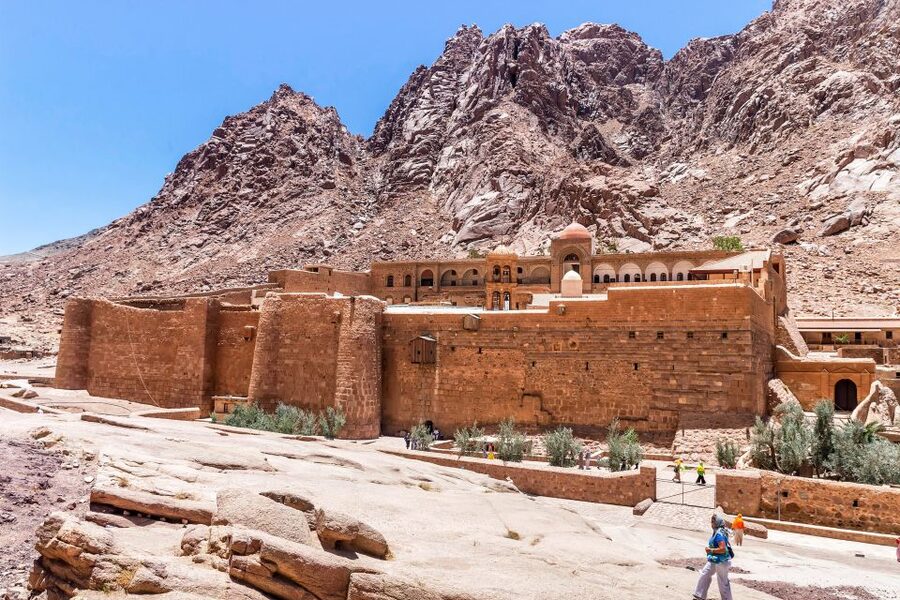
At $50 per person, this tour is positioned as good value because it bundles together several big parts that would cost more separately: long transportation from Sharm, a guided climb setup (including an Egyptologist and Bedouin guide for trekking), water, and the monastery visit.
What you’re paying for, in plain terms:
- A sunrise summit experience that most people can’t replicate on their own easily
- Guides who help keep you safe on the route and explain what you’re seeing at the monastery
- A full-day structure that strings the night hike and monastery visit into one plan
What isn’t included is also important. Drinks and personal expenses cost extra. Along the trail, you’ll likely want snacks and warm drinks, and you may pay for basic toilets at some points. People also mention blanket rentals up top and other small purchases. If you go in with a “only spend $50” mindset, you’ll be surprised.
If you want the best value, plan like a minimalist traveler:
- Bring cash for snacks and toilet stops
- Bring your own water plan if allowed and carry only what you need
- Use rentals only if you’re realistically cold-prone
Guides Make the Difference: What I’d Watch For on Your Trip
This tour runs on guidance. Reviews highlight that support can range from excellent to merely okay depending on timing and group movement, but several names show up as standout guides in English and other languages.
For the hike and overall experience, Bedouin guides are often praised for keeping people moving and safe through the night. Names you might hear mentioned include Ibrahim, Oman, Ali, and Jimmy. On the bus and at coordination stages, tour guides such as Mahmoud, Ashrof, Amr, and Mohammad are also referenced for helping with translations, pacing, and encouragement.
Here’s the practical takeaway for you: even if you’re a fast walker, don’t treat the group pace as a personal challenge. The climb is steep and cold. If you push too hard early, you’ll pay for it on the final steps and you’ll feel it later at the monastery.
What to Pack for a Cold Summit and a Long, Rocky Night
Packing is not optional here. The key gear isn’t fancy—it’s functional.
Bring:
- Passport
- Warm clothing and a jacket
- Hiking shoes with solid grip
- Comfortable clothes for layering
- Food (and if you’re picky about breakfast, bring your own backup snack)
- A flashlight or headlamp for the night climb (phone light can work, but headlamp is easier)
People also recommend:
- Gloves and a hat for wind chill
- Wool socks and a proper warm layer plan
- Tissues or small paper goods since toilet quality can be basic
If you’re deciding between heavy layers and light layers: go heavy. The cold is a bigger factor than the distance.
Who Should Book This, and Who Should Sit This One Out
This is a serious trek. The tour is not suitable for elderly travelers, people with shortness of breath, or those with bone pain. It’s also listed as not suitable for children under 14, pregnant women, and wheelchair users.
Who it’s a good match for:
- You’re comfortable with steep stairs and rocky footing
- You can handle a multi-hour night activity in cold weather
- You want both the sunrise moment and the monastery visit in one long day
Who might struggle:
- Anyone with limited mobility on uneven ground
- People who get cold quickly (you’ll feel it at the summit)
- Anyone who hates early starts and long driving segments
If you’re unsure, be honest with yourself about your pace and cold tolerance. This is one of those days where your body sets the rules, not the itinerary.
Should You Book This Mount Moses and Monastery Tour?
I’d book it if you want a high-impact sunrise experience that blends the outdoors with a real cultural site like St. Catherine’s Monastery. The value is strong for the price, especially when you factor in guides, transport, and the full-night structure.
Don’t book it if you hate cold, can’t handle steep stairs, or prefer low-effort sightseeing. This hike is the main event. Everything else happens after your legs do the hard work.
If you do book, go in prepared: bring serious layers, a real light, and small cash for snacks and basic stops. And when pickup timing feels a little chaotic, keep calm. Once you’re on the mountain with the sky changing overhead, the long night makes sense.
FAQ
What time do they pick me up in Sharm El Sheikh?
Pickup is usually between 8:00 PM and 9:00 PM. You wait at the main gate along the highway, not at the hotel reception area.
How long is the full tour?
The total duration is about 16–17 hours, including pickup, transfers, trekking, and the monastery visit.
How long is the trek up and down Mount Sinai?
You’ll climb to the summit area by climbing 750 steps after a night trek. The ascent usually takes about 2–3 hours, and the descent takes about 2 hours.
Is there a camel option during the hike?
Yes, but only for the start of the trek up to the section tied to the 750 steps. The provider notes they don’t recommend the camel trek.
What languages are guides available in?
Live guides are available in English, Russian, and Arabic.
What should I bring for the cold on top?
Bring warm clothing, a jacket, hiking shoes, and layers. It can be very cold and windy at the summit, so plan for real winter conditions.
Is St. Catherine’s Monastery open every day?
It is open every day except Sunday and Christian holidays listed by the operator. Dates can vary, so check current opening times for your travel dates.