REVIEW · AREQUIPA
2 Day Trek Including Transfer to Puno / Colca Canyon
Book on Viator →Operated by Trek The Colca · Bookable on Viator
Early starts, big views, and condors. That’s the vibe of this Colca Canyon trek plus a one-way ride to Puno. You’ll get a proper look at the canyon valley, not just a quick stop-and-snap.
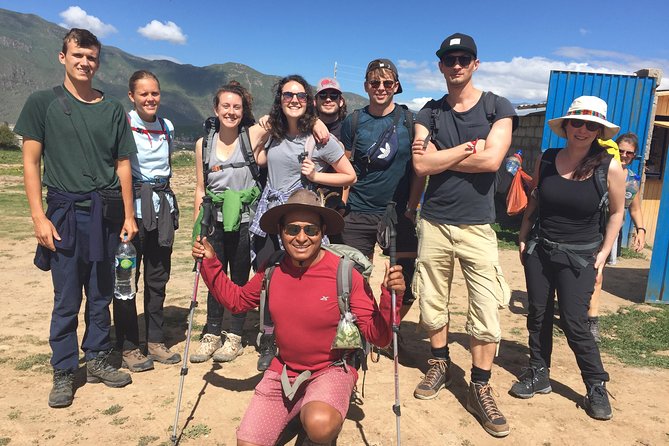
What I like most is the pacing and variety: you hike downhill into the canyon day one, then you earn the sunrise-style uphill effort day two. I also like the small-group feel (max 12), which makes it easier to stay together and ask questions when altitude and timing get real.
One drawback: this isn’t a casual stroll. The second day climbs hard, and you’ll be up at 5:00 am with torch lights, then still travel to Puno afterward.
In This Review
- Key things to know before you go
- From Arequipa at 3:00 am to Chivay breakfast
- Condor’s Cross: the free viewpoint stop that actually pays off
- Day 1: the Colca downhill that starts with a bus to Cabanaconde
- Sangalle and its warm pool: your day-one reward
- Day 2: 5:00 am torch-light climb back toward Cabanaconde
- Optional Hot Springs Chacapi: worth it if your body asks for it
- Salinas y Aguada Blanca National Reserve: camelids and volcano views
- The Chivay to Puno transfer: dropping from altitude and arriving at 18:30
- Price and value: $179 is fair if you watch the extras
- Comfort level on the ground: bungalows, basic facilities, and what to pack
- Difficulty and who should choose this trek
- Should you book this 2-day Colca trek with Puno transfer?
- FAQ
- What time does pickup happen?
- What meals are included?
- Is the transfer to Puno included?
- What extra entrance fees should I plan for?
- How physically demanding is the hike?
- How big is the group?
- What if the trek is canceled due to weather or if I cancel?
Key things to know before you go
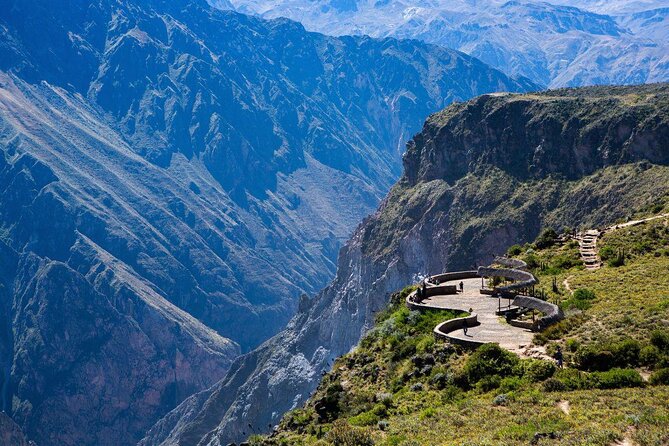
- Condor spotting at Condor’s Cross: a classic viewpoint with free time to scan the sky.
- A real canyon hike (with descent then ascent): day one drops from about 3,300 masl to about 2,100 masl, then day two climbs roughly 1,200 altitude meters.
- Warm pool recovery in Sangalle: a welcome soak after a long downhill day.
- One-way transfer to Puno included: you don’t have to figure out extra transport after trekking.
- Basic lodging and simple comforts: expect bungalows/lodges that are fine for one night, but not hotel-level.
- Entrance fees are extra: Colca Canyon and optional hot springs cost extra on the ground.
From Arequipa at 3:00 am to Chivay breakfast
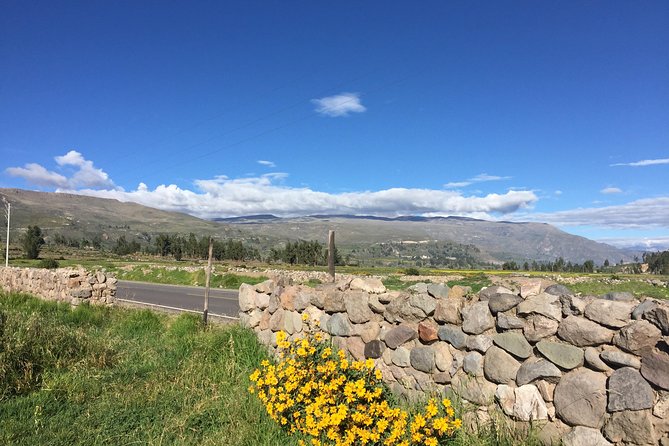
This tour kicks off at 3:00 am, with pickup at your Arequipa hotel/hostel. Then it’s a straight shot to the Chivay area, with the plan to reach Chivay around 7:30 am for breakfast. The early departure matters because Colca timing is everything: you want good light and enough daylight for the downhill start later.
In Chivay, you’ll have a short stop to soak up the town’s feel at Plaza de Armas de Chivay. This isn’t a huge museum moment—think people, local architecture, and a chance to reset before the long day. Breakfast here helps you start with something real before you head toward the canyon viewpoints.
Then the tour keeps moving to Condor’s Cross. Even if you’re not a bird-watcher, this stop is about one thing: setting you up for the canyon’s signature drama. The Andean condor can weigh up to about 12 kg with a wingspan over 3 meters, and Condor’s Cross is widely treated like the place to look.
Tip that actually helps: bring sunglasses and a layer. You’ll likely go from cool early morning air into stronger Andean sun. You want to be comfortable when you’re standing still staring at the sky.
You can also read our reviews of more tours and experiences in Arequipa.
Condor’s Cross: the free viewpoint stop that actually pays off
Condor’s Cross is one of those places where the value comes from waiting. You get about 30 minutes here, and the whole point is scanning for slow-winged shadows high above.
If you’re lucky, you’ll see condors in flight and realize why people treat this viewpoint like a must-do. If you don’t, you still get a strong sense of the canyon’s scale from above. Either way, it’s a smart stop because it’s free time with big payoff—no extra gates, no complicated logistics.
Also, don’t treat it like a quick photo. Use the time to notice how the wind and thermals affect the birds. You can often spot patterns in their flight paths, even if you’re not an expert.
Day 1: the Colca downhill that starts with a bus to Cabanaconde
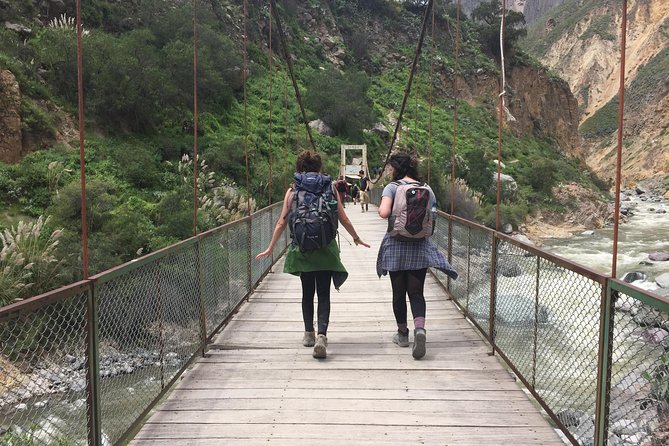
After the Chivay stops, the tour continues toward the Colca Canyon route with a major transfer segment. Between about 3:00 and 3:30 am you leave Arequipa for Cabanaconde (a roughly 6-hour drive). Later, after lunch/transfer timing along the way, you continue by bus about 20 minutes to start the trek downhill.
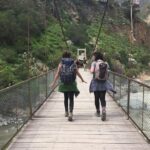
That downhill start is the heart of day one. You’ll hike downhill for about 3 hours, moving from around 3,300 masl down to about 2,100 masl. This is the part that feels like a reward after the travel day: the canyon opens, the air changes, and your body finally gets to focus on walking instead of riding.
You’ll arrive in the canyon area for lunch and rest in San Juan de Chuccho. This village is known for having vegetation and some fruit trees—so it’s not just rocks and dust. It’s a good place to pause, eat, and reset your energy before more walking.
From there, the route continues through small towns including Cosñirhua and Malata. These aren’t “big attraction” stops; they’re lived-in stepping stones. That’s why the trek feels more authentic than a theme-park circuit.
Finally, you work your way deeper toward Sangalle (around 1,900 masl). The plan is to arrive around 17:00. Day one is long, but it’s structured so you’re not stuck in endless hardship all at once.
Sangalle and its warm pool: your day-one reward
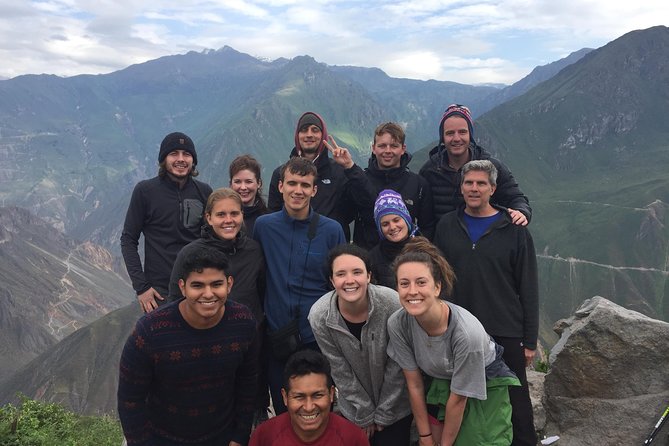
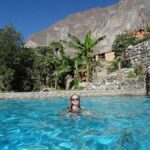
The best “recovery moment” on day one is the warm swimming pool in Sangalle. You get the chance to relax at the end of a hike, which is exactly what you want at that altitude after a long day.
The pool experience is simple and practical. You’re not going there for luxury; you’re going there to loosen up muscles and dry off before dinner. If you’ve hiked earlier in the Andes, you already know how much difference heat can make for soreness.
The schedule also sets you up with time to settle into the overnight stop. Dinner happens at night and you sleep in Cielo Azul Lodge (as per the itinerary timing).
A realism check: lodging is part of the experience, not an upgraded comfort plan. One traveler feedback noted basic accommodation, and another pointed out comfort that’s fine for one night but not fancy—so set expectations accordingly.
Day 2: 5:00 am torch-light climb back toward Cabanaconde
Day two begins early—around 5:00 am—with an uphill trek of roughly 3 hours, using torch lights at the start. This is the “you came to earn it” part of the trip.
The review feedback makes the point clearly: the second day is demanding. One account called out a climb of about 1,200 altitude meters up. That lines up with the feeling you’ll get when you’re moving uphill in thin air before sunrise.
Here’s the upside: sunrise-style timing can turn the effort into something memorable. Even without perfect conditions, moving through the canyon edge at early light gives you a sense of scale that’s hard to replicate later.
Once you reach Cabanaconde, you’ll have breakfast. That meal is your practical finish line. After breakfast, you start heading toward Chivay.
Optional Hot Springs Chacapi: worth it if your body asks for it
On the way back toward Chivay, there’s an optional stop at Hot Springs Chacapi. Entrance costs 15 soles and is not included.
The pools range from about 30°C up to 60°C, which is a wide range—perfect for finding your personal sweet spot. If your legs feel like stiff sticks at that stage, this is where you can use water to reset.
Is it always glamorous? No. Service levels are basic on treks like this, and one traveler noted no hot water at the lodge. That doesn’t mean the hot springs aren’t worth it—just means you should treat the hot springs as your main heat fix, not your lodging.
Salinas y Aguada Blanca National Reserve: camelids and volcano views
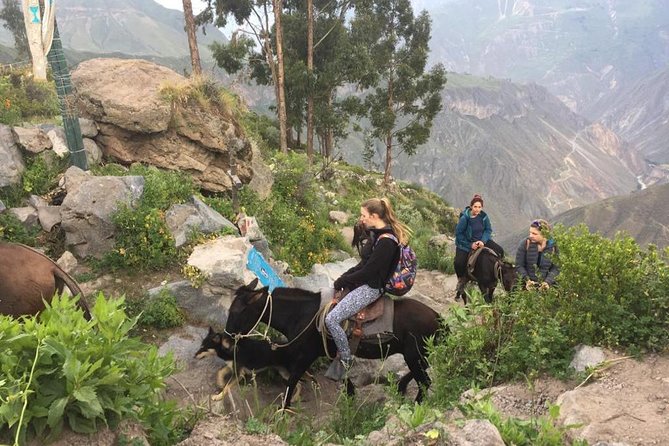
Between the trek and your long ride onward, the tour stops at Pampa Cañahuas in the Salinas y Aguada Blanca National Reserve. The stop is short on paper (around 10 minutes), but the schedule notes you’ll spend over 1 hour there total—long enough to see wildlife and take in the views.
This is a stop for camelids like alpacas, llamas, and vicuñas (and potentially guanacos), plus volcano scenery. Even when the viewing is brief, it’s a nice change of pace after hours of hiking.
The Chivay to Puno transfer: dropping from altitude and arriving at 18:30
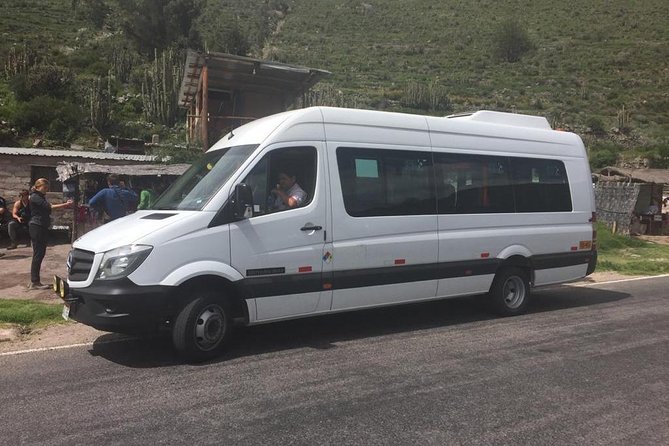
The one-way transfer from Chivay to Puno is included. The timing is realistic for a trek: in the afternoon you start traveling, and by 18:30 you should arrive in Puno and be dropped at a hotel/hostel in the center.
On the road, you’ll descend from about 4,830 masl down to about 2,325 masl. That’s a big altitude shift in a short span, so it helps to dress in layers and stay hydrated.
You’ll also pass through parts of the Pampa Cañahuas area again, which makes the camelid stop feel less random and more connected to the journey.
Important practical note: transfer days can involve bus changes in Peru. The tour timing is designed to get you to Puno, but you should still be mentally ready for travel quirks.
Price and value: $179 is fair if you watch the extras
At $179 per person for a 2-day package, you’re not just buying a hike. You’re buying logistics: transportation, small-group guiding, overnight accommodation, and meals.
Included meals are:
- Dinner
- Lunch
- Breakfast (2) (one in Chivay and one back in Cabanaconde)
Also included:
- transfer from Chivay to Puno
- some meals and lodging tied to the trek schedule
Not included costs:
- Colca Canyon entrance: PEN 70 per person
- Hot Springs Chacapi: PEN 15 per person (optional)
- Last lunch in Chivay: PEN 30 per person
So the real “total on the ground” depends on whether you do the hot springs and whether you want that final lunch.
One more value wrinkle: there’s a real risk of overpaying if you book through some online channels. One strong warning came up about pricing differences between online booking and booking locally in Arequipa, plus a note about paying in the wrong currency. I can’t confirm pricing for every departure, but I can tell you how to avoid regret: compare prices carefully and check the currency you’re being charged.
If this tour is the only way you can make your timing work, then $179 may be a good deal. If you’re flexible with dates, it’s worth shopping around so you’re not paying a “convenience fee” you didn’t need.
Comfort level on the ground: bungalows, basic facilities, and what to pack
This trek is built around movement. That means comfort is simple.
Overnight is in Cielo Azul Lodge in Sangalle (per the trek schedule). Some traveler feedback described accommodations as a bit shabby or basic—fine for one night, but not a place to expect hot showers and luxury.
Also, plan for sun and cold swings. You’re moving between high altitude hiking and overnight rest. The canyon area sun can hit hard, and early mornings get chilly fast.
What you should pack (practical, not fancy):
- layers for early torch-light starts and cooler downhill evenings
- sunscreen and sunglasses for long exposure
- a small daypack so you’re not juggling too much
- a plan to keep your water situation under control during the hike
One review also suggested not overpacking your backpack due to the uphill effort on day two. That’s good advice. Your knees will thank you.
Difficulty and who should choose this trek
This is for people with moderate physical fitness, and the itinerary confirms it. You’ll hike downhill on day one, then you’ll hike uphill on day two. One traveler advice called out the day-two climb as the toughest part, with an estimated 1,200 meters of ascent.
So this trek suits:
- active travelers who can handle early starts and steep climbing
- people who want canyon scenery plus a smooth transfer onward to Puno
- anyone who likes small-group attention and hates feeling lost in a huge crowd
Skip it (or at least think hard) if:
- you struggle with steep climbs, especially at altitude
- you’re not comfortable hiking in the dark before sunrise
- you need hotel-level comfort and a lot of downtime
Should you book this 2-day Colca trek with Puno transfer?
If you want Colca Canyon views plus onward travel to Puno in one package, this tour is a strong option. The hike is real, the condor viewpoint is well placed, and the Sangalle warm pool gives you a smart recovery moment. The small group size (max 12) helps the experience feel less chaotic.
Book it if the idea of a harder day-two ascent sounds like a challenge you can handle. Consider skipping or looking for an easier variant if you’re hoping for a mostly flat hike or if you hate early starts.
Before you commit, do two quick checks:
- Budget for Colca Canyon entrance (PEN 70) and consider whether you’ll pay for Hot Springs Chacapi (PEN 15).
- Compare booking prices and currency so you’re not overpaying for the same trek.
FAQ
What time does pickup happen?
The tour start time is listed as 3:00 am, with pickup from your Arequipa hotel/hostel.
What meals are included?
You get dinner, lunch, and breakfast twice (breakfast is included on two mornings during the itinerary).
Is the transfer to Puno included?
Yes. The itinerary includes a one-way transfer from Chivay to Puno, with arrival in Puno around 18:30.
What extra entrance fees should I plan for?
Colca Canyon entrance is PEN 70 per person (not included). Hot Springs Chacapi is optional and costs PEN 15 per person (not included). The last lunch in Chivay is also extra at PEN 30 per person.
How physically demanding is the hike?
The tour is for travelers with moderate physical fitness. Day two includes a tough uphill section with roughly 1,200 altitude meters of ascent.
How big is the group?
The maximum group size is 12 travelers.
What if the trek is canceled due to weather or if I cancel?
This experience requires good weather. If it’s canceled due to poor weather, you’ll be offered a different date or a full refund. If you cancel or ask for an amendment, it’s non-refundable and cannot be changed for any reason.