REVIEW · SUCRE
Sucre: 1-Day Trek in the Crater of Maragua and Inca Trails
Book on GetYourGuide →Operated by Jalq'a Tours · Bookable on GetYourGuide
In a day, you walk time itself. You start in Sucre and follow an Incan trail with real views, then head out to the Maragua Crater area and the dinosaur footprints. I love the way the route mixes history with scenery, and I love how guides like Pablo can turn stops into stories you can actually picture. One thing to plan for: this is an altitude trek (most walking sits around 2800 to 3000 meters) and it runs rain or shine.
The schedule is built to keep moving without feeling rushed. You get a colonial chapel photo stop at Chataquilla, a guided walk along the Camino del Inca, and time at the rock formation called La Garganta del Diablo, plus a vegetarian lunch in the Maragua area. If you’re hoping for a super-smooth ride, note that the transport can be bumpy on country roads, like some riders have pointed out.
In This Review
- Key highlights worth your time
- Sucre to Chataquilla: your morning start and first taste of the region
- The Camino del Inca walk: what that guided 12th-century trail feels like
- Chaunaca stop: the quick culture lesson that makes the day click
- The ride to Maragua: altitude views and a breather before the crater
- Maragua Crater and La Garganta del Diablo: the best kind of dramatic rock
- Huellas de Dinosaurios: footprints that actually change your sense of time
- Guides who make it feel personal: Walter, Dinelsa, Lizandro, Lee, Pablo
- Transportation, timing, and the real meaning of a 10-hour day
- Price and value: what $94 buys you (and what you still must cover)
- What to bring for altitude and a rain-or-shine route
- Who this tour suits best (and who should skip it)
- Should you book this Sucre Maragua Crater and Inca one-day trek?
- FAQ
- What time does the tour start and how long is it?
- Where does the trek begin?
- How much walking is involved?
- Is lunch included, and is it vegetarian?
- Are entrance tickets included in the price?
- Does the tour run in bad weather?
- What should I bring with me?
- Is water provided?
Key highlights worth your time
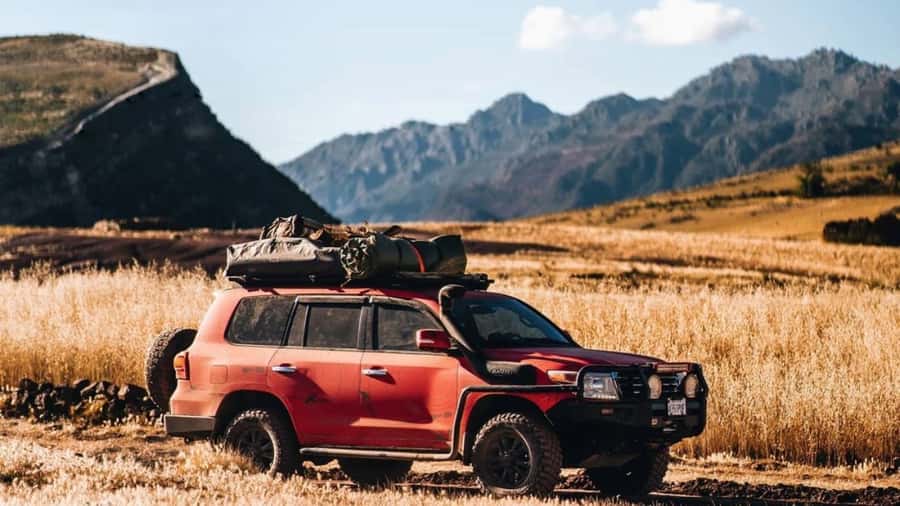
- Camino del Inca on a 12th-century route with guided explanations along the way
- Maragua Crater scenery plus La Garganta del Diablo and a relaxed crater pace
- Jalqa culture stops that connect village life with what you’re seeing outdoors
- Dinosaur footprints at Huellas de Dinosaurios without needing a multi-day expedition
- A working balance of hiking and car time, with about five hours on foot
- Vegetarian lunch included, so you’re not hunting food at altitude
Sucre to Chataquilla: your morning start and first taste of the region
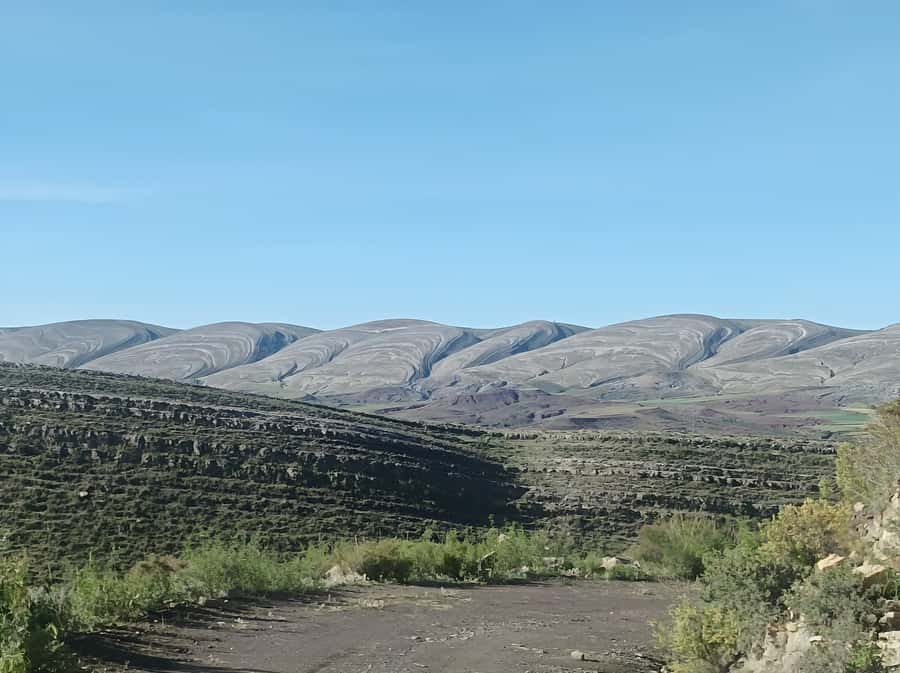
The day kicks off at 8:30 AM with hotel pickup in Sucre. From there, you ride for about an hour toward the first main stop: the colonial chapel of Chataquilla. This is a good “warm-up” block of time. You’re still fresh, the light is usually right for photos, and the guide can set context before the hiking begins.
Chataquilla isn’t just a quick drop. You’ll have a photo stop and a short guided visit. Think of it as your bridge from Sucre’s city energy to the high-altitude walking you’ll do later. At this point, I’d keep expectations simple: you’re learning how to read the terrain. The guide will point out what matters—routes, settlements, and the kind of landforms that show up again at Maragua.
The Camino del Inca walk: what that guided 12th-century trail feels like
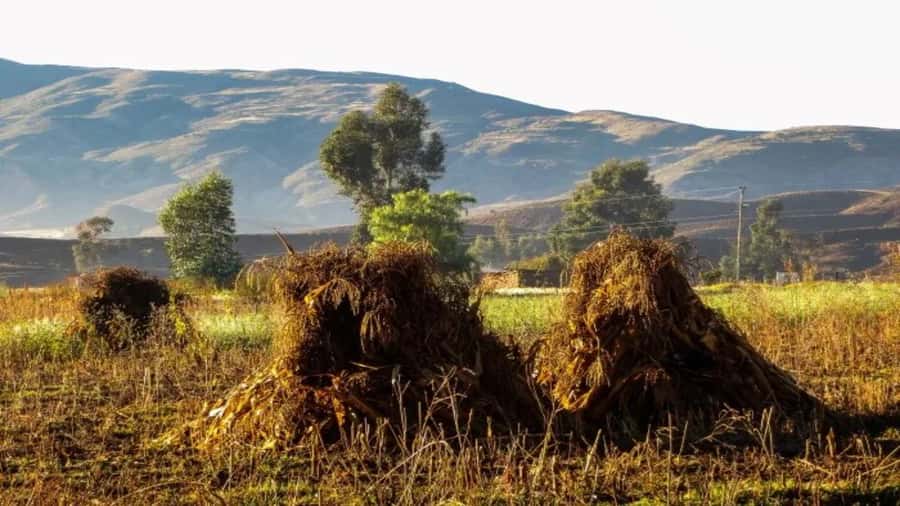
Once you start the trek section, the pace settles into a steady hike along the Camino del Inca. You’ll spend around two and a half hours on this stretch, guided the whole way.
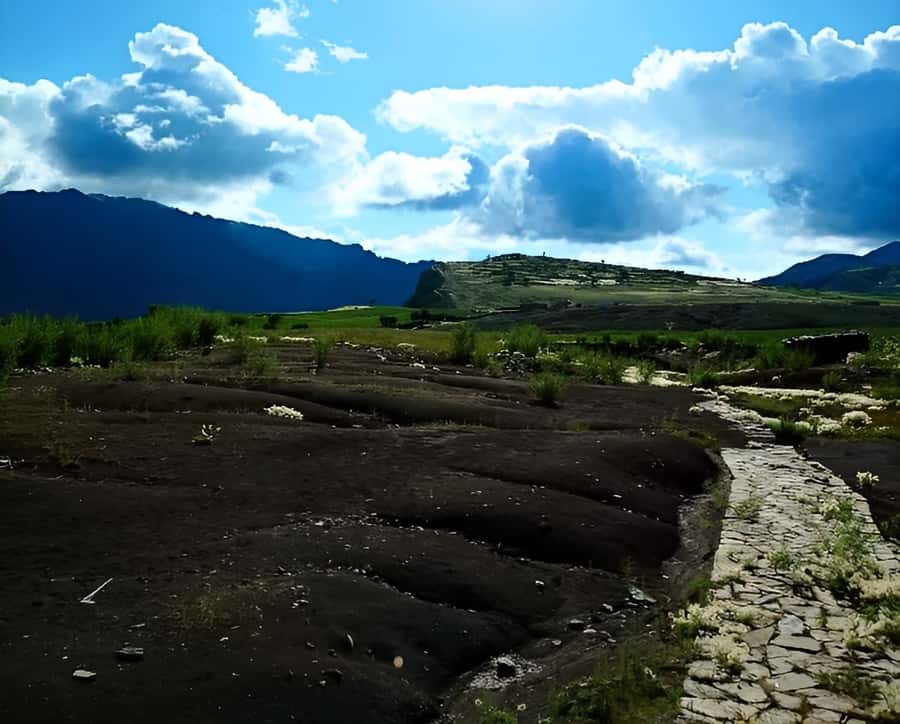
This part is the heart of the day. An Inca trail isn’t just a path; it’s a way of moving through land that was carefully chosen for routes, views, and practical travel. What makes the experience worthwhile is that the guide doesn’t treat it like a museum hallway. You learn why the trail mattered, and you get a sense of how people traveled before modern roads existed.
Altitude does play a role. Most trekking is between 2800 and 3000 meters, so even if the hiking isn’t extreme, your body will notice the thin air. I’d treat this as a “go slow, enjoy the views” day, not a personal-best fitness challenge. The upside? The guides keep the focus on what you’re seeing, and that usually means fewer rushed moments and more actual looking.
Chaunaca stop: the quick culture lesson that makes the day click
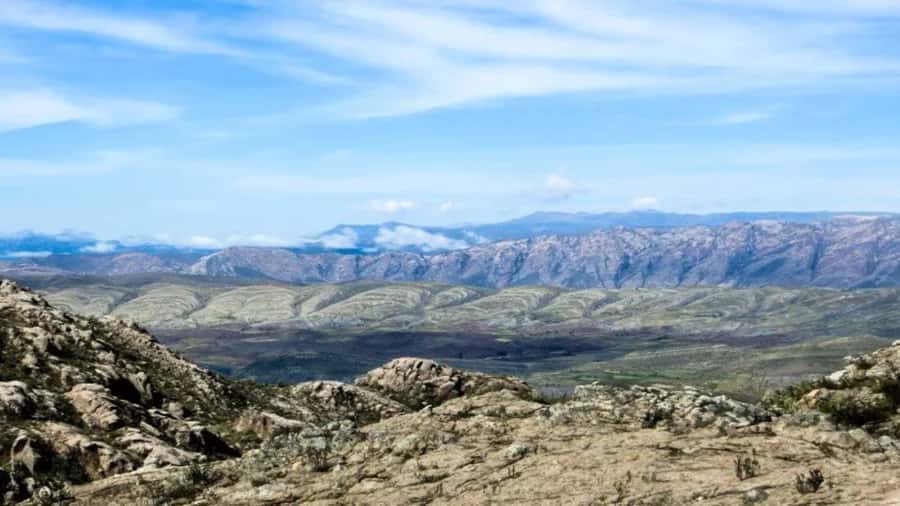
After the main Inca trail segment, you’ll take short vehicle time and arrive at Chaunaca for a brief guided visit (about 15 minutes).
That doesn’t sound long, but it often works. When a tour covers multiple big sights in one day, it’s easy to turn everything into checkboxes. Chaunaca is the opposite of that. It’s a snapshot of local life and tradition that helps you understand why the next stops—Maragua, Jalqa villages, and the crater formations—feel connected instead of random.
If you’re the kind of traveler who likes to connect the dots, this stop matters. It turns the day into a story: people lived here, walked these paths, and shaped community knowledge in the same regions you’re hiking through today.
The ride to Maragua: altitude views and a breather before the crater
Between trail sections you’ll use jeep/SUV transport. The ride segments aren’t just for convenience—they reset your energy. You’ll spend time in the vehicle before reaching the Maragua Crater area.
This matters because the day is designed as a loop: hike, vehicle hop, guided visit, lunch, guided crater exploration, and then dinosaur footprints before returning to Sucre. When you’re planning your own day, don’t try to treat every minute like a walking minute. The route is built so you can enjoy the sights without burning out your legs at altitude.
Some roads can feel rough. One rider noted that the jeep was a bit old and the roads bumpy. So if you get carsick, pack your usual remedy and keep hydration in mind (water isn’t included—more on that later).
Maragua Crater and La Garganta del Diablo: the best kind of dramatic rock
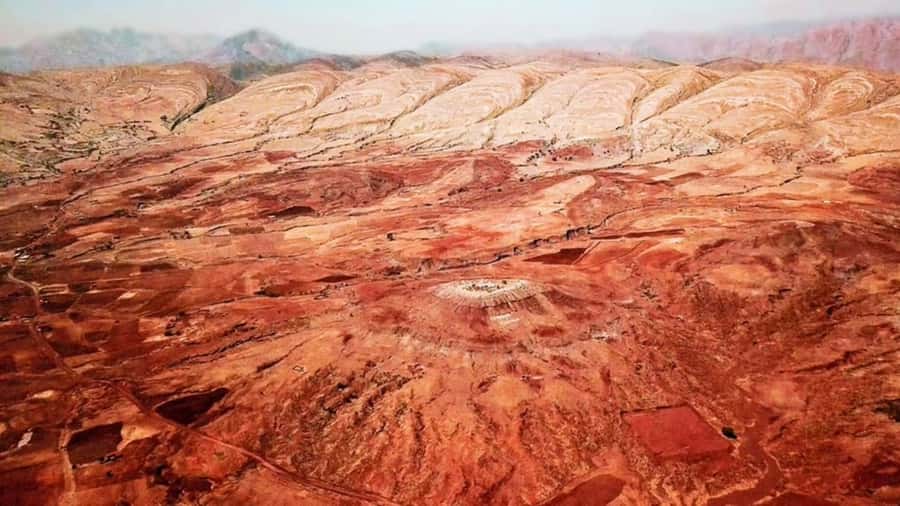
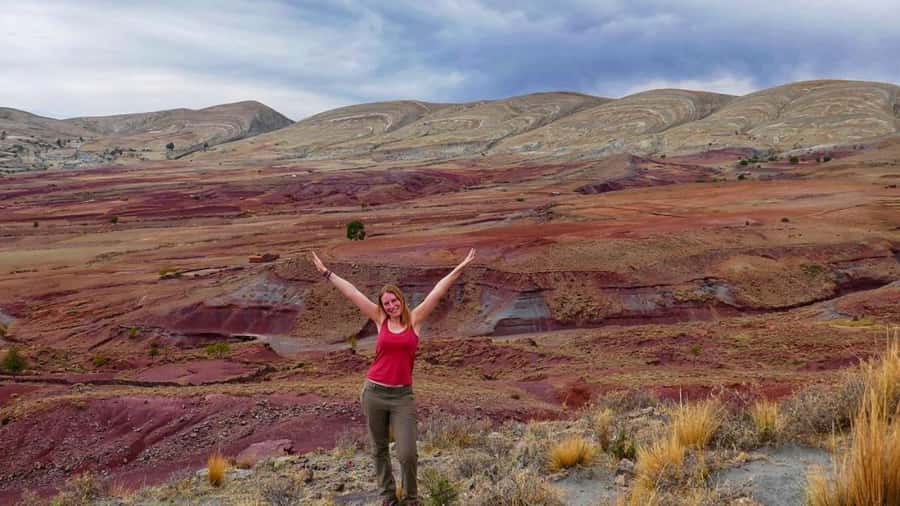
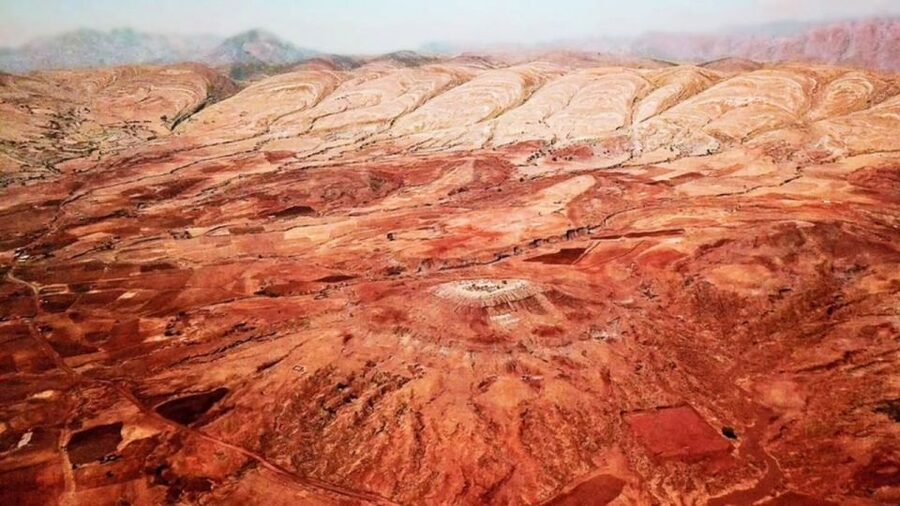
Now you’re in the crater region, where the scenery gets more dramatic fast. The tour gives you a guided visit and time to hike around, with total crater time around 45 minutes in the schedule.
One highlight is the rock formation called La Garganta del Diablo. You’ll also enjoy a vegetarian lunch in the Maragua area, then circle back to take in the formation (about 30 minutes for that specific stop, depending on how the timing flows that day).
What I like about this part is how the day shifts from “walking a historic path” to “reading a landform.” The crater isn’t just a photo backdrop. It’s the kind of place where you can feel why travel routes and settlements grew around certain views, water logic, and defensible terrain.
Lunch helps you keep your head in the right place too. At altitude, food and warmth (even if it’s just a full meal) make the next segment feel more doable.
If a weaver is available, you may also see her and hear about the Jalqa culture through traditional craft. That’s the kind of experience I value because it’s not an artificial performance. You’re learning a skill and the meaning behind it, in the setting where it belongs.
Huellas de Dinosaurios: footprints that actually change your sense of time
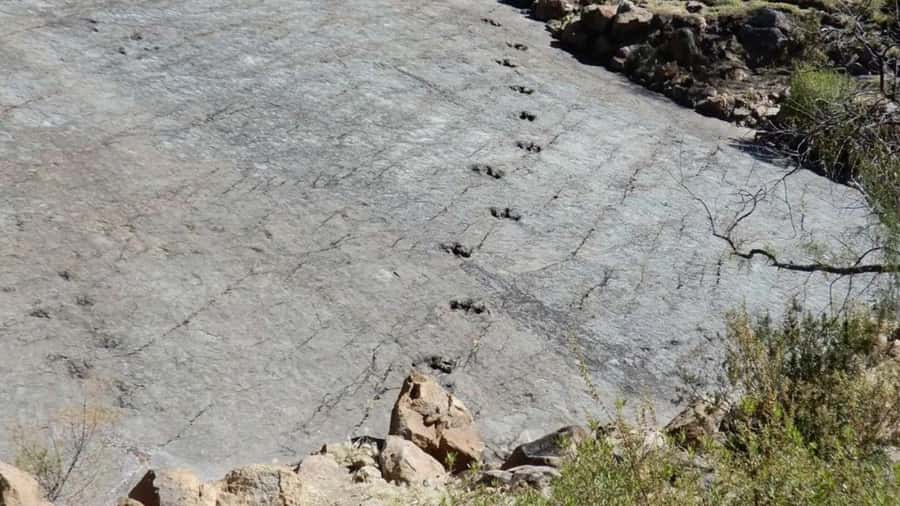
After Maragua, the tour heads to Huellas de Dinosaurios (dinosaur footprints). This is your second big “stop and soak it in” moment, with about two hours allocated here.
This is where the tour’s name earns its promise. You’re not just hearing about dinosaurs as a school topic. You’re looking at physical evidence in a high-Andes setting. That twist—ancient footprints in modern-day Bolivia—lands differently than it does in a museum.
Two hours gives enough time to do the practical things: listen to the guide’s explanation, take photos, and actually look at the details without feeling chased by the clock. If you enjoy geology or paleontology even casually, this is the part you’ll want to slow down for.
And again, altitude helps you focus. When your lungs are working, you notice the air, the light, and the stillness. It’s a good reminder that these formations weren’t made for tourism—they were made by deep time.
Guides who make it feel personal: Walter, Dinelsa, Lizandro, Lee, Pablo
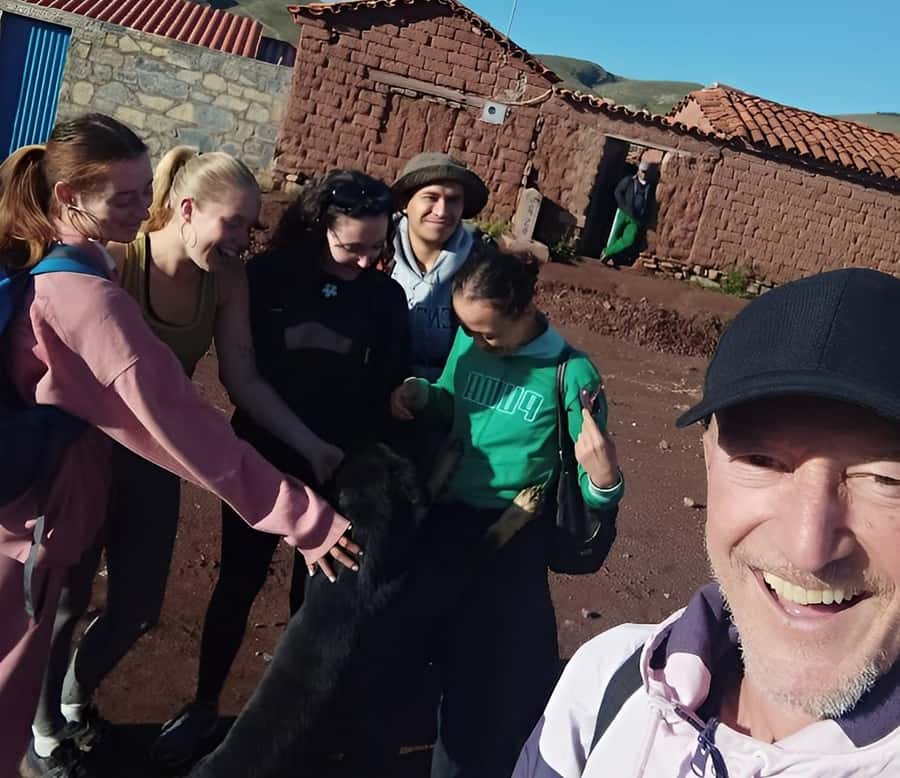
One of the best parts of this kind of day trip is guide quality. Here, you’ll often be with an English or Spanish guide who knows how to connect multiple sites without turning the day into a lecture.
In past outings, names like Walter, Dinelsa, Lizandro, Lee, and Pablo have come up. People also mention drivers such as Carlos, Luis, and communication support from Manuel over WhatsApp. That suggests a key pattern: you’re not just getting transport and a script—you’re getting a team that pays attention to timing, explanations, and making the day feel smooth.
If you want to maximize your day, ask questions at the easy moments: on the Inca trail, during the crater orientation, and when you’re at Huellas de Dinosaurios. That’s when you’ll get the most useful answers, because your guide can point directly at what you just asked about.
Transportation, timing, and the real meaning of a 10-hour day
The tour runs about 10 hours total. That includes pickup, transfers, guided stops, lunch, and the final return to Sucre. Expect a day that starts early and keeps a rhythm.
The itinerary is built as a mix of walking and vehicle time. Most trekking is between 2800 and 3000 meters, and the walking adds up to about five hours across the day. Some sections are simply easier because you’ll be in the car for part of the route.
So the right way to think about it is: you’re not signing up for one long grueling climb. You’re signing up for several distinct experiences, connected by short rides that keep energy available for the real highlights.
If you get the weather right, you’ll enjoy the day even more. The tour operates rain or shine, and the departure time can vary depending on conditions. That means you should keep your other plans flexible for that day.
Price and value: what $94 buys you (and what you still must cover)
At $94 per person, this day trek isn’t expensive for what you pack in. You get:
- Hotel pickup and drop-off in Sucre
- A guided day across multiple sites, with tickets included (the entry tickets total $10)
- Private transportation
- An included vegetarian lunch
- A first aid kit
Where you should budget extra is simple: water, breakfast, and snacks aren’t included. And at altitude, those extras matter. I’d rather pay for a couple of bottles and feel good than rely on “we’ll find something” later.
If you compare the cost to doing the route yourself—driver, entry fees, navigation, and a guide who can explain what you’re looking at—you’re paying for real convenience and context. In a single day, the guide adds a lot of value because it turns the scenery and the trail into something you understand.
What to bring for altitude and a rain-or-shine route
This is not a “carry nothing” tour. You’ll want to be ready for sun, cold snaps, and sudden rain.
Bring:
- Hiking shoes with traction
- Sunscreen
- Passport (a copy is accepted)
- Flashlight
- Waterproof bag
Also, since water isn’t included, bring water. Pack a small snack too if you’re someone who gets hungry fast at altitude.
And keep in mind it’s a day trek “rain or shine.” That doesn’t mean a storm all day, but it means you should assume wet ground at least for parts of the route. That’s why waterproof protection and good footwear matter.
Who this tour suits best (and who should skip it)
This experience works best if you want a full day of outdoor history without committing to a multi-day trek. It’s also ideal if you like guided explanations and you don’t mind walking on high-altitude trails.
It is not suitable for:
- Children under 9
- Pregnant women
- People with mobility impairments
- Wheelchair users
So if you’re managing mobility or energy limits, treat that list seriously.
If you’re a moderately active traveler, the format makes sense: you’ll walk several hours, but you’ll also use transportation between key sections. One important note: because it’s altitude, even a normal hiking pace can feel like work. Start slow and let your breathing set the tempo.
Should you book this Sucre Maragua Crater and Inca one-day trek?
Book it if you want a tight, guided circuit that gives you three big payoffs in one day: the Camino del Inca, the Maragua Crater / La Garganta del Diablo area, and dinosaur footprints at Huellas de Dinosaurios. The included lunch and tickets help the math, and the guide focus on culture (Jalqa village context, and sometimes a weaver explanation) adds real depth.
Skip or think twice if you know you’re sensitive to altitude, can’t handle a rain-or-shine hike day, or fall into the tour’s non-suitable categories. And if bumpy roads bother you, bring a comfort item and plan for a less-than-smooth ride day.
If you’re visiting Sucre with limited time, this is one of the most efficient ways to see the region’s history and geology without stretching your schedule.
FAQ
What time does the tour start and how long is it?
Pickup in Sucre starts at 8:30 AM, and the tour runs for about 10 hours total.
Where does the trek begin?
The day begins with pickup in Sucre, followed by a drive to the colonial chapel of Chataquilla, where the trekking along the Inca trail starts.
How much walking is involved?
Some parts are walked and some parts are done by private transportation. The walking totals about five hours for most of the day.
Is lunch included, and is it vegetarian?
Yes. Lunch is included and is vegetarian.
Are entrance tickets included in the price?
Yes. Entry tickets to the Inca Trail, Maragua, and the dinosaur footprints are included, and the included ticket value is listed as $10.
Does the tour run in bad weather?
Yes. The tour takes place rain or shine, and the departure time may vary depending on weather conditions.
What should I bring with me?
Bring hiking shoes, sunscreen, a passport (a copy is accepted), a flashlight, and a waterproof bag.
Is water provided?
No. Water is not included, and breakfast and snacks are also not included.